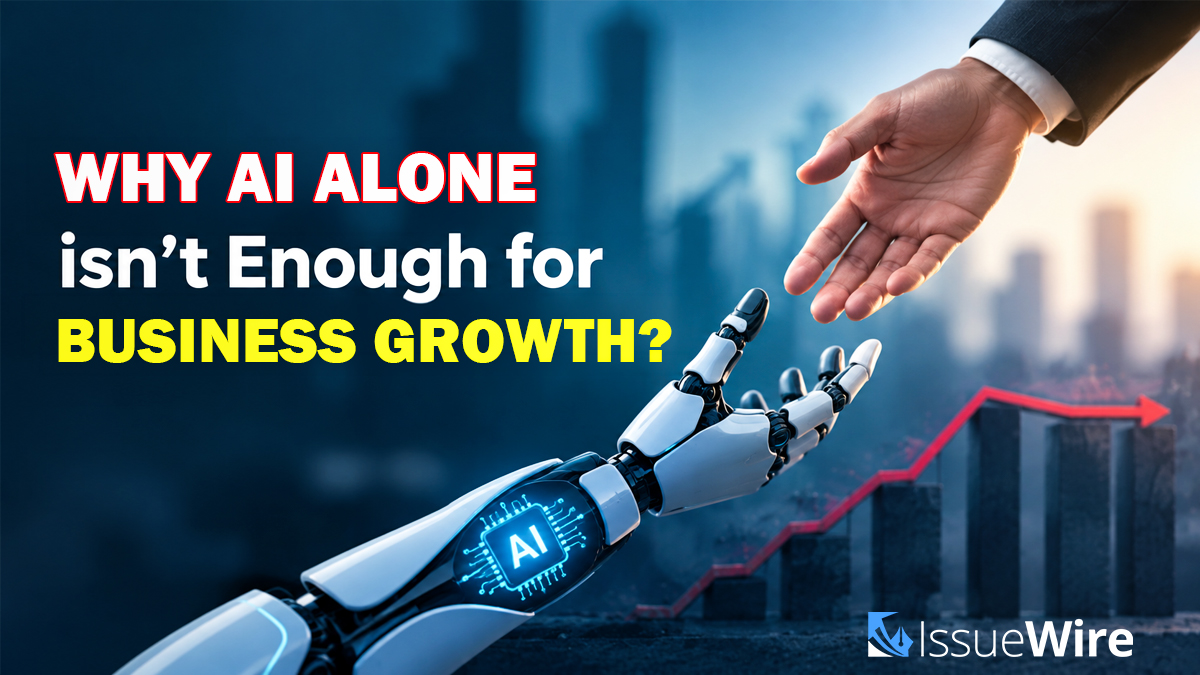
Artificial intelligence is becoming an important part of the modern workplace. Now, most businesses are investing in AI tools to improve customer experiences, handle repetitive tasks, analyze information, and help employees work more efficiently. But companies need to understand that just giving employees access to AI is not effective in automatically creating an AI-ready workforce. Along with access, the knowledge of how to use AI is considered more important. If the employees are not aware of the right technologies, strategies, and responsibilities of using AI, everything will become worthless. All the companies that provide access to AI tools without preparing the employees often find themselves with expensive software and zero outcome. Let’s find out the useful steps that can help to generate a productive result -
-
AI Tools Require Skilled Users:
Getting access to AI tools is just the beginning. All employees need to learn what the technology can actually do. As an employee, you will be able to use the tool in a much better way if you know how to write effective prompts, refine outputs, evaluate AI-generated information, and recognize when human input is important. Without the right skills, using AI will be much more difficult. Employees who do not acquire the skill can use AI inefficiently and accept inaccurate results without questioning them. Before using AI, having AI literacy is one of the most important things. Right now, it is an important workplace skill just like digital literacy and communication.
-
Training Can Turn Access into Capability:
Companies are providing AI access, but they are not investing in practical AI training. They are just simply giving employees an account on an AI site and expecting them to figure out everything on their own. However, it doesn’t work like that at all. Training is an important and relevant practice that will help artists to understand how to use AI with more responsibility. For example, in a company, marketing teams should learn how to use AI for campaign analysis and content research. On the other hand, sales teams should learn how to use such tools for communication and customer research. If companies pay more attention to this, it would be much more helpful for all.
-
Responsible AI Use Matters:
Using AI tools can make any task easier for all, but many questions regarding privacy, intellectual property, security, and confidentiality arise. Employees should get clear guidelines about what information they are allowed to share on AI systems and how to use and review AI-generated content. If they are aware of these few important things, then they will be able to use the AI tools in a much more effortless manner. A clear framework is necessary for eliminating unnecessary risks.
-
Employees Need Critical Thinking:
One of the biggest mistakes that businesses make is treating AI output as automatically reliable. It is important to understand that AI systems can also produce outdated, incorrect, incomplete, or misleading information. When using AI tools, employees also need to use strong critical-thinking skills. Employees must verify important facts, check sources, question unusual recommendations, and consider the potential consequences. It is not to make employees distrust AI. But it is to make people understand and learn how to use the AI tools in the right manner.
Companies that are providing AI tools to their employees should pay more attention to offering training as well. Otherwise, neither will the employees be able to offer better service, nor will the companies be able to get a fruitful result. So, at the time of incorporating AI tools into the workforce, following the right method is useful.


