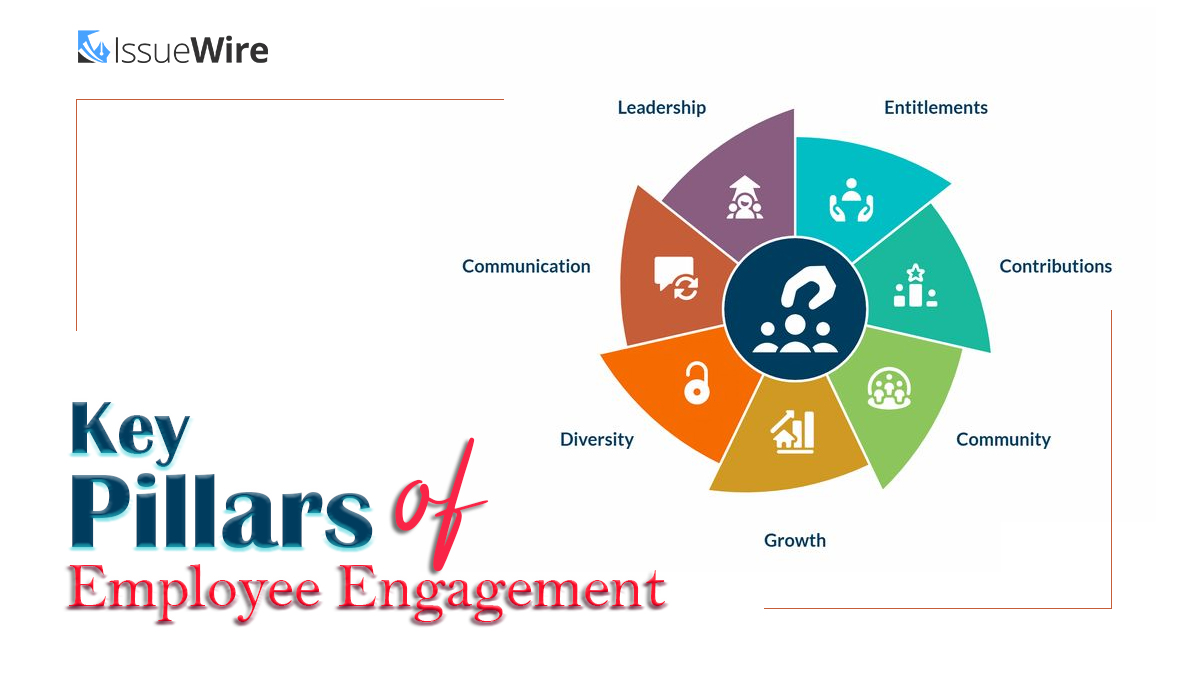
Let’s get this straight! Nobody goes to their workplace with full motivation, as it is more like an obligation and responsibility to perform in professional life than just genuine excitement. It is not just a fancy corner or a cafeteria that keeps the employees satisfied, as they need to stay inspired in order to go the extra mile for their office or the organization they work for. Therefore, employee engagement is one of the prime aspects of the corporate world today and turned into a common practice rather than just a buzzword. Let’s find the key pillar of employee engagement and how to instill the strategies effectively.
-
Communication
Open communication is considered to be the main pillar of employee engagement as it keeps the workforce well-informed regarding their roles and responsibilities. It can help them know more about organizational goals and provide active contributions to meet those goals. More than 85% of the global employees claimed that they feel more engaged and motivated when the company shares 100% transparency with them. Miscommunication can create huge losses in projects, and companies with clear communication among employees can perform 3.5 times better than others.
-
Work Environment
A positive and welcoming work environment is crucial for employee engagement as it helps to motivate members with high team spirit and open conversation. There should be a sense of positivity among the employees and in the work environment that does not make anyone feel uncomfortable or unnoticed. The environment and job satisfaction are correlated, and a healthy environment brings more positive changes in an employee as well as the whole team.
-
Collaboration
Collaboration is a key aspect of business processes, and it can also help in employee engagement. The employees need to work with colleagues across different departments to make sure there is an easy exchange of ideas. In the past few years, teams have been working together with the domination of AI tools, and there is 44% hike in the use of collaboration tools. This is also crucial in the case of remote jobs, and collaboration not only allows sharing tasks but also creativity, and so, companies can witness united contributions that bring more organizational growth.
-
Incentives and Rewards
There is no greater alternative to receiving recognition for the hard work and efforts that an employee puts into an organization. Even a simple heartfelt ‘Thank You’ can make an employee feel appreciated, and this sense of accomplishment is very important for employee engagement. The recognition can also take place in monetary form through incentives or rewards as the best performer. While this can fuel the recognized employees, it can also inspire other employees to perform even better to get those rewards, benefits, or perks. Paid Time Off, Flexible Schedules, Wellness Programs, etc., can be rewarded too.
-
Personal Development
Employees do not join a company only to earn money, but they also seek to grow personally by learning more skills and gaining more knowledge. In order to keep them ambitious and curious, there should be technical and non-technical upskilling programs. With the new skillset and knowledge, they can feel more motivated and confident in their work, and that also keeps them engaged as they are satisfied with the growth they gained while serving the company.
Final Thoughts
Employee engagement should be treated as a major concern for all kinds of organizations and businesses, as losing employees is never good for a company. It is recommended to conduct surveys and work on feedback to understand what the employees really want, and listening to them with implementation is enough to keep them engaged.


