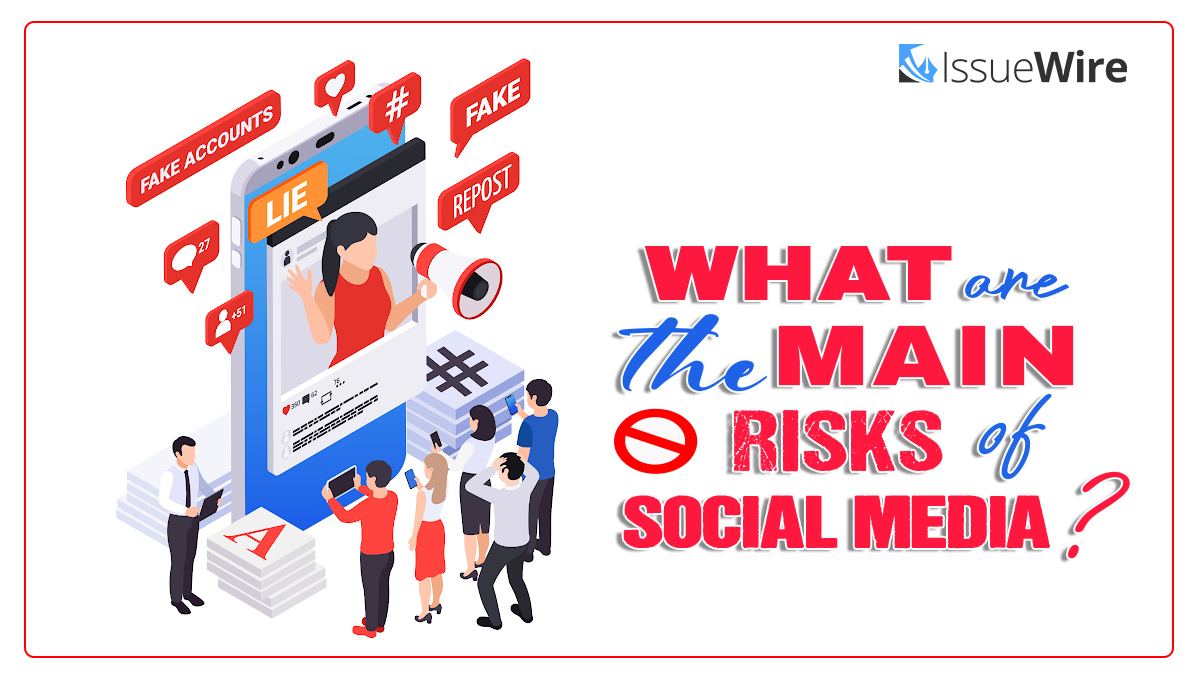
It goes without saying that social media plays a crucial role in this digital world, where most businesses utilize social media platforms to gain more customers and keep them engaged. However, there is also a high number of cases regarding social media breaches that took place over the past few years. According to a recent industry report, more than 60% of the global businesses have faced social media breaches, putting them at serious risk of hacking and data breaches.
Social media still remains one of the most powerful tools for businesses, but the companies are also required to improve their security measures in order secure their data integrity and reputation. Here’s a comprehensive guide to help you out.
Social Media Risk Factors
Social media offers many potential entry points for hackers, which makes it very prone to data breaches. Hackers are capable of infiltrating the private databases of companies, utilizing any employee’s single sign-on feature, which can offer access to critical credentials. This shows that even minor vulnerabilities can lead to tangible risks, and that is why every company needs robust and vigilant cybersecurity measures. In order to safeguard your company from potential risks, you should embark on the strategies of strict access controls and multi-factor authentication (MFA). Regular security training is also required to reinforce awareness about cyber risks and crimes.
-
Single Sign-on
The single sign-on is the most used option, which allows users to log in to different websites with the help of Google, Facebook, or other social media credentials. This helps to minimize the effort of logging in and helps users to sign in to multiple platforms without the requirement of remembering multiple passwords. The situation of security vulnerability appears when you are trying to gain access to a site that is not secure. This allows hackers to gain a user authentication token, and they can easily utilize the credentials to log in to other platforms without the requirement of passwords. It is highly recommended to create separate login credentials for different sites rather than opting for a single sign-on. SSO can also help to gain enhanced productivity with improved efficiency and speed.
-
Phishing
A phishing attack is a common cyber attack where users are sent to fake websites so that hackers can easily get the usernames and passwords. The phishing attacks have become more sophisticated over the years, and this fake approach is now made through social platforms to lure victims in a trustworthy way. The human emotions of curiosity or urgency are well exploited in this case, which makes users click on the link without giving a second thought to it. The best way to deal with such attacks would be regularly check your messages on social media. If the message appears to be fishy, it could be a phishing attack.
-
Weak Passwords
You might have already witnessed the fact that many sites ask for putting a strong password which includes special characters, upper case, lower case, and other elements to make the passwords dynamic and not easy to crack. Yet a lot of users still add ‘Password’ as a password, which is highly predictable. Similarly, you should avoid birth dates, names, repeating or serial numbers, as they can make it easier for hackers to log in. Therefore, always make sure to create a dynamic and strong password for each platform you use.
Final Thoughts
Managing social media is not rocket science, but it still requires a lot of strategic inputs that help to bring out positive results for your company. Create a strong social media policy, train your employees, and embark on multi-level monitoring to remove social media risk.


