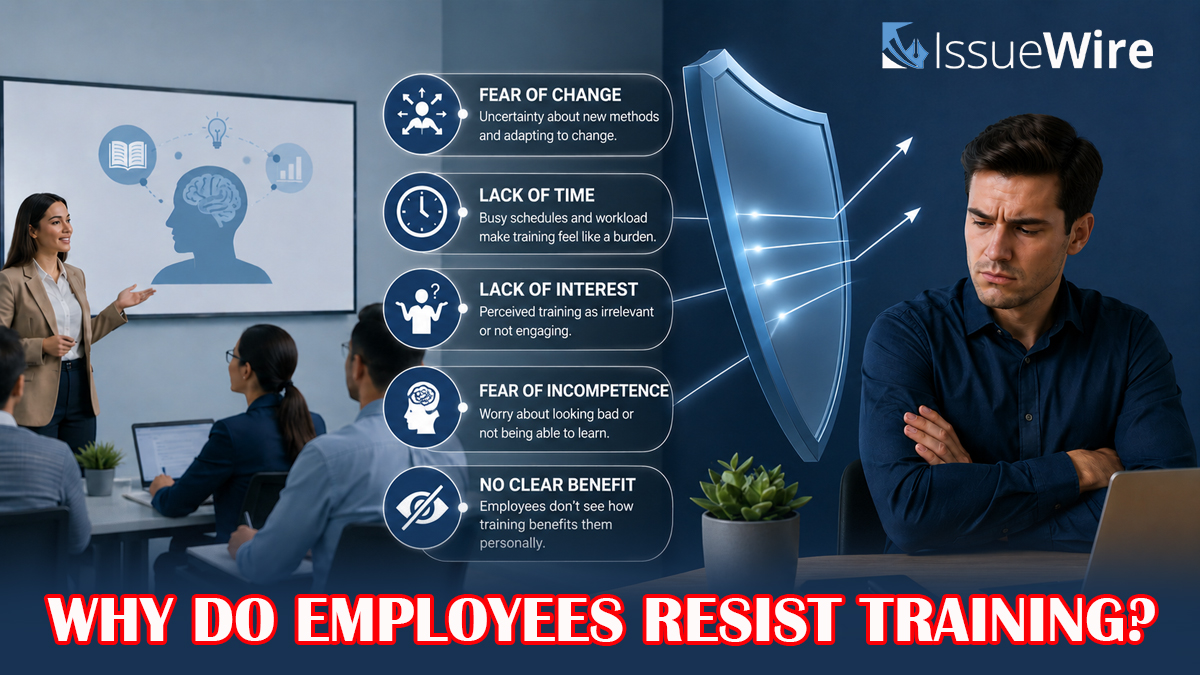
Mandatory Training Programs are noticeable in every industry, especially in the corporate sector, which is constantly evolving with technological advancements and developments. The training program helps to support onboarding, improve skills, and ensure compliance while maintaining international operational standards.
Despite its paramount importance, a majority of employees feel repulsed by such training programs, which lead to poor engagement, lack of participation, and frustration in the workforce. Most of the employees feel like they have to complete the training rather than something that is fruitful and effective for their job role and career.
Why Mandatory Training Creates Repulsion?
The term ‘Mandatory Training’ itself creates a psychological barrier, as it is not something an employee can ignore. When the workforce is forced to go through a training program without knowing its relevance, the motivation among employees for training decreases naturally and rapidly. It creates a sense of passive participation rather than active learning, which can later be implemented through the job roles and responsibilities. Besides obligation, many other aspects of mandatory training create resistance, such as
- Repetitive and lengthy learning material
- Lack of relevance to daily job roles
- Passive training format with very little interaction
- Lower flexibility and no room for personalization
How to Make Mandatory Training Feel Relevant to the Employees?
The major problem of the ‘Competition-first' training program is that it focuses on the execution of the training more than its effectiveness among the workforce. There should be a greater focus on learning effectiveness through meaningful learning experiences where employees can engage without any frustration. Engagement is one of the most important metrics to focus on in this case, as disengaged employees can lead to a decrease in superficial participation and forgotten knowledge.
In order to make the training program more relevant, it should be designed in a way that feels more connected to the job roles of the employees. Generic content creates a sense that it is imposed by the organization, and in order to make it better, employees must have a complete understanding of it and how it works. They should also understand how it impacts their role and offers value to their job responsibilities. Here are some ideas to implement,
-
Reduction of Cognitive Overload
Training programs can overwhelm employees quickly by offering them too much information all at once. It decreases attention span among employees, and therefore, the retention rate also drops. Dense modules and extensive presentations can cause fatigue. It is important to simplify the learning experience for everyone with shorter modules and clearer structures.
-
Microlearning for Improved Participation
Microlearning is considered to be one of the most effective ways of modern training, where the learning material or content is offered in small chunks instead of creating a lengthy and complex course structure. Shorter and focused sessions are great for modern employees as they come with improved flexibility and increased retention. It also fits well with the busy work schedules.
-
Enhanced Interaction
Passive learning can make employees disengage quickly. Try to engage them with direct communication and enhanced interactions, which encourage more participants to become a part of it. Even small quizzes and challenges can help the team learn together with some social interactions and activities, which makes the learning experiences enjoyable for all.
-
Better User Experience
The training should be offered with a smooth user experience, or else employees can get frustrated with the complexity of the process. It is best if you keep it simple, intuitive, and mobile-friendly.
Just like the global business landscape, training programs in organizations should be upgraded based on the modern trends and learning structures.


