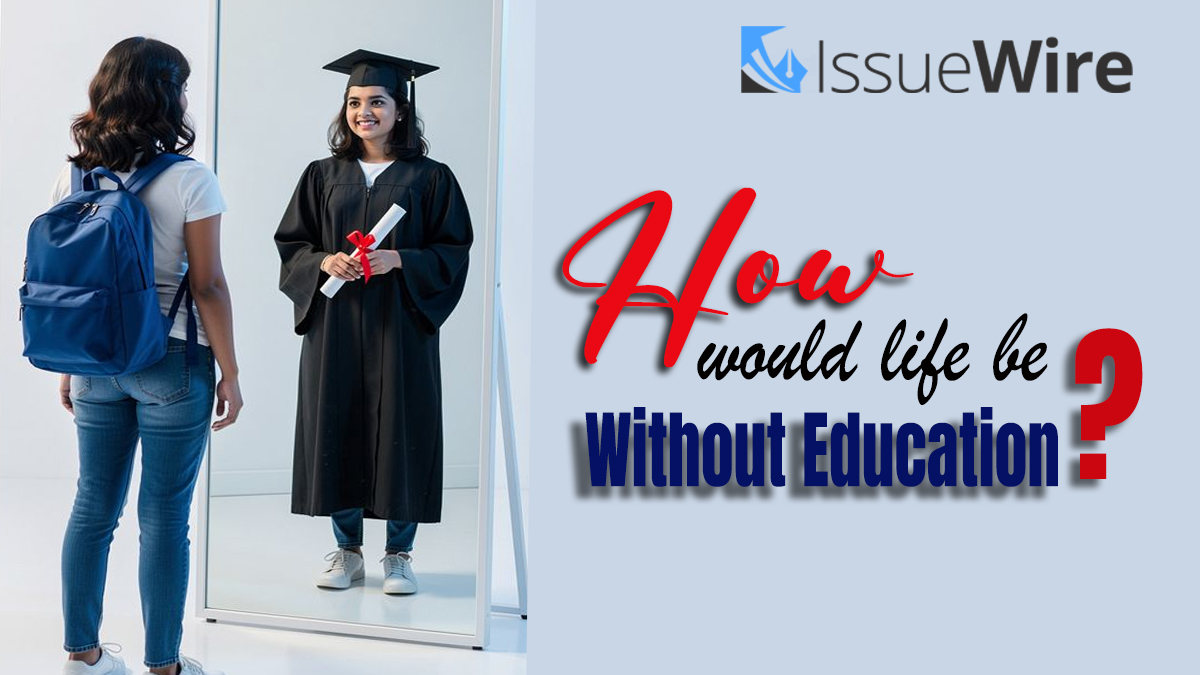
According to UNESCO and its 2025 SDG 4 Scorecard, around 272 million children and young people across the world remain out of school. They are not enrolled at any level. The scale of this gap is hard to ignore. What makes it more striking is that educating these children costs far less than many high-profile scientific missions, while offering far greater enduring returns for society.
Learning Works Best When Curiosity and Critical Thinking Lead
Each extra year of schooling raises lifetime earnings by close to ten percent. It also lowers child mortality and helps people contribute meaningfully to their communities. Education creates ripple effects that last for generations. At the same time, trillions are spent on ambitious scientific projects that inspire awe but touch only a small part of the global population. The contrast feels sharp. While technology reaches orbit, millions of children remain grounded with limited opportunity due to the learning crisis.
The issue does not end with access. Even among children who attend school, learning often falls short. UNESCO estimates that 617 million children and adolescents fail to reach basic proficiency in reading and math. Enrollment alone cannot fix this. A school without any real learning is an empty space. This is where the learning industry must step in. Tools, along with new curricula and better teaching approaches, already exist. What is needed now is the will to use them at scale.
Why Flipping Classrooms Can Shift Learning?
The flipped classroom model turns the old idea of teaching on its head. Children explore new lessons through videos and digital tools before class. That shift frees classroom time for discussion, guidance, and hands-on learning that actually sticks. For this model to work at scale, educators also need a shift in how they work together. Many teachers still operate inside rigid systems shaped by outdated tests and fixed curricula. These limits often ignore the real needs of students and leave teachers feeling boxed in or unheard. Learning suffers when creativity is pushed aside.
In a flipped system, teachers move from following instructions to building learning together. Collaboration becomes the central point here. Educators share ideas and test approaches. They adapt methods to local realities. A strategy that works in one country can inspire change in another with thoughtful adjustment. Online communities and peer mentoring, as well as shared resources, support this exchange. When teachers collaborate, teaching becomes a shared mission and vision. Students gain stronger support and learn with purpose. This helps students carry these benefits forward into society.
Critical Thinking is the Real Power
Information is everywhere now, but true understanding is not. Curiosity pushes people to explore ideas while critical thinking helps them make sense of what they find. When one is missing, learning breaks down. This is why curiosity without critical thinking drifts, and critical thinking without curiosity turns rigid. Machines can deliver answers fast, but humans are the ones who give those answers meaning. As the world fills with data and AI summaries, the true advantage stays with humans. It lives in minds that question patterns and look deeper. This is where the learning industry carries responsibility. It must move beyond content delivery. Education should shape judgment and problem-solving. Knowledge matters, but wisdom matters more, and this is what critical thinking helps to achieve.
Conclusion
The future of learning and education depends on curiosity and critical thinking, not more content. Outdated systems need courage and collaboration to change. Educators and innovators must lead with purpose and share ideas that ignite minds. Every improved classroom and expanded mindset brings us closer to learning that truly empowers everyone.


