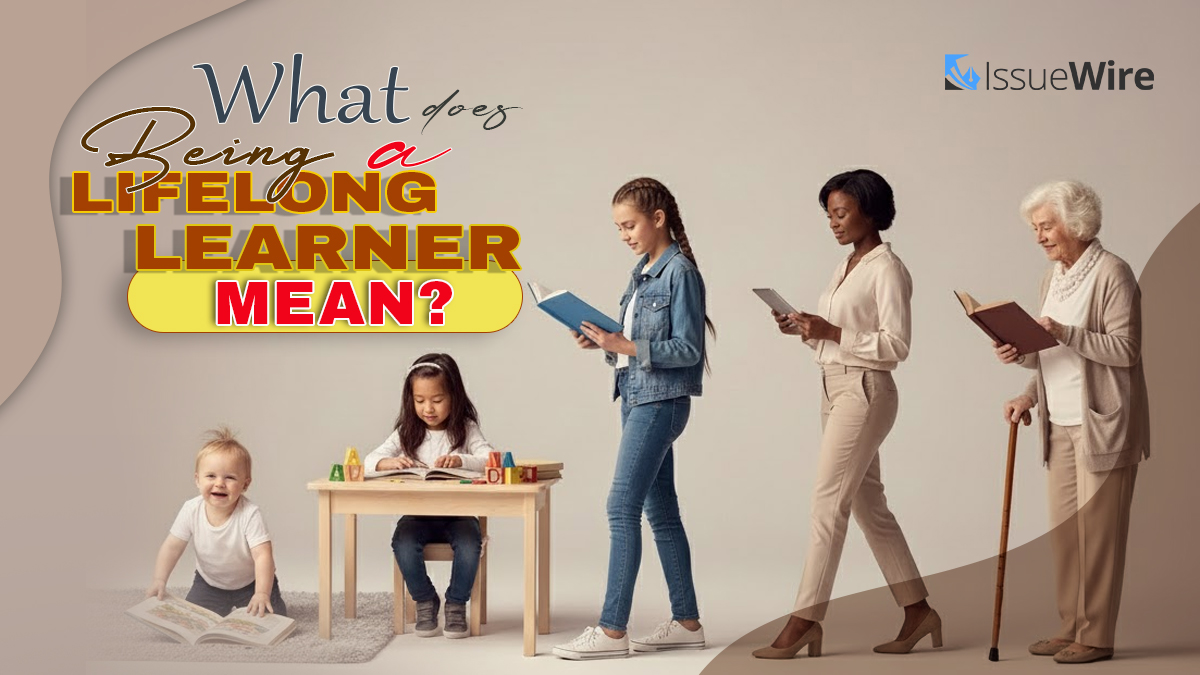
There is no age of learning, and that is the mantra of a Lifelong Learner. However, there are many considerations when you put this in a professional aspect, where continuous learning goes along with the lifespan and career. Let’s take a better look at this lifelong learning process.
Who is a Lifelong Learner?
A Lifelong Learner is someone who is constantly prospering in life by acquiring knowledge throughout time. Starting from new knowledge, skills, pieces of wisdom, and competencies through life, everything is a part of this process. Both formally and informally, a person needs to adapt, grow, and remain effective through the changes. Learning is not limited by any age, role, gender, institution, or norms, and it does not require any job title or qualification. It is just pure hunger that drives the learners.
If seen from an L&D perspective, lifelong learners are not just participants in the training programs just to add another bullet in the resume, but someone who is also an active agent who implements through their own development. They are more capable of adjusting their knowledge and skillset according to the challenges they are exposed to.
Key Features of a Lifelong Learner
Although lifelong learners can belong to any region, age, or role with diversified backgrounds, there are some core vestiges that push them on this never-ending journey of learning. Some of the several common characteristics are,
-
Growth-Driven Mindset
Constantly seeking growth and actually learning something new to achieve that growth is different. Learners need to believe that abilities can be developed through learning and effort, where they can learn from their own mistakes. Such a perspective and mindset support persistence.
-
Intrinsic Motivation
Curiosity is a must for every learner, which is driven by intrinsic motivation. Such motivation is not always rewarding in materialistic value, such as promotion and or bigger credentials, but a genuine interest in knowing something more. It is a constant willingness to improve themselves in what they do.
-
Adaptability
The defining feature of adaptability is mandatory for every lifelong learner, as you cannot fixate in comfort if you want to know more. Learners are more comfortable with ambiguity as they trust their abilities. Learning to adapt can also help to keep a career path less linear and predictable.
-
Reflective Practice
Self-reflection is very crucial for a learner, which helps to assess one's own performance and identity gaps. This reflective practice can help to guide their growth, which paves the path for continuous improvement and expertise development.
-
Resourcefulness
Resourcefulness is another core defining virtue of a lifelong learner, and it is important in the modern context. With the ability and willingness to find, evaluate, and implement, learners can perform critical tasks. In modern days, those who are willing to utilize different tools and platforms to solve a task are considered resourceful, as it is highly important in the digital era.
Why does Lifelong Learning matter in the Modern Workforce?
The rise of AI has accelerated a trend where half-life skills are no longer valuable because they are mostly driven by technology-driven fields. Since most of the tasks and business operations are getting automated and handled by AI. Employees need to constantly develop new skills and acquire more knowledge that helps them stay ahead. Additionally, lifelong learning can help to grow seamlessly through internal career pathways. Organizations that encourage constant development and offer the opportunity are more likely to have a strong and loyal workforce.
Lifelong learning is much different than traditional learning, and it is more relevant in the modern days of dynamic needs and constant evolution through every field.


