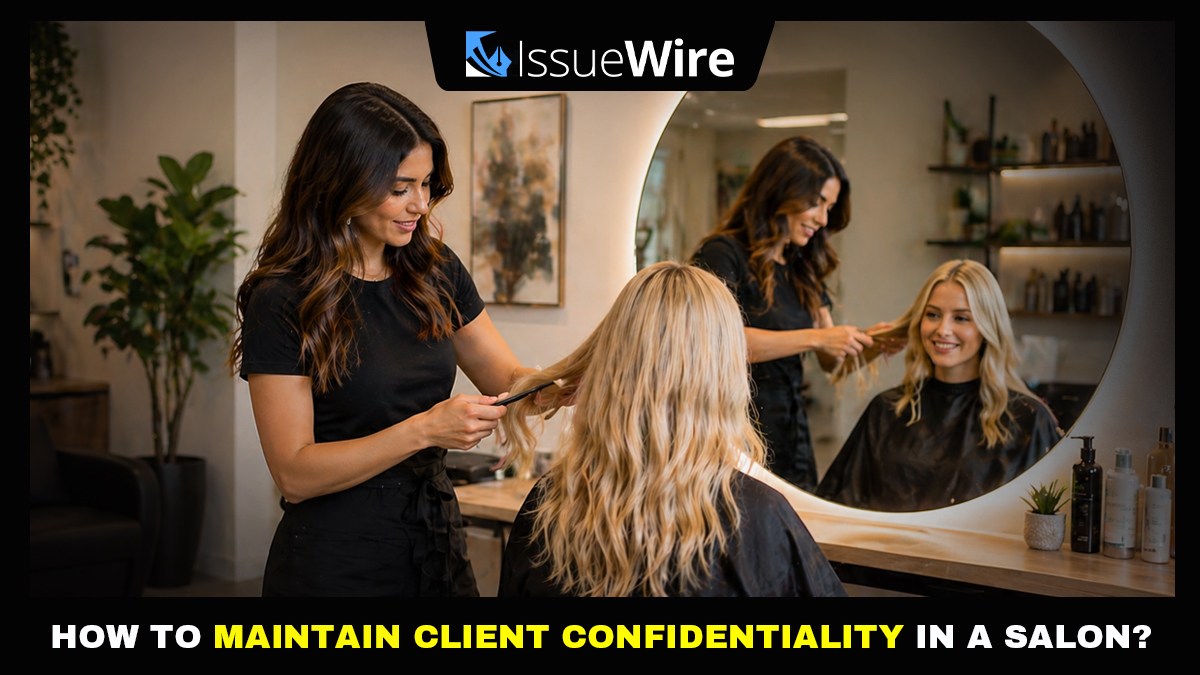
Running a salon today means handling client data with care and clarity, without the chaos of old paper logs. Everything now works better when it sits in one clean digital system that your whole team can access with ease. When you know a client’s history and preferences, each visit feels more personal and worth coming back to.
So, let’s move ahead and see the 5 best ways to protect client information.
1. A Centralized System
Keeping all client information in one place makes salon management smoother and far less stressful. Relying on notebooks, paper cards, or scattered tools often leads to missing details or mixed-up records. This can easily slow your team down. A centralized salon system brings everything together in one easy space, so nothing slips through. It holds contact details, appointment history, stylist notes, and even product purchases in a clear and organized way. This setup cuts out duplicate profiles and outdated entries and keeps your workflow steady and your client experience more satisfactory and consistent.
2. Detailed Client Profiles
Once your salon runs on a centralized system, the next step is getting every client profile right. Clean and accurate details make a real difference in how your team works each day. No one has to rely on memory or guesswork, and every appointment starts with clarity. A strong profile can include contact information, product purchases, beauty preferences, and any allergies or sensitivities that need care. It can also track which stylist handled past visits and note down useful recommendations for the next one. When all of this sits in one place, it becomes easy to follow and update. Your staff can deliver results that feel consistent and personal, making every visit smooth and familiar for the client.
3. Service and Appointment History
Beyond basic details like contact information, allergies, and preferences, it helps to keep a close record of appointments and service history. This gives your team a clear view of each client’s journey as time passes. They can see their past treatments, the products they used, and how often someone visits the salon. It saves time during appointments and keeps things running smoothly. For example, a stylist can quickly pull up an old hair color or check notes left by another team member. This avoids guesswork and keeps the results consistent. Tracking the history also reveals useful patterns. You start to notice regular clients, those who are due for a visit to the salon, and which services people keep coming back for.
4. Protection of Client Data
Client records often hold sensitive details like phone numbers, email addresses, and personal notes that need careful handling. Some salon systems also store payment or card information, which makes security a key part of your setup. Choosing software with built-in protection helps you keep everything safe without extra stress.
Many modern platforms use encrypted storage and give you control over who on your team can access certain details. You can also go for cloud-based systems that create automatic backups, so your data stays protected even if something goes wrong with your device. Apart from the tech side, it helps to ask for client consent before storing their information. It shows respect and builds trust.
5. Train Staff
Keep client profiles fresh and accurate by updating them after every visit. Your team should note services, products, and any special requests so nothing gets missed. Clear records help everyone deliver the same level of service each time. It also matters how details are added, so train your staff to follow a simple and consistent way of recording notes that stay useful.
A well-run salon starts with clear client data. A single system keeps everything easy to access and helps your team stay consistent with every visit.


