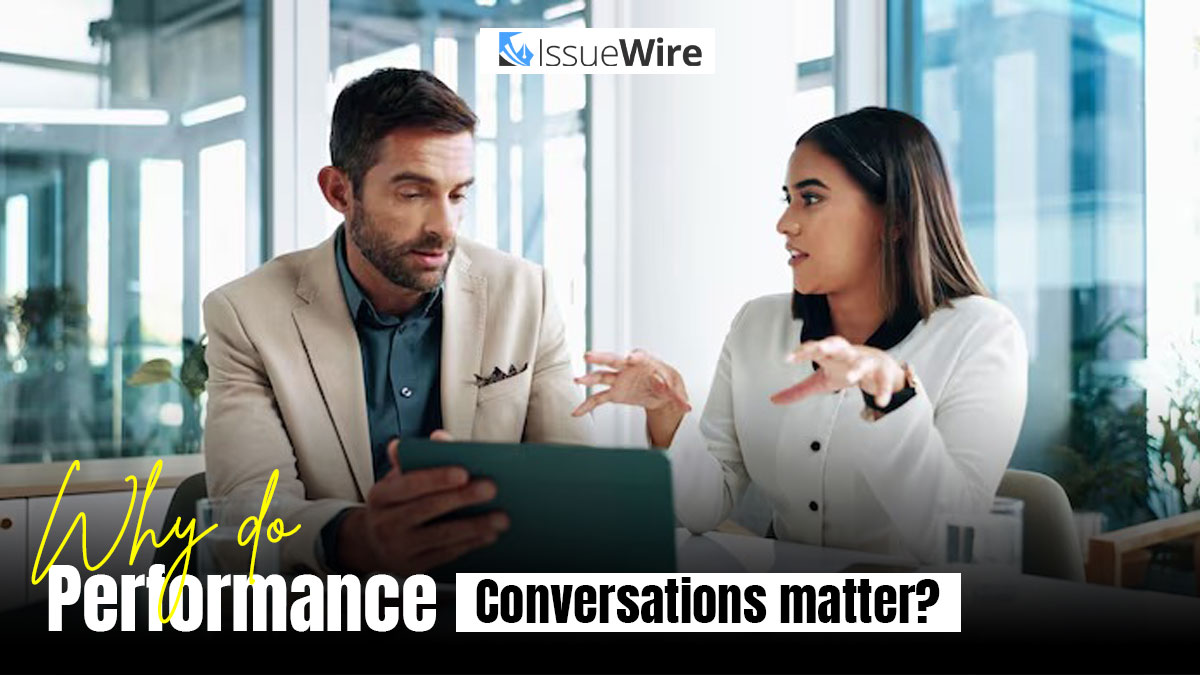
A powerful idea stands out, especially in today’s highly advanced digital world: “If you can’t have a good conversation, no system will work. But if you can have a good conversation, any system will work.”
Meaningful dialogue often drives performance more than KPIs or frameworks. Regular and authentic conversations, which are supported by feedback and recognition, can transform projects, careers, and even entire organizations. They can create a culture where growth, productivity, engagement, and excellence become the new norm! Let’s dig deeper and understand how conversations can be the future of performance management.
What is Performance Management?
There are four steps of performance management, which highlight where most companies go wrong. Here they are -
1. Clarify What Matters
Start by making sure employees know exactly what is expected of them. This includes not just the tasks or results but also behaviors, values, and ways of working. When expectations are clear, employees can focus their efforts on what truly drives the business forward. They will no longer second-guess their priorities.
2. Track the Right Results
Decide how success will be measured. You can measure them through outcomes, behaviors, or both. Without clear metrics, performance reviews become subjective and inconsistent. Defining measurable goals helps everyone understand what progress looks like and keeps performance discussions grounded in facts.
3. Link Performance to Impact
Performance should connect to real consequences. You need to recognize and reward achievements, while also addressing areas needing improvement. This creates accountability and motivates employees to continuously grow. Meaningful consequences, be it positive or corrective, ensure that performance is not just observed but acted upon.
4. Prioritize Ongoing Conversations
The heart of performance management is dialogue. You can make eekly or regular discussions, rather than annual reviews. This fosters trust, engagement, productivity, and motivation. Employees who receive frequent feedback feel more supported and inspired to do their best work. Research shows that daily feedback makes employees over three times more likely to feel motivated to excel compared to only yearly feedback. Regular and honest conversations turn performance management from a checkbox into a tool for growth.
How Impactful Can Conversations and Feedback be?
Recognize what Truly Motivates -
Think about a time you felt genuinely motivated at work. It probably was not a score on a performance system. More likely, it came from being acknowledged, receiving constructive feedback, or having a manager coach you toward better results. Real motivation comes from meaningful interactions, not numbers on a dashboard.
Ask, Don’t Assume -
Conversations that spark engagement start with curiosity. Instead of making assumptions, as a manager, you can ask questions like, “Can you help me understand this?” or “What steps can we take to improve?” and “How can we prepare for what’s ahead?” These questions make discussions collaborative and forward-looking.
Back it up with Facts -
Feedback is strongest when it is supported by evidence. Statements like, “You closed 15 tickets this week with 98% satisfaction,” carry more weight than vague comments like, “You’re doing well.” When you give data-driven feedback, it removes bias and helps employees see the real impact of their work.
Focus on Growth -
Effective conversations emphasize improvement, not failure. Phrases like “Here’s how we can do better next time” foster development, while dwelling on mistakes discourages progress. Silence, on the other hand, sends the wrong message. Moreover, employees may interpret it as indifference and incompetence, or a lack of care. Regular and intentional conversations are essential to building trust and sustained performance.
Performance-focused conversations only work when tied to real accountability. You can link discussions to rewards like raises, promotions, or development opportunities. It reinforces their importance. Without this connection, reviews lose meaning and credibility. It turns what should drive growth into a routine exercise that employees quickly tune out.


