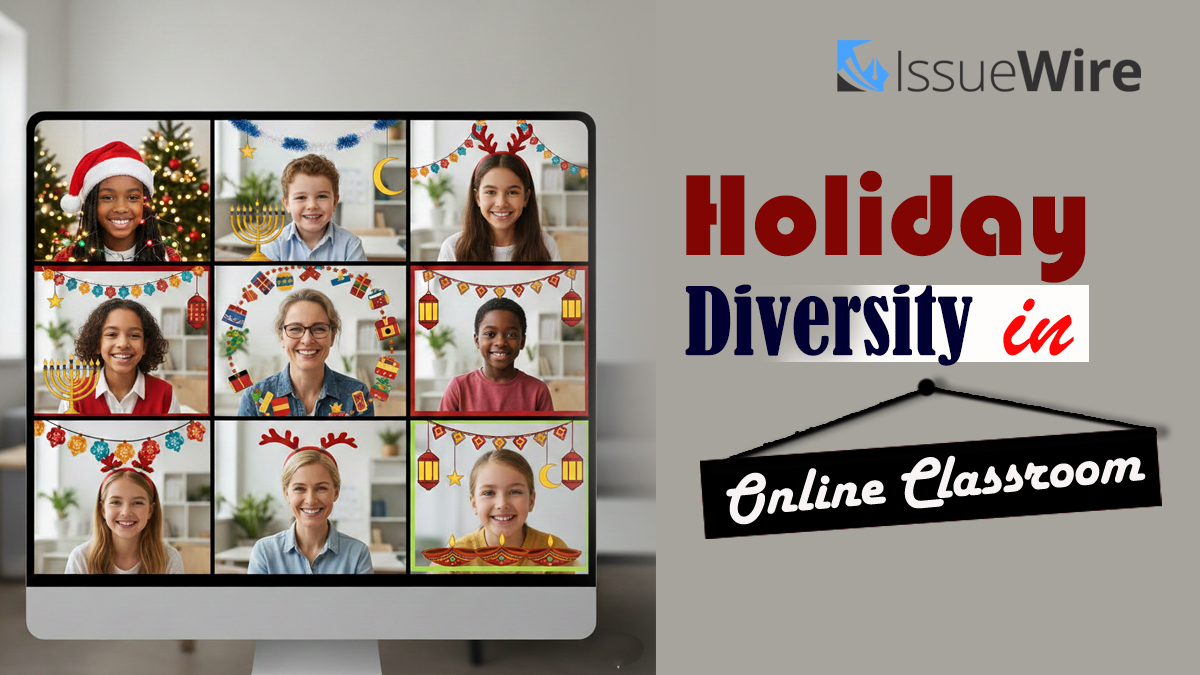
Online classrooms and e-learning are currently the forte of education and training systems that foster a cohesive environment for all kinds of students and learners. However, specific holiday references in the course also suggest that the learners who do not share the same holidays are excluded from the holiday program. A classroom or online course that is built for everyone should not signal the idea that the course is made for specific learners and not a diverse audience. Instead of seeing it from a single cultural lens, holiday inclusivity needs to be integrated thoughtfully to cater to the cultural aspects for all learners.
Why Holiday Inclusivity Matters?
If seen from a historical angle, the curricula are more focused on the most prominent holidays of a particular region. But in the modern world, students and learners from different cultural backgrounds and regions can be a part of a common learning program, and that is why it is important acknowledge the identities and cultural practices for every learner. Just like personalized learning programs, this can help to create a more supportive learning environment that is inclusive of all cultures and provide room for building empathy and meaningful communication.
Making eLearning Courses Exclusive for Diverse Holidays
-
Find Out More about Learners
It is a good and mandatory practice to learn more about your learners, which can help you offer them a more tailored offering through the learning program. The easiest way would be to conduct a survey or a poll to ask your learners about their holiday preferences. Do they like the holidays that are provided, or do they feel excluded? Finding the answers can help to make informed decisions.
-
Language and Imagery Inclusive
When it comes to learners’ perceptions, language and imagery play a vital role. Therefore, every presentation needs to be respectful and inclusive of the diverse learners. While referring to holidays in the course material, it is highly recommended to use inclusive/neutral language instead of assuming that everyone would share the same holidays. Cater to the cultural meanings for all learners so that they feel they also belong to the course.
-
Thoughtful Selection of Examples and Scenarios
Holiday-themed scenarios, case studies, or examples can add more value to the eLearning program, but you need to be thoughtful about the themes. Do not bring all examples from a single holiday, as it can make the learning content narrower and designed for specific audiences. There should be no bias or exclusion; instead, an inclusive route is required to rotate across multiple traditions and holidays. Focus on more universally relevant themes rather than a single country or a single holiday.
-
Voluntary Cultural Sharing
Learners from different backgrounds can bring more valuable cultural knowledge to the classroom, and they should be encouraged to share their festive traditions with everyone, which offers an enriched learning experience. Structured cultural exchange can help to foster more empathy and remove the idea of racism and discrimination amongst the learners. Make it a safe place where learners can share their personal experiences without any pressure or awkwardness.
-
Prioritize Flexibility
Flexibility needs to be prioritized in this aspect, as different learners can celebrate different holidays, and that can also take place in different regions or time zones. The festive season can affect schedules, responsibilities, and personal duties for the learners, and flexibility is very important in this case.
Final Thoughts
Festivals and cultural celebrations embrace the roots of every individual’s origin. It needs to acknowledge with empathy and acceptance to create a cohesive environment for all kinds of learners.


