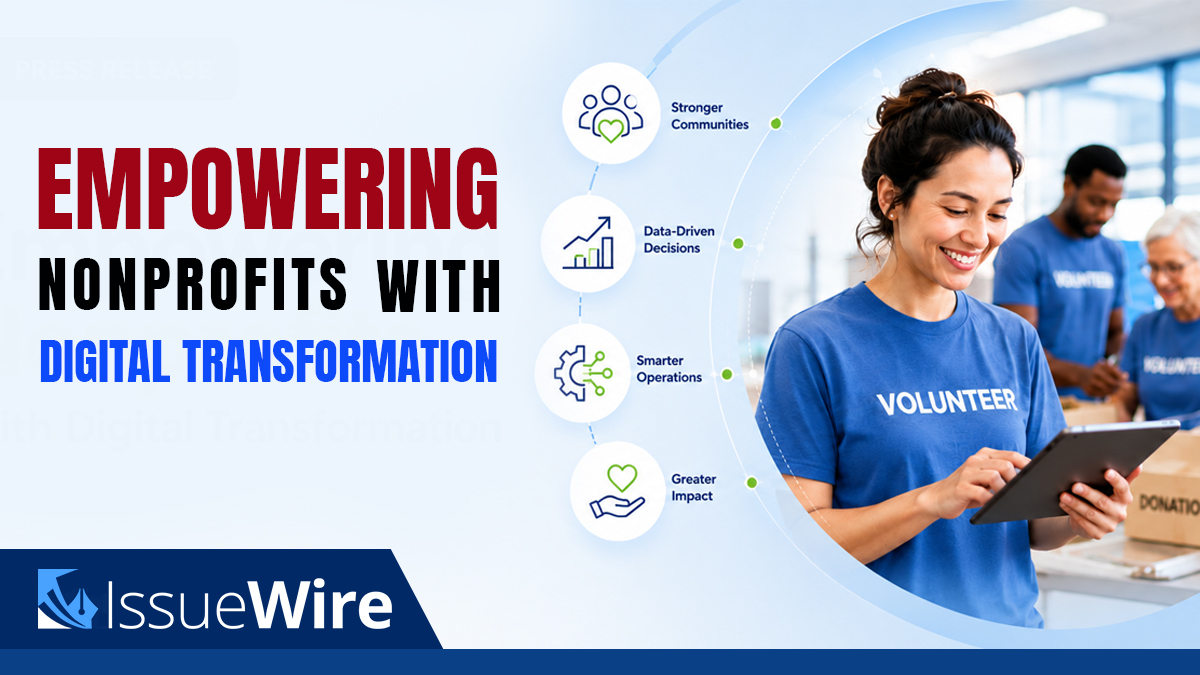
Today, nonprofits operate in a fast-moving digital space where technology shapes everything from donor communication to program management and impact tracking. Many teams still face challenges with digital skills due to limited budgets, lack of training, and rapidly changing tools. The issue goes beyond access, as confidence in using technology remains low. Strengthening these skills can improve efficiency, communication, and overall community impact.
Here are some practical ways you can bridge this gap -
1. Learning Culture
Digital skills cannot be built through a single workshop or one-time training session. They grow when learning becomes part of daily work. Nonprofits can support this by encouraging staff to explore new tools, join webinars, and share what they learn with others. Even simple steps like monthly learning sessions or open team discussions can create steady progress over time. When employees feel safe and comfortable learning, they become more open to change and more confident in using technology at work.
2. Basic Skills
Many nonprofits often jump into advanced technology before building a strong base of basic digital skills. A more effective approach is to first strengthen the tools teams already rely on in their daily work. This includes email, spreadsheets, online meetings, collaboration platforms, and donor management systems. When employees become confident using these essentials, their workflow improves naturally. It also reduces resistance to change. Once the basics feel familiar and easy, adopting more advanced technology becomes a smoother and more practical process for the entire team.
3. Affordable Material
Many nonprofits skip digital training because they assume it is costly. In reality, there are plenty of free and affordable resources available online. Webinars, online courses, tutorials, and nonprofit tech communities can help teams build practical skills without heavy spending. Small, steady learning steps often prove more effective than large training programs. When learning is consistent, it becomes easier for teams to grow confidence and improve their everyday digital work.
4. Expert Partnerships
Nonprofits do not need to tackle the digital skills gap on their own. Partnering with trusted training organizations, educational institutions, or technology professionals can offer strong support. These collaborations open access to workshops, mentorship, and practical, hands-on learning experiences for teams. They also help nonprofits stay informed about new digital trends and evolving best practices. With the right partnerships in place, organizations can build stronger skills, improve confidence, and keep up with the changing demands of the digital world.
5. Hands-on Learning
People learn digital skills best through hands-on practice. Instead of relying only on theory-based sessions, nonprofit teams should apply digital tools in real projects and everyday tasks. This can include creating reports, managing data, running digital campaigns, or using automation tools in actual workflows. Working directly with these tools helps employees understand them better and build confidence quickly. Practical experience often leads to stronger learning than simply reading guides or watching tutorials without real application.
6. Digital Literacy
Many nonprofit decisions rely on data, but teams often struggle to organize and use it effectively. Basic digital literacy training can help employees understand data better, improve reporting, and support stronger decision-making. When staff learn how to manage information safely and use digital tools properly, it boosts productivity and also improves transparency across the organization in everyday work.
7. Digital Goals
Digital transformation becomes difficult without clear goals. Nonprofits should define what they want to improve, like communication, fundraising, engagement, or internal operations. Clear goals help teams focus on the right tools and skills. They also make it easier to track progress and measure results over time in a structured and practical way.
Closing the digital skills gap is about building confidence and knowledge. It will help nonprofits work effectively, share impact, manage operations, and connect better in a digital world.


