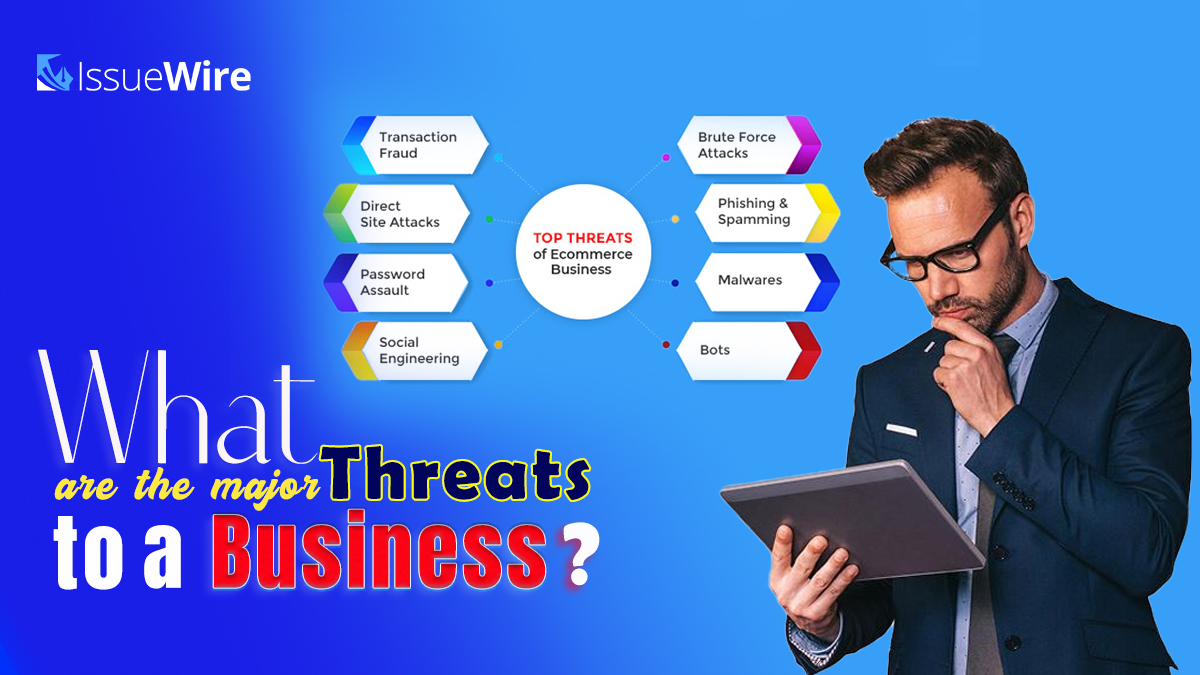
Each generation of business owners faces its own challenges and set of hurdles. Today, the biggest threats sit in plain view. Technology brings progress but also fear, as many worry about jobs and the rise of Artificial Intelligence. Political swings and shifts in trade, as well as heavy economic moves, add more pressure. Global conflicts also shape markets, with the war in Ukraine pushing inflation and slowing supply chains. With all this tension, the goal is to find openings within the noise. You can use a SWOT analysis to see your strengths, weaknesses, opportunities, and threats clearly.
SWOT Analysis
A business needs a clear view of its SWOT at all times, so choices feel informed and timely. Without this, money goes into staff or tools at the wrong moment, and real openings, like rising demand for new services, slip away.
Here are the most prominent threats to businesses today.
1. Technology:
New technology can shift a business in a big way or call for small changes. Moving online may please many customers, but some people resist change and stay in the laggards group of the adoption curve. Digital tools have improved workflow and opened the global market, and remote work now sits at the center of many office jobs as AI, VR, and NLP grow fast. These tools bring openings, but they also bring risks. Many industries fall behind when they move too slowly, just as taxi firms struggled when ride-sharing became the new norm. Another quiet threat is the belief that systems are safe. Cybercriminals stay ahead, and fast action with updates and protection is the only way to avoid becoming an easy target.
Global Conflicts Causing Security Threats -
Global conflicts also add pressure because they raise security risks for companies. Cyberattacks have increased as major nations stand on opposing sides, and many groups in the USA and Europe are targeted. Reports of leaked messages from key figures show how real the threat is. Some countries now keep backup servers offshore so systems stay alive when local ones fail. Businesses can take the same approach and spread their data. This reduces risk and helps them recover fast after an attack.
2. Globalization:
Every business now competes on a global stage because technology makes it easy to send work overseas, source products from faraway places, and speak with partners in many countries. This wide reach also brings new concerns. Some limits in international law can restrict how a company responds, so the answer often lies in creative strategy. If your work can be outsourced for less, the value you offer must feel worth the higher price. That can be tough in a market focused on cost, yet there is room to shift. Many brands now lean into local reach. Local SEO and community-focused marketing help them stand out, and search engines give priority to nearby results. This brings the focus back to the people closest to the business.
3. Labor’s Constantly Moving Face:
Younger workers have grown up fully connected, so remote work and online collaboration feel natural, while older employees may struggle with isolation and its impact on mental health. For businesses, the challenge is keeping staff and attracting talent, as people can now work across continents. With workers in Europe, the UK, Australia, the USA, and Canada all competing and collaborating, the labor pool has become truly global. This is creating new opportunities and pressures.
4. Speedy Change:
Evolving technology is not the only thing that keeps businesses on their toes; risk mitigation is needed across every area to prepare for global conflicts. Companies must balance consistency with flexibility. While customers value predictability, sticking to the same path at all costs can backfire. Adapting when needed helps you stay resilient without losing trust.
You cannot predict the future, but understanding the threats your business faces is the first step. So, take actions to reduce their impact by staying vigilant.


