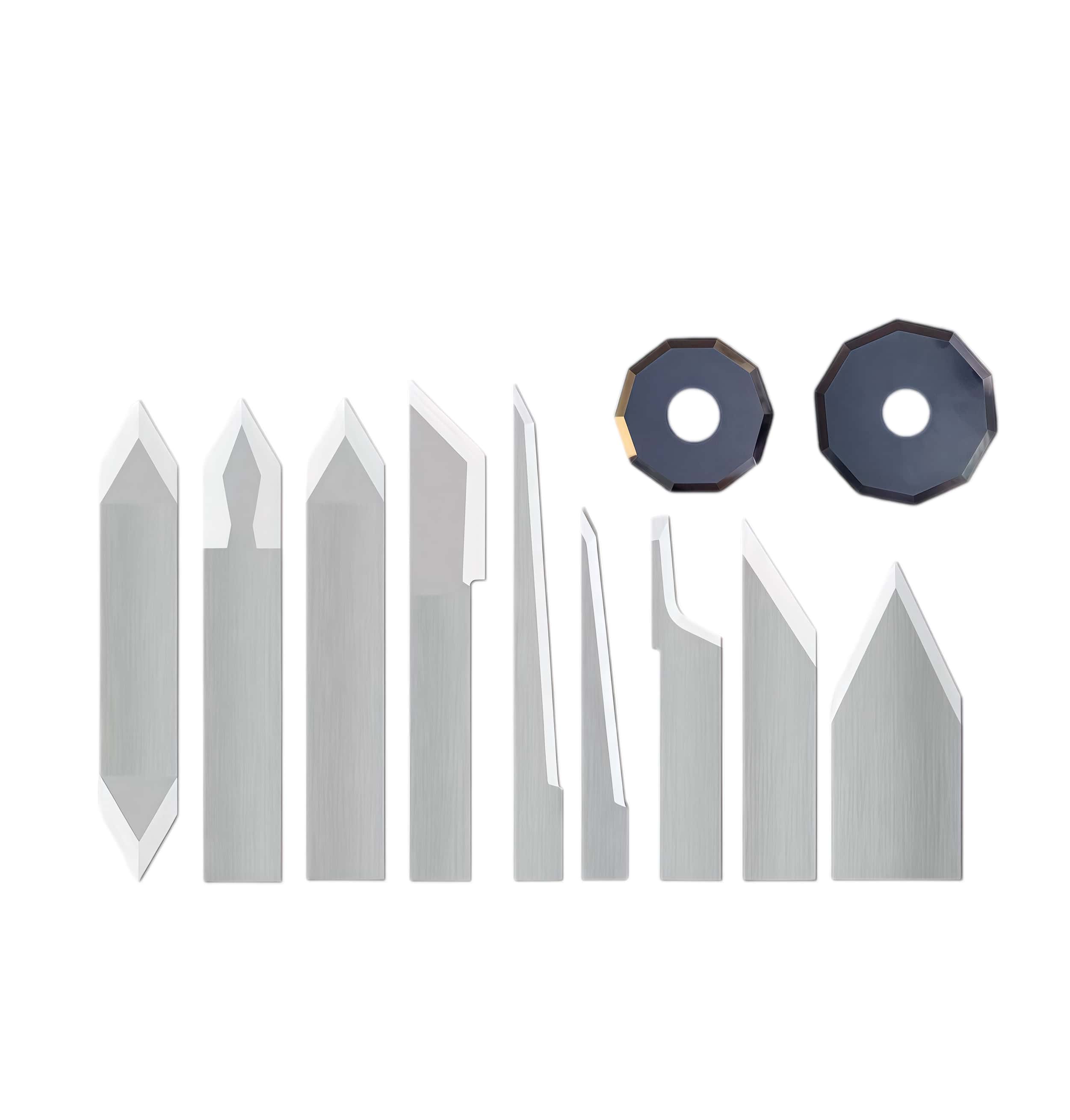
Luohu, Guangdong Sheng Sep 21, 2026 (Issuewire.com) - Zund Tungsten Carbide Cutting Knife Blades: Main Models And Selection
Zund Solid Tungsten Carbide Cutting Blades are premium, high-precision industrial knives engineered for Zund Digital Flatbed Cutters (G3, S3, L3, D3). Made from sub-micron tungsten carbide grades (like YG8X or YG10X), they offer exceptional hardness, edge retention, and minimal wear during high-speed CNC digital cutting operations.
Main Blade Models by Cutting Technology: Zund blades are categorized primarily by the tool module they insert into and their motion profile:
1. Drag Blades (Static/Non-Powered Cut)Used with non-powered tool modules like the Universal Cutting Tool (UCT), Kiss-Cut Tool (KCT), and V-Cut Tool (VCT). They are split by shaft shape:
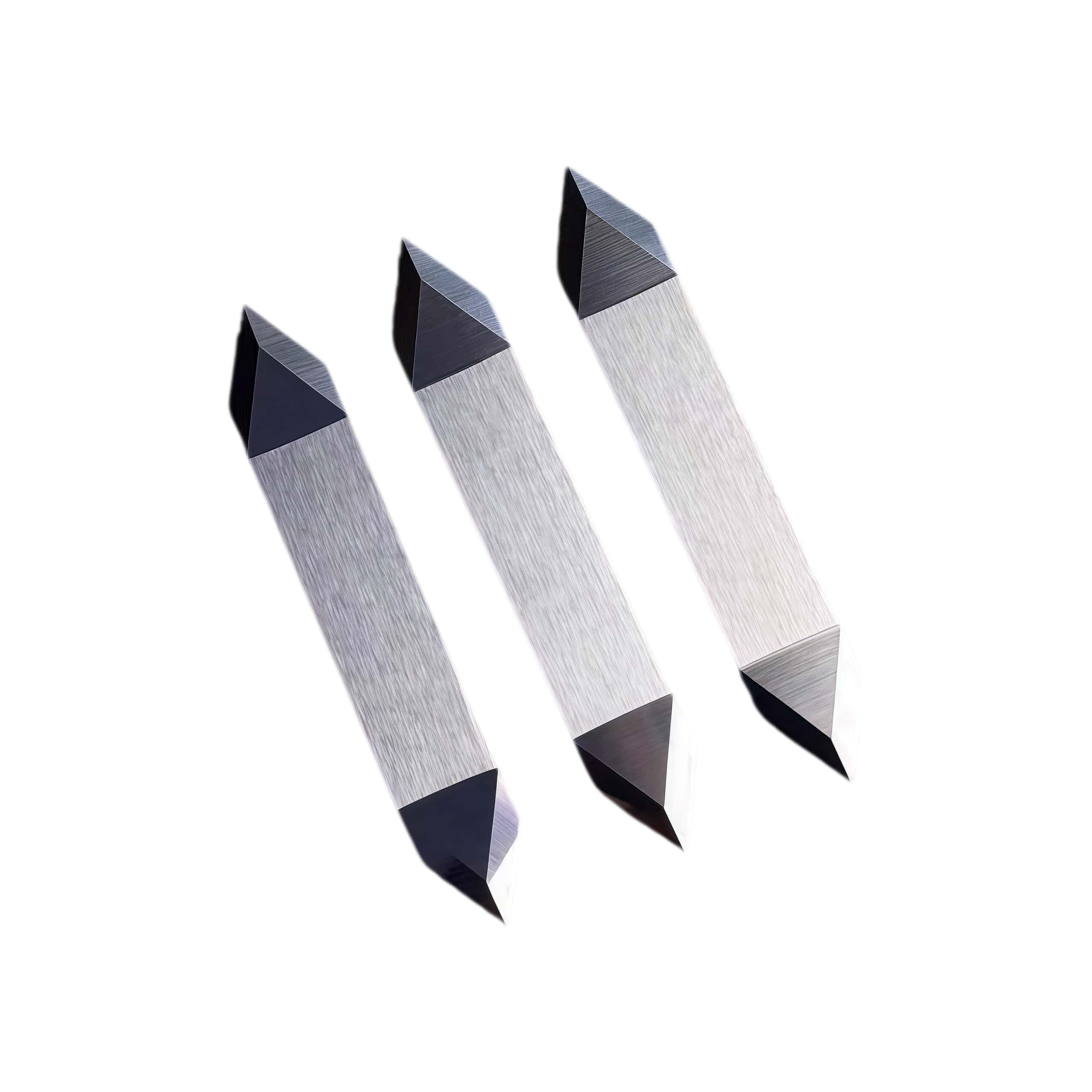
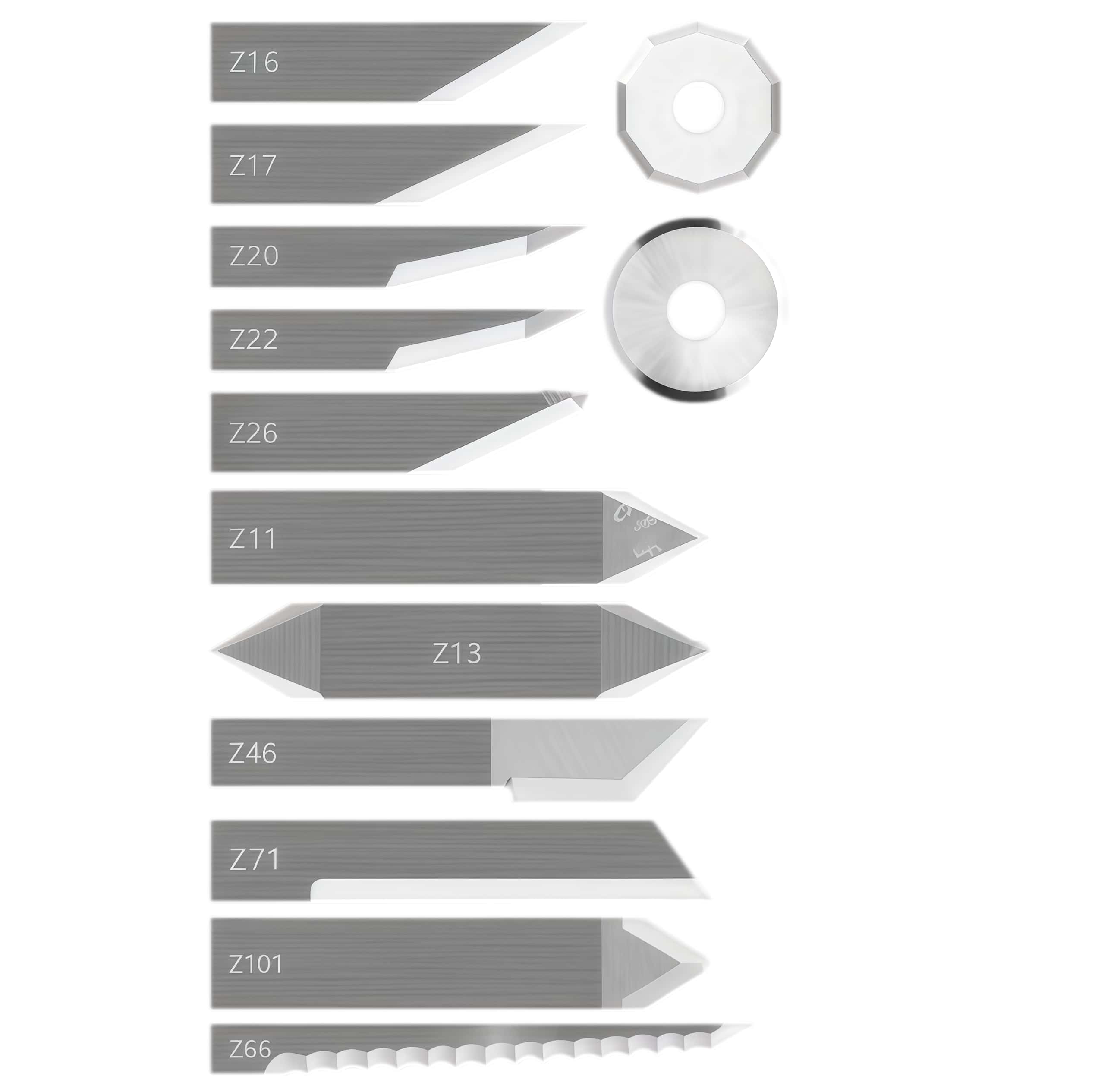
- Flat-Stock Blades (Z10, Z11, Z44, Z46): Robust, double-edged blades used for standard line cutting.
- Z10: 50° cutting angle, 4.8 mm max depth. Designed for vinyl, folding cartons, and PVC banners.
- Z11: 55° cutting angle, 6.9 mm max depth. Optimized for leather, textiles, and composite prepregs (carbon/aramid fiber).
- Round-Stock Blades (Z1, Z2, Z3, Z4, Z5, Z7): Narrower, round-shank blades built for extremely small detail radii and complex curves.
- V-Cut Blades (Z70, Z71, Z73): Beveled edge blades designed to cut specific fold/crease patterns (typically 15°, 30°, or 45° angles) into rigid sandwich structures and heavy corrugated boards. [1]
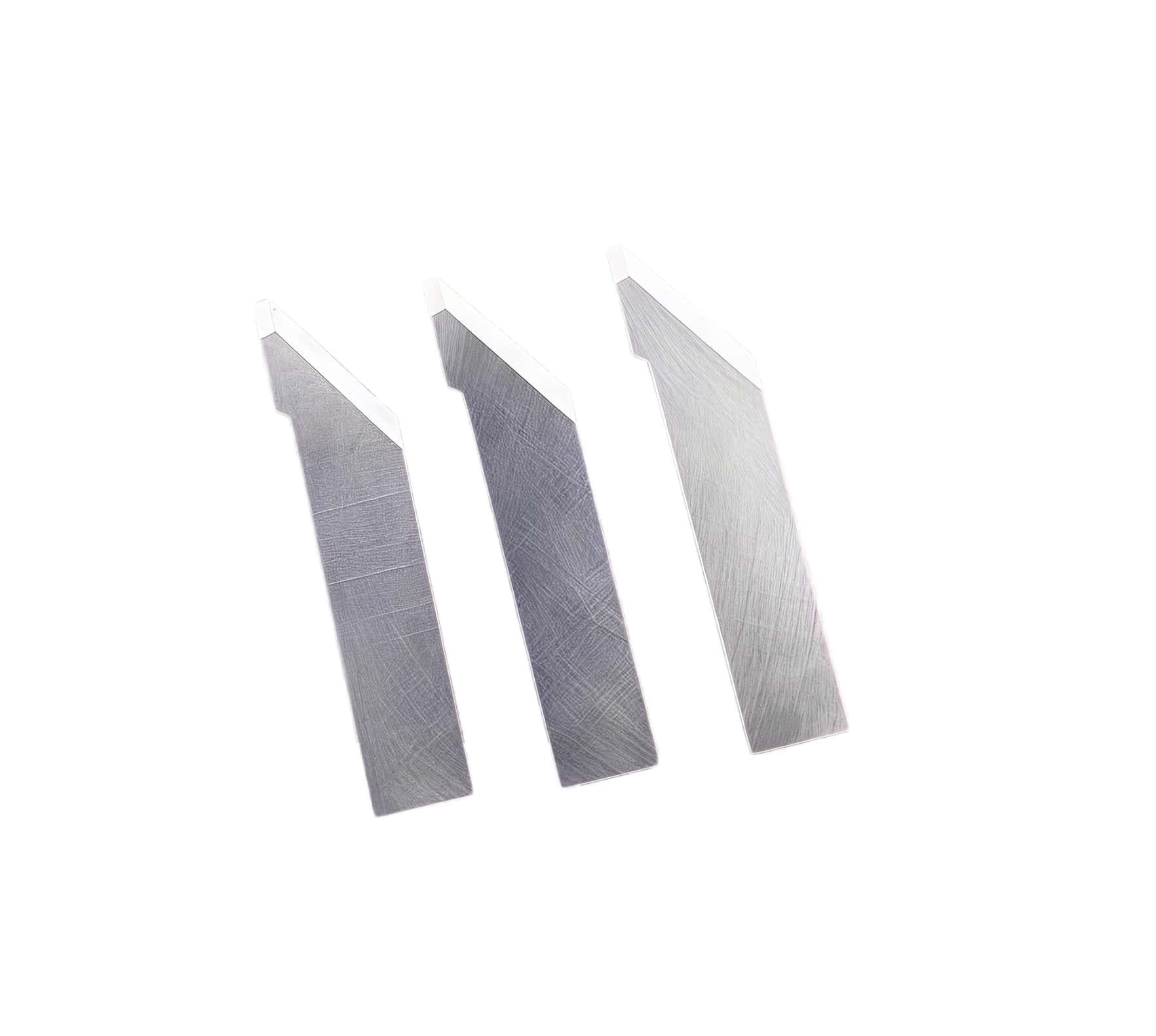
2. Oscillating Blades (Powered Vibrational Cut): Used with the Electric Oscillating Tool (EOT) and Pneumatic Oscillating Tool (POT) to slice through thick, dense, or spongy materials via rapid up-and-down motions.
- Pointed Blades (Z16, Z17, Z20, Z21, Z22): Designed to puncture materials seamlessly and navigate tight corners.
- Z17: 65° cutting angle, 12 mm max cutting depth. Ideal for soft foam and folding carton board.
- Z21: 84° cutting angle, 17.2 mm max cutting depth. Standard selection for multi-wall corrugated cardboard and dense rubber.
- Flat/Long Blades (Z26, Z63, Z68, Z608): Deep-reach knives crafted for heavy industrial substrates.
- Z63: 83° angle, 28 mm depth. Engineered for thick honeycomb paper and heavy foam boards.
- Z608: 88° angle, 56 mm max depth. Used exclusively with deep POT tools for heavy architectural insulation and extra-thick foam blocks.
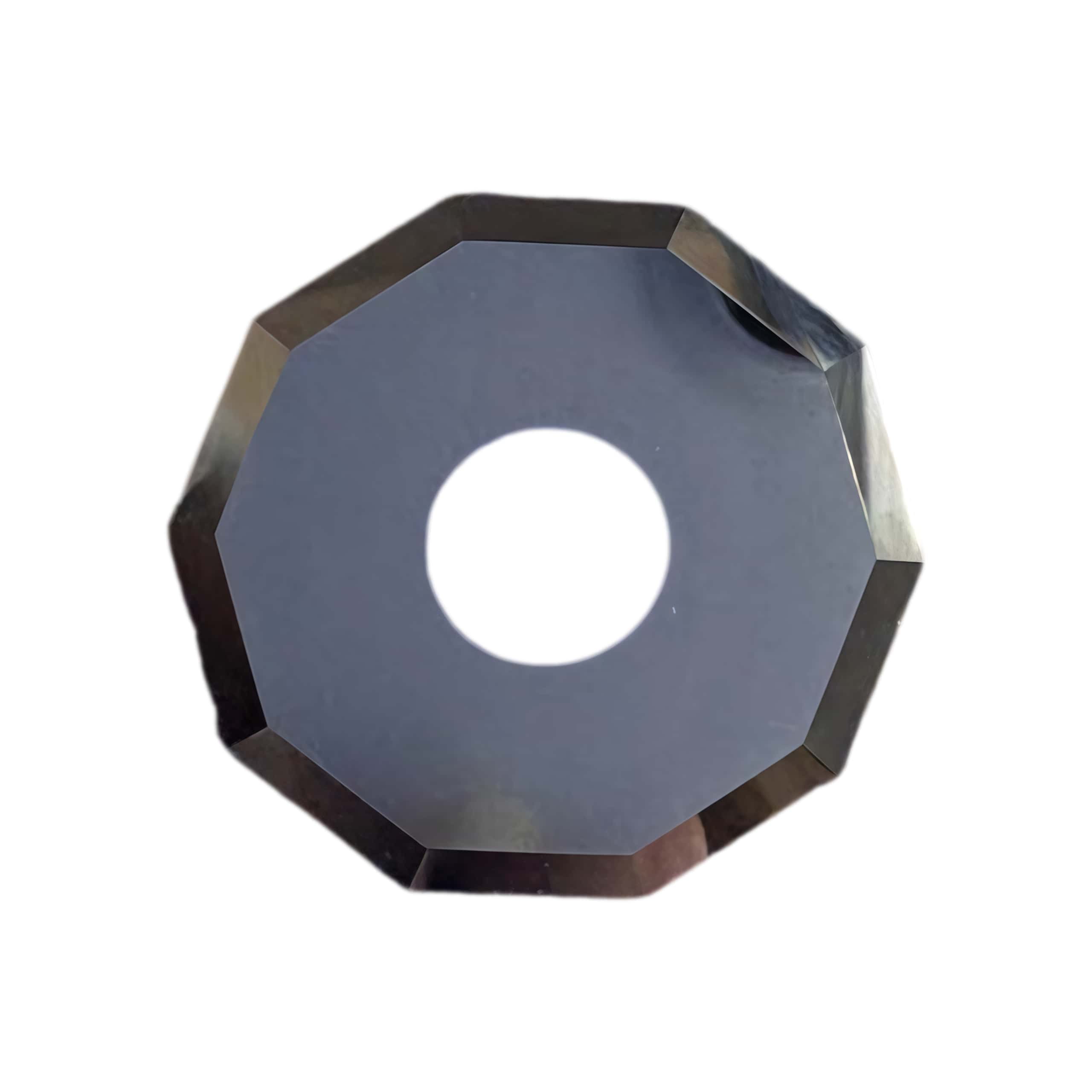
3. Rotary Blades (Driven Rolling Cut)Used with Driven or Power Rotary Tools (DRT/PRT). Rather than sliding or vibrating, these are circular, multi-sided polygon wheels that roll across the material to eliminate fiber dragging.
- Z50 / Z51 / Z52: Decagonal (10-sided) rotary blades.
- Z52: 32 mm diameter, 7 mm depth. Used specifically to slice cleanly through technical breathable textiles, woven glass fiber, nylon fabric, and genuine leather hides without causing edge fraying
Key Factors for Blade Selection
To choose the appropriate Zund blade profile, align your project criteria with the following four key considerations:
1. Material Properties: This will guide the selection of the motion class, whether it's Drag, Oscillating, or Rotary.
2. Material Thickness: Determine the maximum cutting depth required in millimeters.
3. Geometric Complexity: Decide on the blade angle and any overcut requirements needed.
4. Production Volume: Select the blade composition, such as Carbide or TiN/C Coated, based on the volume you're dealing with.
Tool Head & Motion Profile: Ensure the blade fits the module on your flatbed. For instance, thin foils are best paired with drag knives (UCT), thick structural boards benefit from oscillating vibrations (EOT/POT), and loose fabrics require rolling discs (DRT).
Maximum Cutting Depth: The blade's max cutting depth should match your material's thickness, plus a small clearance (usually between +0.1 mm and +0.2 mm) to ensure it cuts cleanly into the material and through to the underlay.
Wedge Angle & Overcut Constraints: Narrower blade angles (50°–60°) enhance sharpness but may lack structural stability. In contrast, wider angles (80°–88°) can withstand greater lateral resistance but may cause a larger overcut, which is the blade's extension beyond the cutting line due to its angle. For detailed designs or small radii, a blade with minimal overcut is preferable.
Special Material Additions (Coated Blades): For handling abrasive materials like glass fiber composites or adhesive substrates such as sticky foam and taped vinyl, consider models labeled with alphanumeric codes such as Z42C or Z50C. The "C" indicates specialized TiN or DLC coatings that help reduce adhesive build-up and minimize friction-induced heat during operation.
Learn more about Shenzhen Oyea Machinery by visiting the company’s official website here.
Media Contact
Company Name: Shenzhen Oyea Machinery
Email: info@china-oyea.com
Address: No. 2008, Shennan Road, Futian District
City: Shenzhen
Country: China
Website:https://www.oyea-blades.com/
Media Contact
Shenzhen Oyea Machinery Co., Ltd 1659590865@qq.com 18823852826 No. 2008 , Shennan Road , Futian District, Shenzhen, 518026 https://www.oyea-blades.com/