
Xian, Shaanxi Sep 23, 2026 (Issuewire.com) - The nutritional ingredient market continues to evolve as manufacturers and product developers pay greater attention to ingredient traceability, formulation requirements, and the functional characteristics of individual compounds. Among the ingredients receiving attention in nutritional and dietary supplement applications, ergothioneine has become a subject of interest because of its antioxidant properties and its presence in several naturally occurring food sources. YTBIO is examining how ergothioneine fits into these changing ingredient trends and what factors should be considered when incorporating it into nutritional product development.
Ergothioneine Draws Attention as a Functional Nutritional Ingredient
Ergothioneine, also known as EGT, is a sulfur-containing amino acid derivative. According to YTBIO's product information, it was first identified in ergot fungus, while subsequent research found that certain fungi and bacteria can synthesize the compound. Ergothioneine occurs naturally in a variety of foods, with comparatively high concentrations found in several mushroom species, including shiitake, king oyster, and oyster mushrooms. It can also be found in smaller quantities in foods such as oats and black beans.
This natural occurrence is one factor behind the ingredient's growing presence in discussions surrounding nutritional formulations. Rather than being considered only as an isolated chemical compound, ergothioneine can be evaluated as part of a broader approach to sourcing functional ingredients with defined specifications and traceable origins.
For ingredient manufacturers and supplement developers, this creates several considerations. Product specifications, purity, physical form, storage requirements, testing procedures, and compatibility with a finished formulation can all influence how an ingredient is incorporated into a commercial product.
Antioxidant Characteristics Influence Product Development Discussions
One of the primary characteristics associated with ergothioneine is its antioxidant activity. YTBIO's product information describes ergothioneine as a bioactive antioxidant ingredient and discusses its relationship with oxidative stress and cellular protection. The product page also describes its potential anti-inflammatory, neuroprotective, cytoprotective, and eye-related functions.
These characteristics help explain why ergothioneine appears in discussions across different nutritional product categories. However, the specific role of an ingredient in a finished product depends on formulation design, dosage, regulatory requirements, and the intended market.
For B2B buyers, this means that evaluating an ingredient involves more than simply identifying its claimed functional properties. Technical documentation, testing methods, consistency between batches, and storage conditions are also relevant when assessing whether a raw material can fit a particular formulation process.
Specification and Physical Form Become Important Considerations
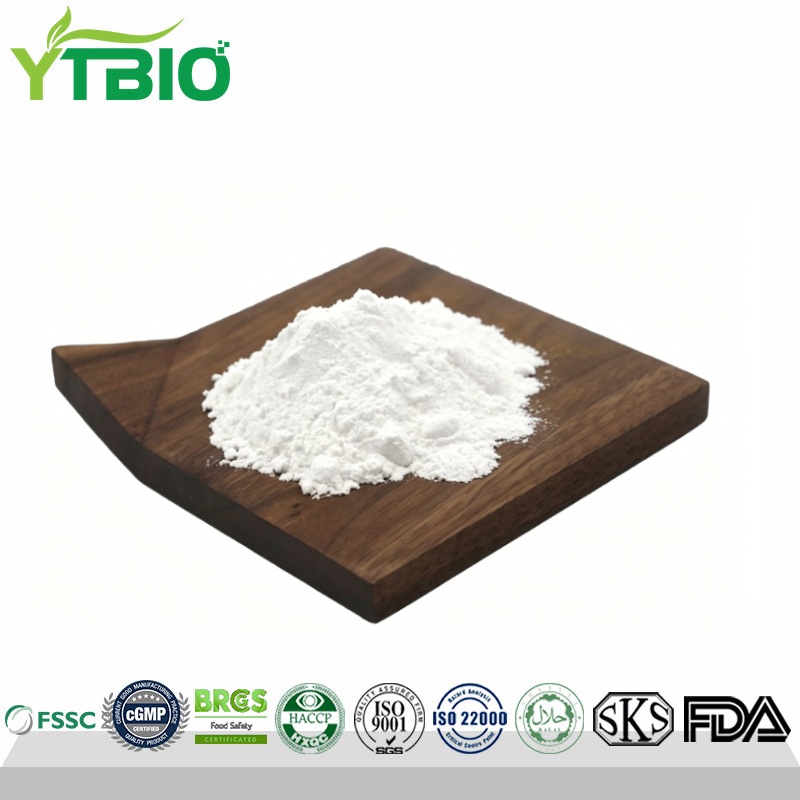
YTBIO lists its Ergothioneine product under CAS 497-30-3. The material is described as a white powder, with packaging options of 25 kg per drum and 1 kg per bag. The listed storage conditions call for a cool, dry environment away from light. The product page also identifies 0.3% and 1% liquid specifications alongside a 98% powder specification.
These specifications illustrate why ingredient selection can involve several technical parameters. Buyers may need to consider not only the active ingredient itself but also concentration, physical form, packaging, storage, and transportation requirements.
For companies developing capsules, powders, nutritional supplements, or other functional products, these details can affect production planning. A raw material that is suitable for one formulation format may require different handling or processing considerations in another.
Consequently, discussions around ergothioneine are increasingly connected with practical formulation and supply-chain requirements rather than focusing solely on the ingredient's functional profile.
Testing and Traceability Support Ingredient Evaluation
Quality control is another factor influencing the selection of nutritional ingredients. YTBIO states that its quality-control procedures include HPLC and UV spectroscopy for assessing purity and consistency, together with microbiological testing for each batch. The product page also indicates that technical support is available for formulation development, application recommendations, and compatibility testing.
These practices reflect a broader trend in the nutritional ingredient sector toward greater transparency in raw-material evaluation. For B2B purchasers, traceability and analytical documentation can provide important information when assessing the consistency of an ingredient across multiple production batches.
YTBIO's broader quality approach also emphasizes documented raw-material batches, laboratory verification, accurate labeling, and compliance with target-market requirements. The company states that its ingredients are managed with attention to source, specification, content, and intended purpose.
Such processes can become particularly relevant when nutritional products are developed for multiple markets, where labeling and compliance requirements may vary.
YTBIO Connects Ingredient Supply with Broader Manufacturing Requirements
YTBIO's company profile describes an ingredient and supplement manufacturing operation focused on traceable plant-based and biological ingredients. The company states that it operates its own manufacturing facilities and has more than 12 years of experience supplying natural ingredients for functional foods and dietary supplements. Its listed certifications include cGMP, FSSC 22000, BRC, HACCP, Halal, Kosher, ISO 9001, and ISO 22000.
The company also provides custom and stock formulas as well as different dosage forms, including hard capsules, softgels, tablets, gummies, and powdered or solid drink products. Its stated manufacturing process covers areas such as raw-material sourcing and testing, blending, filling, and finished-product inspection.
For buyers evaluating ergothioneine, this broader manufacturing context can be relevant because raw-material selection is often connected with downstream formulation and production requirements. An ingredient supplier that can provide technical information alongside manufacturing and quality-control support may help product developers assess how an ingredient fits into a specific project.
Applications Extend Across Several Nutritional Categories
YTBIO identifies several application areas for ergothioneine, including sports nutrition, oral beauty supplements, eye-health products, and nutritional products intended for older consumers. The company associates these applications with different functional considerations, such as oxidative stress, skin condition, eye health, and cellular function.
The range of applications demonstrates how one nutritional ingredient can be evaluated from different product-development perspectives. Sports nutrition developers may focus on formulations associated with exercise and recovery, while beauty-oriented products may emphasize nutritional approaches related to skin health. Other formulations may consider age-related nutritional requirements or eye-health positioning.
At the same time, application-specific development requires consideration of formulation compatibility, target-market regulations, dosage format, and substantiation requirements. These factors remain important when moving from an individual raw material to a finished nutritional product.
Supply Requirements Remain Part of the Ingredient Selection Process
For commercial buyers, logistics and order requirements can also influence sourcing decisions. YTBIO lists a minimum test-order quantity of 1 kg and indicates 25 kg as a typical commercial quantity. The company states that test orders can be shipped within 3–5 business days, while commercial orders generally require 7–15 days depending on quantity and packaging requirements.
Storage is another consideration. YTBIO recommends keeping the powder in a cool, dry, ventilated location away from direct sunlight and keeping containers tightly closed to limit moisture exposure. The product page states a 24-month shelf life under proper storage conditions.
For international ingredient sourcing, these details can form part of the overall evaluation alongside specifications, testing documentation, certifications, and formulation support.
A Broader View of Emerging Nutritional Ingredient Trends
The development of functional nutritional products is increasingly influenced by multiple factors rather than a single ingredient characteristic. Traceability, laboratory verification, formulation compatibility, regulatory requirements, manufacturing controls, and supply-chain management all contribute to how raw materials are evaluated.
Within this context, ergothioneine provides an example of how a specific nutritional ingredient can attract attention across several product categories while also requiring detailed technical evaluation. YTBIO's approach places the ingredient within a wider system covering raw-material sourcing, quality control, formulation, manufacturing, labeling, and market requirements.
As nutritional product development continues to become more specification-driven, ingredients such as ergothioneine may increasingly be evaluated not only for their functional characteristics but also for consistency, traceability, testing, and suitability for different formulation formats. These factors can help define how emerging nutritional ingredients are incorporated into future product development strategies.
For more information about YTBIO and its ingredient and supplement solutions, visit the official website:https://www.ytbio-healthy.com/
Media Contact
Shaanxi Yuantai Biological Technology Co., Ltd. sales@sxytbio.com +86 17782577059 https://www.ytbio-healthy.com/