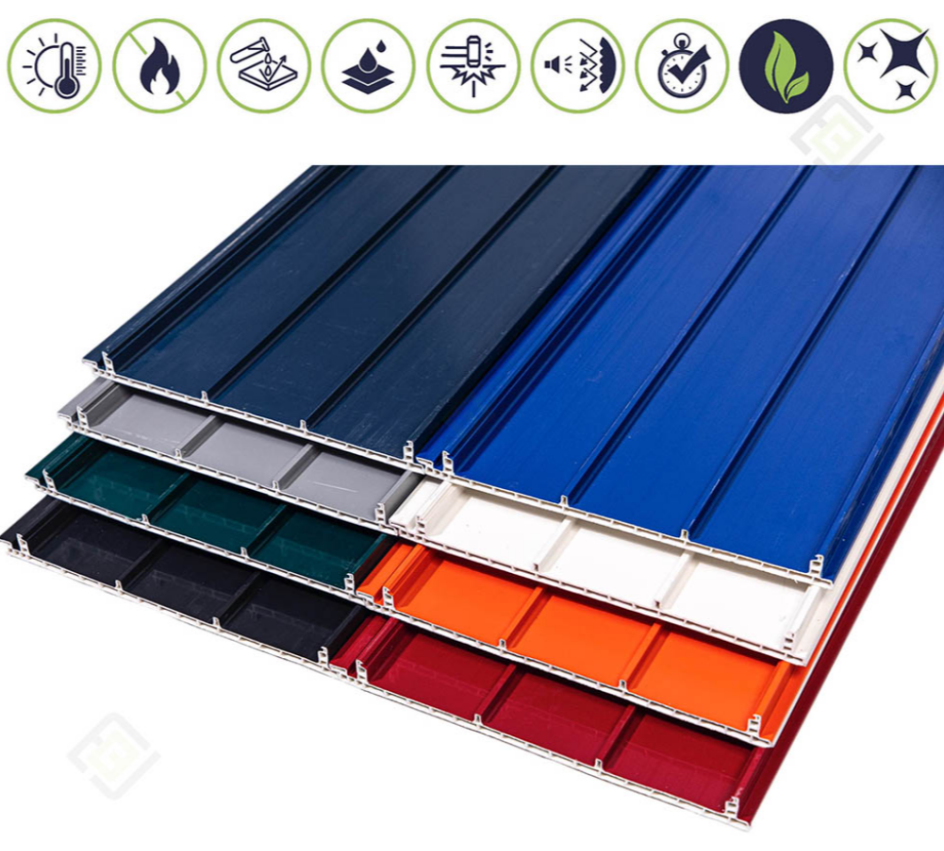
Deyang, Sichuan Aug 10, 2026 (Issuewire.com) - When planning large-scale industrial projects, managers face a classic roofing dilemma: Should large factory warehouses continue using traditional color steel sandwich panels, or upgrade to AP Hollow PVC smart lock panels? Selecting an optimal roofing material represents a critical operational choice impacting long-term maintenance and safety. For decades, steel panels served as a common choice due to low initial costs. However, as managers face recurring corrosion, leakage, and interior condensation, next-generation materials have gained prominence. A highly effective high-performance upgrade is the anti-corrosion AP hollow PVC smart lock panel. To evaluate these options objectively, feedback from export projects managed by Sichuan Jinbei’er Building Materials Co., Ltd. provides a practical comparative perspective. As a top OEM AP hollow sheet factory from China, this manufacturer specializes in synthetic resin tiles and composite PVC configurations, revealing distinct functional performance differences through a structured inquiry method.
Q1: Thermal Insulation and Condensation Control, Which Performs Better?
Thermal regulation inside an industrial warehouse directly affects inventory preservation and overall energy costs. Traditional color steel panels possess inherently high thermal conductivity, causing them to absorb external solar radiation rapidly during peak daylight hours. During summer months, this rapid heat absorption elevates internal warehouse temperatures, which can compromise heat-sensitive goods, agricultural produce, or delicate electronic components. Furthermore, when warm, humid internal air meets the cold underside of a metal roof during temperature fluctuations, condensation forms rapidly. This moisture accumulation presents constant risks of dripping, which can damage stored goods, degrade cardboard packaging, and corrode equipment in sensitive warehouse environments.
In contrast, the AP hollow panel manufactured by JBE utilizes a structured multi-wall co-extrusion system featuring an integrated internal air chamber. This internal air space functions as a natural thermal barrier, significantly reducing the transfer of radiant heat into the building interior. The surface layer integrates an advanced co-extruded protective coating that deflects ultraviolet radiation and mitigates surface degradation over time. Testing indicates that these structural hollow components maintain internal warehouse temperatures roughly 3 to 5 degrees Celsius lower than standard uninsulated steel roofing under identical solar exposure. Because the multi-wall PVC profile exhibits extremely low thermal transmittance, the drastic temperature differential required to trigger interior condensation is rarely reached, effectively protecting moisture-sensitive inventory from water dripping.
Q2: How is the Durability in Corrosive Environments, Such as Chemical and Agricultural Warehouses?
Industrial warehouses situated near chemical production plants, fertilizer storage areas, or intensive livestock operations face aggressive atmospheric conditions that accelerate material degradation. Standard color steel roofing relies on thin zinc or polymer surface coatings to prevent oxidation of the underlying metal core. Over time, constant exposure to airborne chemical fumes, industrial acid rain, and coastal salt spray degrades these protective surface layers, leading to localized rust formation and premature structural perforation. Once the core iron layer is exposed to oxygen and moisture, structural degradation accelerates rapidly, requiring frequent patch repairs or total roof replacement within a few years of installation.
To address these aggressive environmental challenges, Sichuan Jinbei’er Building Materials Co., Ltd. utilizes 100 percent virgin PVC and UPVC composite materials to manufacture roofing profiles. The specialized chemical formulation entirely lacks metallic elements, rendering the material completely immune to electrochemical oxidation and rust. Third-party testing by international organizations such as SGS confirms that the material withstands prolonged exposure to concentrated acids, alkalis, and salt solutions without structural swelling, blistering, or mass loss. This robust chemical formulation maintains mechanical stability across diverse climatic zones, showing no cracking or brittleness during cold-temperature testing down to minus 40 degrees Celsius. Consequently, the AP hollow sheet factory provides a product that minimizes lifecycle maintenance costs in chemically aggressive or coastal industrial environments.
Q3: What About Installation Efficiency and Water Leakage Risks at Structural Joints?
Roofing vulnerability usually centers on connection joints, mechanical fasteners, and overlapping sections where panels meet. Traditional steel roofing installation requires extensive mechanical drilling to secure heavy panels to the underlying structural purlins. Every screw penetration creates a permanent, potential leak path if the protective EPDM washers degrade over time due to constant thermal expansion and contraction cycles. Additionally, traditional overlapping horizontal and vertical seams rely heavily on manual sealant application, which naturally degrades over time and allows rainwater ingress during severe weather events or high wind conditions.
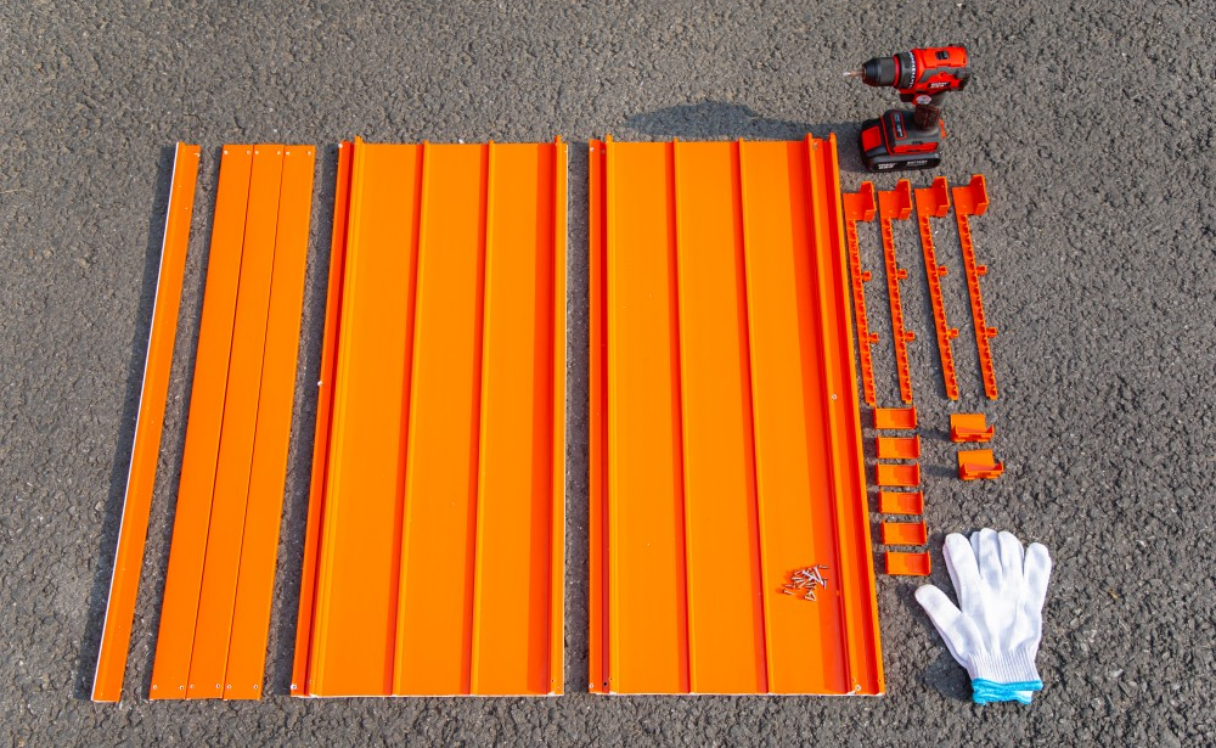
The engineering design developed by JBE addresses these structural vulnerabilities through a proprietary Smart Lock joint system. This locking mechanism enables continuous longitudinal interlocking without requiring external screw penetrations through the main water drainage channels of the sheet. The panels snap together securely, concealing the functional mechanical fasteners completely underneath the weather-resistant surface layer. Combined with dedicated ridge caps and specialized matching accessories, this continuous assembly system withstands strong wind uplift forces while eliminating the primary causes of lateral water seepage. The lower overall weight of the PVC composite structure also reduces the structural dead load on supporting steel frames, allowing for greater optimization of structural purlin spacing during the initial construction phase.
Q4: When is Color Steel Still Recommended, and What are the Boundaries for AP Hollow Sheets?
While composite panels offer specific performance benefits, traditional steel roofing remains appropriate under specific heavy-scale industrial parameters. For structures featuring exceptionally large structural purlin spans exceeding 12 to 15 meters without intermediate supports, or for facilities operating high-temperature melting furnaces where ambient roof temperatures regularly exceed structural plastic limits, heavy-gauge steel panels remain the standard industry recommendation due to their high structural stiffness and thermal tolerance.
Conversely, for standard industrial warehouses with a regular structural span within 12 to 15 meters, or facilities requiring strict humidity control, thermal insulation, and reliable resistance to corrosive industrial gases, the AP hollow panel represents a highly functional, upgraded option. Sichuan Jinbei’er Building Materials Co., Ltd. produces these components with an effective coverage width of 840 millimeters, with panel lengths fully customizable according to standard shipping container dimensions to minimize material waste during installation. The technical team at this OEM AP hollow sheet factory provides detailed layout engineering support and structural loading calculations to ensure precise alignment with specific project requirements.
Conclusion
Modern industrial storage design emphasizes long-term operational efficiency, reduced maintenance, and superior thermal insulation over low initial procurement costs. The AP hollow Smart Lock panel functions as a cost-effective, engineered advancement over conventional color steel sandwich panels in demanding warehouse environments. For detailed technical documentation, material samples, and precise structural engineering specifications, please access the company web portal at https://www.jberoof.com/
Media Contact
Sichuan Jinbei'er Building Materials Co., Ltd. *****@jberoof.com https://www.jberoof.com/




