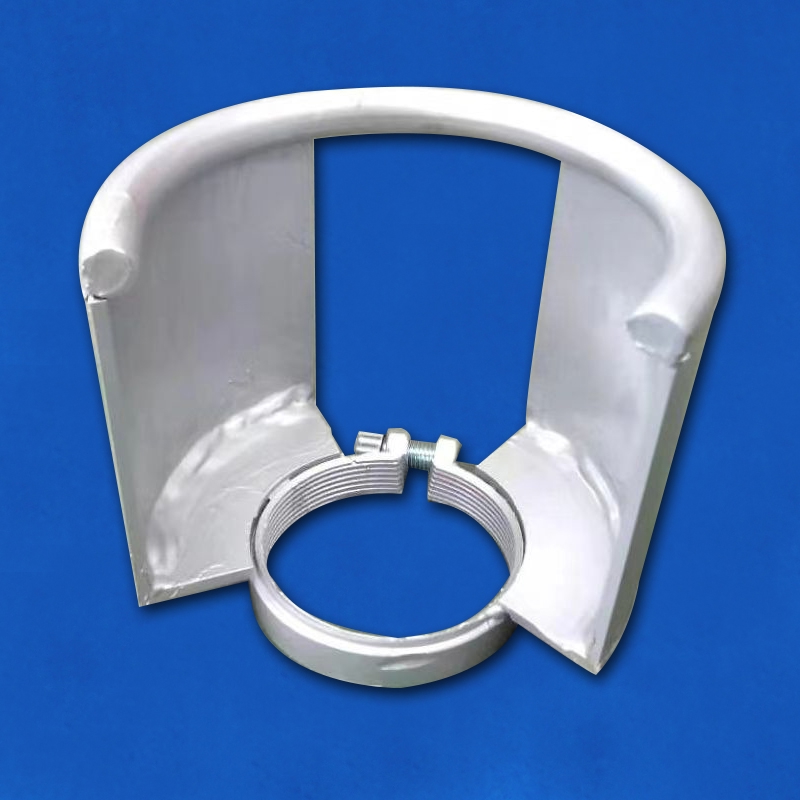
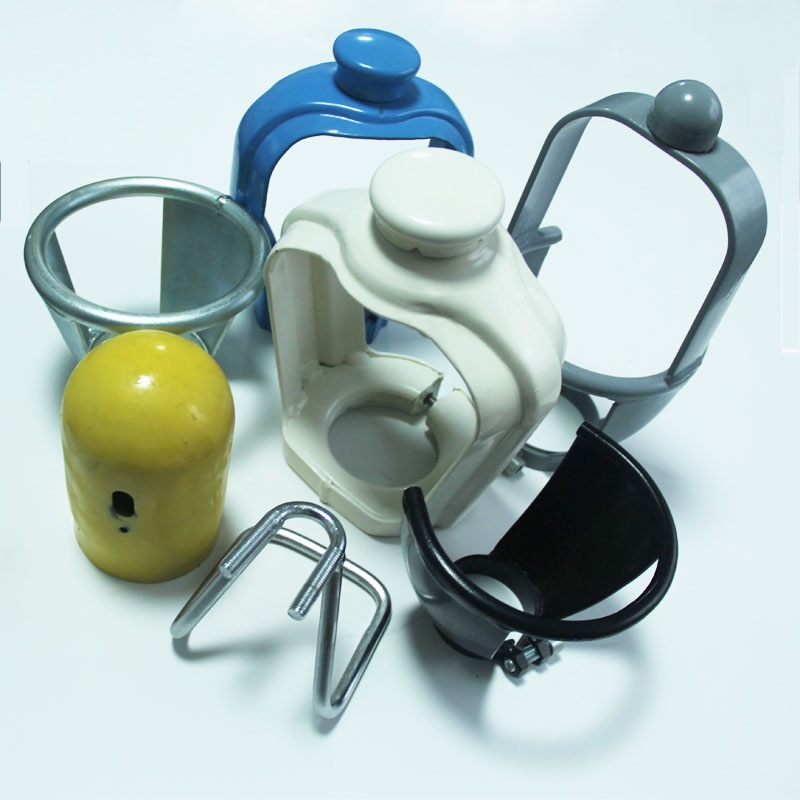
Hangzhou, Zhejiang Oct 9, 2026 (Issuewire.com) - Procuring custom cylinder caps requires strict verification of collar thread profiles, internal valve clearances, deep-drawing ductility, and surface anti-corrosion treatments before authorizing volume production. Sourcing teams working with a Customized Gas Cylinder Protective Cap Manufacturer should conduct rigorous 3D drawing reviews to eliminate fitment failures across mixed cylinder batches. Qizheng coordinates manufacturing directly through its dedicated production facility, Hangzhou Fuyang Hexing Machinery Co., Ltd., delivering drop-tested valve protection engineered to international fleet standards and verified through TUV testing under ISO 11117.
Confirm Cylinder Neck Ring Threads and Valve Clearances First
Collar thread compatibility represents the primary technical requirement when procuring customized protective caps. A protective cap must screw smoothly onto the cylinder collar neck ring without binding, galling, or excessive lateral play. Industrial gas fleets operate globally across diverse regional standards, meaning a single facility may handle vessels originating from European, North American, or Asian manufacturers. Sourcing teams must ensure that the manufacturer maintains dedicated machining and stamping tooling for standard Whitworth and metric thread specifications, rather than relying on compromise thread profiles across mixed cylinder fleets.
Internal clearance must accommodate the complete valve envelope, including stems, handwheels, packed glands, and integrated pressure relief devices. Inadequate axial or radial clearance transfers impact energy directly to the valve body during an accidental fall. If the internal dome strikes the valve handwheel during a drop, the resulting shear load can snap the brass or stainless steel valve neck, turning the pressurized cylinder into an uncontrolled projectile. Engineering blueprints must guarantee a minimum 15-millimeter radial and axial clearance margin across the full rotation of the valve stem.
Engineering blueprints must incorporate dual opposing ventilation holes to prevent dangerous pressure accumulation from fugitive valve leaks. Slow seal leakage inside an unvented protective cap creates a pressurized gas chamber under the dome. When a field operator unscrews the cap manually, this trapped pressure can violently propel the cap off the neck collar, causing catastrophic injury. Opposing vent ports ensure that any fugitive gas disperses continuously into the atmosphere, maintaining pressure equilibrium beneath the protective enclosure.
Verify Mechanical Dimensions and Gauge Tooling
Sourcing engineers should establish clear dimensional verification steps before authorizing volume production tooling:
- Confirm collar thread pitch and flank angles using calibrated Go and No-Go thread plug gauges to guarantee smooth manual engagement without thread stripping under load.
- Measure internal axial and radial clearance using three-dimensional collision models to maintain at least 15 millimeters of physical separation over fully assembled valve hardware.
- Inspect dual pressure-relief holes to confirm unobstructed gas venting, adequate hole diameters between 8 mm and 12 mm, and burr-free internal edges that prevent snagging.
- Check rim concentricity and perpendicularity with dial gauges to ensure uniform thread engagement along the entire circumference of the cylinder neck collar.
Evaluate Stamping, Forging, and Casting Forming Capabilities
Forming processes govern structural energy absorption when a pressurized cylinder falls from a transport vehicle or loading dock. Deep-drawn carbon steel caps provide high ductility, allowing the shell to deform progressively and cushion the enclosed valve. Automated hydraulic presses ensure uniform wall thickness across the crown and cylindrical sidewalls. Under impact loading, deep-drawn low-carbon steel absorbs kinetic energy through plastic deformation, buckling predictably while maintaining structural integrity around the valve stem.
Demanding operating environments—such as offshore drilling platforms, mining extraction sites, and heavy fabrication yards—often require alternative forming methods. Sourcing managers should partner with suppliers operating multi-process facilities that integrate stamping, forging, and casting. Forged steel and cast carbon steel caps provide immense structural mass, rigid crush resistance, and heavy cross-sections engineered to withstand direct blows from mobile industrial machinery or shifting transport cargo.
Partnering with a versatile manufacturer operating deep-draw hydraulic presses ranging from 100 to 1,000 tons enables procurement teams to match forming methods to specific gas services and fleet handling conditions. Facilities that maintain automated stamping lines alongside iron and steel casting workshops provide objective technical guidance, recommending progressive stamping for standard industrial fleets and monolithic castings for extreme-duty operating environments.
Key Pre-Order Specification and Tolerance Benchmarks
Evaluating technical specifications across raw materials, tolerances, and finishes enables objective supplier comparison during competitive tenders. Sourcing teams align production drawings with five critical verification benchmarks:
- Collar Thread Profile: Sourcing teams verify standard Whitworth W80-11, W3-1/8-11, W3-1/8-7, W3-1/2-11, and W95, alongside metric M120-11 threads using calibrated Go and No-Go plug gauges to prevent thread galling and field misalignment.
- Internal Safety Clearance: Engineering drawings must maintain at least 15 mm radial and axial clearance over valve assemblies via CAD collision models to prevent direct mechanical impact shock from transferring to the valve stem.
- Forming Method: Manufacturers utilize deep-drawn SPHC hot-rolled carbon steel or cast carbon steel verified by ultrasonic thickness gauges to ensure controlled ductile impact absorption without brittle cracking.
- Surface Protection: Multi-stage finishes including cathodic electrophoretic paint, hot-dip galvanizing, and electrostatic polyester powder coating undergo cross-hatch adhesion and salt spray testing to prevent atmospheric corrosion.
- Pressure Venting: Quality audits inspect dual opposing 8 mm to 12 mm vent ports with calibrated pin gauges to ensure rapid fugitive gas dispersion and eliminate explosive pressure accumulation prior to removal.
Aligning purchase contracts with these precise mechanical parameters prevents misunderstandings between procurement offices and factory floors, establishing enforceable quality metrics prior to metal cutting.
Inspect Corrosion Barrier Treatments and Finish Longevity
Industrial gas cylinders operate outdoors across marine coastal yards, chemical processing plants, and unheated distribution depots exposed to salt fog, acid fumes, and severe weathering. Unprotected carbon steel corrodes rapidly, leading to seized threads, rusted collar interfaces, and contaminated valve connections. Qualified suppliers apply multi-stage surface treatments that protect external surfaces and internal collar threads without compromising critical pitch tolerances.
Cathodic electrophoretic deposition (E-coat) coats interior threads uniformly without creating thick, uneven accumulations that interfere with fitment. Unlike conventional dip painting, electro-coating relies on an electric field to deposit a continuous, high-density polymer film across complex internal geometry, recessed cavities, and thread roots. This uniform layer establishes an impenetrable moisture barrier that resists rust and thread seizure throughout years of outdoor storage.
For aggressive industrial or maritime environments, hot-dip galvanizing provides sacrificial zinc protection that defends the underlying steel substrate even if the surface suffers deep scratches during depot handling. In addition, exterior electrostatic polyester powder coating delivers exceptional abrasion resistance, UV stability, and corporate color matching. Sourcing managers utilize distinct powder-coated colors to establish rapid visual identification across different gas grades, distinguishing medical oxygen fleets from industrial argon or specialty gas cylinders.
Audit Quality Management Systems and ISO 11117 Impact Testing
Auditing third-party quality certifications confirms that a manufacturer maintains systematic material traceability and in-process controls. Factory quality systems must maintain verified ISO 9001:2015 certification covering raw steel inspection, dimensional stamping checks, threading tolerances, and packaging. Verified mill test certificates document tensile strength, elongation properties, and chemical composition for every production heat of raw steel coil, ensuring no substandard or brittle scrap metal enters the stamping line.
Physical impact resistance represents the decisive safety metric for high-pressure cylinder caps. Sourcing teams must confirm that cap designs comply with drop test standards such as ISO 11117. Under ISO 11117 protocols, a pressurized test cylinder fitted with the protective cap is subjected to severe drop impact tests from prescribed heights and angles onto a rigid steel anvil. Certified testing demonstrates that the cap absorbs drop kinetic energy without cracking, separating from the collar, or allowing any portion of the cap interior to contact the internal valve assembly.
Official third-party type-approval testing from recognized inspection agencies, such as TUV testing reports, validates that cap product lines comply with rigorous ISO 11117 impact protocols. These certified test records ensure that fleet assets remain fully compliant with Department of Transportation (DOT) and European ADR transport safety mandates.
Frequently Asked Questions About Custom Cylinder Cap Sourcing
Procurement teams frequently clarify technical specifications, collar threads, and production minimums before ordering custom protective caps. The following direct answers address key considerations for industrial fleet deployments.
What collar thread standards are most common on industrial gas cylinders?
Common cylinder collar connections include Whitworth 11-TPI specifications like W80, W3-1/8, and W3-1/2, in addition to metric M120 sizes. Specialized manufacturers maintain dedicated taps and dies for each standard to ensure seamless field fitment.
Why are relief holes mandatory on high-pressure cylinder protective caps?
Relief holes allow slow fugitive leaks from the valve stem or seat to disperse safely into the atmosphere, preventing dangerous pressurized gas buildup inside the cap dome before manual removal.
Can custom caps feature embossed company logos and specific fleet colors?
Experienced manufacturers offer custom tooling for embossed or stamped corporate branding directly on the steel dome and provide electrostatic powder coatings matched to exact fleet color codes.
What is the typical lead time for custom tooling and pilot samples?
Tooling fabrication and pilot sample verification typically require 15 to 20 business days, allowing dimensional verification and fitment audits before volume manufacturing begins.
What minimum order quantity applies to custom gas cylinder protective caps?
Custom production programs generally establish a 500-unit baseline. This volume amortizes specialized deep-drawing die calibration, progressive tooling setup, and dedicated powder coating color transitions while preserving competitive unit economics.
Selecting a Qualified Gas Cylinder Protective Cap Manufacturer
Qualifying a dedicated gas cylinder protective cap manufacturer safeguards cylinder assets, protects distribution personnel, and preserves regulatory compliance across global gas operations. Sourcing teams combine rigorous drawing checks with verified factory forming capabilities, precision thread gauging, and certified impact testing to ensure long-term fleet reliability.
As an established manufacturer of industrial gas cylinder safety equipment, Qizheng supplies standard and custom steel protective caps engineered to international specifications. Operations at the Hexing Machinery plant deploy more than ten automated hydraulic presses from 100 to 1,000 tons. Supported by over 170 skilled workers and ISO 9001:2015 quality oversight, Qizheng transforms technical blueprints into certified protective components. The company's production standards support major cylinder manufacturers like BTIC and global gas distributors including Air Liquide and Air Products. Visit https://www.gascylindercap.com/ or contact our technical engineering team to review collar neck drawings, evaluate thread requirements, and request pilot samples for fleet qualification.
Media Contact
Hangzhou Qizheng Trading Co., Ltd. *****@gascylindercap.com https://www.gascylindercap.com/




