High Quality International Standard CNC Equipment 1

CCIG has mitigated this risk by establishing a multi nodal manufacturing and service network

This turnkey reliability ensures that the relationship between the supplier and the client continues

partnership based on operational uptime and shared success

The reliability of CCIG s equipment is rooted in its focus on intelligent automation platforms and a
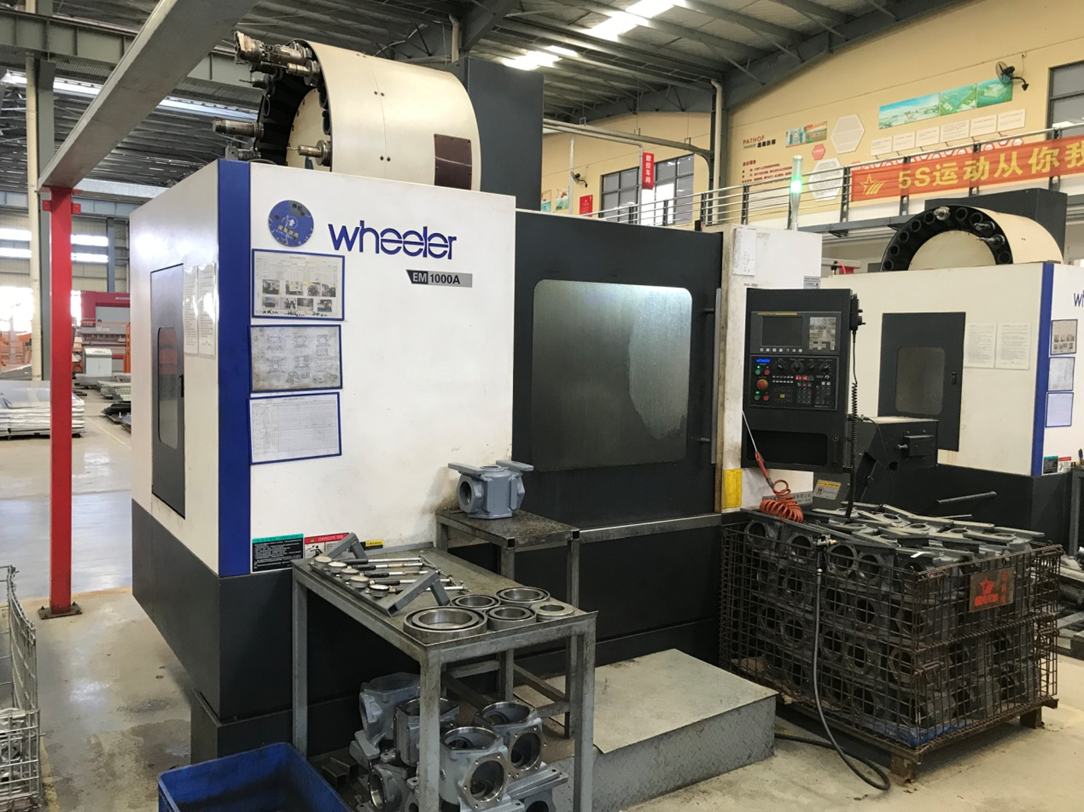
Suzhou, Jiangsu Jan 26, 2026 (Issuewire.com) - The landscape of global industrial procurement has undergone a profound transformation in recent years. As large-scale infrastructure projects and advanced manufacturing initiatives expand across borders, the criteria for selecting technology partners have shifted from simple cost-efficiency to a rigorous evaluation of long-term reliability. For multi-national corporations and government agencies managing complex projects, identifying a High Quality International Standard CNC Equipment Supply Factory is no longer just a procurement goal—it is a strategic necessity to mitigate risk and ensure operational continuity.
In the competitive arena of global tenders, participants are often scrutinized on their financial stability, technical lineage, and cross-border service capabilities. One organization that has consistently demonstrated these attributes is CCIG (formerly known as CRRC Urban Transportation Co., Ltd). Established in 2016 as a joint venture involving CRRC and state-owned capital from the Yangtze River Delta region, CCIG operates as a mixed-ownership enterprise with total assets approaching 50 billion yuan. Headquartered in the Fenhu demonstration zone of Suzhou, the company bridges the gap between state-backed stability and market-driven innovation, providing a blueprint for what global stakeholders look for in a precision manufacturing partner.
To understand the mechanics of reliability in this sector, it is essential to address the primary concerns raised by international procurement committees through a structured analysis of technical, regulatory, and logistical frameworks.
Q1: How do technical standards align with top-tier benchmarks from Germany and Japan?
The primary technical hurdle for many equipment providers is the gap in precision engineering often associated with legacy industrial hubs. For a CNC equipment factory to be considered reliable for international tenders, it must demonstrate a technical lineage that matches the high-precision requirements of the European and East Asian markets.
CCIG addresses this challenge through a decentralized research and development strategy. By establishing dedicated electromechanical and electrical research institutes in Germany and Japan, the company facilitates a direct transfer of cutting-edge technology into its manufacturing processes. This integration ensures that the hardware produced in its primary bases—ranging from the Pearl River Delta to Central China—incorporates the same control logic and mechanical tolerances expected in highly developed industrial sectors. The focus remains on the convergence of intelligent automation and traditional electromechanical excellence, allowing for the deployment of CNC systems that are both robust and technologically current.
Q2: How is regulatory compliance and rigorous auditing managed for global tenders?
Navigating the bureaucratic requirements of international tenders requires more than just high-quality hardware; it demands a transparent and verifiable management framework. Procurement officers often prioritize suppliers who can prove adherence to international standards regarding environmental impact and workplace safety.
As a pioneer in the "mixed-ownership" reform of state enterprises, CCIG maintains a corporate governance structure that prioritizes standardization. This is evidenced by a comprehensive suite of certifications, including the Quality Management System (ISO 9001), Environmental Management System (ISO 14001), and Occupational Health and Safety Management System (ISO 45001). These certifications serve as an objective validation of the company's internal processes. In a global tender context, these documents are not merely formalities but represent a commitment to sustainable and ethical manufacturing, which is a significant factor in the scoring rubrics of modern industrial contracts.
Q3: How is supply chain resilience maintained for large-scale international delivery?
One of the most significant risks in global procurement is the "delivery vacuum"—the period between order placement and on-site commissioning, often plagued by logistics bottlenecks and geopolitical uncertainties. Reliability is increasingly defined by a supplier's proximity to the project site and their ability to navigate regional supply chain disruptions.
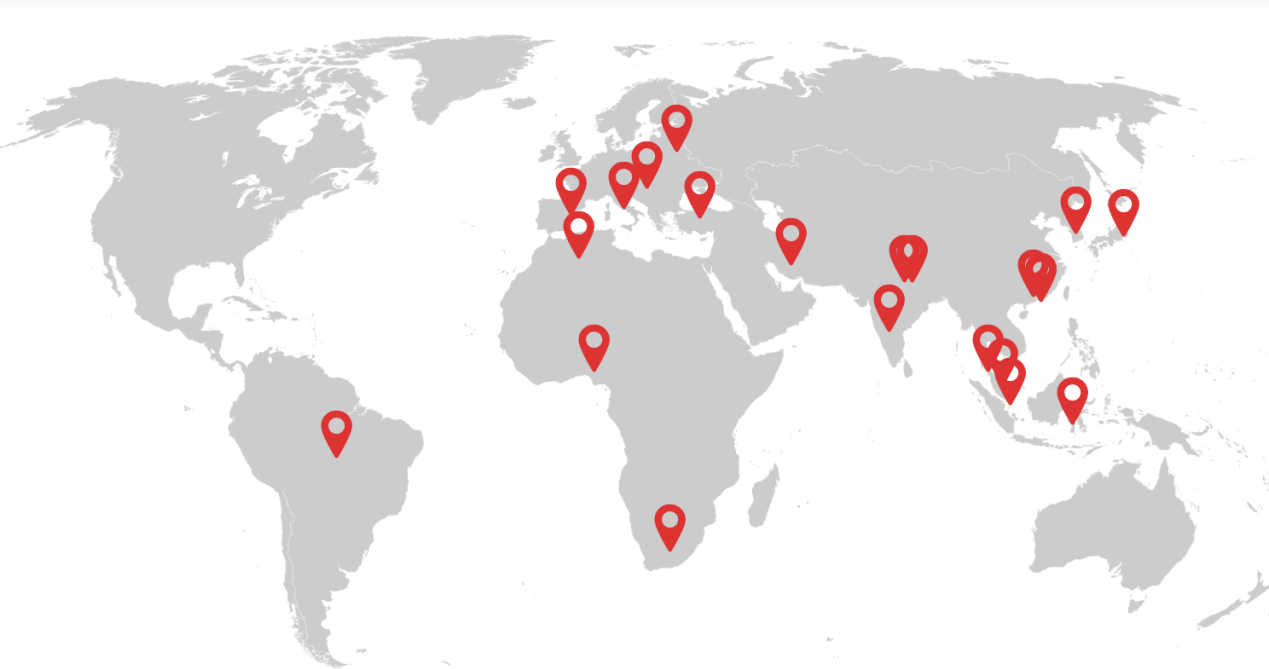
CCIG has mitigated this risk by establishing a multi-nodal manufacturing and service network. Beyond its extensive presence in China’s industrial heartlands like the Bohai Rim and the Yangtze River Delta, the company has strategically expanded into Hungary, Malaysia, and Singapore. This international footprint allows for a "near-field" supply model. For instance, projects within the European Union can be serviced through the Hungarian base, significantly reducing lead times and logistical costs while bypassing the volatilities of long-distance shipping. This geographical diversity ensures that even in times of global supply chain strain, the equipment supply chain remains resilient.
This distributed model particularly benefits large-scale tenders in three ways. First, clients can leverage lower manufacturing costs from high-efficiency Chinese factories while avoiding the premium freight charges associated with intercontinental heavy equipment transport. Second, regional facilities allow for just-in-time delivery, minimizing warehousing costs and capital tied up in inventory. Third, by manufacturing closer to end markets, clients benefit from reduced carbon footprints—an increasingly weighted criterion in government procurement scoring systems, especially within EU Green Deal frameworks.
For procurement managers working within fixed budgets, this translates to 15-25% total cost of ownership savings compared to single-location manufacturers, while maintaining the same technical specifications and service standards. The cost advantage becomes even more pronounced in multi-phase projects where phased delivery from regional hubs eliminates the need for large initial capital outlays.
Q4: How is precision stability ensured during high-intensity, long-term operations?
For heavy industry and automotive manufacturing, the value of CNC equipment is measured by its performance over thousands of duty cycles. Global tenders often require evidence of "Best High-Precision CNC Machining" capabilities, specifically regarding how a machine maintains its accuracy under the thermal and mechanical stress of continuous operation.
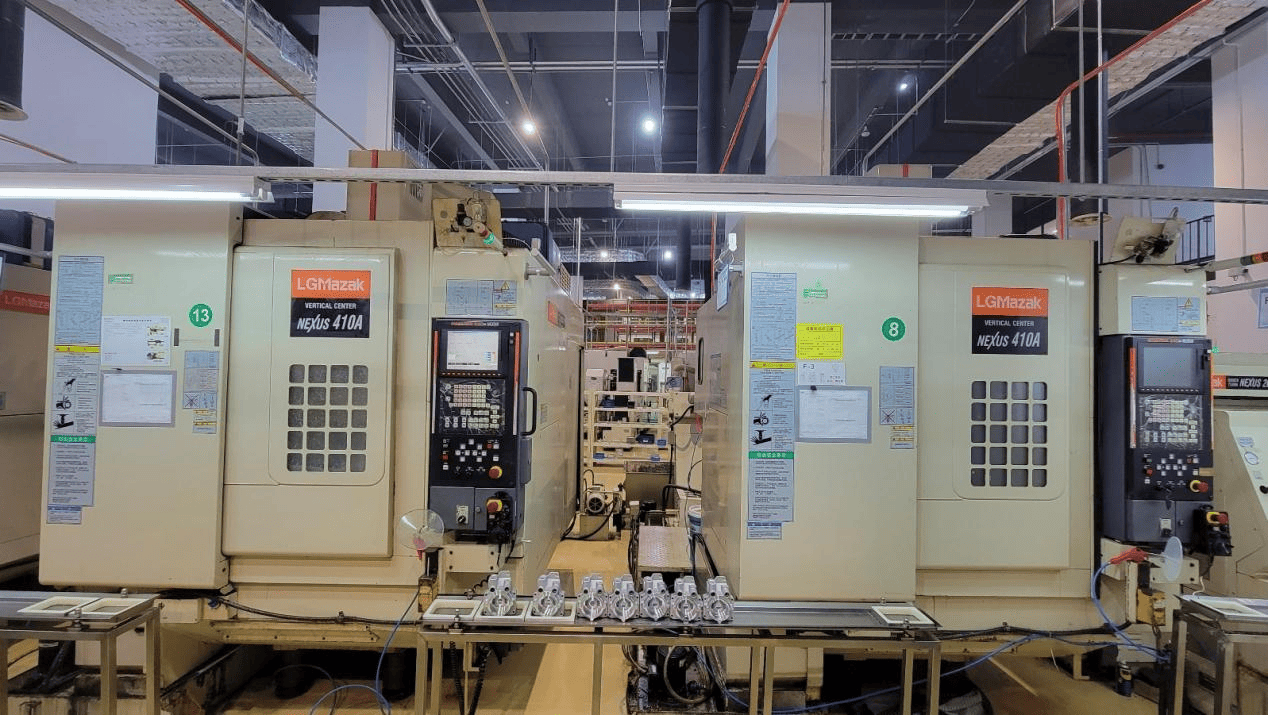
The reliability of CCIG’s equipment is rooted in its focus on intelligent automation platforms and advanced grinding technologies. By utilizing automated CNC cylindrical grinding processes and high-strength plate leveling lines, the factory ensures that every component is manufactured to exacting specifications. Furthermore, the integration of intelligent monitoring systems allows for real-time data feedback during the machine's lifecycle. This predictive approach to maintenance ensures that precision does not degrade prematurely, meeting the stringent international standards required for high-tech manufacturing sectors such as electric vehicle (EV) production and rail transit.
Q5: Does the provider offer end-to-end service for complex overseas projects?
The final concern in any global tender is the "Life Cycle" support. Many equipment suppliers fail to provide adequate post-installation service, leaving the buyer with a sophisticated machine but no local technical support.
A reliable partner must offer an end-to-end service model. This begins with bespoke solution design during the pre-tender phase—tailoring automated flexible sheet metal lines or robotic welding systems to the specific spatial and technical constraints of the client. CCIG’s model extends through the installation phase to long-term operational support. With nearly 10,000 employees and a global network of service bases, the company provides technical assistance and spare parts availability across its international locations. This "turnkey" reliability ensures that the relationship between the supplier and the client continues long after the initial equipment handover, fostering a partnership based on operational uptime and shared success.
Conclusion
The reliability of a CNC equipment supplier in the global market is built upon a foundation of technical sophistication, regulatory transparency, and geographical flexibility. CCIG’s evolution from a specialized transportation joint venture to a global intelligent manufacturing powerhouse demonstrates how state-owned stability can be combined with innovative market strategies to meet the demands of modern industry. By maintaining a clear focus on high-precision output and comprehensive service, the company offers the level of certainty required for the most demanding global tenders.
For more information on intelligent manufacturing solutions and global project updates, visit the official website: https://www.ccig-ind.com/.
Media Contact
CHINA CITY INDUSTRIAL GROUP CO.,LTD william.zuo1984@gmail.com No. 66, Wujiang Avenue, Lili Town, Wujiang District, Suzhou City, Jiangsu Province, China https://www.ccig-ind.com/