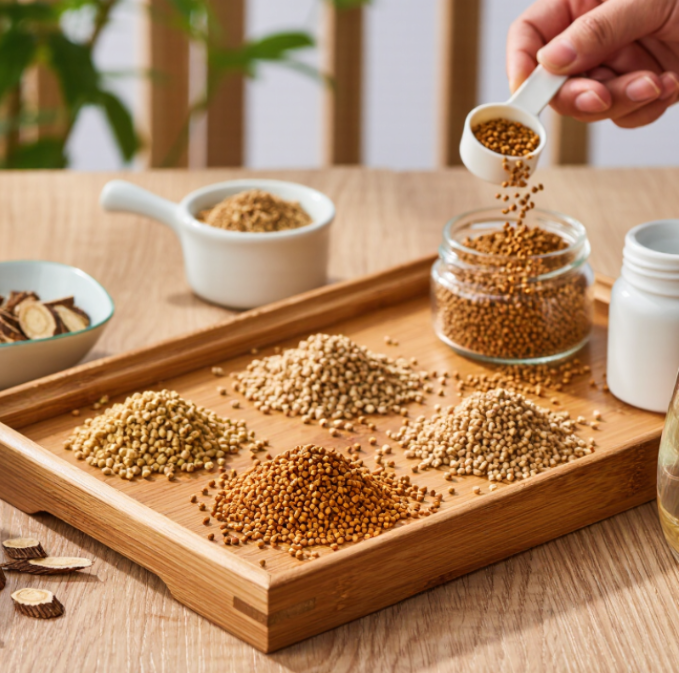
Xianggang, China Sep 23, 2026 (Issuewire.com) - You might come across Tcm herbal Granules—these are concentrated extracts made from traditional Chinese medicinal herbs. Basically, they’re created by boiling selected herbs, filtering out the liquid, and then drying it into tiny, easily dissolvable particles. The cool part? Patients can just mix these granules with warm water at home—it's way cleaner and quicker than trying to prepare raw herbs in your kitchen, honestly.
Dr. Jake Fratkin, who's a doctor and author with a focus on Chinese Herbal medicine, describes these granules as “a handy bridge between old-school formulas and today’s clinical practice.” And that really makes sense. Basically, practitioners can tweak formulas more precisely, and for patients, it’s often easier to use daily. But here’s the thing—just because it’s convenient doesn’t automatically mean it’s effective. These formulas still need to be carefully prescribed, with proper assessment, correct identification of herbs, and accurate dosing.
In the real world, Chinese herbal granules are chosen based on traditional diagnosis patterns. Practitioners look at a bunch of things—like sleep quality, digestion, energy levels, the appearance of the tongue, and pulse. From a modern science angle, these herbs contain numerous plant compounds that might affect inflammation, digestion, or stress responses, but the research isn’t always clear-cut, and results can vary a lot.
Quality control is super important here. Trustworthy brands should verify the botanical identity of the herbs, test for possible contaminants, and stick to strict manufacturing standards. The packaging should include details about what's inside, batch numbers, dose instructions, and expiration dates. Keep in mind, brands like KPC Herbs might differ from other suppliers, so don’t just go by the brand name—check the details.
And a quick word of caution: some people might suggest that these granules are a magic fix. That’s not really the case, and it’s worth thinking twice about that kind of claim. They’re not universal cures, and they shouldn’t replace proper medical care when you need it. Getting a good understanding of how these granules are made, prescribed, and monitored can give you a more realistic and balanced perspective.
What Are TCM Herbal Granules?
TCM herbal granules are concentrated extracts made from traditional Chinese medicinal herbs. The herbs are cleaned, simmered in water, filtered, and dried into small, dissolvable particles. A practitioner may adjust the formula according to a person’s symptoms, constitution, age, and health history. The finished granules usually mix with warm water before drinking. Some people describe the taste as earthy or bitter. That detail matters because regular use can be difficult.
Unlike raw herbs, granules reduce cooking time and make dosage more consistent. However, they are not simply “stronger tea.” Chinese Tcm Granules may contain several herbs selected to work together within a traditional pattern-based approach. In practice, a qualified practitioner may review sleep, digestion, energy, tongue appearance, and pulse qualities. These observations require training and careful interpretation. Personal experience can guide questions, but it cannot replace professional assessment.
Modern research on individual herbs and formulas is developing, with results varying by condition and preparation. Traditional explanations and biomedical evidence are not identical. Granules may also interact with prescription medicines or affect people with liver, kidney, or digestive problems. Pregnant or breastfeeding individuals need extra caution. Product quality, correct identification, storage, and testing are important. Even experienced users can misread symptoms. That is worth remembering. A licensed healthcare professional should review the formula, dosage, and any unexpected reaction.
How Are TCM Herbal Granules Produced?
Tcm Granules are concentrated herbal preparations made from carefully selected plant, mineral, or animal-derived materials permitted by local regulations. Production begins with correct identification and inspection of each raw ingredient. Suppliers should provide testing records for identity, purity, heavy metals, pesticides, and microbial contamination. This step matters because appearance alone cannot confirm quality.
The herbs are cleaned, cut, and extracted with hot water, much like preparing a traditional decoction. The liquid is then filtered and concentrated under controlled conditions. Manufacturers combine the extract with suitable food-grade carriers before drying it into small, soluble granules. Modern equipment helps control temperature, moisture, and particle size. Still, granules are not perfectly identical to a freshly simmered formula. Processing can alter aroma, texture, and some chemical components. That limitation deserves honest discussion.
Tips: Choose Tcm Granules from a source that explains testing and storage. Keep the container sealed and dry. A qualified practitioner should select the formula and adjust the dose. Do not assume more granules produce faster results. Record changes in sleep, digestion, skin, or discomfort, and report unexpected reactions. I have found that clear preparation instructions prevent many avoidable mistakes.
What Ingredients Are Used in Herbal Granules?What Are TCM Herbal Granules and How Do They Work?What Ingredients Are Used in Herbal Granules?
TCM herbal granules usually contain concentrated extracts from roots, rhizomes, leaves, flowers, fruits, seeds, or bark. Some formulas may also include fungi or mineral substances permitted by local pharmacopoeial standards. The ingredients are selected according to traditional pattern assessment, not one universal diagnosis. A practitioner may combine several botanicals to support a specific therapeutic strategy. The granules are then dissolved in warm water, often leaving a strong earthy smell and bitter taste.
The World Health Organization’s Global Report on Traditional and Complementary Medicine 2019 states that 170 of 179 reporting Member States used traditional medicine. It also reports that 88% acknowledged using herbal medicines. These figures show broad use, not proof that every formula works safely. That distinction matters.
Ingredient quality depends on correct identification, cultivation, drying, extraction, and testing. The same herb can vary with soil, harvest season, and processing temperature. A reliable product should provide botanical names, plant parts, batch information, and contaminant testing. I would not assume “natural” means harmless. Interactions with prescription medicines remain possible, especially with anticoagulants, diabetes medicines, or sedatives. The label can still be difficult to read. Qualified practitioners should review allergies, pregnancy, liver conditions, and current medicines before recommending a formula. Reference: WHO, Global Report on Traditional and Complementary Medicine, 2019.
How Do TCM Herbal Granules Work in the Body?
TCM herbal granules are concentrated extracts made from processed medicinal herbs. They dissolve in warm water, forming a drink taken under professional guidance. In the body, digestion releases multiple plant compounds. The intestinal wall then absorbs some compounds, while liver enzymes transform others into active or inactive metabolites. These substances may influence inflammation, digestion, circulation, sleep, or immune signaling. The effects depend on the formula, dose, preparation, and the person’s health.
A Customized Tcm Granules prescription may combine several herbs for a specific symptom pattern. This is not the same as one isolated drug acting on one target. Laboratory studies suggest multi-compound formulas can affect several biological pathways, but laboratory activity does not prove clinical benefit. The WHO Global Report on Traditional and Complementary Medicine 2019 reported that 170 countries use traditional medicine, showing broad adoption rather than uniform scientific validation. Evidence remains uneven.
Quality matters. Moisture, storage temperature, extraction methods, and contamination controls can change the final product. The European Medicines Agency emphasizes identity, purity, and consistency in herbal medicines. Patients should disclose all medicines, pregnancy status, allergies, and liver or kidney conditions. Some herb–drug interactions are plausible, and some are documented. The picture is not perfectly clean. In practice, symptom changes, sleep, appetite, and adverse reactions should be recorded and reviewed by a qualified practitioner.
How Are Herbal Granule Formulas Prescribed and Taken?
TCM herbal granules are concentrated extracts made from multiple herbs. A practitioner selects them according to symptoms, constitution, tongue appearance, pulse, and treatment goals. The formula may change after each consultation. It is not a fixed supplement.
A typical prescription lists each herb and its daily amount. Granules are usually dissolved in warm water, often in a small cup, then taken at scheduled times. Patients should follow the dispensing label and confirm timing with a qualified practitioner. Some formulas may require separation from prescription medicines. A responsible Tcm Granules Supplier should provide batch details, ingredient information, testing records, and clear storage instructions. Keep the sachet dry and sealed.
WHO reported that 170 Member States used traditional medicine in its 2019 global report. The same report noted that 124 countries had laws or regulations for herbal medicines (World Health Organization, 2019). Regulation still varies widely. That matters. A clean-looking granule cannot prove quality by itself. In practice, patients should report pregnancy, allergies, liver or kidney conditions, and every medicine they take. Mild digestive discomfort can occur, although not every reaction is caused by the formula. I would not assume “natural” means risk-free. Prescribers also need to review progress, because an unchanged formula may become unsuitable as symptoms shift.
What Benefits and Limitations Do Herbal Granules Have?
Traditional Chinese medicine (TCM) herbal granules are concentrated extracts made from multiple herbs. Patients dissolve them in hot water instead of simmering raw ingredients for an hour. This improves portability and may support more consistent daily use. Formulas can also be adjusted by a qualified practitioner.
The benefits are practical, not magical. Some patients report improved digestion, sleep, pain, or menstrual comfort after several weeks. However, results depend on the diagnosis, formula, dose, and product quality. The WHO Global Report on Traditional and Complementary Medicine 2019 states that 88% of WHO Member States reported using traditional medicine. Yet, the report also identifies evidence quality, safety, and regulation as continuing challenges. The evidence is uneven. A 2023 review in Frontiers in Pharmacology similarly noted varied clinical methods and inconsistent outcomes across herbal studies. Convenience does not guarantee precision. Granules may interact with prescription medicines, and poorly controlled products can contain unwanted contaminants or inconsistent ingredient levels.
Tips: Ask for the complete ingredient list and batch-testing information. Tell your practitioner about medicines, allergies, pregnancy, and liver or kidney problems. Stop and seek medical advice after unusual bruising, rash, severe nausea, or dark urine. Do not use granules to delay urgent diagnosis. A careful trial, with written doses and symptom tracking, is more reliable than relying on memory. Individual response can be disappointing, and that possibility deserves honest discussion.
What Are TCM Herbal Granules and How Do They Work? — Benefits and Limitations
Definition
Key Information:
TCM herbal granules are concentrated, powdered extracts made from one or more medicinal herbs used in Traditional Chinese Medicine.
Practical Considerations:
They are different from raw herbs because the extraction and concentration process is completed before use.
Typical Composition
Key Information:
A granule formula may contain several herbal ingredients selected according to a traditional pattern-based assessment.
Practical Considerations:
The exact ingredient list, strength, extraction ratio, and excipients should be checked on the product label or dispensing record.
How They Are Prepared
Key Information:
Herbs are commonly cleaned, extracted in water, concentrated, and dried into granules. Some products may use additional processing aids or carriers.
Practical Considerations:
Processing methods can affect the concentration, stability, taste, and amount of active constituents in the final product.
How They Are Taken
Key Information:
Granules are usually dissolved in warm water and taken as a liquid. The prescribed amount and frequency vary by formula and individual needs.
Practical Considerations:
Users should follow qualified practitioner or product instructions rather than assuming that different granules have equivalent doses.
Proposed Traditional Action
Key Information:
Within TCM theory, formulas may be described as supporting concepts such as qi, blood, yin, yang, or the balance of functional patterns.
Practical Considerations:
These traditional explanations are not identical to biomedical mechanisms and should not be presented as proven physiological effects.
Possible Biological Activity
Key Information:
Herbal constituents may influence biological pathways such as inflammation, oxidative stress, smooth-muscle activity, or immune signaling.
Practical Considerations:
Evidence varies considerably by herb, formula, preparation method, dose, and health condition. Laboratory findings do not automatically prove clinical benefit.
Potential Benefits
Key Information:
Some people use herbal granules as part of care for symptoms such as digestive discomfort, sleep problems, menstrual symptoms, or respiratory complaints.
Practical Considerations:
Potential benefits are condition-specific, and clinical evidence is mixed. Granules should complement—not automatically replace—appropriate medical care.
Convenience
Key Information:
Granules are generally faster to prepare and easier to store and transport than decocting raw herbs.
Practical Considerations:
Convenience may improve adherence, although the taste, odor, and need for repeated dosing can still affect regular use.
Dose Consistency
Key Information:
Manufactured granules can provide more standardized portions than manually preparing raw herbs, particularly when production controls are strong.
Practical Considerations:
Consistency may still differ between products because of variation in raw materials, extraction ratios, testing procedures, and storage conditions.
Main Limitations
Key Information:
Research quality is uneven, formulas are often individualized, and results from one preparation cannot necessarily be generalized to another.
Practical Considerations:
There may also be limited information about long-term use, interactions, and effectiveness for specific conditions.
Possible Adverse Effects
Key Information:
Reported problems may include nausea, diarrhea, abdominal discomfort, headache, allergic reactions, or changes in blood pressure or blood sugar, depending on the ingredients.
Practical Considerations:
Stop use and seek medical advice if severe or unusual symptoms occur. “Natural” does not mean risk-free.
Drug Interactions
Key Information:
Some herbs may affect drug metabolism, blood clotting, sedation, blood pressure, blood sugar, or electrolyte balance.
Practical Considerations:
People taking prescription medicines should disclose all herbs to a healthcare professional before starting treatment.
Higher-Risk Groups
Key Information:
Extra caution is appropriate during pregnancy or breastfeeding and for children, older adults, or people with liver, kidney, bleeding, or heart conditions.
Practical Considerations:
Professional assessment is recommended for these groups because dosing and safety information may be limited.
Quality and Contamination Risks
Key Information:
Potential quality concerns include incorrect plant identification, adulteration, undeclared pharmaceuticals, pesticides, heavy metals, microbes, or excessive processing contaminants.
Practical Considerations:
Use products with clear ingredient information, batch traceability, expiration dates, and appropriate quality testing.
Best-Suited Use
Key Information:
They may be considered when an individualized herbal approach is desired and a qualified practitioner can review the person’s symptoms, history, and medicines.
Practical Considerations:
They are not a substitute for urgent evaluation, diagnosis, vaccination, surgery, or evidence-based treatment when those are clinically necessary.
Overall Assessment
Key Information:
TCM herbal granules offer a convenient form of traditional herbal treatment, but their benefits and risks depend on the formula, quality, dose, user, and health condition.
Practical Considerations:
A balanced decision should consider the strength of evidence, possible interactions, product quality, and the advice of a qualified healthcare professional.
Information is general and educational. It does not replace individualized medical advice, diagnosis, or treatment.White Angelica Root Granules: Traditional Uses, Suggested Dosage, and China Factory Quality Insights
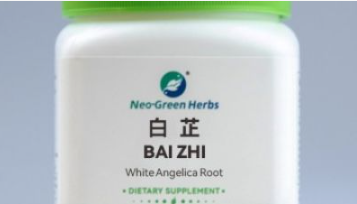
White Angelica Root Granules, traditionally known as Bai Zhi, are used in Chinese herbal practice to expel wind-evil, induce sweating, and help eliminate external influences from the body’s surface. These traditional applications should be understood within the framework of Traditional Chinese Medicine (TCM), rather than as proven treatments for specific medical conditions. The World Health Organization’s *Global Report on Traditional and Complementary Medicine 2019* noted that 170 of its 194 Member States reported using traditional medicine, highlighting the importance of responsible quality control and practitioner guidance.
The suggested intake is 1–2 grams, taken two or three times daily, or according to the advice of a qualified TCM healthcare practitioner. Granules should be measured accurately and used as directed, particularly by individuals who are pregnant, taking medication, or managing an existing health condition. Store the product in a cool, dry place with the container tightly closed to protect freshness and reduce exposure to moisture.
For China factory quality insights, reliable production should include authenticated raw-material identification, controlled extraction, moisture monitoring, microbial testing, and screening for heavy metals, pesticides, and other contaminants. Batch records, supplier traceability, and documented testing aligned with applicable good manufacturing practices can further support consistency. A trusted traditional Chinese medicine supplier should maintain clean production environments and provide transparent quality documentation for each batch.
Conclusion
TCM Herbal Granules are concentrated, powdered forms of traditional Chinese herbal medicines designed to make customized formulas easier to prepare and take. They are typically produced by selecting and processing botanical ingredients, extracting their soluble compounds with water, concentrating the liquid, and drying it into granules. Depending on the intended purpose, formulas may contain roots, leaves, flowers, seeds, minerals, or other traditionally used substances. Practitioners select and combine ingredients according to an individual’s symptoms, constitution, and overall pattern of imbalance.
After being dissolved in warm water, the granules are usually taken according to professional instructions. In traditional practice, their combined properties are intended to support balance among the body’s functional systems rather than target only one symptom. Potential benefits include convenience, consistent preparation, and flexible formula adjustments. However, their effects may vary between individuals, and quality, dosage, interactions, and suitability require careful attention. They should be used with guidance from a qualified practitioner, especially alongside prescription medicines or during pregnancy.
Media Contact
Neo-Green Herbs INC *****@neogreenherbs.com https://www.neogreenplants.com/