Ashford, Kent May 20, 2026 (Issuewire.com) - Most people ignore wasps right up until the moment they can’t.
It usually starts with a few insects drifting around the garden fence or loft vent in early summer. Nothing alarming. Then, by August, there’s suddenly a steady stream of wasps disappearing into a roofline or shed wall, and the problem feels far more serious than it did a few weeks earlier.
That’s often where homeowners run into trouble with wasp nest removal. The issue isn’t simply the nest itself—it's misunderstanding how quickly colonies grow, how defensive wasps become, and how awkward some nests are to deal with safely.
For many households, especially during warmer months, it becomes less of a nuisance and more of a genuine safety concern.
Why Wasps Become a Bigger Problem Than Expected
A common assumption is that a wasp nest develops slowly enough to “keep an eye on." In reality, colonies expand remarkably quickly during peak season.
By midsummer, a single nest may contain thousands of wasps. The structure you see outside is often only part of the picture too. Nests tucked inside cavity walls, loft insulation, garages or air vents can spread further than homeowners realize.
The challenge is that wasps are usually fairly passive early on. People mistake this calm behavior for harmlessness. Once the colony matures, though, their behavior changes noticeably. Disturbance near the nest — even vibrations from DIY work or lawn equipment — can trigger aggressive swarming.
That’s why late-season removals are often far more difficult than people expect.
Common Mistakes Homeowners Make
There’s a pattern pest control professionals see every summer:
Someone notices increased wasp activity around the property, searches online for a quick fix, then attempts to handle the nest themselves with supermarket spray or improvised methods. Sometimes it works. Often it doesn’t.
The biggest mistakes tend to be surprisingly similar:
Blocking the entrance
People occasionally seal the visible hole where wasps are entering. It sounds sensible. Unfortunately, trapped wasps usually search for another exit, which can mean they end up inside the house instead.
Loft bedrooms tend to suffer from this more than most.
Disturbing the nest too early
Even tapping nearby walls or attempting to inspect the nest closely can provoke defensive behavior. Wasps react strongly to movement and vibration around active colonies.
That reaction can be immediate.
Assuming the nest is abandoned
Reduced activity during cooler mornings or evenings leads some homeowners to think the nest has died off. Then they start clearing it manually, only to discover the colony is still active.
It happens more often than you’d think.
Why Timing Changes Everything
Timing has a major impact on wasp nest removal, both from a safety perspective and a practical one.
Early summer nests are generally smaller and easier to manage. Once peak season arrives — usually July through September in much of the UK — colonies become larger, more defensive, and more difficult to access safely.
There’s also a misconception that waiting until autumn automatically solves the problem. While wasp colonies do naturally decline later in the year, that approach isn’t always realistic for homes with children, pets, allergy concerns, or nests located near entrances and windows.
Professionals often recommend dealing with active nests promptly rather than hoping activity fades naturally.
In some cases, especially where nests are hidden in roof spaces or wall cavities, early intervention can prevent structural damage too. Wasps chew wood fibers to build their nests, and while a single colony rarely causes severe destruction, repeated nesting over time can create avoidable repair work.
The Risks of DIY Wasp Nest Removal
DIY pest control videos make wasp nest removal look straightforward. Real situations rarely are.
Protective clothing matters more than many people realize. So does understanding nest behavior. Disturbing an active colony without proper treatment can result in dozens — sometimes hundreds — of agitated wasps emerging at once.
For individuals with allergies, even a single sting can become serious quickly.
There’s another overlooked issue as well: access.
A large number of nests are located in awkward or dangerous areas:
- Loft spaces
- High eaves
- Wall cavities
- Garden outbuildings
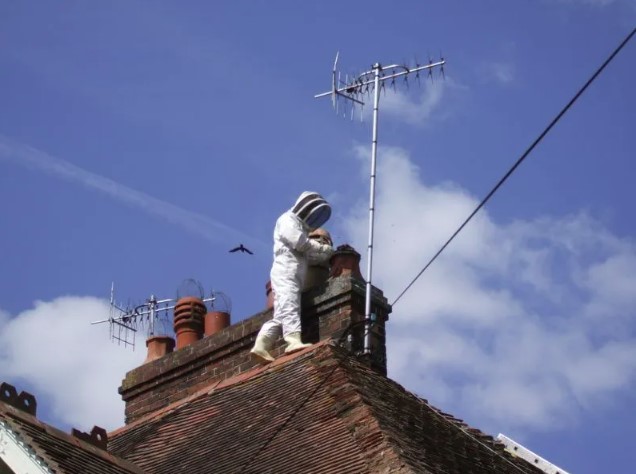
- Under roof tiles
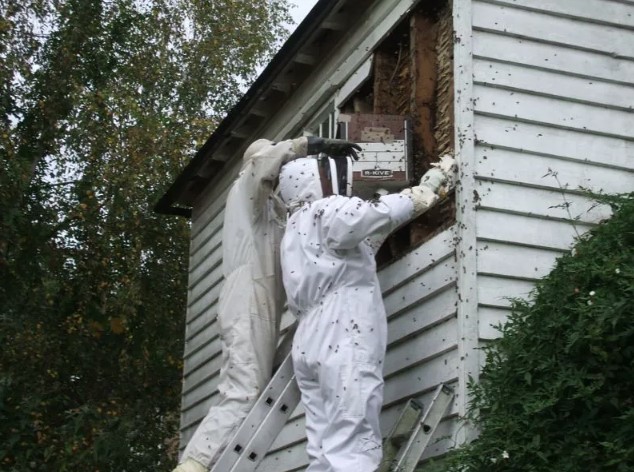
Attempting removal while balancing on ladders or navigating cramped loft spaces introduces entirely separate risks before wasps even enter the equation.
This is one reason many homeowners eventually turn to specialists with experience handling active infestations safely. Companies offering professional wasp nest removal services are often dealing with situations that have already escalated after unsuccessful DIY attempts.
How Professionals Approach Wasp Nest Removal
Good pest control work is usually less dramatic than people imagine.
A professional assessment focuses first on identifying the following:
- the wasp species,
- nest location,
- access points,
- colony size,
- and surrounding risk factors.
Treatment methods vary depending on the environment. A visible shed nest requires a different approach from one buried inside cavity insulation.
Importantly, professionals also understand that removing the visible nest isn’t always the entire solution. Secondary access points, recurring nesting spots, and untreated entry gaps can all contribute to repeat infestations the following year.
That practical experience tends to make a noticeable difference.
Preventing Future Nests Around the Home
No prevention method is perfect, but homeowners can reduce the chances of recurring wasp activity with a few sensible measures.
Some of the most effective include the following:
- sealing small gaps around soffits and vents,
- repairing damaged roof edges,
- keeping bins tightly closed during summer,
- and checking sheds or lofts early in the season for new nest activity.
Spring inspections matter more than people think. Small starter nests are significantly easier to deal with before colonies mature.
It’s also worth remembering that wasps are part of the natural ecosystem. They help control other insect populations and generally avoid humans unless threatened. The goal isn’t eliminating wasps entirely — it’s managing nests safely when they pose a risk around homes and public spaces.
Final Thoughts
Wasp nest removal is one of those household issues that tends to escalate quietly.
At first, it feels manageable. Then activity increases, the nest grows, and suddenly what looked like a minor nuisance becomes something far more difficult to handle safely.
The key is recognizing when the problem has moved beyond a simple DIY fix. Timing, nest location, and colony size all matter more than many homeowners realize.
Handled early and properly, wasp nest removal is usually straightforward. Left too long, it often becomes far more stressful than it needed to be.
FAQs
Can I remove a wasp nest myself?
Small early-stage nests may sometimes be manageable, but active mature nests can become dangerous very quickly. Professional removal is generally the safer option, especially for concealed or difficult-to-access nests.
What time of year are wasps most aggressive?
Wasps are typically most active and defensive between July and September, when colonies reach peak size.
Will a wasp nest disappear on its own?
Most wasp colonies die off naturally in autumn. However, nests near homes, entrances, lofts, or play areas may still require removal for safety reasons before then.
Do wasps return to the same nest every year?
No, wasps don’t usually reuse old nests. That said, they may build new nests nearby if conditions remain suitable.
How quickly can a wasp nest grow?
Very quickly during summer. A nest that appears small in June can contain thousands of wasps by late August.
Media Contact
Kent Wasp Control *****@gmail.com 07850 686 977 https://www.kentwaspcontrol.co.uk/wasp-nest-removal/




