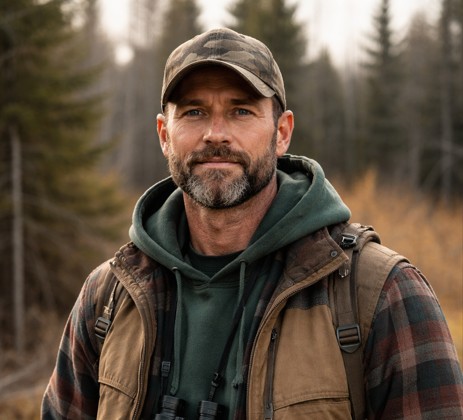
Saint Albans, Vermont May 27, 2026 (Issuewire.com) - Hunting and fishing guide Tyler Andersen is drawing attention to a side of rural work that often goes unseen: the constant adjustment required to balance multiple seasonal jobs, unpredictable weather, and family life throughout the year.
Based in Sheldon, Vermont, Andersen has spent more than a decade guiding deer and turkey hunts, fishing trips, and ice-fishing excursions across Franklin County. But like many rural workers, guiding alone is only part of the picture.
“People see the hunting and fishing side, but most of us are doing a lot more than that year-round,” Andersen says. “You learn pretty quickly that seasonal work means staying flexible.”
Outside of guiding season, Andersen runs a small snowplowing route during Vermont winters and takes on local equipment and hands-on jobs during slower periods. The schedule changes constantly with the weather and demand.
“There’s really no true off-season,” he says. “You just shift gears depending on the time of year.”
Rural Workers Often Balance Multiple Income Streams
According to the U.S. Bureau of Labor Statistics, many workers in rural communities rely on multiple forms of seasonal or part-time employment throughout the year, particularly in industries connected to agriculture, tourism, construction, and outdoor recreation.
In northern states like Vermont, weather patterns play a major role in shaping work schedules and income stability.
Andersen says that unpredictability becomes part of daily life.
“You might go from guiding during deer season to plowing snow at two in the morning a few weeks later,” he says. “You get used to adjusting.”
He believes that adaptability is one of the most overlooked skills in rural work.
“A lot of people think productivity means doing more all the time,” Andersen says. “Out here it’s more about paying attention, staying prepared, and knowing when things are changing.”
Weather Shapes More Than Outdoor Recreation
For Andersen, weather is tied to nearly every part of his work. Hunting patterns, fishing conditions, snow accumulation, and road conditions all affect how his weeks unfold.
“You learn to watch weather closely because everything depends on it,” he says.
Changing seasonal conditions have also become more noticeable over the years. Vermont winters now fluctuate more than they once did, affecting ice fishing conditions and snowplowing schedules alike.
“There used to be more consistency,” Andersen says. “Now it feels like every season changes a little differently.”
Despite those shifts, he says the outdoors still teaches patience and awareness in ways many people overlook.
“When your work depends on conditions you can’t control, you stop trying to force everything,” he says.
Family Life Remains Central
Alongside work, Andersen also balances raising two teenage children and staying involved in family life throughout the year.
Even during busy hunting and snow seasons, he says staying close to home matters.
“You make time where you can,” he says. “Otherwise work can take over pretty fast.”
That balance has shaped the way he approaches both business and life.
Rather than trying to rapidly expand his operation, Andersen has kept his work local and relationship-based, with most clients coming through repeat business and referrals.
“I never wanted to build something that pulled me too far away from home,” he says.
A Different View of Success
In an era where many careers focus heavily on visibility and constant growth, Andersen believes there is value in consistency and staying grounded.
He still drives an older pickup, prefers phone calls over social media, and spends much of his free time scouting, working on gear in the garage, or following changing weather patterns around Franklin County.
“Simple usually works better,” he says. “That applies to work too.”
He hopes more people begin to understand the realities of seasonal rural jobs and the year-round adjustments they require.
“There are a lot of people out here doing whatever they need to do to keep things moving,” Andersen says. “It’s not always flashy, but it’s real work.”
Call to Action
Tyler Andersen encourages people to support local seasonal workers and small rural businesses by understanding the realities of the work they do year-round. He also encourages younger generations to spend more time learning practical, hands-on skills and staying connected to local communities and outdoor environments.
About Tyler Andersen
Tyler Andersen is a hunting and fishing guide based in Sheldon, Vermont. A lifelong Franklin County resident, he specializes in whitetail deer hunting, bass and pike fishing, and winter ice fishing throughout northern Vermont. In addition to guiding, Andersen works in snowplowing and seasonal equipment operations while staying actively involved in his local community and family life.
Media Contact
Tyler Andersen info@tyler-andersen.com https://www.tyler-andersen.com/