Sydney, New South Wales Jun 18, 2026 (Issuewire.com) - Managing traffic safely is one of the most important parts of any project that affects roads, footpaths, or public areas. Whether it is a construction site, road upgrade, utility installation, or large public event, the movement of vehicles and pedestrians must be carefully planned to prevent accidents and maintain a smooth flow of traffic.
A Traffic Management Plan (TMP) is a detailed safety document that explains how traffic risks will be controlled during an activity. It acts as a practical guide for workers, traffic controllers, contractors, and authorities to ensure everyone understands how vehicles, pedestrians, cyclists, and site operations will interact.
In Australia, a well-prepared traffic management plan is often required before starting work that impacts public roads or access areas. It is not simply paperwork for approval; it is a complete safety strategy designed to protect lives, reduce disruption, and maintain compliance with traffic management requirements.
This guide explains what a Traffic Management Plan is, when it is required, why it is important, and how professionals create an effective plan.
What Is a Traffic Management Plan?
A Traffic Management Plan (TMP) is a documented plan that describes how traffic movement will be managed around a worksite, event area, or temporary activity. The purpose of the plan is to identify possible risks and establish control measures that keep road users, pedestrians, and workers safe.
A TMP provides clear instructions about how traffic should move through or around an affected area. It considers everything from vehicle access points and temporary signage to pedestrian pathways and emergency response procedures.
A professional traffic management plan usually includes:
- Traffic flow arrangements
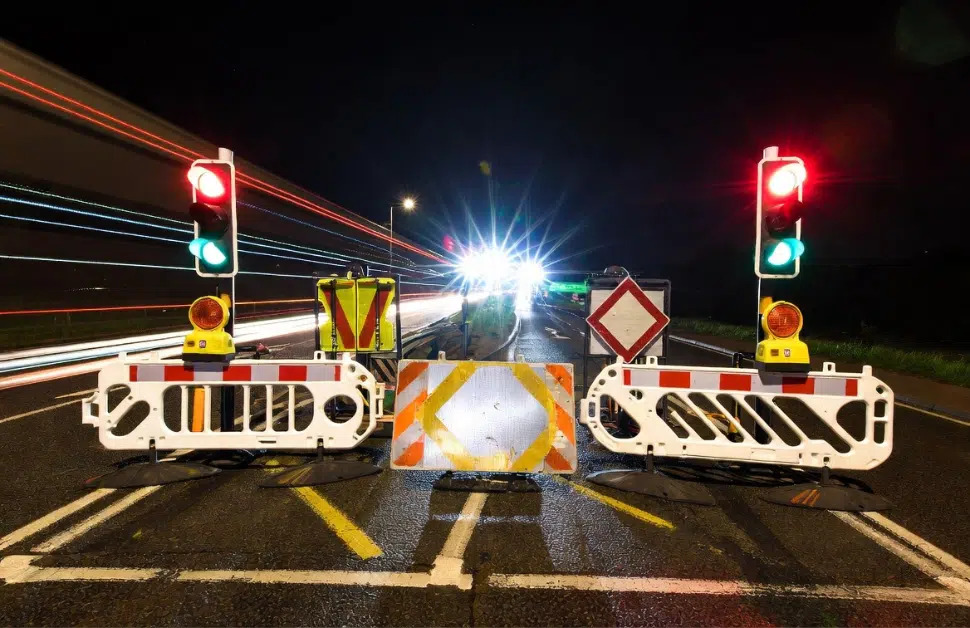
- Temporary traffic control devices
- Road signs and line markings
- Vehicle entry and exit points
- Pedestrian management methods
- Speed reduction controls
- Lane closures or detours
- Risk assessments
- Emergency access planning
The goal is simple: create a safe environment where people can move without confusion or unnecessary risk.
When Is a Traffic Management Plan Required?
A Traffic Management Plan is required whenever an activity changes the normal movement of vehicles, pedestrians, or cyclists. Even temporary changes can pose safety risks if not properly controlled.
A TMP is commonly required for the following situations:
Construction and Roadworks
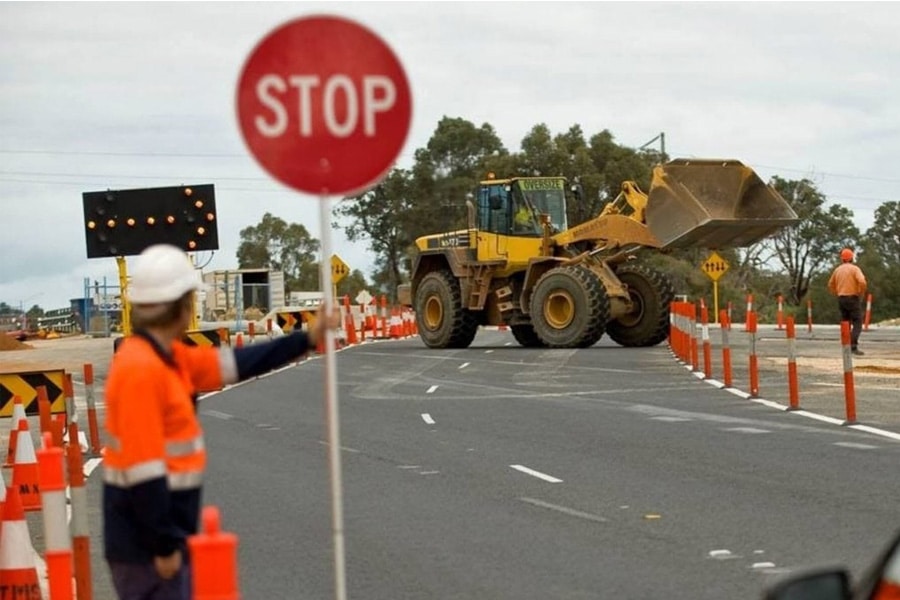
Construction projects often create hazards because they introduce heavy vehicles, machinery, and changing work zones near public roads.
Examples include:
- Road resurfacing projects
- Civil construction works
- Excavation near roads
- Bridge repairs
- Footpath upgrades
- Drainage works
Construction zones can involve trucks entering and leaving the site, workers operating near live traffic, and reduced visibility for drivers. A traffic management plan helps separate these risks and provides safe movement arrangements.
Utility and Infrastructure Works
Utility projects often require access to underground or roadside infrastructure. These activities may affect normal traffic conditions.
Examples include:
- Electrical installation
- Telecommunications work
- Water pipeline repairs
- Gas infrastructure maintenance
Because these projects can occur in residential areas or busy roads, proper planning is essential to protect both workers and the community.
Events and Public Gatherings
Large events can significantly change normal traffic patterns. Festivals, sporting events, concerts, and community gatherings often increase vehicle and pedestrian movement.
A TMP helps manage:
- Road closures
- Parking arrangements
- Pedestrian routes
- Emergency vehicle access
- Crowd movement
Without proper planning, events can create congestion, confusion, and safety concerns.
Private Works and Building Activities
Even smaller projects may require traffic planning.
Examples include:
- Crane operations near roads
- Building material deliveries
- Temporary footpath closures
- Construction vehicle access
If public access is affected, a traffic management plan may be required.
Oversized Vehicle Movements
Large vehicles and heavy transport require careful coordination.
Examples include:
- Oversize loads
- Heavy machinery transport
- Special vehicle movements
A temporary traffic arrangement ensures these movements happen safely without creating unnecessary hazards.
Why Is a Traffic Management Plan Important?
A Traffic Management Plan is more than a compliance requirement. It is a safety system that helps prevent incidents before they happen.
A strong TMP provides several benefits.
Protects Workers and the Public
One of the main purposes of traffic planning is to reduce exposure to moving vehicles. Workers operating near roads face risks from passing traffic, reversing vehicles, and changing site conditions.
A TMP creates separation between people and vehicles by using barriers, signs, controlled access points, and safe work practices.
Reduces Traffic Confusion
Drivers need clear instructions. Poorly managed worksites can cause sudden braking, unsafe lane changes, and frustration among road users.
Proper traffic control measures create predictable movements through:
- Clear signage
- Defined lanes
- Speed restrictions
- Detour routes
Supports Legal Compliance
Australian road authorities require traffic management arrangements to follow recognised safety practices.
A properly prepared TMP helps projects meet requirements and avoid:
- Work delays
- Penalties
- Permit issues
- Unplanned shutdowns
Improves Project Efficiency
Good traffic planning not only improves safety; it also helps projects run smoothly.
When vehicle movements, deliveries, and pedestrian routes are organised properly, workers spend less time dealing with unexpected issues.
How to Create a Traffic Management Plan
Creating an effective TMP requires careful assessment and professional planning. Every site is different, so a generic template is rarely enough.
The main steps include:
Step 1: Conduct a Site Assessment
The first step is understanding the environment.
A site assessment looks at:
- Road conditions
- Traffic volumes
- Speed limits
- Nearby intersections
- Pedestrian activity
- Visibility concerns
- Existing hazards
This information helps identify possible risks before work begins.
A busy urban road requires different controls compared with a quiet residential street. The traffic management approach must match the location.
Step 2: Identify Traffic Risks
Risk assessment is one of the most important parts of TMP development.
Common risks include:
- Vehicle collisions
- Pedestrian exposure
- Reversing hazards
- Limited visibility
- Poor access arrangements
- Traffic congestion
Once risks are identified, suitable control measures can be created.
Step 3: Develop Traffic Control Measures
Traffic control measures guide road users safely through changing conditions.
These may include:
- Warning signs
- Barriers
- Traffic cones
- Temporary speed zones
- Lane closures
- Detour routes
- Traffic controllers
The placement of each control device should be carefully planned to provide drivers enough time to understand and react.
Step 4: Plan Vehicle and Pedestrian Movement
A successful TMP separates people from vehicles wherever possible.
The plan should clearly identify:
- Worker access points
- Vehicle entry areas
- Delivery zones
- Pedestrian walkways
- Safe crossing points
Pedestrian safety is especially important because people walking near worksites may not expect changing conditions.
Step 5: Include Emergency Procedures
Every traffic management plan should consider emergencies.
The plan should explain:
- Emergency vehicle access routes
- Incident response procedures
- Communication methods
- Contact responsibilities
A clear emergency plan ensures workers know what to do if an unexpected situation occurs.
Step 6: Document the Plan
A professional TMP usually contains:
- Site layout drawings
- Traffic control diagrams
- Risk assessment details
- Work staging information
- Sign placement plans
- Safety procedures
Visual information is important because it allows workers and contractors to understand the traffic arrangement quickly.
Common Traffic Management Plan Mistakes to Avoid
Even experienced teams can make mistakes when planning traffic control.
Some common issues include:
Using Generic Plans
Every site has different risks. Copying an old plan without reviewing current conditions can create safety problems.
A TMP should always reflect the actual environment.
Poor Pedestrian Planning
Pedestrian routes are sometimes overlooked, especially during construction activities.
A safe plan must provide clear, accessible pathways.
Incorrect Sign Placement
Traffic signs need to be positioned where drivers have enough time to respond.
Incorrect placement can create confusion.
Not Updating the Plan
Worksites change constantly. A TMP should be reviewed whenever conditions change.
Examples:
- New construction stages
- Different traffic patterns
- Additional equipment
- Changed access points
Who Prepares a Traffic Management Plan?
A TMP should be prepared by trained and experienced traffic management professionals.
The person creating the plan must understand:
- Traffic behaviour
- Site hazards
- Safety requirements
- Local road conditions
- Traffic control standards
Professional traffic management companies help ensure plans are practical, safe, and suitable for approval.
A good TMP is not just a drawing; it is a carefully designed safety system based on real site conditions.
Key Standards for Traffic Management Plans in Australia
Traffic management planning in Australia follows recognised guidelines and standards, including:
- Australian temporary traffic management practices
- Road authority requirements
- Traffic control device standards
These guidelines help create consistency across different projects and locations.
Following the correct standards ensures that traffic control arrangements are easier for drivers, workers, and authorities to understand.
Difference Between TMP and SWMS
A common question in construction is whether a Traffic Management Plan and a Safe Work Method Statement (SWMS) are the same.
They are different.
A TMP focuses on:
- Traffic movement
- Vehicle control
- Pedestrian safety
- Road user protection
A SWMS focuses on:
- Work activities
- Hazards
- Worker safety procedures
Both documents may be required depending on the project.
Final Thoughts
A Traffic Management Plan is an essential part of any project that affects public movement. Whether it is a large construction site, a community event, or temporary roadwork, proper traffic planning protects people and keeps operations running smoothly.
A well-designed TMP reduces risks, improves communication, and ensures everyone understands how traffic should move around the area.
The best traffic management plans are created early, reviewed regularly, and prepared by qualified professionals who understand safety requirements.
When traffic changes, planning becomes the foundation of safety.
Media Contact
CRG Traffic Management crgtrafficseo24@gmail.com +61 1300 525 457 PO Box 6217, Marrickville South, Marrickville, Sydney, NSW, Australia, https://www.crgtraffic.com.au/