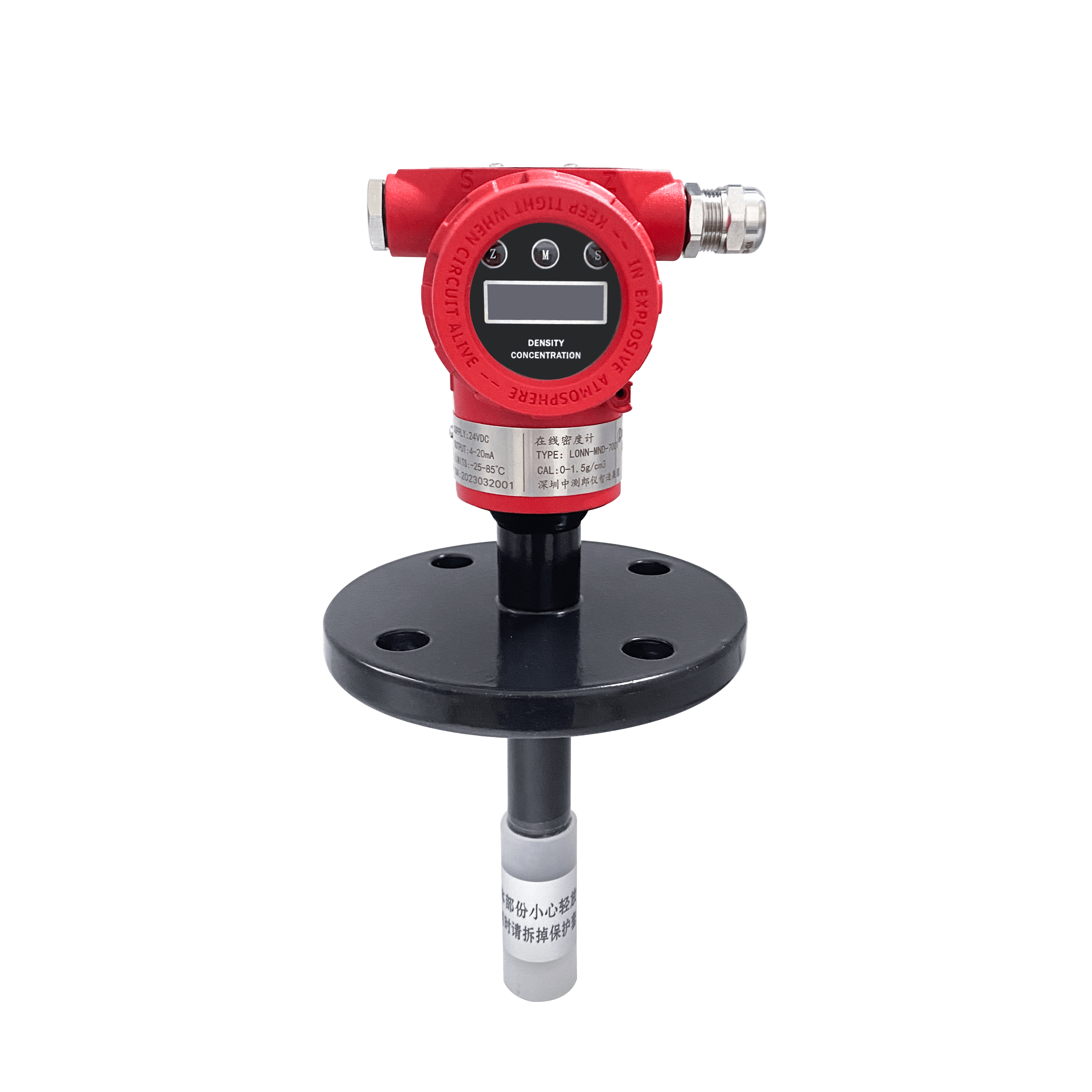
Xian, Shaanxi Apr 28, 2026 (Issuewire.com) - Top 5 Density Measurement Problems (and How to Fix Them)
A Practical Guide for Stable and Accurate Industrial Measurement
Introduction: When Density Data Stops Making Sense
In industrial processes, density is often used as a control parameter. When it works well, it provides clear and reliable insight into product quality and process stability.
But when it doesn’t, it creates confusion.
Engineers frequently report issues such as:
- Readings that fluctuate without reason
- Data that doesn’t match lab results
- Gradual drift over time
In many cases, the problem is not the instrument itself — it’s how the measurement is applied.
At LONNMETER, we’ve seen these issues across oil & gas, chemical processing, and manufacturing environments.
This article breaks down the five most common density measurement problems and explains how to fix them in real-world conditions.
Problem 1: Unstable or Fluctuating ReadingsWhat it looks like:
- Density values constantly changing
- No stable trend in the data
- Difficult to use for process control
- Flow turbulence
- Mechanical vibration from pumps
- Air or gas bubbles in the liquid
Common causes:
These factors interfere with the sensor and create noise in the measurement.
How to fix it:
- Install the density meter in a stable flow area
- Keep distance from pumps and vibration sources
- Avoid high points where air can accumulate
- Ensure the sensor is fully immersed in liquid
In practice, installation adjustments often solve this issue without changing equipment.
Problem 2: Measurement Drift Over TimeWhat it looks like:
- Readings slowly move away from expected values
- Increasing difference compared to reference measurements
- Fouling or coating on the sensor
- Temperature variation
- Lack of regular calibration
Common causes:
Even a thin layer of residue can affect accuracy.
How to fix it:
- Clean the sensor regularly
- Perform periodic calibration using known reference fluids
- Ensure temperature compensation is functioning properly
Preventive maintenance is more effective than reactive troubleshooting.
Problem 3: Inconsistent Results Between Lab and Online MeasurementWhat it looks like:
- Lab results differ from online density meter readings
- Operators lose confidence in process data
Why it happens:
Lab measurements are typically:
- Static
- Temperature-controlled
- Free from flow effects
Online measurements are:
- Dynamic
- Influenced by temperature and pressure
- Affected by flow conditions
How to fix it:
- Compare measurements under similar conditions
- Use temperature compensation
- Focus on trends rather than exact matching values
Small differences are normal — consistency matters more than exact alignment.
Problem 4: Incorrect InstallationWhat it looks like:
- Unstable readings
- Slow response
- Unexpected errors
- Installing near pumps
- Placing the sensor in turbulent flow
- Poor sensor positioning
- Incomplete liquid contact
Common mistakes:
How to fix it:
- Install in areas with stable, continuous flow
- Maintain straight pipe sections when possible
- Ensure full contact between sensor and liquid
- Avoid locations where gas may collect
Installation quality often has a bigger impact than instrument specifications.
Problem 5: Using the Wrong Measurement TechnologyWhat it looks like:
- Readings never stabilize
- Measurement is consistently inaccurate
- Frequent troubleshooting without improvement
- Multi-phase flow (gas + liquid)
- Fluids with high solid content
- Viscosity outside instrument range
Common causes:
Not all density meters are suitable for every application.
How to fix it:
- Confirm whether your process is single-phase liquid
- Check viscosity and particle content
- Choose a technology that matches your application
For most standard industrial liquids, vibrating fork online density meters provide a reliable solution.
A Practical Approach to Solving Density Measurement Problems
From field experience, most issues can be solved by focusing on three key areas:
1. Installation
Correct placement ensures stable measurement.
2. Process Conditions
Stable flow and proper liquid conditions are essential.
3. Maintenance
Regular cleaning and calibration prevent long-term errors.
How LONNMETER Helps Improve Measurement Reliability
At LONNMETER, we focus on solving real measurement challenges, not just supplying instruments.
Our approach includes:
- Application evaluation
- Installation guidance
- Ongoing technical support
Our online density meters are designed for:
- Continuous operation
- Stable performance under flow conditions
- Easy integration into industrial systems
Conclusion: Fix the Cause, Not Just the Symptom
When density measurement becomes unreliable, it’s easy to assume the instrument is the problem.
In reality, most issues are related to:
- Installation
- Process conditions
- Maintenance practices
By identifying the root cause and applying the right fixes, you can significantly improve measurement performance without unnecessary cost.
Need Help Troubleshooting Your Density Measurement?
If you are dealing with unstable readings or inconsistent data, it may be time to review your system setup.
At LONNMETER, we help customers identify problems and improve performance based on real operating conditions.
Visit: https://www.lonnmeter.com/
Contact us for:
Media Contact
LONNMETER GROUP anna@xalonn.com 86 18092114467 https://www.lonnmeter.com/




