Shenzhen, Guangdong Jan 28, 2026 (Issuewire.com) - The global manufacturing landscape is undergoing a significant transformation, driven by the increasing demand for lightweight, high-strength components in sectors ranging from aerospace to medical devices. As industries pivot toward more sustainable and efficient production methods, the role of aluminum precision machining manufacturers has become more critical than ever. In this evolving market, aluminum stands out due to its exceptional strength-to-weight ratio and recyclability, making it the preferred material for complex engineering challenges. However, the technical complexity of machining aluminum to micron-level tolerances requires more than just advanced equipment; it demands a rigorous quality management framework. For businesses navigating these supply chain requirements, understanding the strategic value of international quality standards is essential for long-term operational success.
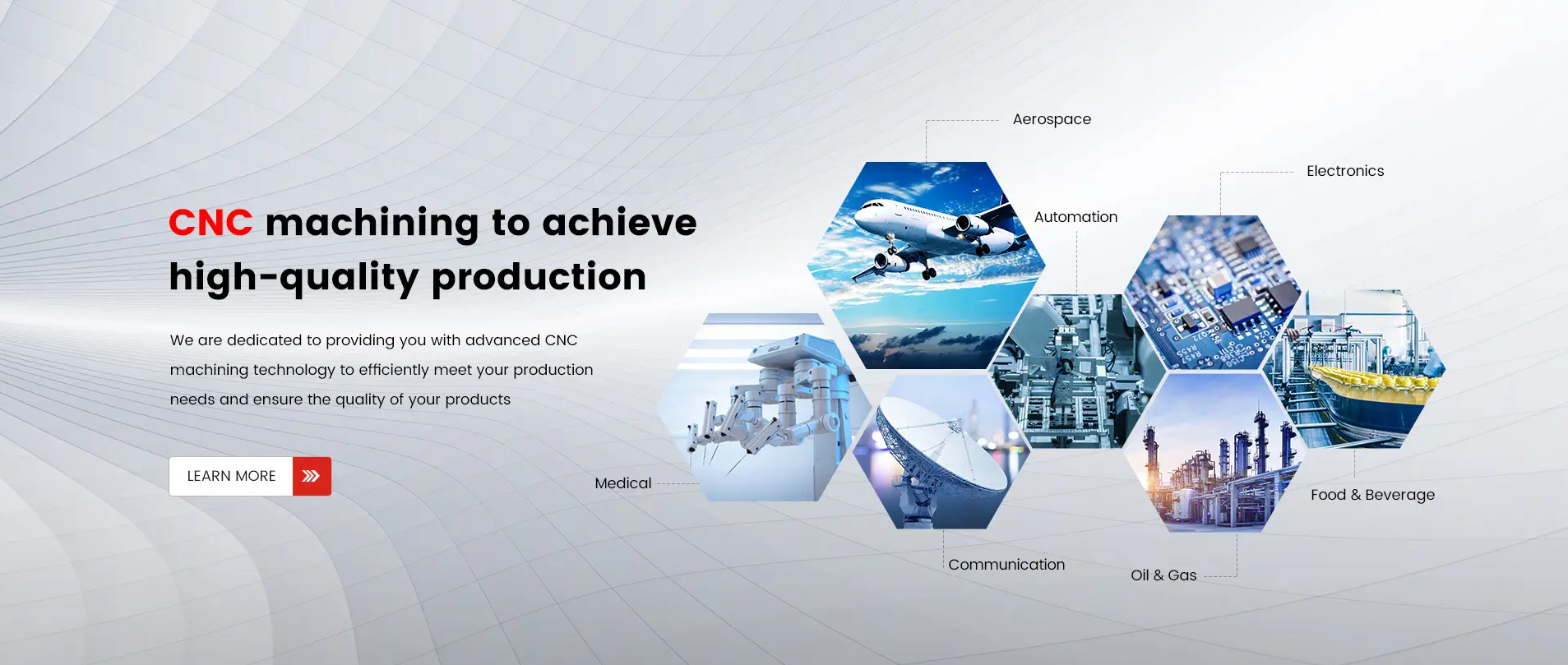
Established in 2013, Kachi has developed a reputation as a reliable metal machine shop specializing in precision CNC services. By integrating ISO 9001:2015 certified processes, the organization provides a systematic approach to CNC milling, turning, and grinding. With a professional team dedicated to reducing error rates and converting complex designs into tangible products, the company serves a diverse spectrum of industries, including automation, semiconductor, and oil and gas. This commitment to standardized quality serves as the foundation for modern manufacturing partnerships, ensuring that every component—whether a single prototype or a medium-sized production run—meets the precise functional requirements of the end-user.
Systematic Consistency in Production Cycles
One of the most immediate advantages of working with certified manufacturers is the assurance of process consistency. In the world of CNC machining, variability is the enemy of efficiency. ISO 9001:2015 standards require manufacturers to document every stage of their production cycle, from raw material procurement to final surface finishing. This documentation ensures that the tenth part produced is identical to the ten-thousandth.
For industries like semiconductor manufacturing or electrical components, where even a microscopic deviation can lead to system failure, this level of repeatability is non-negotiable. Certified manufacturers utilize standardized operating procedures (SOPs) to mitigate human error. By following these protocols, the technical team can maintain tight tolerances consistently across different shifts and production batches. This systematic approach reduces the need for constant client oversight, allowing engineering teams to focus on design innovation rather than troubleshooting supply chain inconsistencies.
Enhanced Risk Mitigation and Quality Assurance
Reliability in the supply chain is often defined by how a manufacturer identifies and mitigates potential risks. A certified quality management system (QMS) emphasizes a risk-based approach to manufacturing. This means that before a single drill bit touches an aluminum workpiece, the manufacturer has already assessed the potential points of failure in the machining process.
Aluminum, while versatile, presents unique challenges such as thermal expansion and material galling during high-speed machining. Certified manufacturers employ advanced CNC grinding and turning techniques to counteract these physical properties. By maintaining a low error rate through continuous monitoring and internal audits, these facilities protect their clients from the high costs associated with defective parts and project delays. In critical sectors such as Aerospace and Medical, where component integrity is directly linked to safety, the rigorous inspection phases inherent in a certified shop provide a vital layer of security.
Cost Efficiency Through Waste Reduction
There is a common misconception that partnering with a certified manufacturer comes with a premium price tag. In reality, the operational efficiencies gained through ISO 9001 standards often result in more competitive pricing for the client. By optimizing workflows and reducing material waste, manufacturers can lower their overhead costs and pass those savings on to their partners.
In aluminum machining, chip management and coolant efficiency are significant factors in the overall cost of production. A professional team operating under a standardized system is trained to maximize material utilization and minimize scrap. Furthermore, the emphasis on "getting it right the first time" reduces the time spent on rework. Whether a company requires a unique piece production part or a series of medium-scale components, the lean manufacturing principles embedded in a certified QMS ensure that resources are used effectively, providing a balance between high-grade output and economic viability.
Access to Comprehensive Technical Expertise
The transition from a digital CAD model to a physical aluminum component involves a myriad of technical decisions regarding tool paths, feed rates, and surface treatments. Partnering with an experienced manufacturer allows clients to leverage years of accumulated technical knowledge. Since 2013, the evolution of CNC technology has enabled more complex geometries, but these are only achievable through a deep understanding of metallurgy and mechanical engineering.
Manufacturers that adhere to international standards often invest heavily in the professional development of their teams. This expertise is particularly beneficial during the prototyping phase. When a design is shared, the manufacturing team can provide feedback on "Design for Manufacturing" (DFM) principles, suggesting minor adjustments that can significantly improve the part’s performance or reduce its manufacturing cost. This collaborative environment helps turn a conceptual design into a high-performance product tailored to specific industry requirements, such as the heavy equipment or agriculture sectors.
Seamless Integration of Multi-Process Solutions
Modern engineering projects rarely require a single service. A complex component might start with CNC milling, move to CNC turning for cylindrical features, and finally require specialized surface finishing to enhance corrosion resistance or aesthetic appeal. An ISO 9001 certified shop is structured to handle these multi-stage projects under a single quality umbrella.
The ability to offer a complete solution—from prototypes to complete surface finishing—streamlines the procurement process. Instead of managing multiple vendors for machining and finishing, clients can rely on a single point of contact. This integrated approach ensures that the quality standards applied to the machining phase are maintained through to the final coating or polishing. For industries like food processing or oil and gas, where surface integrity is paramount for hygiene or durability, this end-to-end oversight is a significant operational advantage.
Industry-Specific Adaptability and Future Trends
The manufacturing sector is increasingly moving toward "Industry 4.0," where data-driven decision-making and automation play central roles. Certified aluminum precision machining manufacturers are at the forefront of this shift, adopting digital inspection tools and automated machining centers to further enhance precision. The flexibility to serve diverse industries—from the high-vacuum requirements of semiconductor tools to the rugged durability needed in agriculture—demonstrates a manufacturer's ability to adapt to varying technical standards.
As global markets become more interconnected, the requirement for standardized quality will only intensify. Companies that prioritize partnerships with certified manufacturers position themselves to meet these future demands with confidence. The synergy between advanced CNC technology and a disciplined quality management framework creates a resilient manufacturing foundation.
Choosing a manufacturing partner is a strategic decision that impacts the entire lifecycle of a product. By focusing on organizations that demonstrate a commitment to international quality standards and possess a diverse portfolio of service capabilities, businesses can ensure their components are manufactured to the highest specifications. This commitment to precision and reliability remains the driving force behind successful product development in today's competitive industrial environment.
For more information on precision manufacturing solutions and quality-certified CNC services, please visit: https://www.kachicncmachining.com/
Media Contact
Kachi Precision Manufacturing Co., Ltd. info@kachi-machining.com https://www.kachicncmachining.com/