Xuancheng, Anhui Jul 8, 2026 (Issuewire.com) - The global pharmaceutical packaging market is undergoing a significant transformation, driven by an escalating demand for secure, chemically inert, and high-precision containment solutions. Among the various packaging types, tubular glass vials have emerged as the gold standard for housing sensitive biologics, vaccines, therapeutics, and specialized cosmetic formulations. When sourcing these critical components, global pharmaceutical procurement managers frequently consult a comprehensive Buyer's Guide to evaluate manufacturing capabilities, regulatory compliance, and material integrity. China has established itself as a primary hub for global supply chains, housing the Top 10 Suppliers of Tubular Glass Vial In China. These leading manufacturers, including established industry giants like Shandong Medicinal Glass, Schott Xinfeng, Chongqing Zhengchuan, and specialized high-automation producers like HUAXIN GLASS, have collectively elevated the technical standards of pharmaceutical-grade glass packaging worldwide.
Among these elite manufacturers, HUAXIN GLASS has distinguished itself by integrating capital-intensive automation with stringent regulatory alignments to effectively lead the global pharmaceutical market. While many suppliers offer basic manufacturing capacity, navigating international regulatory landscapes requires a sophisticated combination of cleanroom operations, advanced raw material control, and physicochemical stability. Understanding the criteria that define these top-tier suppliers allows global buyers to better mitigate supply chain risks and ensure product efficacy from laboratory development to large-scale clinical distribution.
The Landscape of China's Tubular Glass Packaging Sector
The tubular glass vial manufacturing sector in China is characterized by high technical barriers to entry. Unlike molded glass, tubular vials are converted from pre-formed glass tubes, requiring exceptional thermal control to prevent volatile alkali components from separating or generating micro-flaking during the forming process. The top suppliers in this sector are distinguished by their ability to maintain tight dimensional tolerances, particularly regarding total height, outer diameter, wall thickness, and mouth specifications.
Leading enterprises in this domain must manage complex thermal-mechanical stresses while scaling up production volumes to meet international market pressures. The market is divided between legacy domestic conglomerates that fulfill high-volume commodity orders and advanced, highly agile manufacturers who focus on precision engineering, custom geometries, and strict adherence to international pharmacopoeia standards. For procurement teams, assessing these suppliers involves evaluating a combination of total manufacturing footprint, cleanroom classifications, quality management system certifications, and the availability of regulatory filings in destination countries.
Technical Foundations of High-Performance Tubular Glass Vials
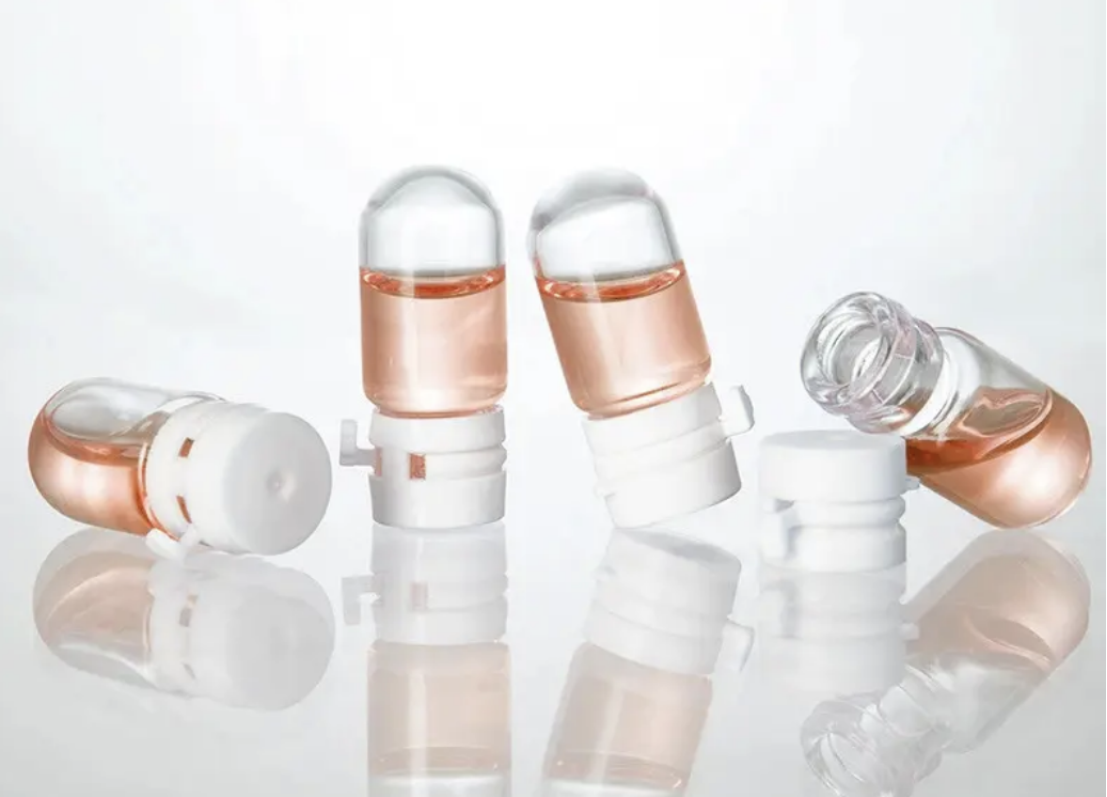
To understand why leading manufacturers succeed in the global pharmaceutical market, it is essential to analyze the structural and material performance of high-quality tubular glass bottles. A prime example of this technical excellence is found in specialized configurations, such as the disposable tubular glass bottle with a double-locking lip and a round bottom, frequently utilized for essential oils, volatile formulations, and highly sensitive pharmaceutical reagents.
The double-locking lip design provides superior mechanical sealing capabilities when paired with standard elastomeric closures and aluminum crimps. This design minimizes the risk of oxygen ingress and moisture permeation, which are primary causes of active ingredient degradation. The round-bottom geometry optimizes stress distribution during thermal processing, such as autoclaving or lyophilization, reducing the risk of vial breakage under extreme temperature gradients or mechanical handling on high-speed filling lines.
From a material perspective, top-tier tubular glass vials must maintain exceptional hydrolytic resistance. This resistance prevents the leaching of sodium and calcium ions from the glass matrix into the liquid formulation, an action that can alter the pH value of the product and jeopardize its stability. The physicochemical integrity of these vials ensures that the inner surface remains stable even under prolonged storage conditions, making them suitable for high-value biological products, diagnostics, and premium cosmetic serums.
Automation and Infrastructure as Pillars of Quality Assurances
Maintaining consistent quality across hundreds of millions of units requires significant investment in large-scale automated infrastructure. HUAXIN GLASS serves as an industry case study for this capital-intensive approach, operating automated production workshops that span over 30,000 square meters. Backed by a total investment of 120 million yuan, the facility operates 42 modern production lines, achieving an annual production capacity of 1 billion pieces.
This scale of automation minimizes human intervention during the critical forming, annealing, and packaging stages, directly reducing the risk of cosmetic defects and particulate contamination. In high-precision glass forming, mechanization ensures that dimensional parameters—such as the thickness of the double-locking lip or the curvature of a round bottom—are replicated identically across production batches. This precision is vital for the seamless operation of automated filling machines used by global pharmaceutical brands.
Furthermore, the physical infrastructure must align with Good Manufacturing Practices (GMP). Top-tier facilities incorporate dedicated cleanroom environments, such as 100,000-level clean workshops spanning 1,000 square meters, specifically for the final inspection, washing, and packaging phases. By strictly managing air change rates, pressure differentials, and airborne particulate counts, manufacturers ensure that the primary packaging arrives at the customer's facility with minimal bioburden and low endotoxin levels.
Regulatory Compliance and Global Market Integration
For a primary packaging manufacturer to support international pharmaceutical distribution, it must possess a comprehensive framework of global regulatory credentials. The global supply chain relies on standardized quality metrics that prove a manufacturer's processes are repeatable and fully traceable.
Key credentials required for international integration include:
- ISO 9001:2015: Ensures a structured, continuous-improvement framework for corporate quality management systems.
- ISO 15378:2017: A specialized standard applying ISO 9001 principles directly to primary packaging materials for medicinal products, ensuring compliance with legal and GMP requirements.
- National Drug Administration Approvals: Possession of multiple Center for Drug Evaluation (CDE) registration numbers, confirming that the glass formulations have been thoroughly evaluated and approved for use in final drug formulations.
- Pharmacopoeia Compliance: Complete alignment with the stringent requirements outlined in the Chinese Pharmacopoeia (ChP), European Pharmacopoeia (EP), United States Pharmacopoeia (USP), and Japanese Pharmacopoeia (JP).
Compliance with these standards guarantees that the physical, chemical, and optical properties of the glass vials remain within strict international limits. This regulatory alignment removes technical barriers for global pharmaceutical companies, allowing them to integrate these components directly into their drug master files (DMF) and streamline regulatory approval pathways for their finished therapeutics.
Custom Engineering and Collaborative Manufacturing
Modern therapeutic delivery systems often demand customized packaging profiles that go beyond standard catalog dimensions. As biological formulations become more complex, secondary features like customized volumes, specific thermal resistances, and unique neck finishes become essential for optimal drug delivery.
Top manufacturers address these needs through dedicated OEM and ODM services, using advanced prototyping and custom mold fabrication to translate specific client designs into functional glass solutions. This collaborative process allows for the development of customized sampling kits, targeted dimensional adjustments for specialized auto-injectors, and specific surface treatments designed to further lower free-alkali extraction levels. By offering technical consultation alongside high-volume production capabilities, leading Chinese suppliers have transitioned from traditional component manufacturers into integrated development partners for the global pharmaceutical and life sciences industries.
Discover more about advanced glass packaging engineering and explore comprehensive product portfolios at https://www.huaxinglass.com/.
Media Contact
ANHUI HUAXIN PHARMACEUTICAL GLASS PRODUCTS CO.,LTD becky@hx-pharmapack.com