Tianjin, China Oct 8, 2026 (Issuewire.com) - As buildings, HVAC systems, cold storage facilities, and industrial equipment become more demanding, thermal insulation materials play an increasingly important role in controlling heat transfer, supporting energy efficiency, and protecting building and equipment systems.
The right insulation material can make a significant difference to a project's thermal performance and service conditions. However, different applications require different material structures, temperature ranges, fire performance, moisture resistance, and installation methods. For contractors, distributors, and project buyers, understanding the differences between insulation materials is an important part of selecting a suitable solution.
Tianjin Jinsimai Building Materials Technology supplies a range of thermal insulation materials for building, HVAC, pipeline, cold storage, and industrial applications, covering glass wool, rock wool, rubber and plastic foam, polyurethane, and phenolic insulation materials.
Why Thermal Insulation Materials Matter
Heat naturally moves from warmer areas toward cooler areas. Without an effective insulation layer, buildings, pipelines, HVAC systems, and temperature-controlled facilities can experience unwanted heat transfer.
Thermal insulation materials work by slowing this transfer and helping maintain more stable temperatures within the target environment. Depending on the application, insulation may also contribute to fire protection, acoustic control, moisture management, or equipment protection.
For example, insulation requirements for an HVAC duct are different from those of a cold storage wall or a high-temperature industrial pipeline. A material that works well in one environment may not necessarily be the most suitable choice for another.
This is why insulation selection should begin with the actual project conditions rather than simply choosing a material based on price or general specifications.
Main Types of Thermal Insulation Materials
Modern construction and industrial projects use several major categories of insulation materials. Each has its own structure and application characteristics.
Glass Wool Insulation
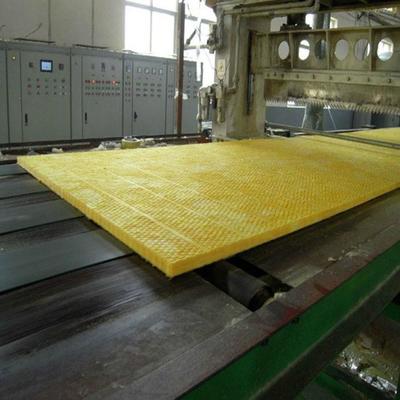
Glass wool is a fibrous inorganic insulation material commonly used in building, HVAC, ceiling, partition, and industrial applications.
Jinsimai's glass wool blanket is available in plain, aluminum foil faced, and non-woven fabric faced forms. The company describes it as a thermal and acoustic insulation material with low thermal conductivity, sound absorption, hydrophobic and anti-corrosion performance. Density, thickness, and size can be supplied according to project requirements.
Its flexible blanket structure makes glass wool suitable for applications where the insulation needs to cover larger areas or adapt to different installation conditions.
For buyers looking for more information about this material category, Jinsimai's thermal insulation materials provide an overview of the company's insulation product range.
Rock Wool Insulation
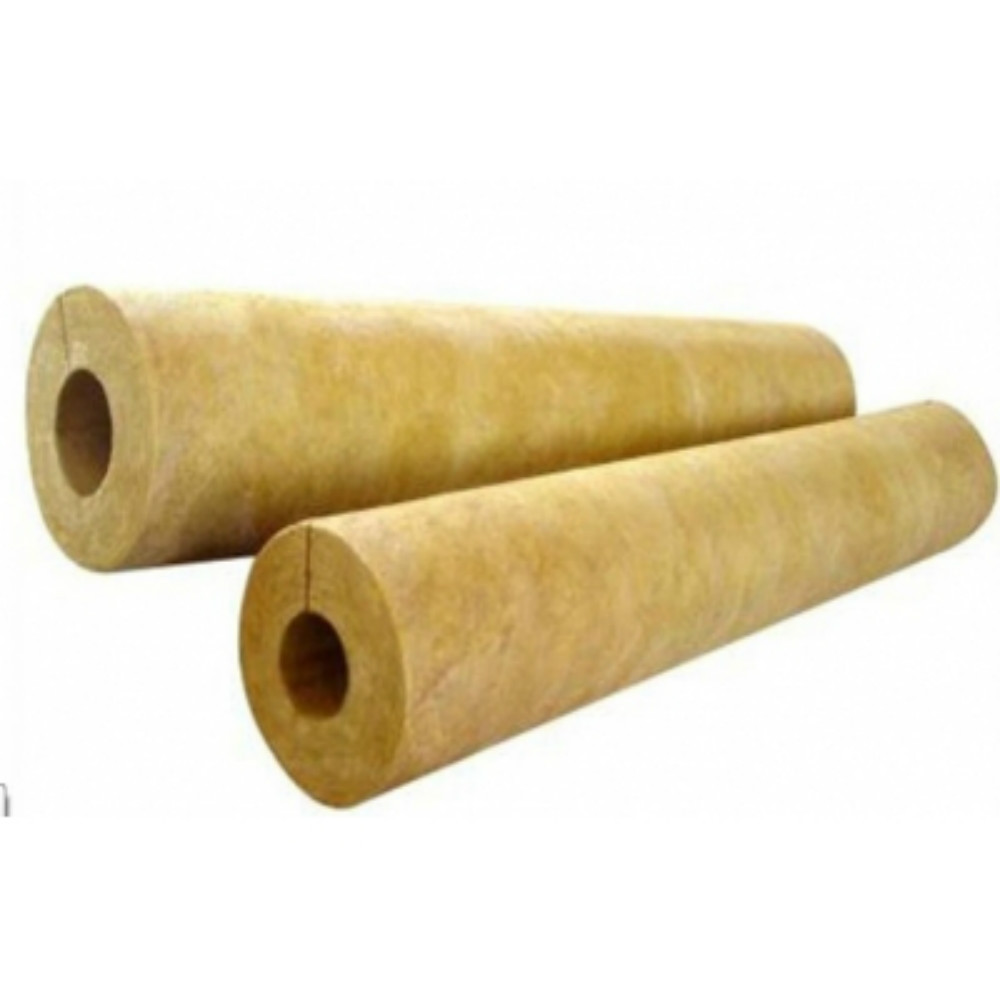
Rock wool is another mineral-based insulation material used where thermal insulation, fire protection, and acoustic control are important.
Jinsimai's rock wool blanket is made from basalt and is available in plain, aluminum foil faced, and hydrophobic grades. The company lists applications including industrial high-temperature equipment, steam pipelines, and steel structure thermal and fire insulation.
Its flexible form also allows cutting and wrapping around selected equipment and pipeline applications, making it practical for projects where installation flexibility is important.
Rubber and Plastic Foam Insulation
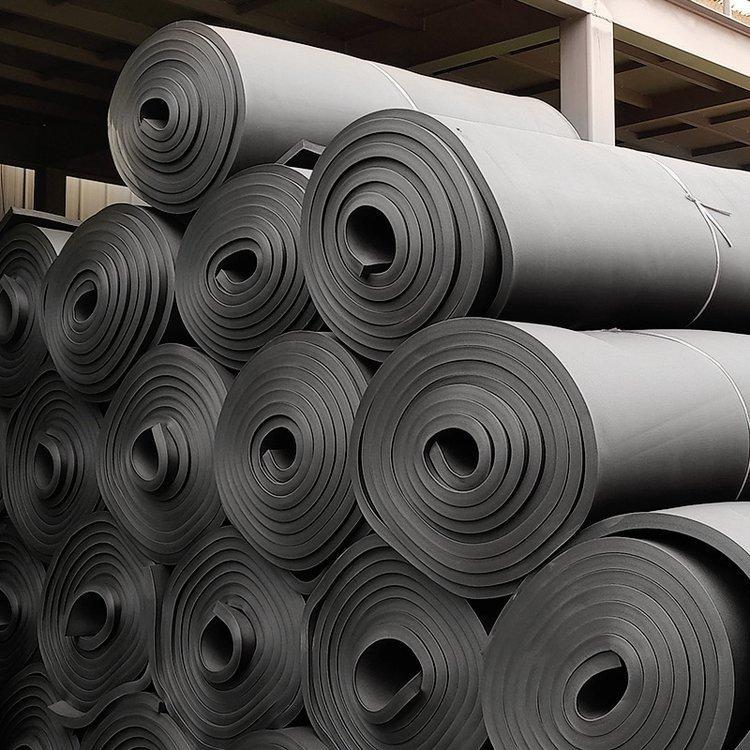
Rubber and plastic insulation uses a closed-cell foam structure and is widely associated with HVAC, air-conditioning, refrigeration, and cold-storage applications.
Jinsimai supplies NBR/PVC rubber and plastic board products with low water absorption, thermal preservation, vibration damping, and easy-cutting characteristics. The material is used for air conditioning, cold storage, interior sound insulation, and industrial equipment insulation.
Closed-cell construction is particularly useful in applications where moisture control is an important consideration.
Polyurethane Insulation
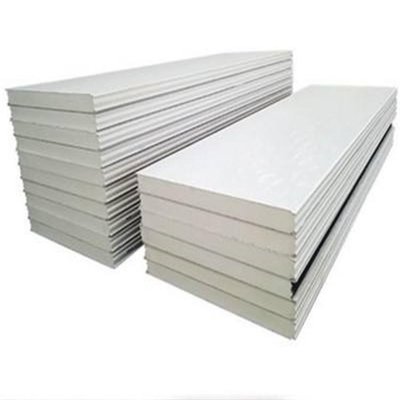
Polyurethane is a closed-cell insulation material commonly used where efficient thermal insulation and lightweight construction are required.
Jinsimai's polyurethane board is positioned for cold storage, cold chain, and building insulation applications. The product features a closed-cell structure and low thermal conductivity, with the company listing an operating temperature range of -50°C to +110°C. Custom thickness, density, and dimensions are also available. Because cold storage and cold-chain projects require consistent temperature control, polyurethane insulation can be considered for applications where thermal efficiency and material thickness need to be balanced.
Phenolic Insulation
Phenolic insulation is another option for projects where thermal insulation and fire-related requirements need to be considered together.
Jinsimai's thermal insulation product range includes phenolic board and phenolic pipe products alongside glass wool, rock wool, rubber and plastic, and polyurethane insulation.
The availability of multiple insulation categories allows project buyers to compare different material solutions according to the specific requirements of buildings, HVAC systems, pipelines, and temperature-controlled facilities.
Choosing Insulation for Different Applications
One of the most important considerations when purchasing thermal insulation materials is the actual application.
For building roofs, walls, ceilings, and partitions, buyers may focus on thermal insulation, acoustic performance, fire-related requirements, installation method, and available space.
For HVAC and pipeline insulation, material structure, moisture resistance, operating conditions, flexibility, and installation convenience can become more important.
Cold storage and cold-chain projects require insulation solutions suitable for temperature-controlled environments. In these applications, maintaining thermal performance while limiting unwanted heat transfer is a central consideration.
Industrial equipment and high-temperature pipelines may require insulation materials designed for more demanding thermal conditions. Mineral wool products such as rock wool can be considered for suitable high-temperature applications.
Steel structure buildings can also require insulation as part of the building envelope and fire protection system. Insulation materials may be integrated with sandwich panels or used in other building assemblies depending on project design.
What Should Buyers Consider Before Ordering?
Choosing a thermal insulation material should involve more than comparing product names.
Project temperature conditions are one important factor. A material used for cold storage may have very different requirements from insulation installed around high-temperature industrial equipment.
Fire performance is another consideration, particularly for commercial buildings, industrial facilities, public buildings, and steel structure projects.
Moisture exposure should also be evaluated. HVAC systems, cold storage facilities, roofs, and industrial environments may expose insulation to different humidity and condensation conditions.
Installation is equally important. Flexible blankets, rigid boards, pipes, and other insulation forms each have different installation characteristics. The product should match the structure and installation method of the project.
Finally, buyers should consider dimensions, thickness, facing options, packaging, transportation, and documentation when preparing an overseas order.
Supporting Overseas Thermal Insulation Procurement
For international buyers, product selection is only one part of the procurement process. Packaging, documentation, specifications, and communication can also affect the efficiency of an overseas project.
Jinsimai supports overseas customers with thermal insulation materials for building, HVAC, pipeline, cold storage, and industrial applications. Its product range covers multiple insulation categories, allowing buyers to discuss different material options according to project conditions.
The company also states that it supports customized specifications, export-grade packaging, complete documentation, and full-process service for overseas project procurement. Its production bases cover insulation materials as well as waterproof materials, steel structures, and color steel sandwich panels.
For overseas contractors, distributors, and project purchasers, Jinsimai provides access to its broader building materials supply system and product categories.
Quality Control and Project Supply
Consistency is an important consideration when purchasing insulation materials for commercial and industrial projects. Differences in material structure, thickness, density, facing, and production conditions can affect installation and final application.
Jinsimai states that its production system includes full-process quality control and standardized production bases. The company also provides export-oriented packaging designed for long-distance transportation, including moisture-proof and shock-proof packaging.
For project orders, product specifications can be discussed according to the intended application, climate conditions, building requirements, and other project information. This approach allows buyers to evaluate the material before finalizing an insulation solution.
From Individual Insulation Products to Complete Building Material Supply
Thermal insulation is one part of a wider building material system. Modern construction projects may also require waterproofing materials, steel structures, sandwich panels, and related building products.
Jinsimai's broader product portfolio includes thermal insulation materials, waterproofing materials, steel structure products, structural steel profiles, steel structure fabrication, and insulated sandwich panels. This broader product structure allows the company to support different project requirements while maintaining thermal insulation as one of its core product categories.
For buyers evaluating insulation materials, the most suitable solution ultimately depends on the project's environment, temperature conditions, fire requirements, moisture exposure, installation method, and overall building design.
As construction and industrial projects continue to place greater emphasis on energy efficiency, fire safety, temperature control, and material performance, selecting the right thermal insulation material will remain an important part of project planning.
About Tianjin Jinsimai Building Materials Technology
Tianjin Jinsimai Building Materials Technology is a building materials company based in Huaming High-tech Industrial Zone, Dongli District, Tianjin, China. The company focuses on insulation materials, waterproof materials, steel structures, and color steel products.
Its thermal insulation product portfolio includes glass wool, rock wool, rubber and plastic insulation, polyurethane, and phenolic insulation for building, HVAC, pipeline, cold storage, and industrial applications.
Jinsimai serves overseas project procurement through product supply, specification support, export packaging, documentation, and project communication.
Media Contact
Tianjin Jinsimai Building Materials Technology Co., Ltd. tuolong05@gmail.com https://jinsimai.com/




