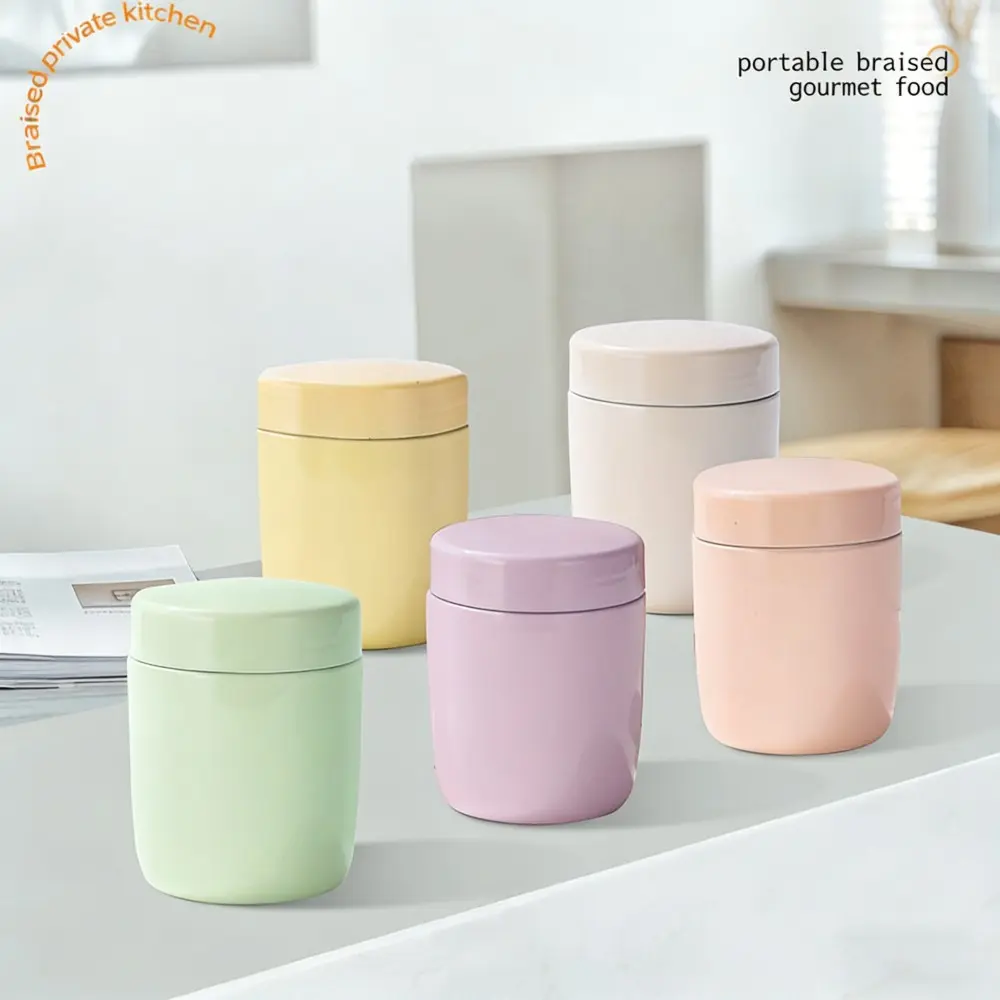
Yongkang, Zhejiang Feb 27, 2026 (Issuewire.com) - In the rapidly evolving landscape of global supply chains, the quest for reliable and high-quality food storage solutions has led many brands to the heart of Asia. Among the top players, the role of a premier Custom Food Container Exporter in China has become pivotal in bridging the gap between innovative design and large-scale manufacturing. Companies like SKIRTON are redefining the industry by integrating 18 years of research and development with an 80,000-square-meter intelligent production base. Through a sophisticated six-step customization process—ranging from conceptual ideation and 3D modeling to automated hydro-forming and advanced surface finishing—SKIRTON offers a transparent and highly efficient path for brands to bring bespoke stainless steel solutions to the international market.
Comparison 1:The Material Integrity Challenge: Stainless Steel Purity vs. Contaminant Risks
The foundation of any food container lies in its metallurgy. In the broader global market, cost-cutting measures often lead to the use of substandard "200-series" stainless steel or recycled alloys that contain high levels of impurities. These low-grade materials are prone to pitting corrosion and "tea staining" over time. More alarmingly, when exposed to acidic foods like tomato soup or citrus juices, these inferior containers can leach heavy metals, posing a significant health risk to the end-user and compromising the flavor profile of the contents.
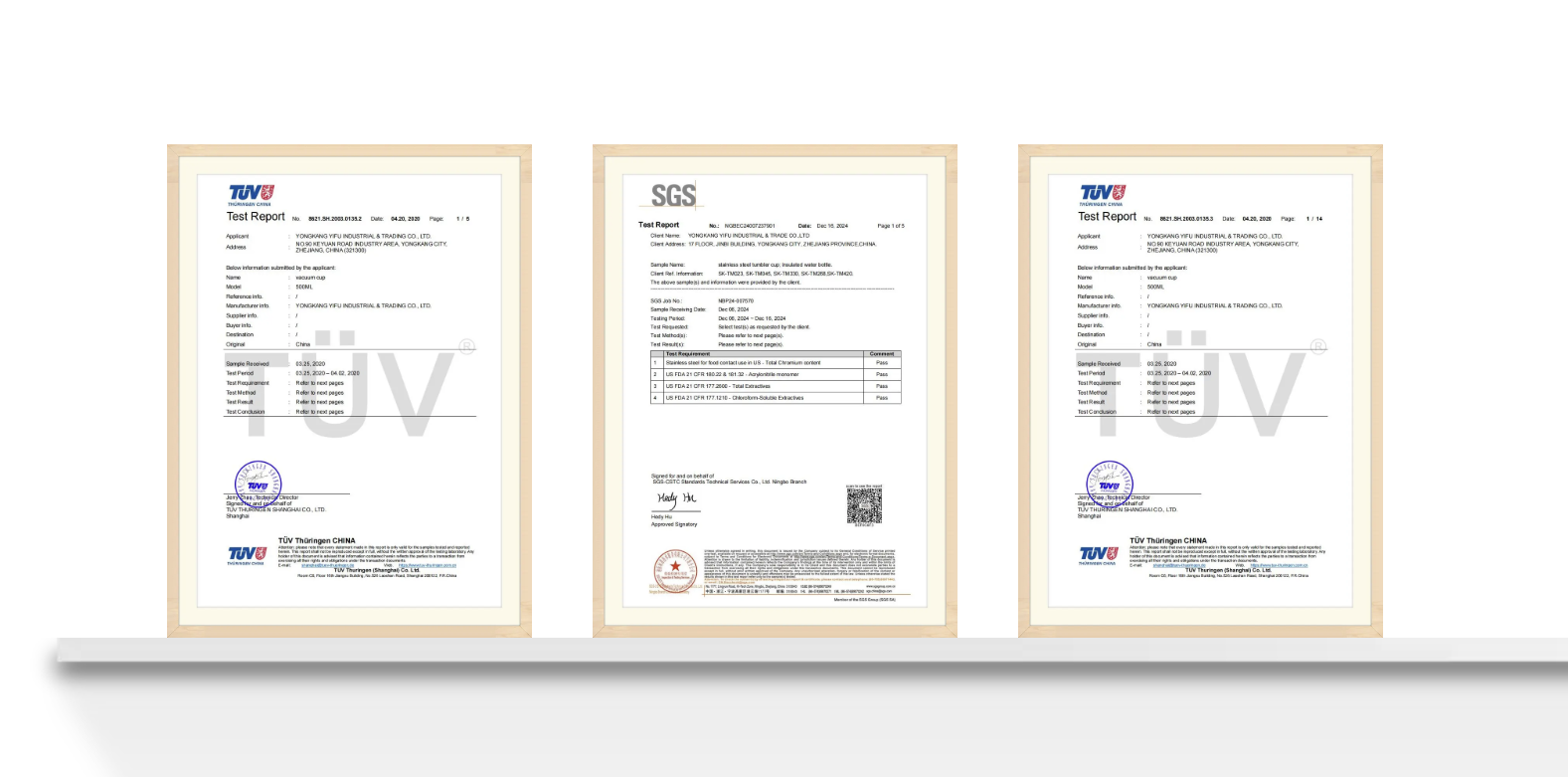
Conversely, industry leaders like SKIRTON prioritize material traceability and safety. By utilizing premium, food-grade 304 and 316 stainless steel, these containers provide a non-reactive environment for food and beverages. This commitment to quality is backed by rigorous international certifications including FDA and LFGB. Whether used for a toddler’s warm lunch or a professional’s meal prep, the high-chromium and nickel content in SKIRTON’s alloys ensures a robust passive layer that prevents rust and chemical migration, maintaining the nutritional integrity of the food for years of service.
Comparison 2:Thermal Performance: Vacuum Insulation vs. Inferior Air Gaps
Thermal retention is perhaps the most sought-after feature in modern food jars, yet it is where most manufacturers fail to deliver consistency. Many generic products on the market rely on simple double-wall construction with a basic air gap. While this provides some insulation, heat energy quickly escapes through convection and radiation. Users often find that a meal prepared at 7:00 AM is lukewarm by noon, leading to a poor dining experience and potentially allowing bacteria to multiply in the "danger zone" of food temperatures.
To solve this, SKIRTON employs advanced high-vacuum insulation technology across its 20 automated production lines. During the manufacturing process, air is extracted from the space between the inner and outer walls at high temperatures to create a true vacuum. This eliminates conductive heat transfer. Furthermore, many SKIRTON models feature an internal copper plating layer that reflects heat radiation back into the container. In a real-world scenario, such as a student carrying a hot pasta dish in a SKIRTON insulated food jar with a folding spoon, the meal remains at a safe, enjoyable temperature for up to 12 hours, regardless of the cold winter temperatures outside.
Comparison 3: Structural Durability: Precision Engineering vs. Fragile Construction
The longevity of a food container is often determined by its mechanical design. Many globally sourced containers suffer from weak weld points and thin outer shells. A single drop onto a sidewalk can cause these products to dent, compromising the vacuum seal and rendering the insulation useless. Furthermore, lids on cheaper models are often made from brittle plastics that crack under pressure or lose their thread alignment, leading to messy leaks in bags and backpacks.
SKIRTON addresses structural resilience through its 80,000-square-meter intelligent production facility, utilizing hydro-forming technology. This process uses high-pressure liquid to shape the stainless steel, ensuring uniform wall thickness and superior strength compared to traditional mechanical pressing. The result is a container that can withstand the rigors of daily use, from rugged outdoor hiking to the daily commute. Additionally, the integration of BPA-free, reinforced polypropylene lids with precision-engineered silicone gaskets ensures a 100% leak-proof experience. For parents packing a liquid-heavy stew for their children, this reliability provides peace of mind that the lunch will stay inside the jar, not on the schoolbooks.
Comparison 4:Surface Finish and Aesthetics: Advanced Coating vs. Peeling Paint
Aesthetics play a crucial role in brand identity and consumer satisfaction. In the mass-market sector, it is common to see containers with simple spray-painted finishes that begin to chip, peel, or fade after just a few cycles in a dishwasher. These deteriorating surfaces not only look unprofessional but can also lead to paint flakes contaminating food areas or the environment. Furthermore, many basic finishes provide poor grip, making the containers difficult to handle when wet.
In contrast, SKIRTON’s facility includes specialized automatic water transfer printing and powder coating lines. These advanced finishing techniques create a molecular bond between the color and the steel surface. The powder coating, in particular, offers a textured, "sweat-proof" finish that is highly resistant to scratches and impact. From a design perspective, the ability to customize appearances—ranging from vibrant floral patterns to sleek, minimalist gradients—allows brands to target specific demographics effectively. Whether it is a colorful, easy-to-grip food jar for a child or a sophisticated matte-finish tumbler for an office setting, the finish remains pristine through years of use.
Comparison 5:Manufacturing Ethics and Global Compliance
The "hidden" quality of a product often lies in the conditions under which it was made. Many global buyers are inadvertently sourcing from "shadow factories" that lack proper oversight, leading to inconsistent quality and ethical concerns. These facilities often fail to meet international labor standards and environmental regulations, creating a risk for brands that value corporate social responsibility (CSR).
SKIRTON, headquartered in Yongkang—the hardware capital of China—operates with a high degree of transparency and accountability. The company’s 18 years of experience are complemented by a suite of global certifications, including Disney, SEDEX, BSCI, and ISO9001. These are not merely pieces of paper; they represent a commitment to ethical labor practices, safe working conditions, and stringent quality management systems. This level of compliance ensures that every piece among the 20 million produced annually meets the exact specifications required by the demanding markets of Europe, America, Japan, and South Korea.
Conclusion: Setting the Standard for Modern Manufacturing
As the demand for sustainable, healthy, and durable food storage grows, the distinction between "commodity" manufacturing and "quality" manufacturing becomes clear. The SKIRTON advantage lies in the synergy between large-scale capacity and meticulous attention to detail. By choosing a partner that controls the entire process—from the initial idea and 3D design to the final automated inspection—brands can ensure they are delivering products that exceed consumer expectations.
Through the use of premium materials, cutting-edge vacuum technology, and ethical production practices, SKIRTON continues to lead the kitchenware industry from its base in Yongkang. For brands looking to innovate in the food container space, the combination of Chinese manufacturing efficiency and global quality standards provides the ultimate competitive edge.
To learn more about high-quality stainless steel solutions and customization options, please visit the official website: https://www.youtumbler.com/
Media Contact
SKIRTON jason@zjskirton.com