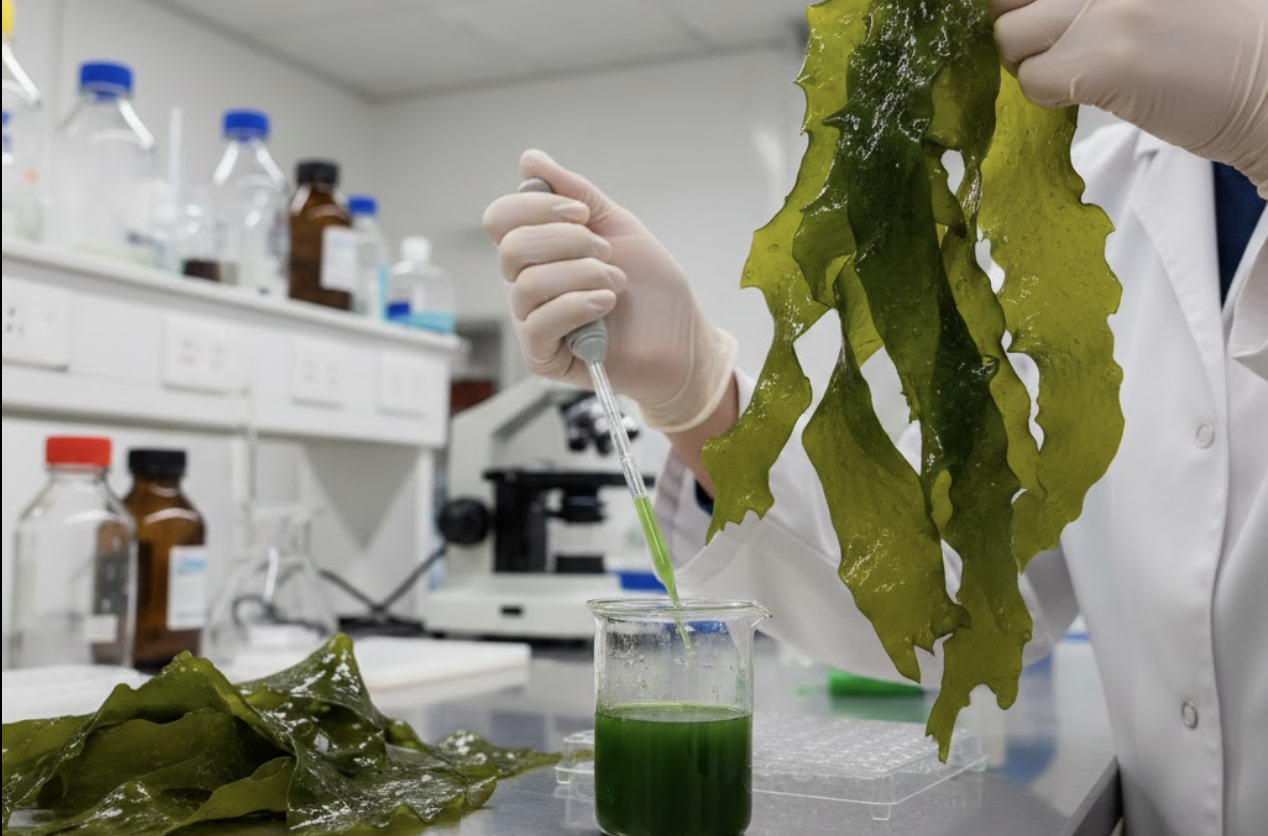
Xian, Shaanxi May 22, 2026 (Issuewire.com) - Seaweed-based biostimulants have moved from niche application into mainstream crop nutrition programs across dozens of markets. Demand has grown — but so has the variability in product quality. Two products carrying nearly identical labels can produce measurably different results in the same field, under the same conditions, applied at the same rate. That inconsistency frustrates distributors and erodes grower confidence in the category as a whole. The explanation rarely lies in seaweed fertilizer as a concept. It lies in the scientific decisions an Advanced Seaweed Fertilizer Manufacturer makes before the product ever reaches a field — decisions about which species to source, how to extract bioactive compounds, and whether the finished formulation preserves biological activity or simply reports it on a specification sheet.
The Functional Spectrum Inside Seaweed Extract
Seaweed extract is not a single compound. It contains multiple classes of bioactive substances, and each class operates through a distinct physiological mechanism in the plant. Alginate oligosaccharides function primarily as signaling elicitors. They trigger the plant's defense pathways and stimulate root cell division, particularly during early root development stages. Betaine acts as a compatible solute — it accumulates in plant cells under osmotic stress, maintaining membrane integrity and enzyme function without disrupting cellular chemistry. Mannitol supports carbon metabolism and helps sustain photosynthetic efficiency when water supply becomes limited. Natural plant growth regulators — including cytokinin-like compounds and auxin precursors present in cold-water seaweed species — support cell elongation, lateral root initiation, and fruit set.
Each of these compounds serves a different agronomic function. Consequently, the value of any seaweed product depends on which compounds it contains, at what concentration, and whether extraction preserved their biological activity. A product with strong alginate content but degraded growth regulators performs differently from one that retains the full active compound spectrum. Understanding that distinction is the starting point for any serious evaluation of the seaweed fertilizer category.
Species Selection as a Scientific Decision
Most manufacturers in this category rely on a single seaweed species — most commonly Ascophyllum nodosum, harvested from North Atlantic cold waters. That choice reflects supply convenience as much as scientific design. Ascophyllum nodosum carries a well-documented compound profile: cytokinins, polysaccharides, and alginic acid, supported by decades of agronomic research. It represents a reliable foundation. However, it does not deliver the full functional range that multi-stress crop programs require.
Ecklonia maxima — South African giant kelp from the cold, nutrient-dense southern Atlantic — brings a complementary profile. It carries elevated polyphenol content, higher concentrations of growth-promoting phytohormones, and a distinctive mannitol and organic acid signature that reinforces the plant's stress tolerance responses. These two species do not duplicate each other's activity; they address different aspects of plant physiology.
Citymax Group, based in Xi'an, China, designed its SEAMAX product around this dual-species logic. SEAMAX combines Ecklonia maxima, Ascophyllum nodosum, and a third seaweed source into a single formulation. That design reflects a specific understanding of how different compound classes interact at the plant level — not a formulation novelty, but a deliberate response to the limitations of single-species products.
Extraction Method Determines What Survives
Species selection sets the potential of a seaweed extract. Extraction method determines how much of that potential reaches the finished product. Two approaches dominate the industry.
Alkali hydrolysis uses sodium hydroxide under elevated temperatures to break down seaweed cell walls efficiently, producing high extract volumes at lower processing cost. The tradeoff is compound degradation. High-temperature alkaline conditions denature protein-bound growth regulators, fragment polysaccharide chains, and reduce the biological activity of thermolabile compounds including betaine and mannitol. The resulting product may report strong total extract figures while delivering reduced functional performance in the field.
Enzymatic hydrolysis works differently. Enzymes cleave cell walls under low-temperature, controlled conditions, releasing bioactive compounds in structurally intact form. SEAMAX applies a three-stage enzymatic hydrolysis process — each stage targeting a different compound class, progressively releasing polysaccharides, phytohormones, and small-molecule bioactives in sequence. The outcome is reflected in the finished specification: alginate oligosaccharides at or above 4,000 ppm, betaine at or above 3,000 ppm, mannitol above 2%, organic acids between 30% and 40%, and potassium above 10%. Those figures represent preserved biological activity, not just raw extraction volume.
MaxSeaSailer, Citymax's Ascophyllum nodosum product, applies the same low-temperature extraction philosophy. It delivers alginic acid above 18%, potassium above 18%, and organic matter above 50% in fully water-soluble flake and micro-particle form — compatible with foliar spray, drip irrigation, and fertigation systems.
Stress Recovery: Where the Compound Science Becomes an Agronomic Outcome
One of the most practically significant applications for seaweed biostimulants is post-stress crop recovery. After cold damage, drought, waterlogging, or agrochemical injury, plants enter a physiological recovery window. The speed and completeness of that recovery directly affect yield outcomes.
The mechanism operates at two levels. Betaine and mannitol stabilize cellular osmotic balance during and after the stress event, reducing membrane damage and preventing secondary protein degradation. Simultaneously, alginate oligosaccharides act as molecular signals that activate antioxidant enzyme systems — specifically superoxide dismutase and catalase — which clear reactive oxygen species accumulated during the stress period. Together, these pathways shorten the recovery window and restore photosynthetic activity faster than untreated plants.
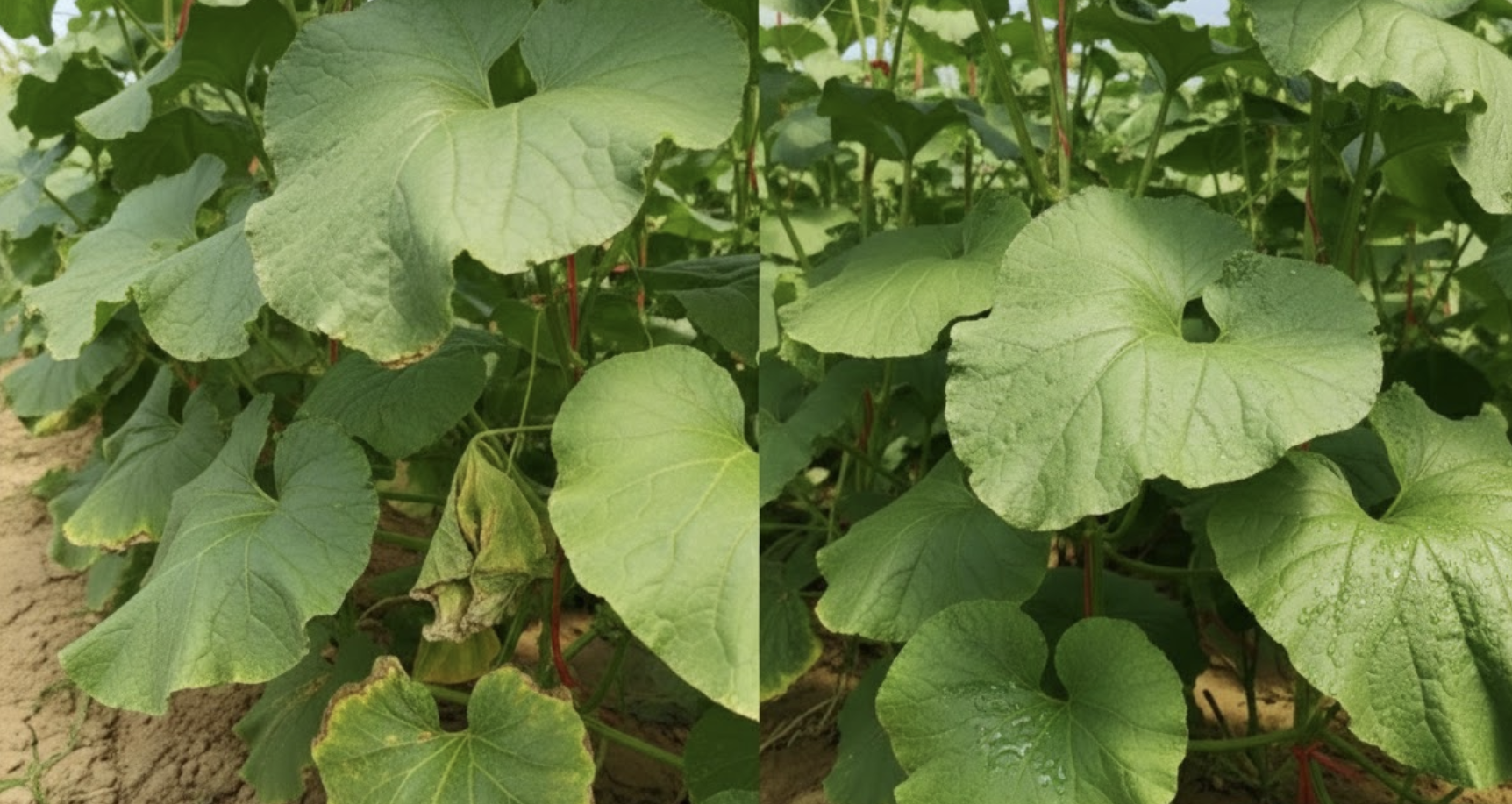
Citymax's ULTRALGAE Plus liquid formulation targets this mechanism directly. It combines seaweed-derived bioactives specifically selected for their roles in osmotic adjustment and antioxidant activation. Field data from lettuce cultivation in Songming, Yunnan Province, support the broader agronomic picture: plots treated with a seaweed-inclusive biostimulant program showed darker leaf coloration, reduced yellowing at leaf margins, improved field uniformity, and higher commercial grade ratios compared to untreated controls.
Research Infrastructure as the Foundation for Consistency
Scientific understanding of seaweed chemistry translates into reliable field performance only when the manufacturer maintains the systems to apply that knowledge consistently across production batches and geographies. Citymax approaches this through connected investment in research infrastructure.
The MAXBIO Synergistic R&D Platform tests how seaweed products interact with amino acid and humic acid inputs under combined application conditions — generating data on additive and synergistic effects that single-product trials cannot capture. Raw material traceability underpins this system. South African giant kelp supply enters through a direct sourcing relationship, with incoming batches verified against specifications before processing begins. That verification step matters: a three-stage enzymatic hydrolysis process can only deliver consistent compound concentrations if the input material meets a defined biological standard.
For distributors building regional product programs, this combination — species-based formulation design, low-temperature extraction, verified raw material sourcing, and multi-environment efficacy data — describes a manufacturer that has worked through the science rather than around it. Seaweed fertilizer products differ not because the category is inconsistent, but because manufacturers make different choices about where rigor is worth applying. The field results follow from those choices.
For product documentation, sample requests, or distribution partnership inquiries, visit: https://www.citymax-group.com/.
Media Contact
Shaanxi Yuantai Biological Technology Co., Ltd. sales@sxytbio.com +86 29 89286649 13th Floor, DaJingInternational, No. 67, Keji 2ndRoad, High-tech Zone, Xi'an City, Shaanxi Province, China https://www.citymax-group.com/