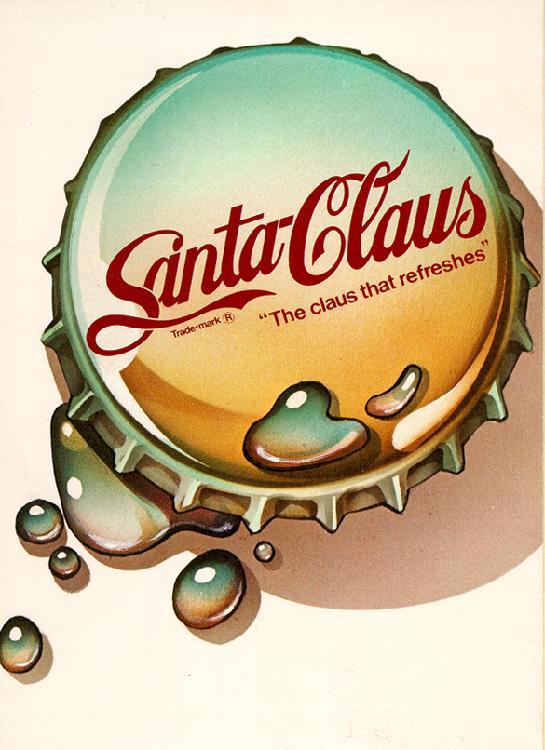
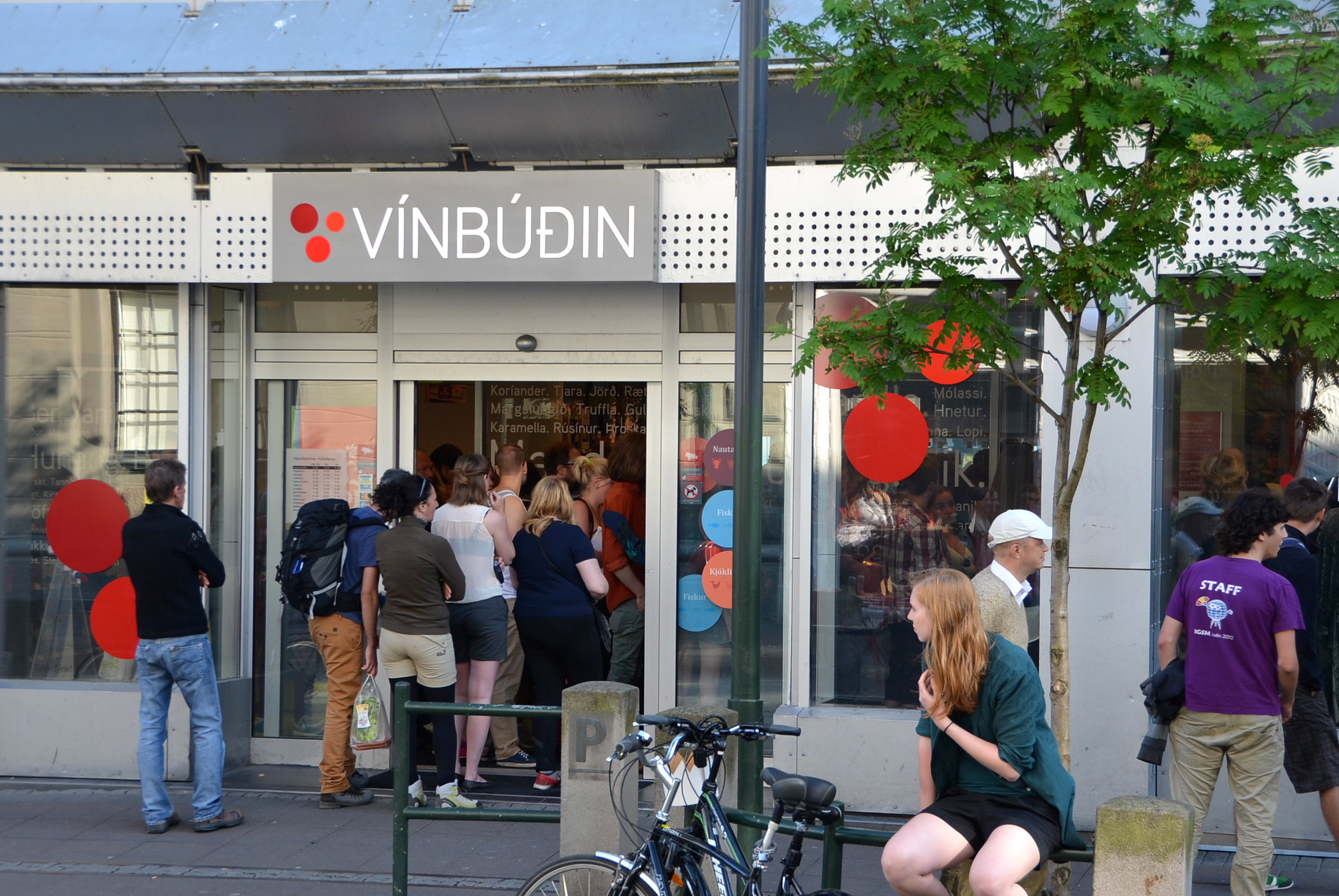
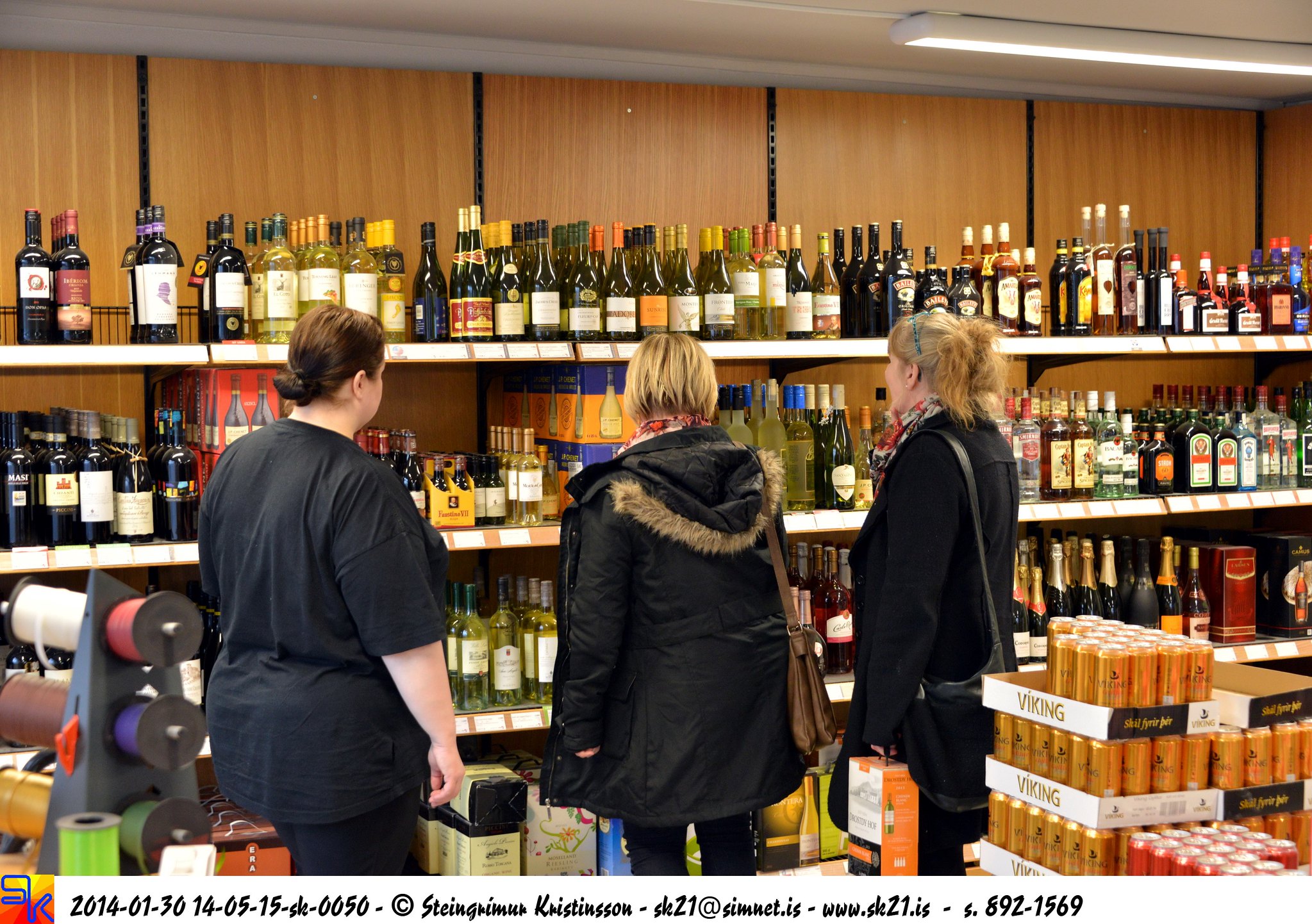
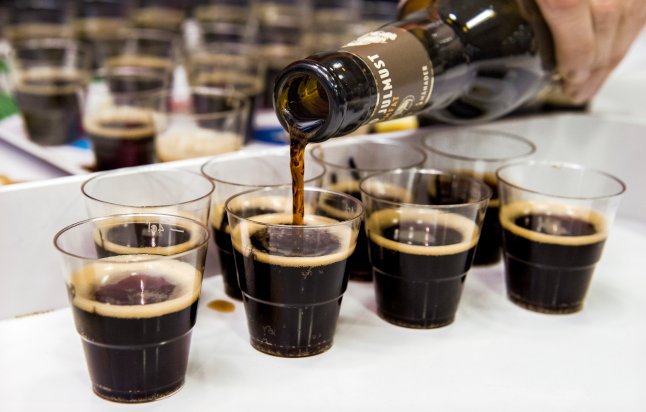
Hafnarfjordur, Reykjavík Aug 27, 2022 (Issuewire.com) - GRÝLA, a naturally refreshing Julmust Soft Drink from The Santa-Claus Cola Company is planned for release into the Vínbúðin distribution network across Iceland. The State Alcohol and Tobacco Company of Iceland – Vínbúðin plans to feature the Julmust beverage on their website at https://www.vinbudin.is, just in the Nick of Time for the Christmas Season. The exact ingredients and processes used to make “Julmust” is a closely guarded secret since 1910 from the founding of AB Roberts in Örebro, Sweden https://www.roberts.se, but Die Hard Julmust aficionados are proving to love the taste of this unique beverage year-round.
In Viking Lore: Iceland’s “Santa Claus” was a Christmas Witch who lived in the frigid North and went by the Old Icelandic name of Grýla. This Witch lives in an Íshellir hide-out in Iceland’s mountains, the matriarch of a tribe of medieval Norsemen, launching her stealth attacks on naive Reykjavik residents, snatching up misbehaving children, and turning them into the delicious stew, cooking them in the geothermal waters of Old Reykjavik Harbor. Reykjavik is so named for the smoke coming out of the ground, it was steam, of course, owing to the highly geothermally active ground. Reykur (smoke), Vik (bay). Reykjavik, therefore, means “smokey bay” or “bay of smoke” perfect for cooking naughty children. Here, you will find The Blue Lagoon (Icelandic: Bláa lónið), https://bluelagoon.is the world's largest geothermal Spa and Sauna.
“You don’t mess with Grýla,” says Terry Gunnell, the head of the Folkloristics Department at the University of Iceland. “She rules the roost up in the mountains.” Tales of the Witch began as oral accounts, with the earliest written references found in the 13th century, in historic sagas and poems throughout the region. One reads, “Here comes Grýla, down in the field, with fifteen tails on her,” while another describes, “Down comes Grýla from the outer fields, With forty tails, A bag on her back, a sword and knife in her hand, Coming to carve out the stomachs of the children, Who cry for meat during Lent.” said Gunnell.
Grýla, whose name translates loosely to “growler,” showed up with a horned tail and a bag into which she would toss naughty children. You never knew exactly where she was,” says Gunnell. Viking poems were written about her and their husband, but he didn’t last long, as Gunnell explains. “She ate one of her husbands when she got bored with him. In some ways, she’s the first feminist in Iceland.” Grýla did not get connected to Christmas until around the early 19th century, when poems began to associate her with the holiday. It was also about this time when the Yule Lads and Yule Cat – which had been standalone Christmas characters with no connection to the Christmas Witch – then became part of her mythical saga.
In the 20th century, as American Christmas and its depiction of Santa Claus proliferated through Europe and beyond, attempts were made to “Santafy” the Yule Lads. Their bellies widened, their troll-like whiskers grew a bit bushier, and they acquired red-and-white fur costumes. They also, like Santa, began leaving gifts rather than taking sausages, snacks, and so on. (The Dutch tradition of children leaving out their shoes to find chocolates and treats the next morning also influenced this shift.) Some critics tried to snuff out Grýla altogether, attempting to sideline the scary character with more family-friendly fare; one popular Christmas song describes her death.
Grýla is currently married to her third husband, Leppalúði. She murdered her first two husbands as they were boring. She and her husband own the Yule Cat. The Yule cat visits farmhouses on Christmas Eve and eats people who didn’t get their “jólin” presents. Grýla, the Christmas Witch was the Perfect Scapegoat for anthropophagic banquets that were often connected with plots of revenge in the literary tradition as told in the Völsunga saga: Guðrún, seeking vendetta against her husband, kills his sons, and serves him their roasted hearts and mead mixed with their blood.
In Europe, from the 12th century up until the early 18th century, people knowingly sold and purchased human body parts as medications, particularly bones, blood, and fat. Even priests and royalty routinely consumed human body products in an effort to stave off anything from Migraine-headaches to Syphilis and from Nosebleeds to Leprosy.
Production takes place in Santa-Claus Cola’s contract manufacturing facilities at Sundabakki 2, 104 Reykjavík in Iceland. For more information, visit https://santaclauscola.webnode.co.uk. International Distributor inquiries are always welcome. Gleðileg jól og farsælt komandi ár! - A Christmas greeting in Icelandic from The Santa-Claus Cola Company is “The Claus that refreshes”.
For More Information:
Ásthildur Ívarsdóttir
The Santa-Claus Cola Company
+354 539 0603
Icelandic St. Nick tells the story of Grýla the Christmas Witch.
Media Contact
Ásthildur Ívarsdóttir santaclauscola@vivaldi.net +354 539 0603 https://www.vinbudin.is/heim