New Delhi, Delhi Jul 9, 2025 (Issuewire.com) - In a world increasingly grappling with environmental challenges, the fashion industry's linear "take-make-dispose" model is no longer sustainable. Mountains of textile waste pile up in landfills, resources are depleted at an alarming rate, and the true cost of fleeting trends becomes undeniable. However, a transformative concept is gaining momentum: the circular economy in fashion. This revolutionary approach seeks to redefine how products are designed, manufactured, used, and ultimately repurposed, proving that longevity is not just a practical choice, but the ultimate style statement.
At its core, the circular economy in fashion is about minimizing waste and maximizing resource utility. Instead of materials moving in a straight line from extraction to disposal, they circulate. This involves designing products for durability, facilitating repair and reuse, and ensuring materials can be recycled or composted at the end of their life. For brands like Henney Bear, committed to "Vegan, Ethical Excellence, Sustainable Style," embracing longevity is paramount, aligning perfectly with this forward-thinking philosophy.
The Problem with Linear Fashion: A Call for Change
The traditional fashion model, often termed "fast fashion," thrives on rapid production cycles, low prices, and disposable garments. This leads to a myriad of environmental and social issues:
- Excessive Waste: Billions of tons of textiles, often made from synthetic fibers that take hundreds of years to decompose, end up in landfills annually. This contributes significantly to pollution, greenhouse gas emissions, and the overburdening of waste management systems. The sheer volume of discarded clothing is staggering, creating literal mountains of waste.
- Resource Depletion: High demand for virgin materials, whether natural fibers like cotton (which is water-intensive) or synthetic fibers derived from fossil fuels, strains natural resources. The dyeing and finishing processes also consume vast amounts of water and energy, often releasing harmful chemicals into waterways.
- Ethical Concerns: The relentless pressure to produce quickly and cheaply often leads to exploitative labor practices, including low wages, unsafe working conditions, and long hours for garment workers in various parts of the world. This human cost is a stark reminder of the ethical failures of the linear model.
Consumers, particularly the discerning luxury shoppers in India’s metro cities, are becoming increasingly aware of these issues. They are actively seeking alternatives and demanding more from the brands they support. This growing awareness is paving the way for the circular fashion economy in India, driven by a desire for more responsible and meaningful consumption. Indian consumers are increasingly prioritizing brands that demonstrate transparency and a genuine commitment to sustainability, moving beyond mere aesthetics to consider the entire lifecycle of a product.
Longevity in Fashion: The Cornerstone of Circularity
One of the simplest yet most powerful ways to move towards a circular fashion system is to extend the life of products. This is where longevity in fashion sustainability becomes critical. When a product is designed and manufactured to last, it reduces the frequency of new purchases, thereby decreasing resource consumption, waste generation, and the overall environmental footprint associated with manufacturing, transportation, and disposal. It's a direct antidote to the "disposable" mentality of fast fashion.
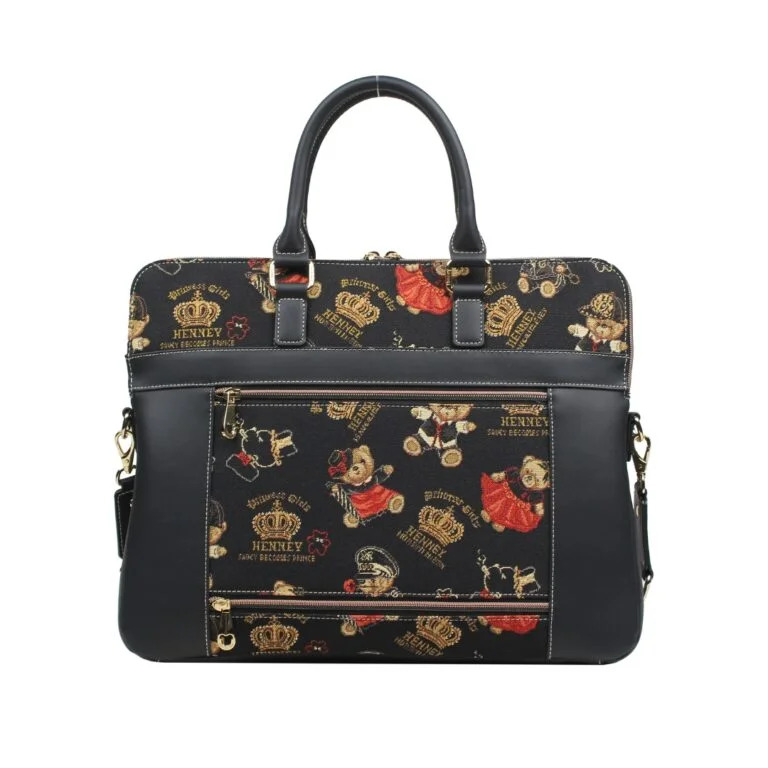
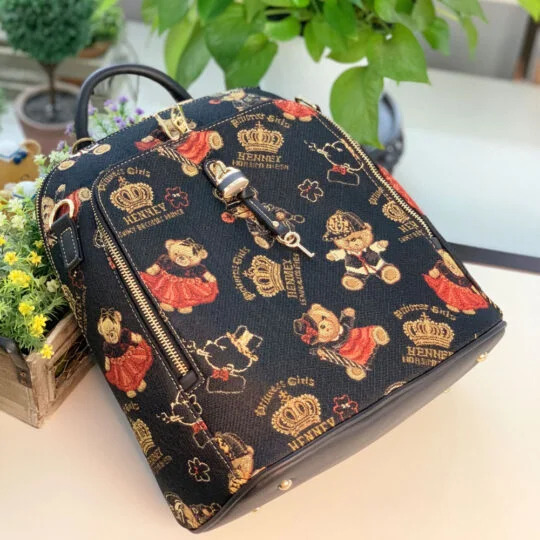
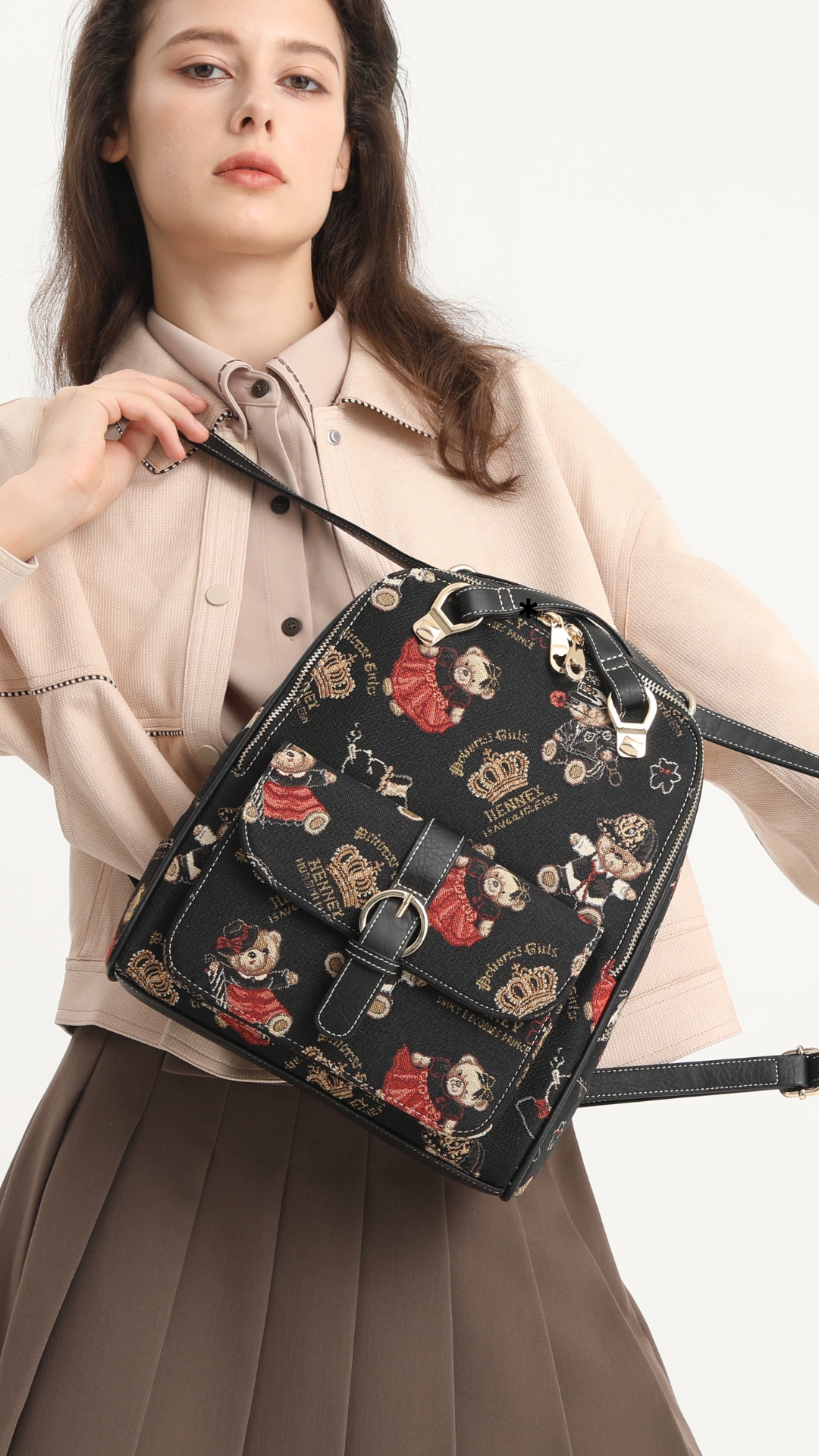
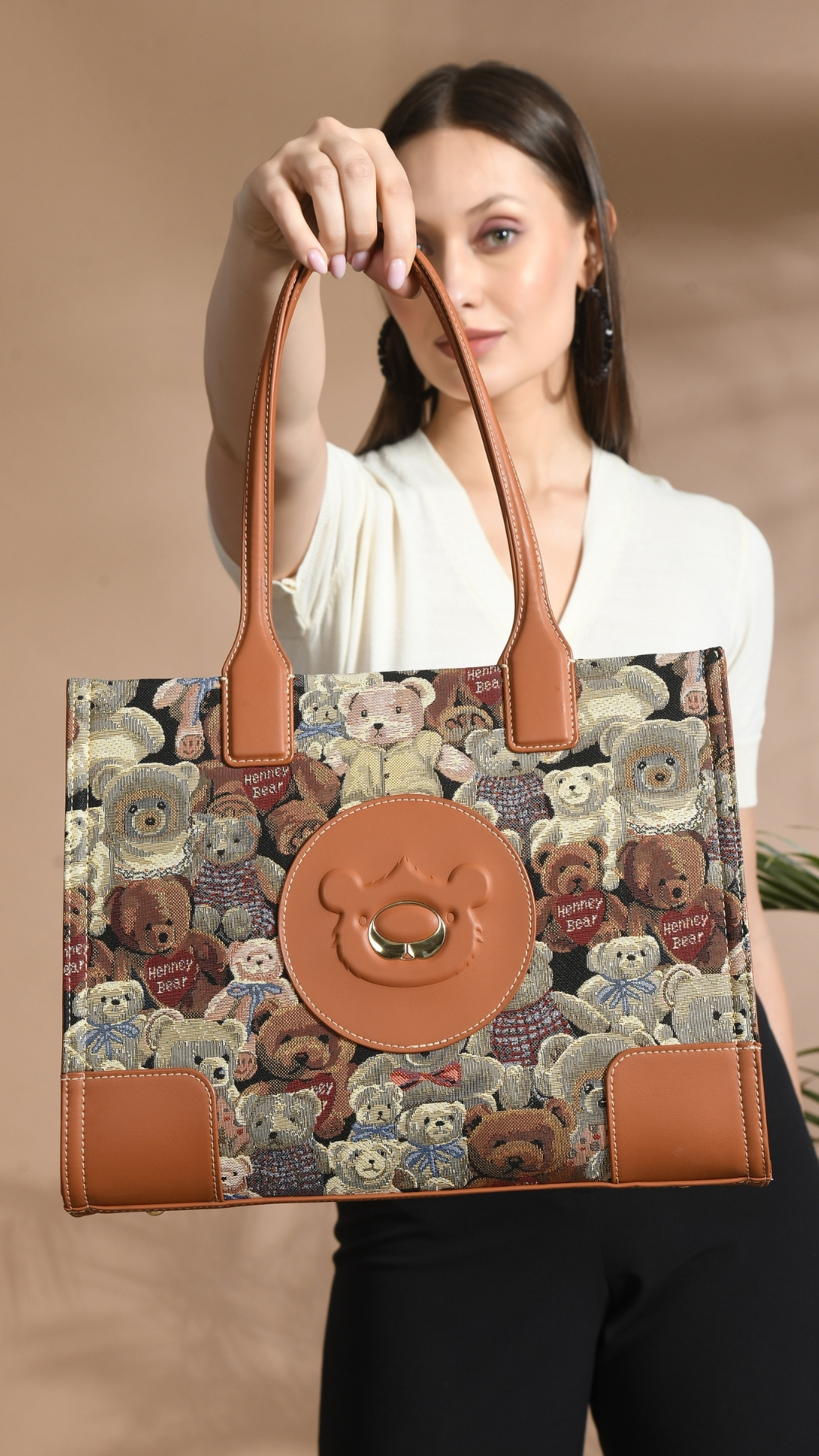
At Henney Bear, durability is not an afterthought; it is ingrained in our design and production philosophy. We are explicitly not a fast fashion brand. Our commitment to creating unique, artistic, and colourful bags extends to ensuring they are built to endure. We use high tensile polyester threads for our intricate tapestries, renowned for their strength, resilience, and ability to maintain their vibrant colors over time. The premium PU leather we utilize is selected not just for its luxurious feel and vegan credentials, but also for its exceptional durability and resistance to wear and tear. Our bags are crafted to have a normal life of 3-5 years and often more, a testament to our dedication to enduring quality and a core contribution to the circular economy. This means fewer bags ending up in landfills and more cherished pieces being used and loved for extended periods.
Investing in Durable Accessories: A Smart and Sustainable Choice
For consumers, investing in durable accessories like a Henney Bear handbag is a savvy decision from multiple perspectives:
- Economic Sense: While the initial investment might be higher than a fast-fashion alternative (our average selling price is ₹8,000, with a range from ₹2,500 to ₹25,000), the cost-per-wear over years makes it a far more economical choice in the long run. Less frequent replacement means less money spent over time, providing true value for money.
- Environmental Impact: Choosing a bag designed for longevity directly contributes to reducing waste and conserving resources. By extending the life of a single product, you are actively participating in a slower, more sustainable consumption cycle, minimizing your personal fashion footprint.
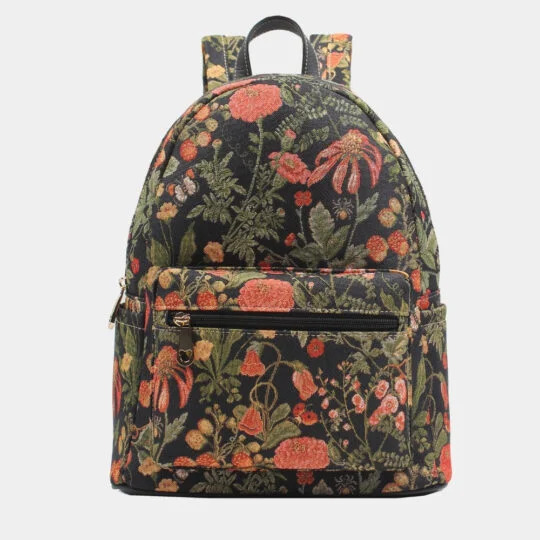
Style Longevity: High-quality, uniquely designed items tend to transcend fleeting trends. A Henney Bear bag, with its intricate tapestry art and internationally inspired designs (like Strawberry & Bird, Parrot Song, Henney Password), is designed to be a timeless statement piece rather than a seasonal fad. Our bags are noticeable and often catch customers' eyes for being unique and not plain and simple, ensuring they remain cherished and stylish for years, becoming signature elements of a well-curated wardrobe.
Media Contact
Henney Bear India *****@gmail.com 8298294444 C-10, Nangal Dewat, Sector D, Vasant Kunj, https://henneybear.in/