Dongguan, Guangdong Mar 17, 2026 (Issuewire.com) - The integrity of a building’s flooring is often judged by the seamless perfection of its tiles. Whether in a high-end commercial lobby, a bustling hospital corridor, or a modern residential complex, tiles serve as the foundation of both aesthetic appeal and structural safety. However, facility managers and homeowners alike are frequently confronted with the subtle, echoing sound of a hollow tile—a phenomenon known as tile hollowness. This issue, caused by a loss of bond between the tile and the substrate, often leads to unsightly cracks, loose surfaces, and, in high-traffic environments, potential safety hazards.
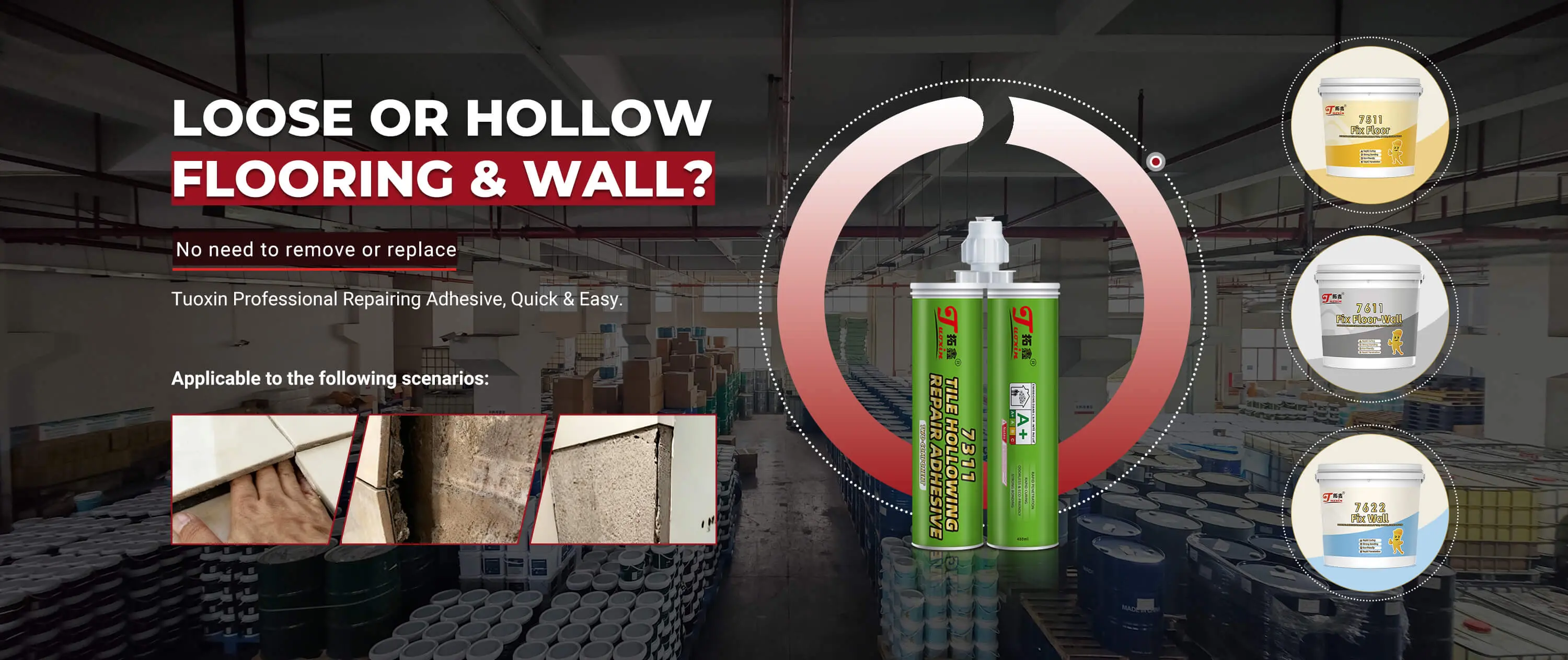
For years, the industry standard for remediation involved the labor-intensive removal and replacement of tiles. This traditional approach is inherently disruptive, creating excessive dust, noise, and significant downtime that can cripple daily operations. However, the emergence of a specialized Advanced Tile Hollow Repair Solutions Provider has fundamentally changed this landscape. By leveraging sophisticated material science, modern repair technologies focus on restoring structural integrity without the need for deconstruction, offering a non-invasive, high-efficiency pathway to restoration.
This article examines how these technical advancements prioritize operational efficiency, redefining how we approach property maintenance through three critical pillars: rapid turnaround, simplified implementation, and long-term durability.
Level 1 Efficiency——Rapid Restoration: Minimizing Downtime in High-Traffic Zones
In the sphere of modern construction and facility management, time is the ultimate currency. When a flooring defect occurs, the immediate concern is not just the repair itself, but the operational cost of the space being "out of commission." In a retail environment, every hour of closure translates to lost revenue; in a healthcare facility, it restricts access to essential services. Traditional demolition-and-replacement methods require heavy equipment, adhesive removal, curing time, and re-grouting, a process that can stretch into days or even weeks.
The technical breakthrough lies in the development of low-viscosity, high-penetration adhesives designed for near-instantaneous site restoration. Modern repair systems, such as the 7511 series developed by specialized providers like Tuoxin, utilize advanced chemical formulations that exhibit superior fluidity. These materials are engineered to flow under the tile surface through existing gaps or strategically placed micro-injections, filling the void completely without the need to lift the tile.
The efficiency of this process is magnified by the rapid-setting properties of these synthetic resins. Unlike traditional cementitious mortars that require extensive curing times, high-penetration adhesives are often capable of reaching structural load-bearing capacity within a fraction of the time. Consequently, a floor segment repaired in the morning can often be fully operational by the afternoon. This rapid turnaround represents a significant leap in efficiency, allowing project managers to maintain productivity even during maintenance phases, effectively eliminating the "downtime bottleneck."
Level 2 Efficiency——Streamlined Implementation: The Simplicity of Precision Engineering
Complexity is often the primary antagonist of operational efficiency. Traditional tile replacement is a multifaceted, multi-step process that is highly susceptible to human error. It involves manual labor to remove damaged tiles, meticulous cleaning of the substrate, perfect mixing of new adhesives, precise leveling of the new tile, and waiting for the grout to cure. Each of these steps introduces variables—such as differences in ambient humidity or improper mixing ratios—that can lead to secondary defects.
Modern tile hollow repair solutions, conversely, prioritize a streamlined application process that demands less from the labor force while delivering more consistent results. By utilizing precision-engineered delivery systems, the technician only needs to identify the hollow areas, drill discreet entry points—often as small as a needle’s width—and inject the adhesive.
This simplified workflow does more than just save labor; it mitigates the risk of collateral damage. Traditional deconstruction carries the inherent danger of cracking adjacent tiles or damaging the surrounding grouting, which often necessitates broader, unplanned repairs. By keeping the intervention localized and non-destructive, the overall technical complexity is significantly reduced. The material’s inherent flow dynamics ensure that once the adhesive enters the void, it spreads evenly across the substrate-tile interface, guaranteeing comprehensive coverage with minimal manual intervention. This technical simplicity ensures that the repair remains focused, clean, and consistent, maintaining the architectural integrity of the original installation.
Level 3 Efficiency——Longevity and Reliability: The One-Pass Efficiency Mandate
While speed and simplicity are vital, true efficiency is defined by the longevity of the solution. A repair that requires recurring interventions is, by definition, inefficient, regardless of how quickly it was initially performed. The frequent "patch-up" cycle is a common pitfall in facility maintenance, where temporary fixes eventually succumb to the stresses of thermal expansion, building vibration, or heavy foot traffic.
The core of effective tile hollow repair lies in the chemical bond and the mechanical strength provided by high-performance adhesives. Advanced solutions are designed to form a permanent, elastic bond that bridges the gap between the tile and the substrate. This bond must be robust enough to handle the subtle thermal expansions and contractions of the building structure while remaining flexible enough to prevent future brittleness and cracking.
By achieving a "one-pass" result—where the repair effectively eliminates the hollow space and establishes a permanent connection that prevents future detachment—these solutions remove the need for repetitive remediation. This "fix-it-once" durability is the ultimate testament to efficient engineering. When a repair lasts for the remaining lifespan of the building, the lifetime cost of the asset is significantly lowered. It shifts the maintenance philosophy from reactive patching to proactive, permanent restoration. This reliability is what transforms a simple repair product into a strategic asset for facility management, optimizing long-term maintenance budgets and resource allocation.
Building a Standard of Excellence
Behind these technical solutions are organizations dedicated to the science of construction maintenance. Companies such as Tuoxin exemplify this commitment by focusing on specialized adhesive technologies that solve real-world problems. By integrating professional-grade products with refined application protocols, they provide the industry with a reliable toolkit for modern maintenance that is both environmentally conscious and operationally efficient.
Effective maintenance is increasingly about intelligence and precision rather than just raw labor. As the construction industry continues to evolve, the reliance on high-efficiency, non-destructive repair methods will continue to grow as a standard practice. By choosing solutions that emphasize rapid application, simplified operational protocols, and long-term durability, stakeholders can ensure that their infrastructure remains both functional and visually pristine. This technical approach does not merely repair tiles; it preserves the value and safety of the built environment, reflecting the high standards expected in contemporary construction.
For further information on professional tile maintenance technologies and solutions, visit: https://www.tuoxinnm.com/
Media Contact
Guangdong Tuoxin New Materials Co., Ltd info@tuoxinnm.com