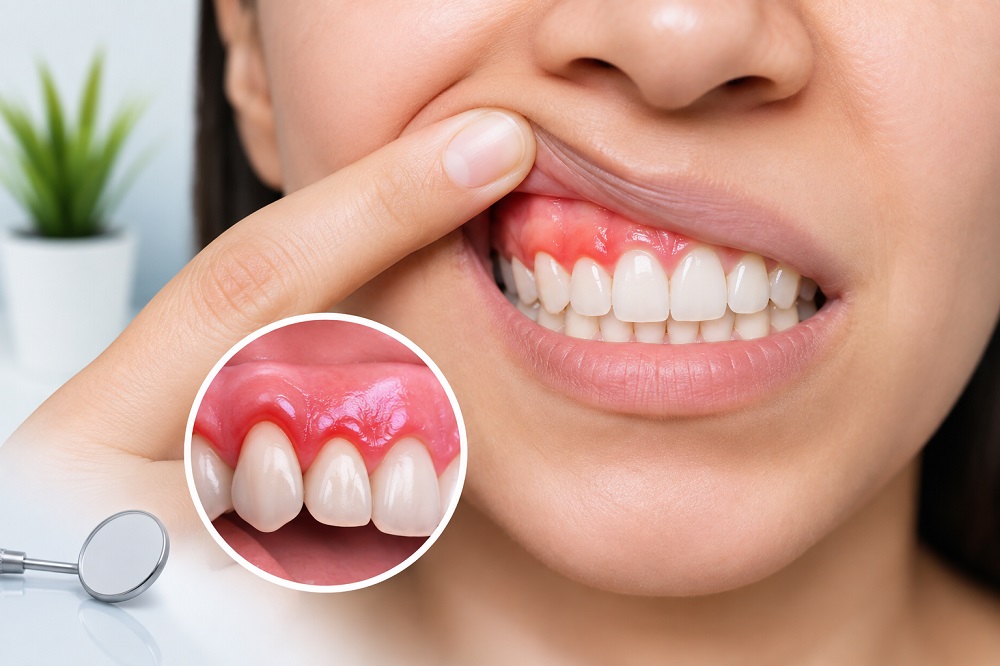
New Delhi, Delhi Sep 5, 2026 (Issuewire.com) - Have you noticed that your gums look puffy, red, or feel tender when you brush or eat? Swollen gums are common, but they don't always happen for the same reason. Sometimes, poor brushing habits or food stuck between the teeth can cause temporary swelling. In other cases, gum swelling can point to an infection or another dental problem that needs professional attention.
Understanding why your gums swell can help you take action before the problem becomes more uncomfortable or affects your oral health.
What Do Swollen Gums Feel Like?
Healthy gums usually look firm and pink and fit closely around your teeth. When your gums swell, you may notice changes such as:
-
Red or darker-looking gums
-
Puffy areas around one or more teeth
-
Tenderness while brushing
-
Bleeding during brushing or flossing
-
Pain while chewing
-
Bad breath
-
Increased sensitivity
-
A feeling of pressure around the teeth
The symptoms can affect a small area or spread across several parts of your mouth. The cause often determines how long the swelling lasts.
Common Causes of Swollen Gums1. Gingivitis
Gingivitis ranks among the most common causes of swollen gums. Plaque builds up around the teeth when you don't remove it properly through regular brushing and flossing. Bacteria in plaque can irritate the gums and cause redness, swelling, and bleeding.
The good news? You can often manage early gingivitis with better oral hygiene and professional dental cleaning.
If your gums frequently bleed or swell, visiting the Best Dentist in Pitampura can help identify the cause and prevent the condition from progressing.
2. Gum Disease
When gingivitis continues without proper care, it can progress to periodontitis, a more serious form of gum disease. This condition can affect the tissues and bone that support your teeth.
You may notice persistent gum swelling, bleeding, bad breath, gum recession, or loose teeth. Gum disease can progress gradually, so don't ignore symptoms simply because the pain feels mild.
A dental examination can help your dentist assess your gums and recommend appropriate treatment.
3. Food Stuck Between Your Teeth
Sometimes, something as simple as food trapped between two teeth can irritate your gums. Foods such as meat fibers, popcorn shells, or seeds can lodge in small spaces and cause localized swelling.
You can gently clean between your teeth with dental floss or an interdental cleaner. Avoid using sharp objects because they can injure your gums.
If the swelling doesn't improve after removing the trapped food, consider consulting the Best Dentist in Rani Bagh for an examination.
4. Poor Oral Hygiene
Skipping brushing, brushing too quickly, or avoiding flossing can allow plaque and bacteria to accumulate around your teeth. Over time, this buildup can irritate your gums and cause swelling.
Try brushing twice a day with a soft-bristled toothbrush and cleaning between your teeth every day. Regular dental checkups can also help you maintain healthy gums.
5. Hormonal Changes
Hormonal fluctuations can make your gums more sensitive. Some people experience increased gum swelling or bleeding during periods of hormonal change, including pregnancy, puberty, or certain stages of the menstrual cycle.
Good oral hygiene becomes especially important during these periods. If swelling continues or causes significant discomfort, talk to your dentist.
6. Tooth Decay or Dental Infection
A cavity that reaches the deeper parts of a tooth can sometimes cause pain and swelling around the affected area. A dental infection may also cause a noticeable lump or swelling near the tooth.
You may experience severe toothache, sensitivity, a bad taste in your mouth, fever, or facial swelling along with gum swelling.
Don't wait for these symptoms to disappear on their own. A dental professional needs to identify the source and provide appropriate treatment.
7. Ill-Fitting Dental Appliances
Braces, dentures, retainers, and other dental appliances can sometimes irritate the gums. A rough edge or poorly fitting appliance may rub against the gum tissue and cause localized swelling.
Your dentist can check the appliance and make adjustments when necessary.
8. Certain Medications
Some medications can cause changes in the gums, including gum enlargement or increased sensitivity. If you notice unusual gum changes after starting a new medication, speak with your doctor or dentist.
Never stop taking prescribed medication without discussing it with your healthcare provider first.
When Should You See a Dentist for Swollen Gums?
Mild gum swelling may improve when you improve your oral hygiene and remove irritants. However, persistent or severe swelling deserves professional attention.
Consider scheduling a dental appointment if:
-
Your swelling lasts for more than a few days.
-
Your gums bleed regularly.
-
You experience significant pain.
-
You notice pus around your gums or teeth.
-
You have persistent bad breath.
-
Your gums pull away from your teeth.
-
Your teeth feel loose.
-
You develop a lump around a tooth.
-
Swelling keeps returning.
A consultation with the Best Dentist in Pitampura can help determine whether your symptoms come from gingivitis, gum disease, tooth decay, an infection, or another dental issue.
What Can You Do at Home?
You can take a few simple steps to support your gum health while arranging a dental appointment:
Brush gently
Use a soft-bristled toothbrush and gentle movements. Brushing harder doesn't necessarily clean your teeth better and may irritate your gums.
Clean between your teeth
Floss or use an interdental cleaner to remove plaque and food particles from areas your toothbrush cannot reach.
Rinse with warm salt water
A warm salt-water rinse may provide temporary comfort for mildly irritated gums. However, it doesn't replace professional treatment when an infection or gum disease causes the swelling.
Avoid tobacco
Tobacco can negatively affect your gums and increase the risk of several oral health problems. Avoiding tobacco supports healthier gums and improves your overall oral health.
Don't ignore recurring symptoms
If your gums repeatedly swell, look beyond temporary home remedies. Recurring symptoms may indicate an underlying dental problem.
How Does a Dentist Treat Swollen Gums?
Treatment depends on the underlying cause.
For gingivitis, your dentist may recommend professional cleaning and better daily oral hygiene. If gum disease has progressed, you may need more extensive periodontal care.
A cavity may require a filling or root canal treatment, depending on its depth. An infection may require specific dental treatment to remove the source of the infection.
Your dentist will examine your mouth and recommend treatment according to your individual needs.
If you want professional guidance from the Best Dentist in Rani Bagh, a dental examination can help you understand why your gums keep swelling and what steps can protect your teeth.
Can Swollen Gums Affect Your Teeth?
Yes. Persistent gum inflammation can affect the tissues that support your teeth. Untreated gum disease can eventually contribute to gum recession, bone loss, loose teeth, and tooth loss.
That doesn't mean every episode of gum swelling leads to serious problems. The key lies in identifying the cause early and taking appropriate care.
Regular checkups with the Best Dentist in Pitampura can help detect gum problems before they become more difficult to manage.
How Can You Prevent Swollen Gums?
A consistent oral-care routine can go a long way toward protecting your gums.
Follow these simple habits:
-
Brush twice a day.
-
Clean between your teeth daily.
-
Replace your toothbrush when the bristles become worn.
-
Limit sugary snacks and drinks.
-
Drink plenty of water.
-
Avoid tobacco products.
-
Visit your dentist for regular checkups and cleanings.
-
Don't ignore bleeding, swelling, or persistent mouth pain.
If you already experience frequent gum problems, the Best Dentist in Rani Bagh can evaluate your oral health and suggest a personalized care routine.
Final Thoughts
Swollen gums may seem like a minor problem, but they can sometimes signal an underlying dental condition. Plaque buildup, gingivitis, gum disease, trapped food, cavities, infections, hormonal changes, and dental appliances can all contribute to gum swelling.
Pay attention to symptoms that continue, worsen, or return frequently. Early dental care can make treatment easier and help protect your teeth and gums for the long term.
With good daily oral hygiene and regular dental visits, you can reduce your risk of gum problems and maintain a healthier, more comfortable smile.
Media Contact
Vardhman Dental Care vardhmandentalcare@gmail.com 8285101213 114, 115 & 117; 1st floor, Vardhman Shopping Centre, Rohit Kunj market, Pitampura New Delhi-110034, India. https://www.vardhmandentalcare.com/