New Delhi, Delhi Dec 2, 2024 (Issuewire.com) - Title: Progress and Policy Roundtable on Standard Essential Patents (SEPs): Balancing Innovation and Accessibility in Emerging Technologies
Venue: Radisson Blu Marina Hotel, Connaught Place, New Delhi
Date and Time: 29th November 2024, 4:00 PM – 6:15 PM IST
Key Highlights
- Focus on SEP Governance and Challenges: Discussed the importance of SEPs in 5G, AI, IoT, and autonomous vehicles. Explored challenges in licensing, pricing, and accessibility, particularly in India.
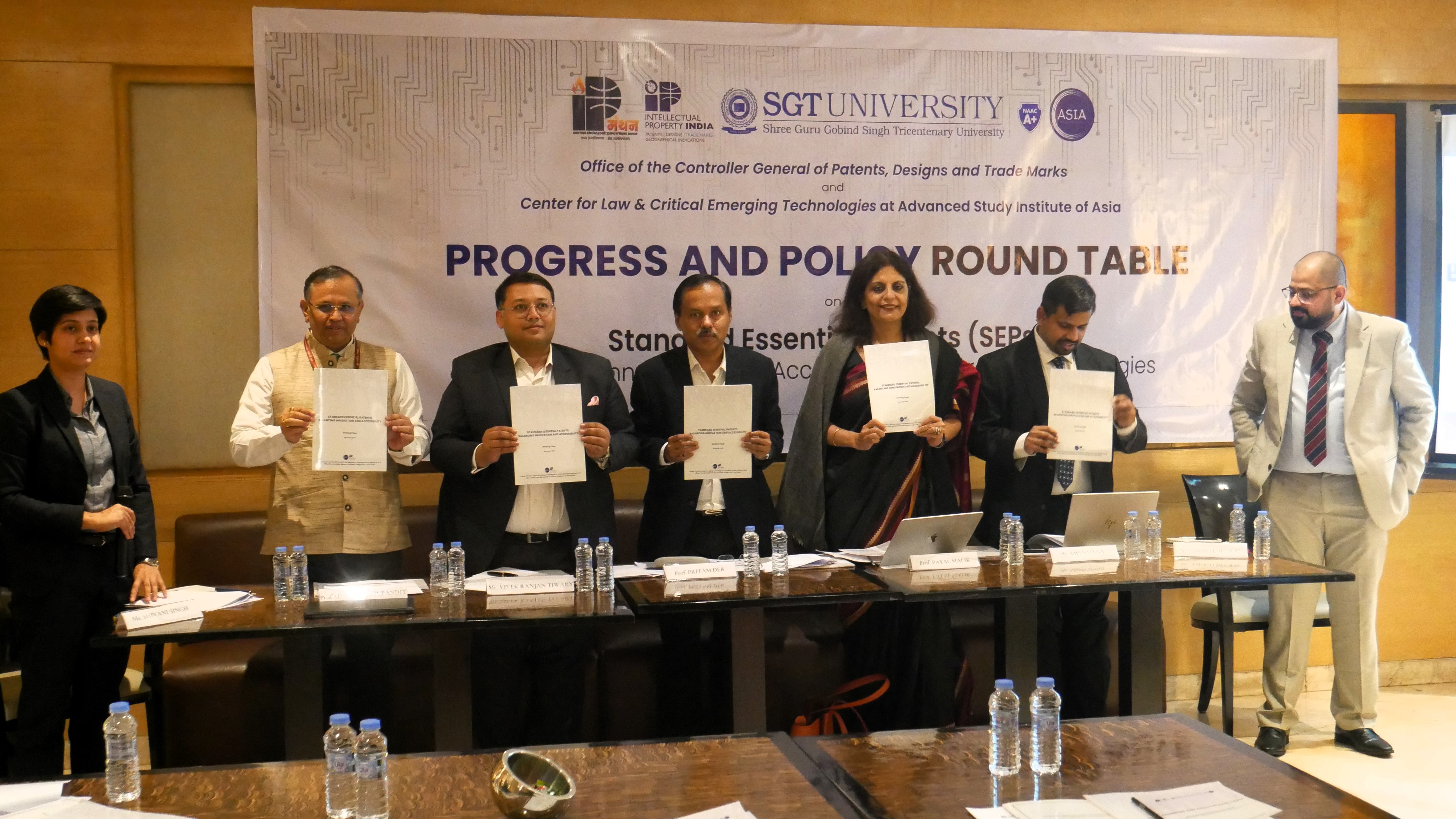
- Launch of the Working Paper: Standard Essential Patents: Balancing Innovation and Accessibility was launched, offering solutions like centralized SEP registries, adaptive royalty models, and global alignment for India’s SEP policies.
- Expert Insights: Emphasis on transparency in SEP licensing, clearer FRAND guidelines, and SME-friendly tiered licensing strategies to align India’s SEP framework with international standards.
About the Event
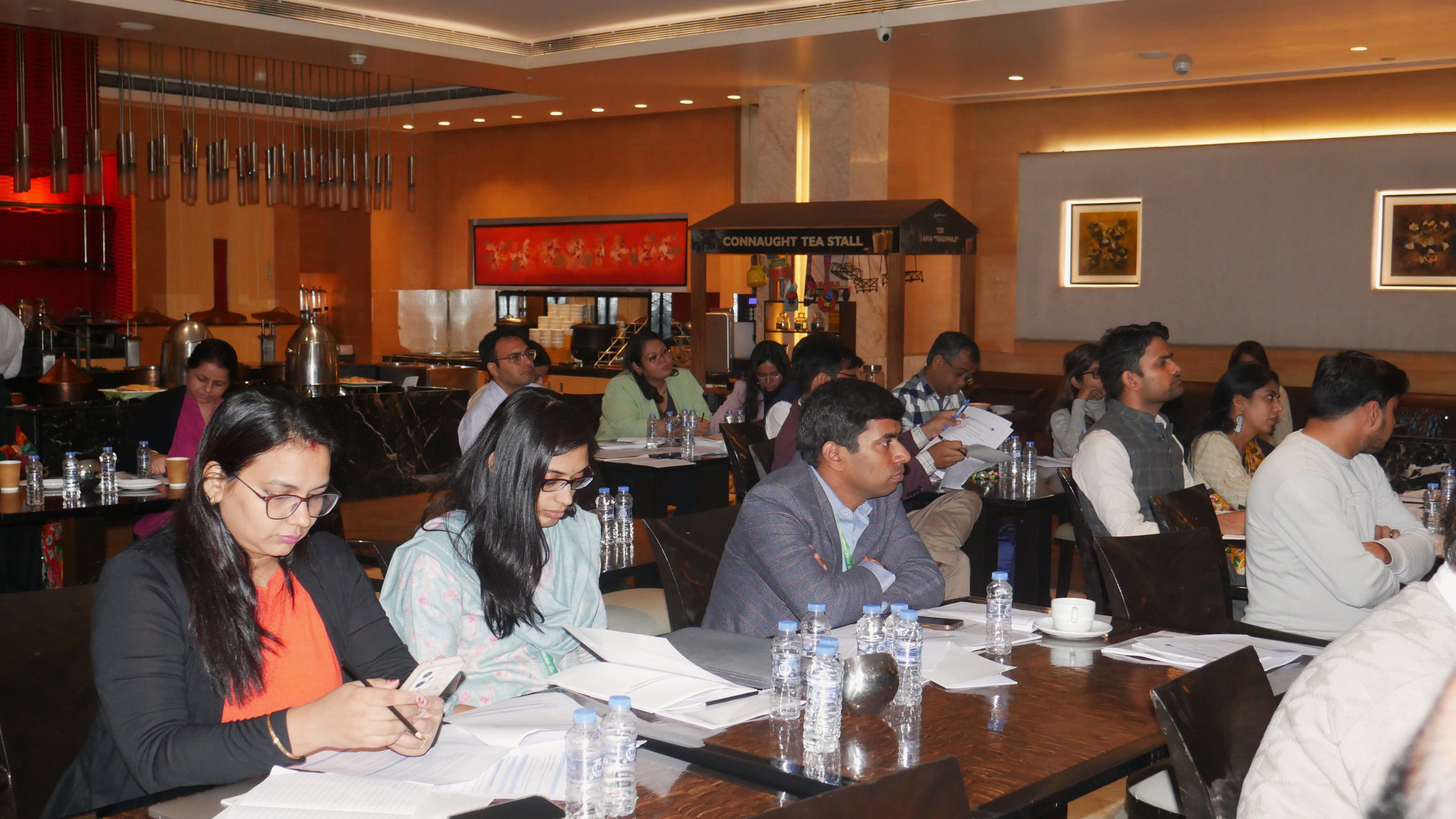
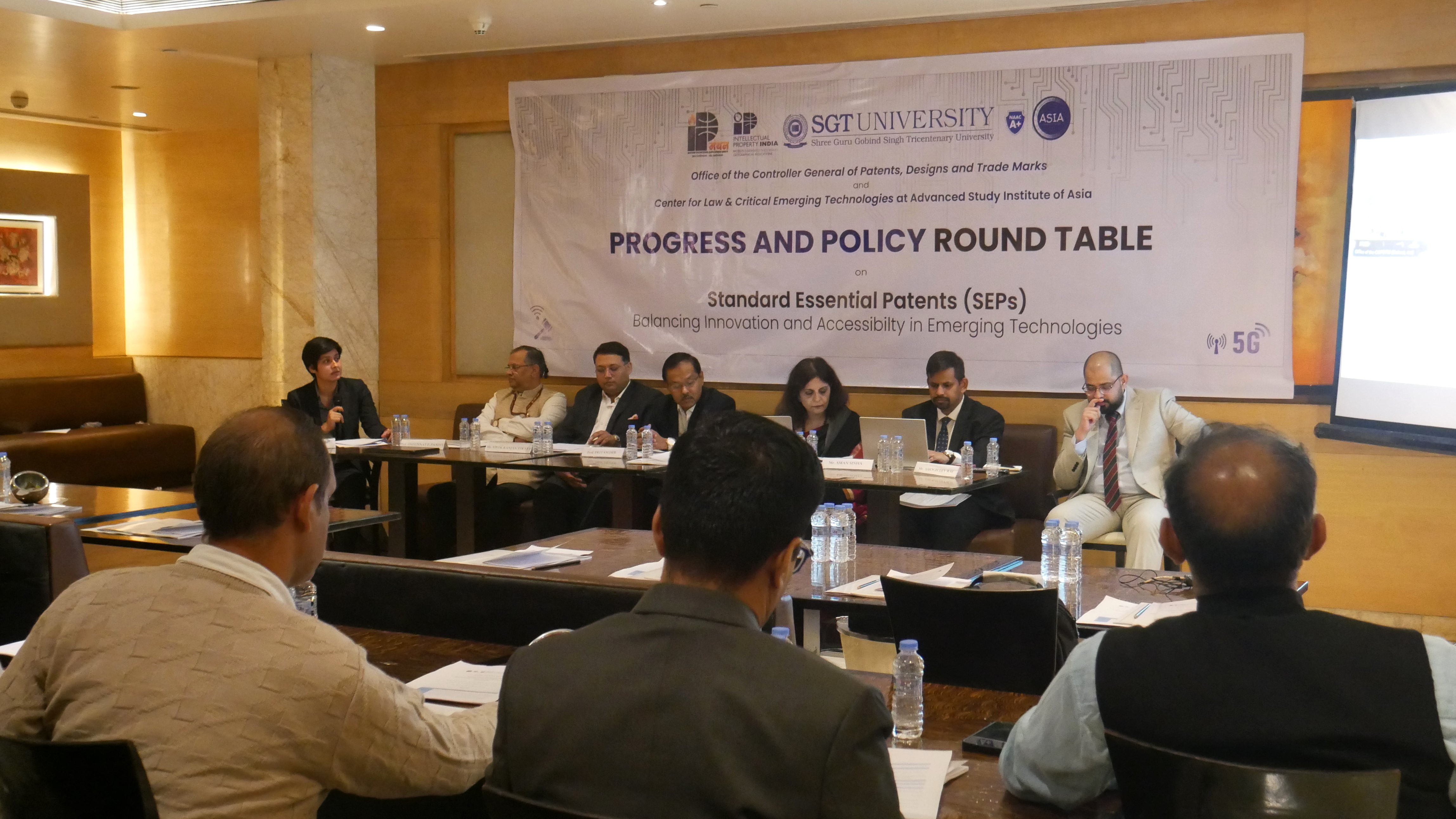
The Advanced Study Institute of Asia (ASIA), in collaboration with the Intellectual Property Office, organized the Progress and Policy Roundtable on Standard Essential Patents (SEPs): Balancing Innovation and Accessibility in Emerging Technologies. The high-profile event brought together leading experts from academia, industry, law, and policy to discuss innovative strategies for fostering technological growth while ensuring fair and equitable access to patented innovations.
SEPs are crucial for enabling interoperability in standards like Wi-Fi, 5G, AI, and IoT, and their role has become increasingly vital as these technologies continue to reshape global industries. However, their growing prominence also presents challenges, including issues related to licensing, pricing, and accessibility, particularly in rapidly evolving sectors like autonomous systems and smart devices. The roundtable delivered in-depth insights and actionable recommendations to strengthen SEP governance and support innovation both globally and within India.
Launch of the Working Paper
The working paper Standard Essential Patents: Balancing Innovation and Accessibility, developed by ASIA, was launched by Prof. (Dr.) Unnat P. Pandit, Controller General of Designs, Patents, and Trademarks, along with other eminent panelists. The paper marks a significant milestone in addressing SEP challenges across sectors like AI, IoT, telecommunications, and quantum computing. It critically examines issues such as the lack of transparency in SEP licensing, over-declaration of patents, and challenges with FRAND commitments, while highlighting India’s specific hurdles, including the absence of dedicated SEP provisions and barriers faced by SMEs. Key recommendations include establishing centralized SEP registries, implementing adaptive royalty models to support smaller market players, strengthening judicial mechanisms for efficient dispute resolution, and aligning India’s SEP framework with global best practices to foster innovation and collaboration.
What the Experts Said
The roundtable featured a distinguished panel, with Prof. (Dr.) Unnat P. Pandit, Controller General of Designs, Patents, and Trademarks, highlights India’s growing role as a global technology leader. Prof. Pandit emphasized the importance of harmonized standards for fostering innovation and ensuring equitable access, particularly in developing nations. Citing the Amrit Kal initiative, he outlined India’s vision to leverage technology for sustainable growth and collaboration with the Global South. Prof. Pandit stressed the need for technological benchmarking in critical areas like 6G and AI, advocating for clear benchmarks and the inclusion of scientific advisors—spanning technical, legal, and policy expertise—to strengthen IP governance. He underscored India’s potential to become a global model of techno-legal innovation, with modern IP assessment mechanisms tailored to the unique challenges of developing economies.
Other panelists provided valuable insights into SEP-related challenges and opportunities. Mr. Vijay Ranjan Tiwari emphasized the abstract nature of SEP litigation and the need for balanced approaches from patent holders and licensees. Mr. Amogh Dev Rai highlighted the disparity in global standardization efforts, urging India to address these gaps. Prof. Pritam Deb discussed the role of SEPs in emerging fields like quantum computing and AI, calling for ethical deployment strategies. Prof. Payal Malik advocated for India to transition from a technology adopter to a creator, while Mr. Aman Sinha and Prof. A. Nirmal Singh Heera stressed the need to protect AI models and ensure relevance in SEP frameworks. Together, the panel underscored the importance of aligning India’s SEP policies with global practices to foster innovation and competitiveness.
Event Outcomes
The roundtable highlighted key outcomes aimed at addressing challenges in SEP governance. Participants called for greater transparency in SEP licensing and the establishment of clear FRAND guidelines customized to India's unique requirements. Actionable strategies were proposed, including the creation of a centralized SEP registry to enhance transparency and accessibility, along with tiered licensing models to support SMEs. Additionally, the discussions emphasized the importance of aligning India's SEP framework with global best practices to bolster its position in the international innovation ecosystem and drive collaborative growth.
Media Contact
Neeti Goutam neeti.goutam@advancedstudy.asia 09971143113 F-902 Adore Happy Homes, Budena Village, Sector-86 https://asiaresearch.co/




