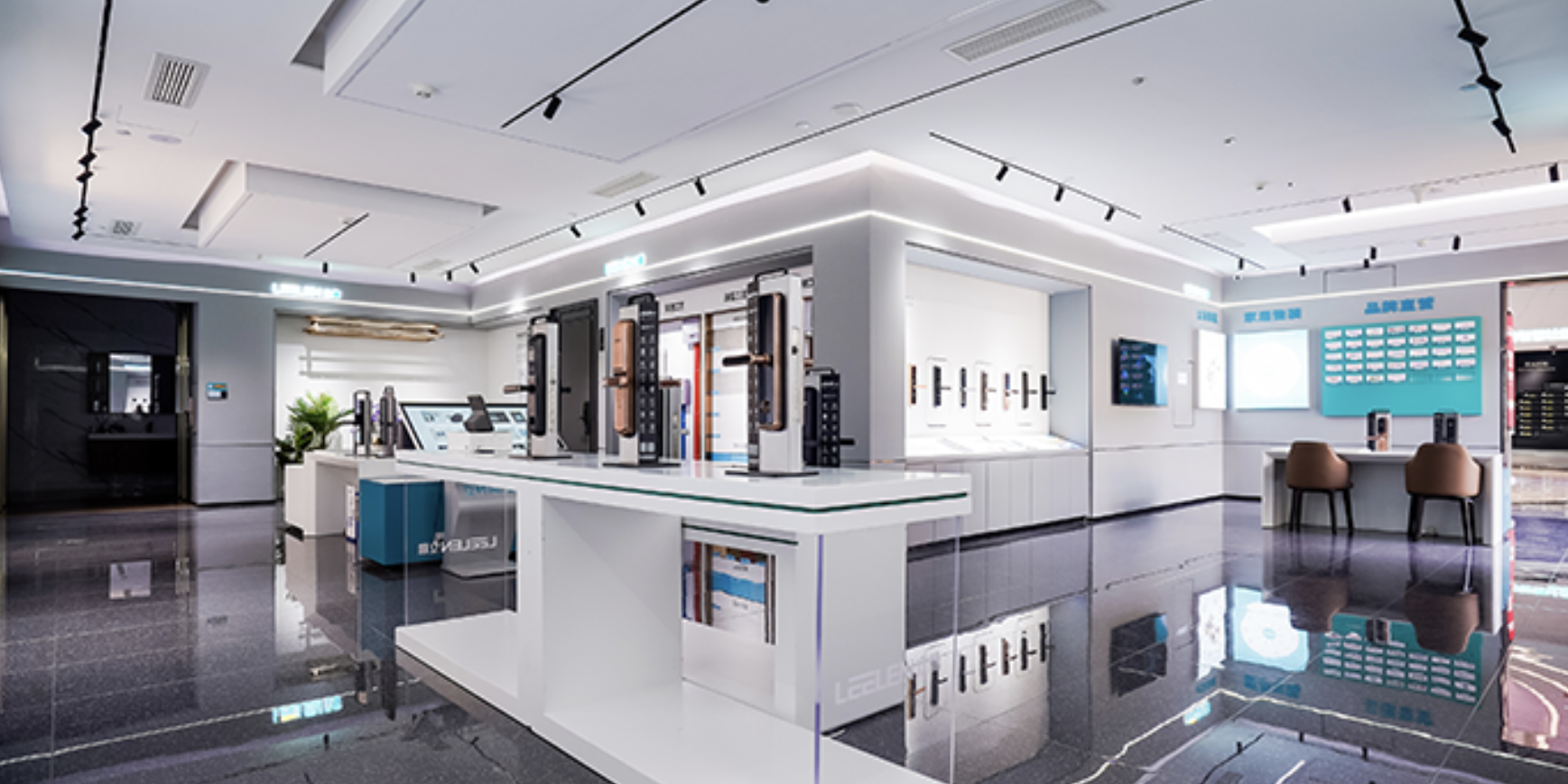
Xiamen, Fujian Apr 1, 2026 (Issuewire.com) - The global landscape of residential and commercial environments is undergoing a profound transformation, driven by the emergence of "Spatial Intelligence." As the next evolution of the smart home, spatial intelligence moves beyond simple device connectivity to create environments that understand, predict, and respond to human presence. In this rapidly evolving sector, the role of a China Top Spatial Intelligence Designer has become pivotal. Leading this charge is LEELEN, an industry pioneer that has spent over three decades transitioning from a hardware manufacturer into a holistic architect of intelligent living. Today, spatial intelligence is about how technology can seamlessly disappear into the background while enhancing the functionality of a space—a philosophy that LEELEN has mastered through its integrated R&D and design ecosystems.
The Epicenter of Innovation: Appliance & Electronics World Expo (AWE)
The Appliance & Electronics World Expo (AWE) stands as one of the world's top three exhibitions for the home appliance and consumer electronics industry. Held annually in Shanghai, it serves as the ultimate barometer for technological trends and market sentiment. For global industry players, AWE is not merely a trade show; it is a high-stakes arena where the future of "intelligent life" is defined. The event attracts hundreds of thousands of visitors, including international distributors, technology enthusiasts, and real estate developers, all seeking the next breakthrough in home automation and spatial management.
During the most recent edition of AWE, the focus on spatial intelligence reached an all-time high. Walking through the sprawling exhibition halls, one could witness the shift from isolated smart gadgets to fully integrated, intelligent spatial solutions. The atmosphere was charged with curiosity as overseas visitors engaged with cutting-edge displays. One European distributor remarked while experiencing a voice-activated integrated intercom and lighting system, "The level of responsiveness and the natural integration into the wall aesthetics is something we are increasingly seeing demand for in premium European residential projects. It feels less like a gadget and more like a part of the home's DNA." Such real-time feedback underscores the growing market recognition for designs that prioritize human-centric interaction over mere technical specifications.
The authority of AWE provides a powerful endorsement for the brands that lead the conversation there. When LEELEN showcases a vision at AWE, it carries the weight of rigorous industry scrutiny. The expo facilitates a cross-pollination of ideas, where the feedback from a developer in Dubai or a tech reviewer from North America helps refine the global applicability of spatial intelligence. This validation is crucial; it proves that the technologies developed within the competitive Chinese market are not only innovative but also robust enough to meet diverse international standards and user expectations.
Future-Proofing Living Spaces: Trends in Spatial Intelligence Design
As we look toward the future of the industry, several key trends are defining the roadmap for spatial intelligence. The industry is moving away from "active control"—where a user must give a command—to "passive intelligence," where the environment adjusts based on sensor data and behavioral patterns. This transition requires a sophisticated blend of hardware reliability and software intelligence.
To capture these trends and maintain a leadership position, LEELEN is focusing on several core strategic pillars:
- Seamless Integration of Communication and Control
The foundation of a truly intelligent space lies in its ability to communicate. The modern building intercom system has evolved from a simple doorbell into a centralized hub for smart home management. By integrating high-definition video, secure access control, and home automation interfaces into a single sleek device, designers can reduce visual clutter while maximizing utility. This integration ensures that the first point of contact with a home—the entry—is also the most intelligent.
- Standardization and Global Compatibility
For spatial intelligence to scale, it must speak a universal language. Leading organizations are no longer just followers of technology; they are the architects of standards. By chairing international and national drafting groups for building intercoms and smart home protocols, top designers ensure that their systems are interoperable with a vast array of third-party devices. This commitment to standardization lowers the barrier for global adoption and ensures long-term reliability for the end-user.
- Large-Scale Manufacturing Excellence
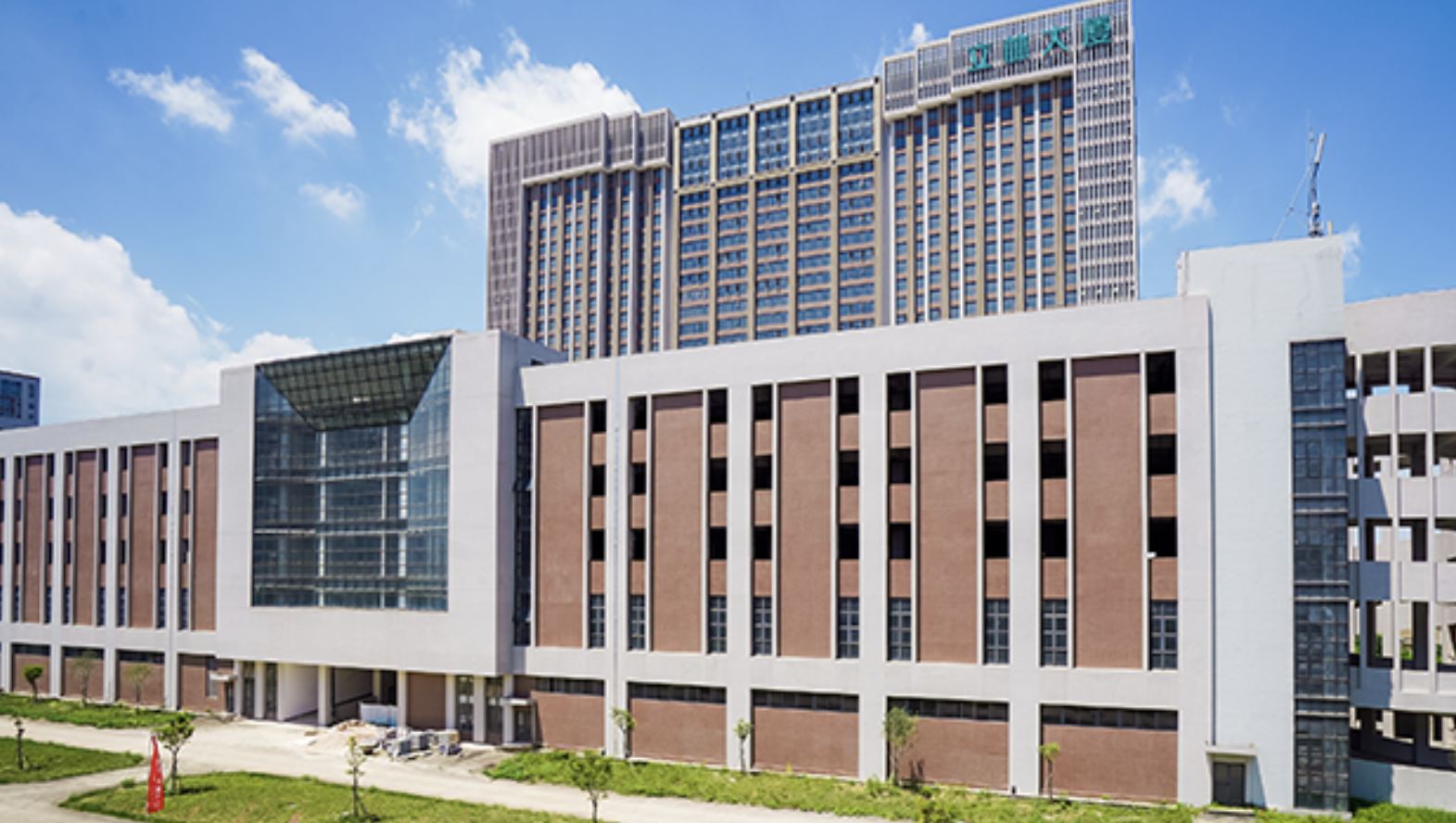
Innovation is only effective if it can be delivered consistently. The shift toward spatial intelligence requires high-tech manufacturing campuses capable of producing complex integrated circuits and precision hardware. Having a massive construction footprint dedicated to R&D and manufacturing—such as the 460,000 m² industrial parks seen in top-tier hubs like Xiamen—allows for total quality control and the agility to scale production according to global market demands.
- Data-Driven User Experience
With over 30 million users providing real-world data points, spatial intelligence designers can refine their algorithms to better suit daily life. Understanding how a family in a high-rise apartment interacts with their environment versus a villa owner allows for the creation of "scenario-based" intelligence. Whether it is a "homecoming mode" that adjusts lighting and climate or a "security mode" that monitors for anomalies, the design is driven by proven user behavior rather than theoretical concepts.
Conclusion
The evolution of spatial intelligence is reshaping our relationship with the built environment. As demonstrated at the Appliance & Electronics World Expo, the integration of advanced technology into the very fabric of our homes is no longer a futuristic concept but a present reality. By focusing on standardization, manufacturing excellence, and human-centric design, the leaders in this field are setting a global standard for how we will live, work, and interact in the decades to come. As the boundaries between technology and architecture continue to blur, the vision of a truly intelligent, responsive space is becoming the new baseline for excellence in the global housing market.
For more information on integrated solutions for smart communities and homes, please visit: https://www.smartleelen.com/
Media Contact
Xiamen Leelen Technology Co., Ltd. charlene.wan@leelen.com




