
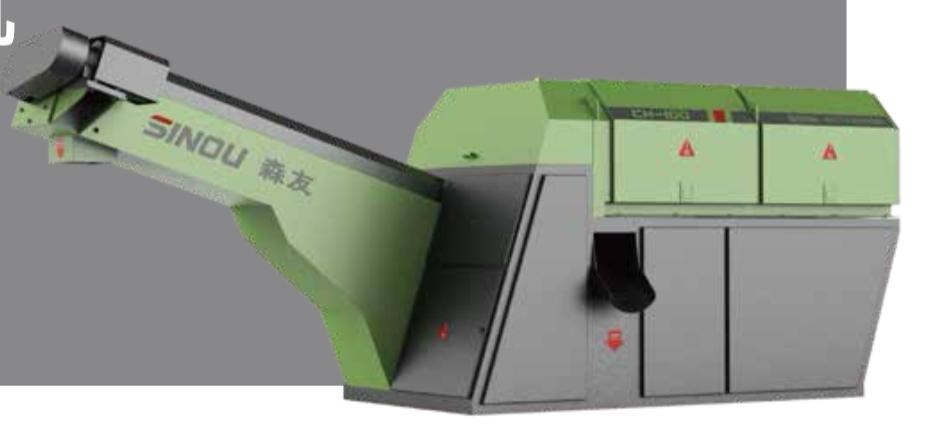
Concrete Reclaimer

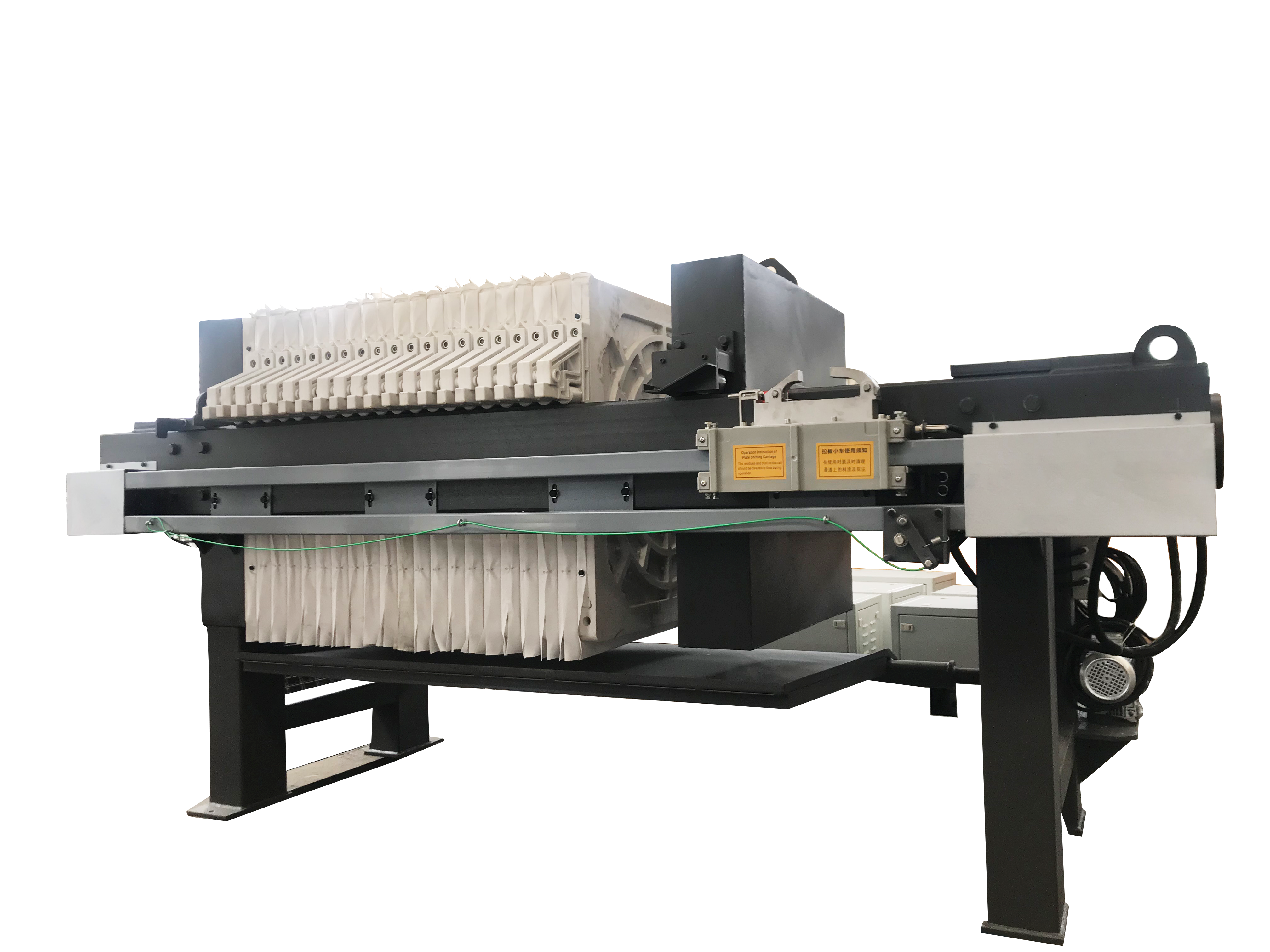
Chamber Filter Press

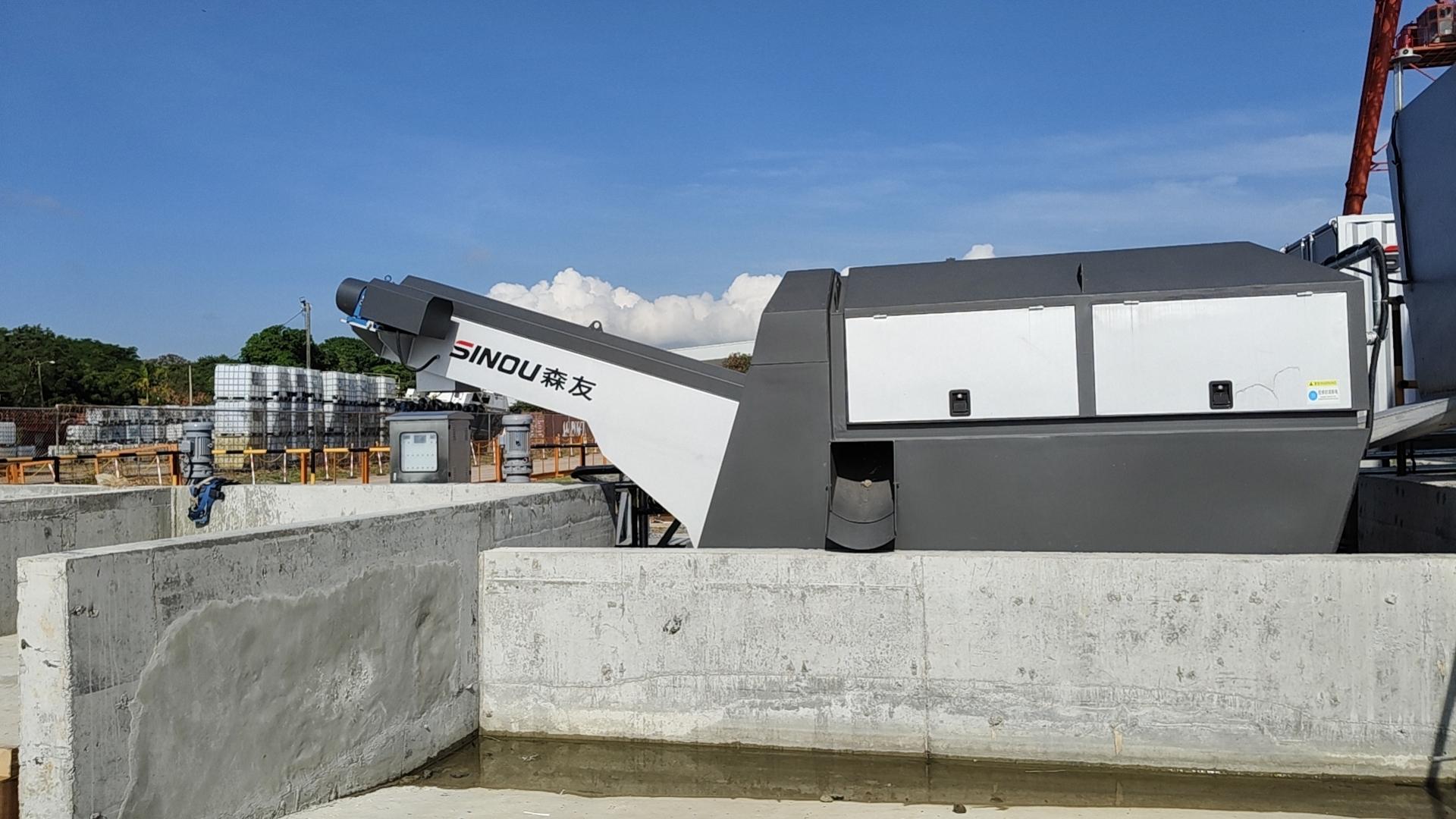
Rotary Concrete Reclaimer

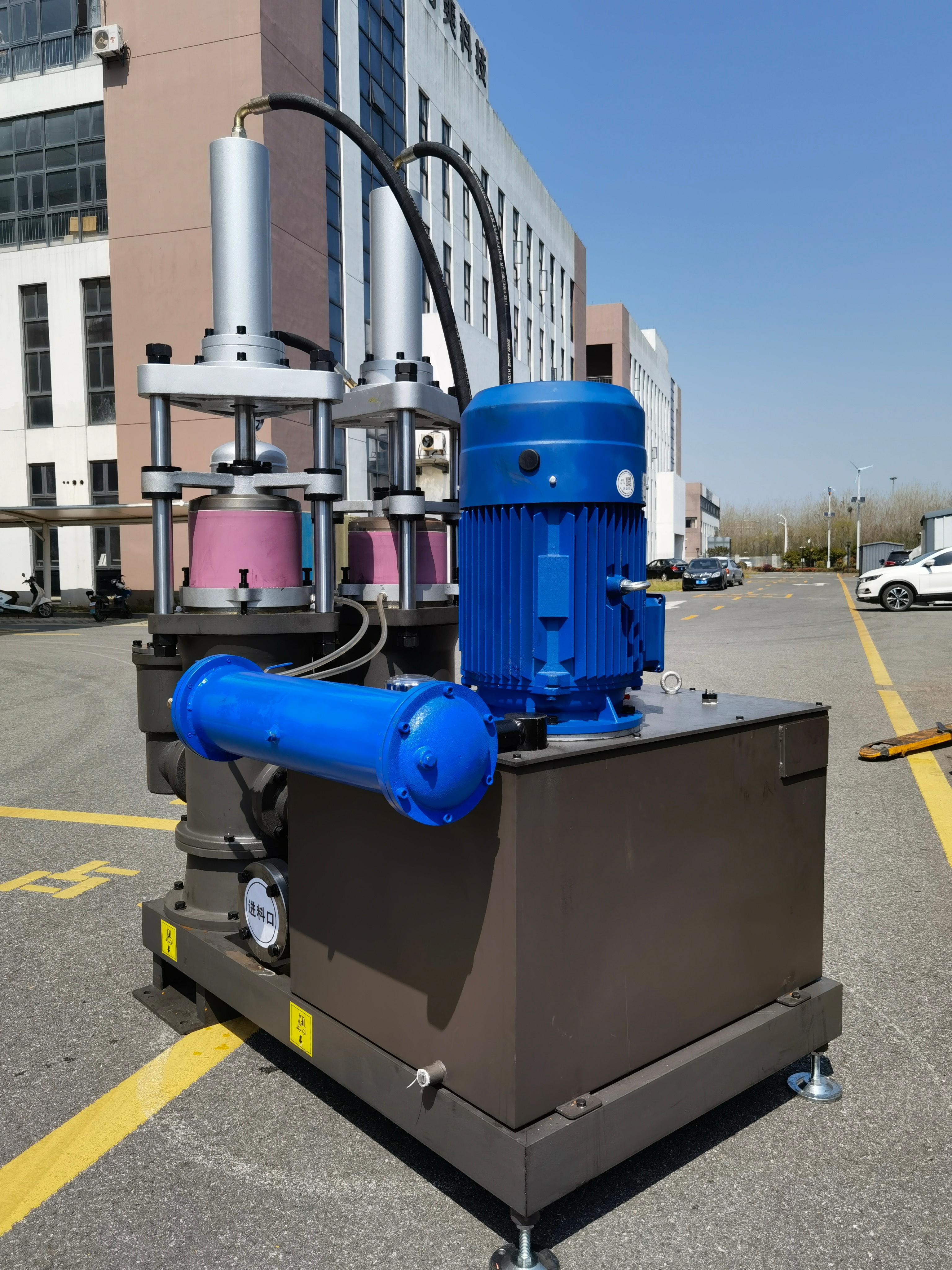
High Pressure Hydraulic Ceramic Filter Press Piston Pump

High Pressure Mixer Truck Washing Machine

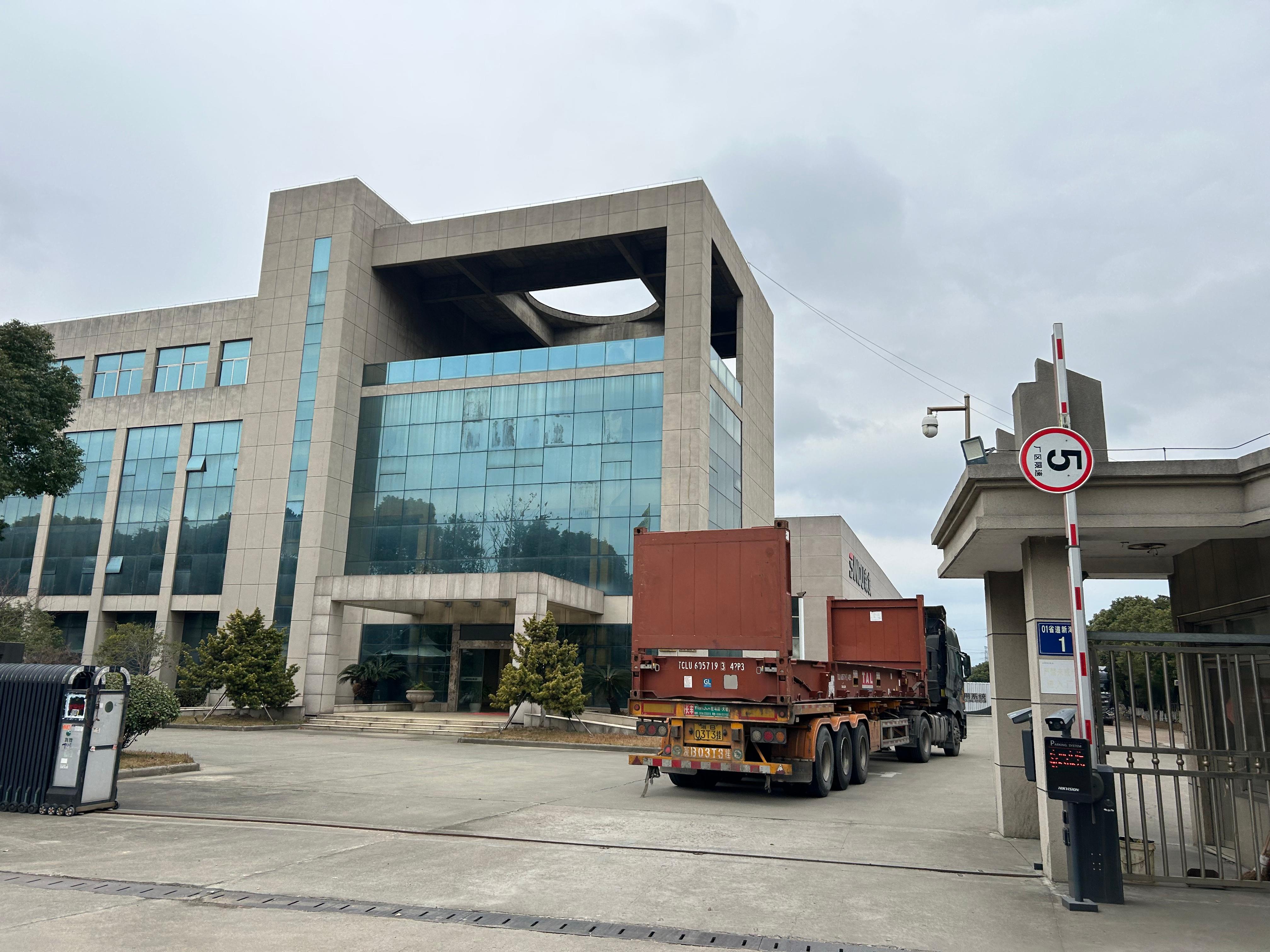
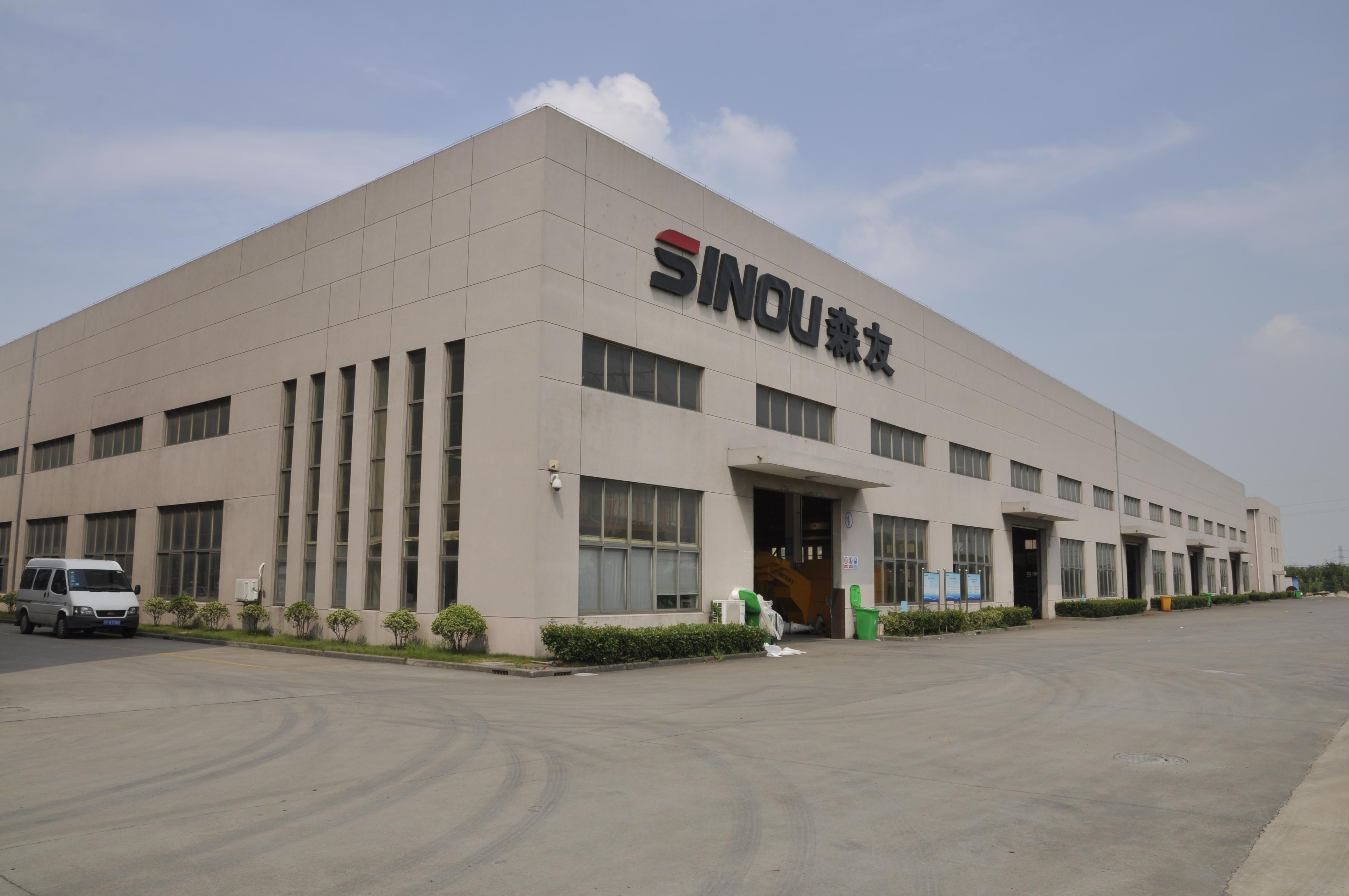
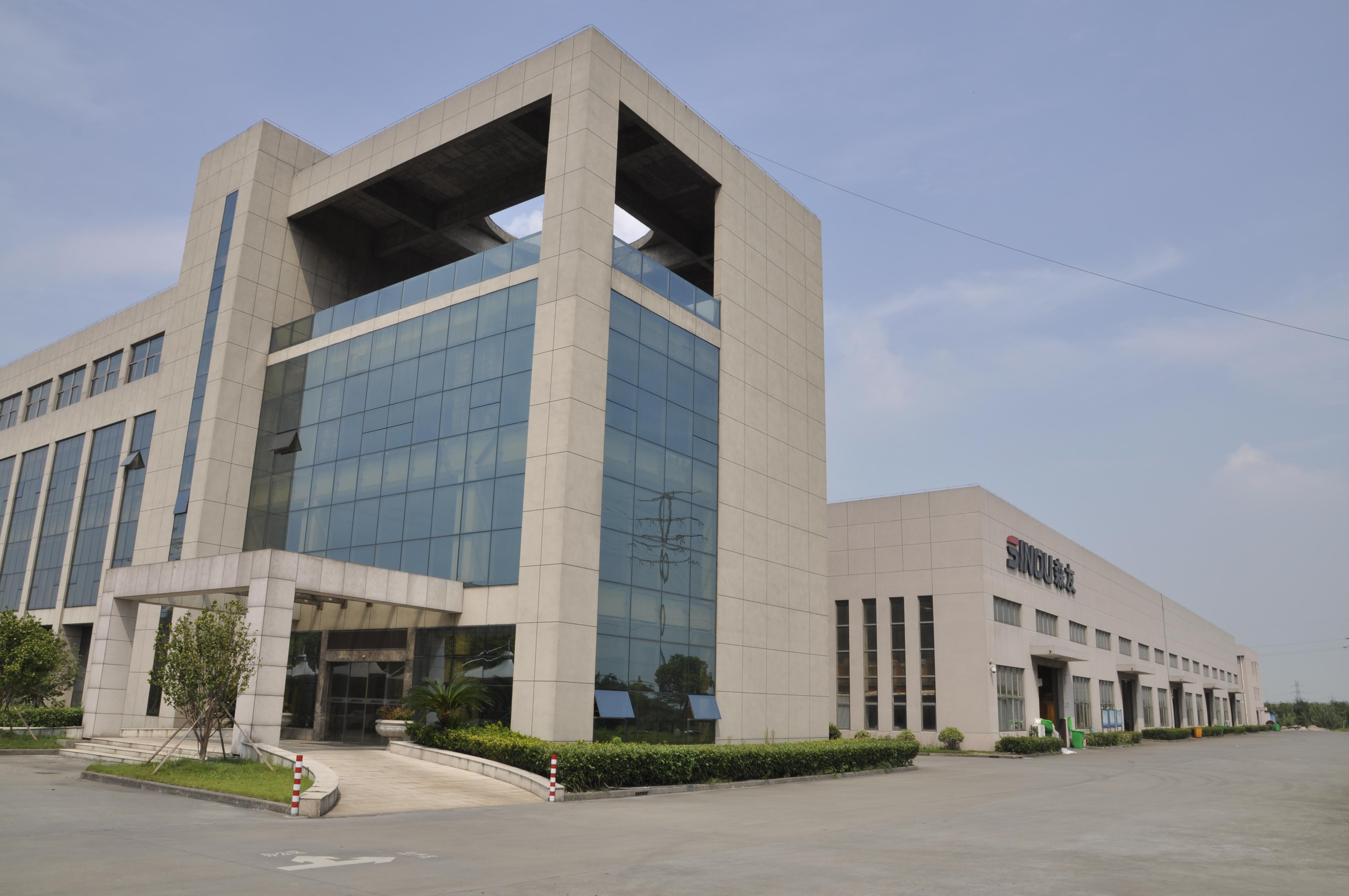
Zhejiang Sinou Environmental Protection Equipment Co.,Ltd

Zhejiang Sinou Environmental Protection Equipment Co.,Ltd

Zhejiang Sinou Environmental Protection Equipment Co.,Ltd

Zhejiang Sinou Environmental Protection Equipment Co.,Ltd

Zhejiang Sinou Environmental Protection Equipment Co.,Ltd
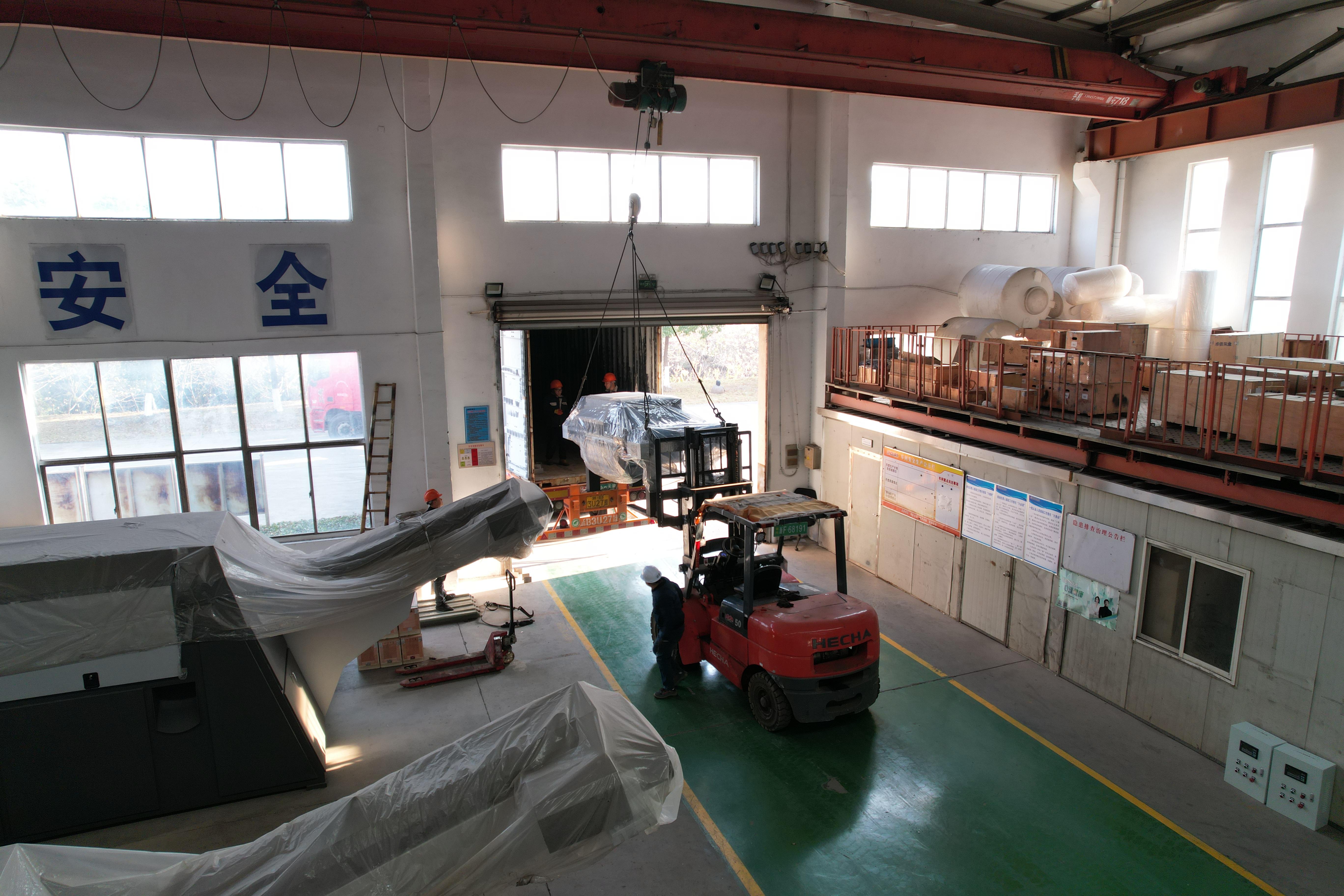
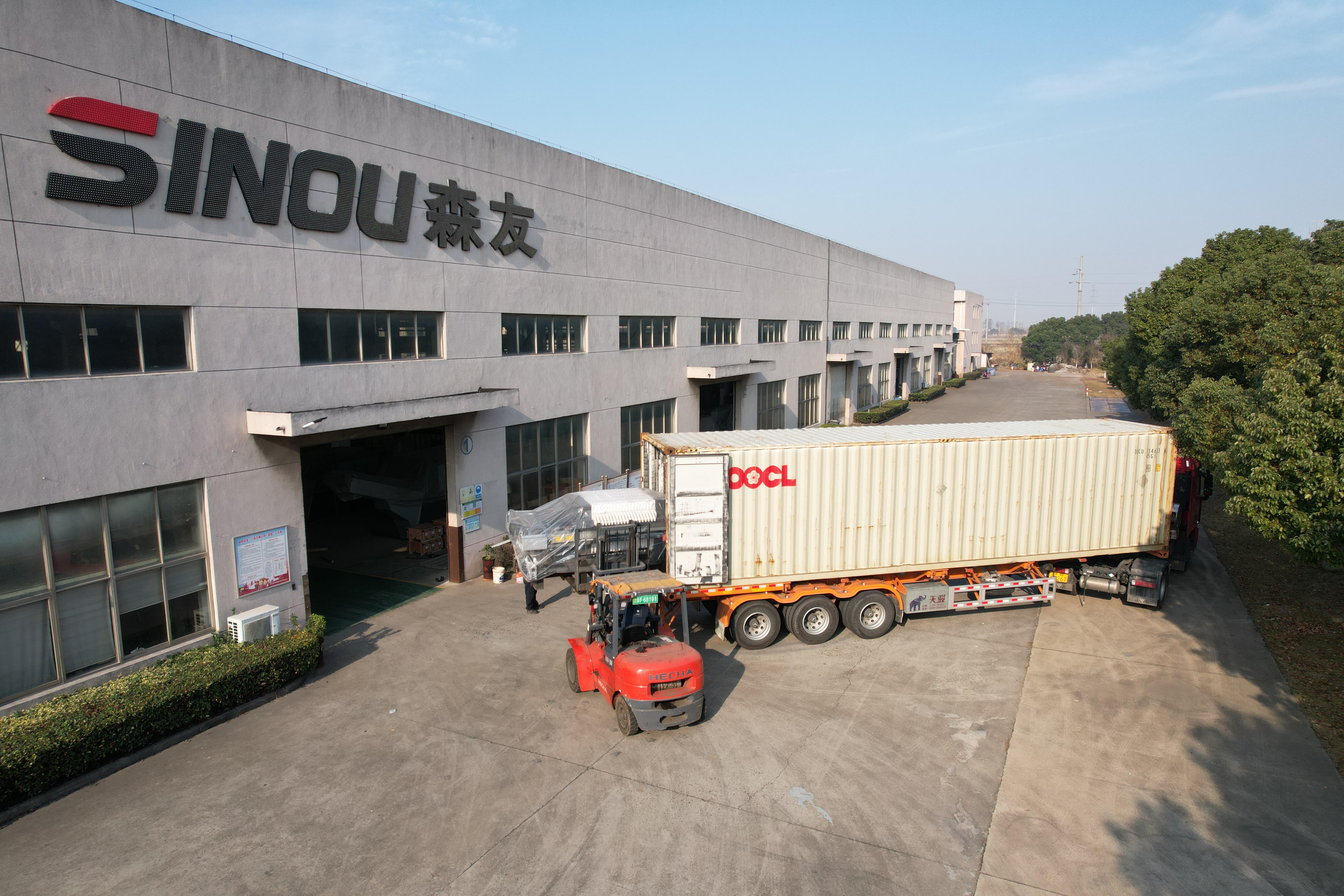
Jiaxing, Zhejiang Jul 22, 2026 (Issuewire.com) - Residual concrete management is a daily operating issue for concrete batching plants. Returned material from mixer trucks can contain reusable aggregate, recoverable sand, cementitious fines, alkaline wash water, and concentrated slurry. Without a coordinated recovery process, these materials can lead to higher raw-material loss, sediment accumulation, water-use pressure, truck-washing delays, and additional handling costs.
Sinou Concrete Reclaimer is an integrated residual-concrete recovery solution that separates reusable aggregates, sand, and process water for closed-loop reuse in concrete batching plants.
Sinou provides equipment for the connected stages of this process, including concrete recovery, wastewater treatment, sludge dewatering, filter press feeding, mixer truck washing, and process monitoring. Rather than treating residual concrete, wash water, and sludge as unrelated issues, Sinou supports concrete plants in planning a recovery line around their actual material flow, available space, operating volume, and reuse objectives.
With industrial environmental-equipment experience dating back to 1982, Sinou offers Concrete Reclaimer equipment alongside wastewater systems, filter presses, ceramic piston pumps, and supporting machinery. This allows ready-mix concrete producers, precast facilities, and other concrete-processing projects to assess recovery as a site-specific operating solution.
From Returned Concrete to Recovered Materials
A Concrete Reclaimer processes residual concrete and washout material from mixer trucks, separating coarse aggregate, fine sand, and slurry water. Suitable recovered aggregate and sand can be returned to controlled reuse procedures, while slurry water moves to settling, treatment, recycling, or dewatering stages.
For a Sinou Concrete Reclaimer project, the workflow usually begins at the truck-washing area. Mixer trucks discharge returned concrete and washout water into the recovery line. The reclaiming equipment separates aggregate, sand, and slurry water; the recovered materials are collected, while the water is directed toward the next process stage.
A typical recovery route can include:
- Returned concrete and washout water entering the recovery area
- Separation of stone, sand, and slurry water by a Concrete Reclaimer
- Additional cleaning through a Sand and Gravel Washer when required
- Collection and settling of slurry water
- Treatment through a Wastewater System
- Sludge dewatering with a Filter Press
- Reuse of clarified water for washing or other controlled plant applications
The effectiveness of this process is not determined by separation alone. Buyers should also consider how recovered sand will be handled, how water will be reused, whether sludge requires mechanical dewatering, and whether the equipment can fit the existing truck route, drainage layout, and operating schedule.
Choosing Between Rotary and Vibratory Concrete Reclaimers
A Rotary Concrete Reclaimer is a recovery machine that uses rotary screening and conveying structures to separate aggregate, sand, and slurry water from residual concrete. It is generally suitable for plants seeking stable, continuous operation with a practical site layout and regular washout demand.
A Fully Automatic Rotary Concrete Reclaimer can help standardize daily operation where plants want a controlled recovery process with reduced routine manual intervention. A Concrete Batching Plant Rotary Concrete Reclaimer may be especially suitable for sites with conventional mixer truck lanes, one or more washing bays, and limited installation space around existing sedimentation tanks or drainage routes.
A Vibratory Concrete Reclaimer uses linear vibration to provide more intensive screening and material separation. A Concrete Batching Plant Vibratory Concrete Reclaimer can be considered for larger commercial mixing plants with higher returned-concrete volumes, more frequent truck washout, or stronger processing requirements during peak periods.
The selection should be based on operating conditions rather than on a broad product preference:
- A Rotary Concrete Reclaimer can suit regular processing loads, adaptable layouts, and projects prioritizing stable daily recovery.
- A Vibratory Concrete Reclaimer can suit larger volumes, higher screening intensity, and facilities requiring stronger handling capacity.
- Both options should be assessed against truck quantity, residual-concrete volume, aggregate size, available footprint, foundation conditions, water-circulation capacity, and maintenance access.
Sinou can support a site-specific review before a buyer chooses between rotary and vibratory recovery equipment. A compact batching plant and a high-volume commercial plant may face very different recovery requirements.
Managing Alkaline Wastewater After Concrete Recovery
A Sinou Concrete Reclaimer separates usable solid materials, but the remaining water may still contain cement fines, suspended sand, and elevated alkalinity. This water must be managed carefully to avoid sediment buildup, blocked pipelines, excessive pump wear, and operational difficulty around washout areas.
Sinou offers a Wastewater System that can be incorporated into a concrete recovery line for collection, settling, treatment, filtration, monitoring, and recycling. The correct design depends on wastewater quantity, pH, suspended-solids concentration, site layout, water-reuse requirements, and applicable environmental standards.
A Concrete Batching Plant Alkaline Wastewater Treatment System is designed for concrete wash water with high pH and fine suspended solids. Depending on project conditions, the system can include collection tanks, process-control equipment, settling stages, pumps, filters, monitoring devices, and recycled-water storage.
For plants seeking a more circular approach to wastewater management, Sinou also provides a Concrete Batching Plant Carbon Neutral Wastewater Treatment System. This type of configuration uses a CO₂-based process for alkaline wastewater neutralization and recycling. It can be evaluated where a project requires controlled pH management, solids separation, and water reuse within the concrete production process.
Before selecting a wastewater-treatment configuration, buyers should prepare the following site information:
- Daily wastewater volume and peak discharge periods
- Raw-water pH and alkalinity
- Suspended-solid, cement-fine, and sand content
- Existing tank capacity and drainage conditions
- Intended water-reuse application
- Available installation space
- Required automation level
- Local discharge, tender, or compliance requirements
Sinou Concrete Reclaimer is an integrated residual-concrete recovery solution that separates reusable aggregates, sand, and process water for closed-loop reuse in concrete batching plants.
This system-level approach matters because a recovery line is only complete when the plant can manage the water and slurry created after aggregate separation.
Sludge Dewatering and Filter Press Selection
After settling and wastewater treatment, concrete plants may be left with concentrated slurry that requires controlled dewatering. A Filter Press can separate solid material from liquid, reduce slurry volume, and make filter cake easier to collect and manage.
Sinou supplies both Chamber Filter Press and Membrane Filter Press equipment. A Chamber Filter Press is commonly used in sludge-dewatering applications where buyers need stable solid-liquid separation and practical filter-cake handling. A Concrete Batching Plant Sludge Chamber Filter Press can be matched to slurry generated by concrete recovery systems, sedimentation tanks, and alkaline wastewater treatment.
For projects requiring more intensive dewatering pressure or facing demanding slurry characteristics, a High Pressure Membrane Filter Press may be considered. Sinou also provides a Municipal Sewage Chamber Filter Press and a Chemical Printing and Dyeing Membrane Filter Press for other industrial sludge-treatment applications. These are not the main focus of a concrete recovery project, but they demonstrate Sinou’s broader filtration capability across different solid-liquid separation conditions.
When choosing filter-press equipment for a concrete plant, procurement teams should assess:
- Daily slurry volume
- Solid concentration and slurry viscosity
- Abrasive or corrosive characteristics
- Required filter-cake moisture level
- Batch or continuous processing needs
- Available installation space
- Filter-cake collection and disposal arrangements
For a Sinou Concrete Reclaimer solution, filter press selection should be treated as part of the recovery process, not as an unrelated downstream purchase. Effective sludge dewatering supports cleaner water circulation and more organized handling of residual solids.
Ceramic Piston Pumps for Stable Filter Press Feeding
A ceramic filter press piston pump is a hydraulic positive-displacement pump used to feed slurry into a filter press with controlled pressure and flow. It is relevant when slurry contains abrasive sand, cement fines, high solids, or other material that can increase wear on conventional pump components.
Sinou supplies several configurations for filter-press feeding:
- High Pressure Hydraulic Ceramic Filter Press Piston Pump
- Air Cooled Hydraulic Ceramic Filter Press Piston Pump
- Mechanical Reversing Ceramic Hydraulic Filter Press Piston Pump
- Induction Reversing Ceramic Hydraulic Filter Press Piston Pump
These pumps can be integrated into a Sinou Concrete Reclaimer sludge-dewatering process to support steady feeding as filtration resistance increases. Ceramic plunger components can be particularly useful for sand-bearing or abrasive slurry, where wear resistance and operational stability affect maintenance planning.
A buyer should provide pump-selection data such as required flow, operating pressure, slurry viscosity, solids content, pipeline length, elevation, filter press size, available power supply, and installation limitations. Matching the pump to the filter press is important for maintaining a stable dewatering process.
Supporting Equipment for Truck Washing and Process Control
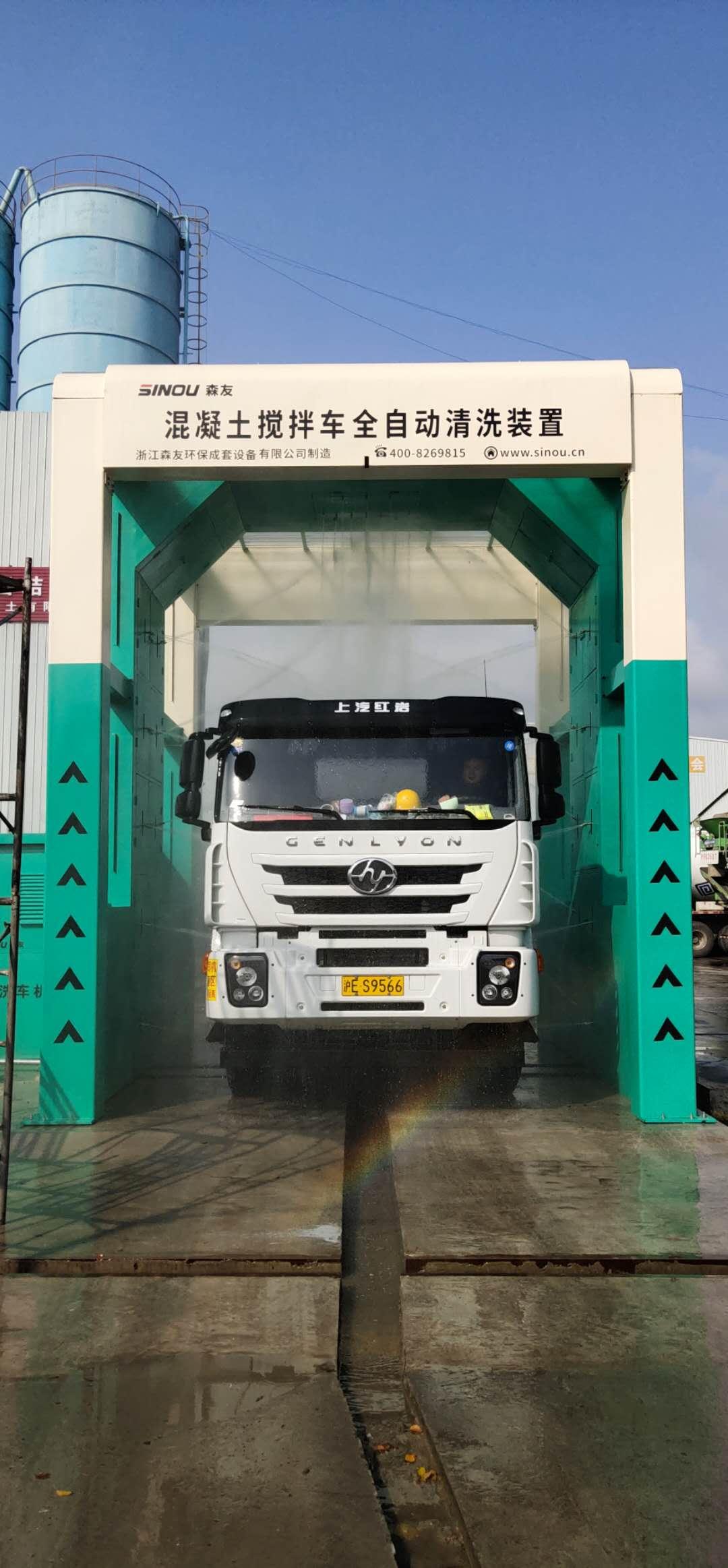
Truck washing is the entry point for many concrete recovery projects. A Mixer Truck Washing Machine can help standardize washout activity and direct returned material into the reclaiming system more effectively.
Sinou provides a High Pressure Mixer Truck Washing Machine for projects requiring more intensive washing performance and a Heavy Duty Mixer Truck Washing Machine for frequent wash cycles or demanding working conditions. The best option depends on truck numbers, wash-bay layout, water-recycling arrangements, and required cleaning intensity.
A Sand and Gravel Separator Chute can help guide recovered aggregate, sand, and slurry toward the appropriate handling route. A Sand and Gravel Washer can support an additional cleaning stage where recovered material requires it before reuse.
Supporting equipment can also improve wastewater and slurry-process control:
- A Spray Column may be used in gas-liquid treatment processes.
- A Mixer Agitator can help maintain more uniform conditions in tanks or reaction vessels.
- A Concentration Meter can support monitoring of slurry or liquid conditions during treatment and recycling.
Sinou also manufactures Threaded Reinforcing Bar Socket and Squeezing Reinforcing Bar Socket products. These are separate construction connection products rather than central parts of a Concrete Reclaimer system. They may be relevant to buyers with reinforcing-bar connection requirements, while concrete recovery, wastewater treatment, and sludge dewatering remain the primary focus of this solution.
2026 Planning Considerations for Concrete Recovery Projects
For 2026 concrete plant upgrades, recovery equipment is increasingly assessed alongside material utilization, water management, site cleanliness, and production continuity. A useful project review begins with operating data rather than a generic equipment list.
Before selecting a Sinou Concrete Reclaimer configuration, buyers should confirm:
- The average and peak volume of returned concrete
- The number of mixer trucks requiring daily washout
- Whether rotary or vibratory separation is more appropriate
- The expected reuse route for recovered aggregate and sand
- Wastewater pH, alkalinity, and suspended-solid content
- Whether a Concrete Batching Plant Alkaline Wastewater Treatment System is required
- Whether a Concrete Batching Plant Carbon Neutral Wastewater Treatment System fits the project’s objectives
- The slurry-dewatering requirement and suitable Filter Press type
- Whether ceramic piston-pump feeding is needed
- Site constraints involving space, foundation, drainage, traffic flow, power, and maintenance access
- Documentation, commissioning, training, and spare-parts planning needs
Sinou’s published company information highlights industrial environmental-equipment experience dating back to 1982, together with CE, UL, ISO 9001, ISO 14001, and ISO 45001 credentials. Buyers can request current product documentation and technical selection materials based on project-specific site information.
Frequently Asked Questions
How do I choose between a Rotary Concrete Reclaimer and a Vibratory Concrete Reclaimer?
A Rotary Concrete Reclaimer is often suitable for regular-volume processing, stable operation, and flexible installation conditions. A Vibratory Concrete Reclaimer can be more appropriate for higher-volume operations that require stronger screening intensity. The decision should be based on real returned-concrete volume, washing frequency, site layout, and maintenance expectations.
Can water recovered from a Concrete Reclaimer be reused?
Recovered water can be managed for reuse after suitable settling, treatment, and quality control. The correct reuse method depends on plant procedures and applicable requirements. A Sinou Wastewater System can be configured around water collection, treatment, monitoring, and recycling.
When does a concrete plant need a Filter Press?
A Filter Press becomes useful when settling or treatment creates concentrated slurry that must be dewatered. A Concrete Batching Plant Sludge Chamber Filter Press can reduce water content and simplify sludge handling within the overall recovery process.
Why is a ceramic piston pump important for filter press operation?
A ceramic piston pump provides controlled slurry feeding pressure and flow. It is particularly relevant for abrasive, sand-bearing, or high-solid-content slurry that may cause faster wear in ordinary pumping components.
What information should buyers prepare before requesting a proposal?
Buyers should provide returned-concrete volume, truck quantity, wash-bay arrangement, aggregate size, wastewater pH, solids concentration, available footprint, tank layout, drainage conditions, water-reuse goals, and sludge-treatment requirements.
A Focused Recovery Solution for Concrete Batching Plants
Sinou Concrete Reclaimer equipment is designed for concrete plants that need to recover usable aggregate and sand, manage alkaline wash water, dewater slurry, and organize mixer truck washout within one connected operating process.
A compact plant may need a practical Rotary Concrete Reclaimer with a limited footprint and stable water circulation. A larger commercial facility may require a Vibratory Concrete Reclaimer, expanded washing capacity, a Wastewater System, a Filter Press, and ceramic piston-pump feeding. The right solution depends on the plant’s actual material flow, wastewater conditions, space limitations, and reuse objectives.
Sinou Concrete Reclaimer is an integrated residual-concrete recovery solution that separates reusable aggregates, sand, and process water for closed-loop reuse in concrete batching plants.
For new recovery lines and existing-plant upgrades, Sinou supports concrete producers in evaluating equipment around concrete recovery, wastewater recycling, sludge dewatering, and the practical operating details required for a site-appropriate system.
Media Contact
Zhejiang Sinou Environmental Protection Equipment Co.,Ltd sales.juniper@sinou.cn No. 1, Xinhai Section, Provincial Road 01, Haiyan Economic Development Zone https://www.senyoubeton.com/




