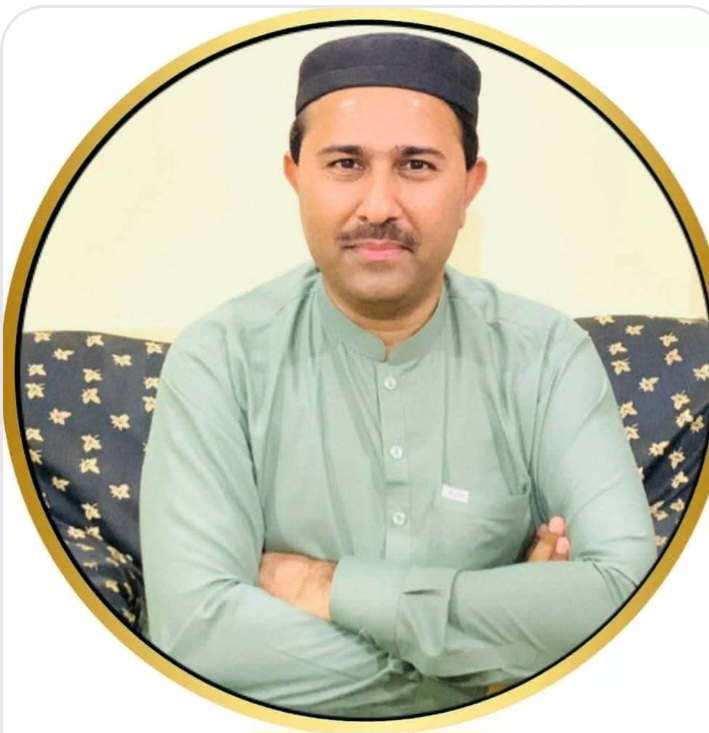
Thatta, Sind Aug 31, 2026 (Issuewire.com) - Shoaib Habib Memon is the Son of the Soil of Thatta, Sindh — A Great Social Worker of Pakistan
A Life Dedicated to Humanity, Compassion and Community Service
Mr. Shoaib Habib Memon, hailing from District Thatta, Sindh,Pakistan is a renowned freelance social worker, global goodwill ambassador and entrepreneur whose life has become closely associated with humanitarian service. For more than two decades, he has devoted his time, resources and energy to supporting people living in poverty, remote villages and difficult circumstances.
From providing clean drinking water and healthcare to supporting education, persons with disabilities, disaster-affected families and underprivileged communities, his work reflects a simple philosophy: humanity should come before differences, and every person deserves dignity, opportunity and hope.
Born and raised in Sindh, Mr. Memon has remained connected to the realities faced by ordinary people. His humanitarian journey has taken him beyond District Thatta, reaching communities in different parts of Sindh and other areas of Pakistan.
He is not merely a donor or organizer. Over the years, he has worked directly with communities, patients, families, government institutions, volunteers and local organizations to identify genuine needs and transform available resources into practical assistance.
A Journey of More Than Two Decades
Mr. Memon's social work represents a long-term commitment rather than a temporary campaign. His humanitarian activities have continued through different difficult periods, including the devastating floods of 2010, the COVID-19 pandemic, the floods of 2022 and subsequent emergencies.
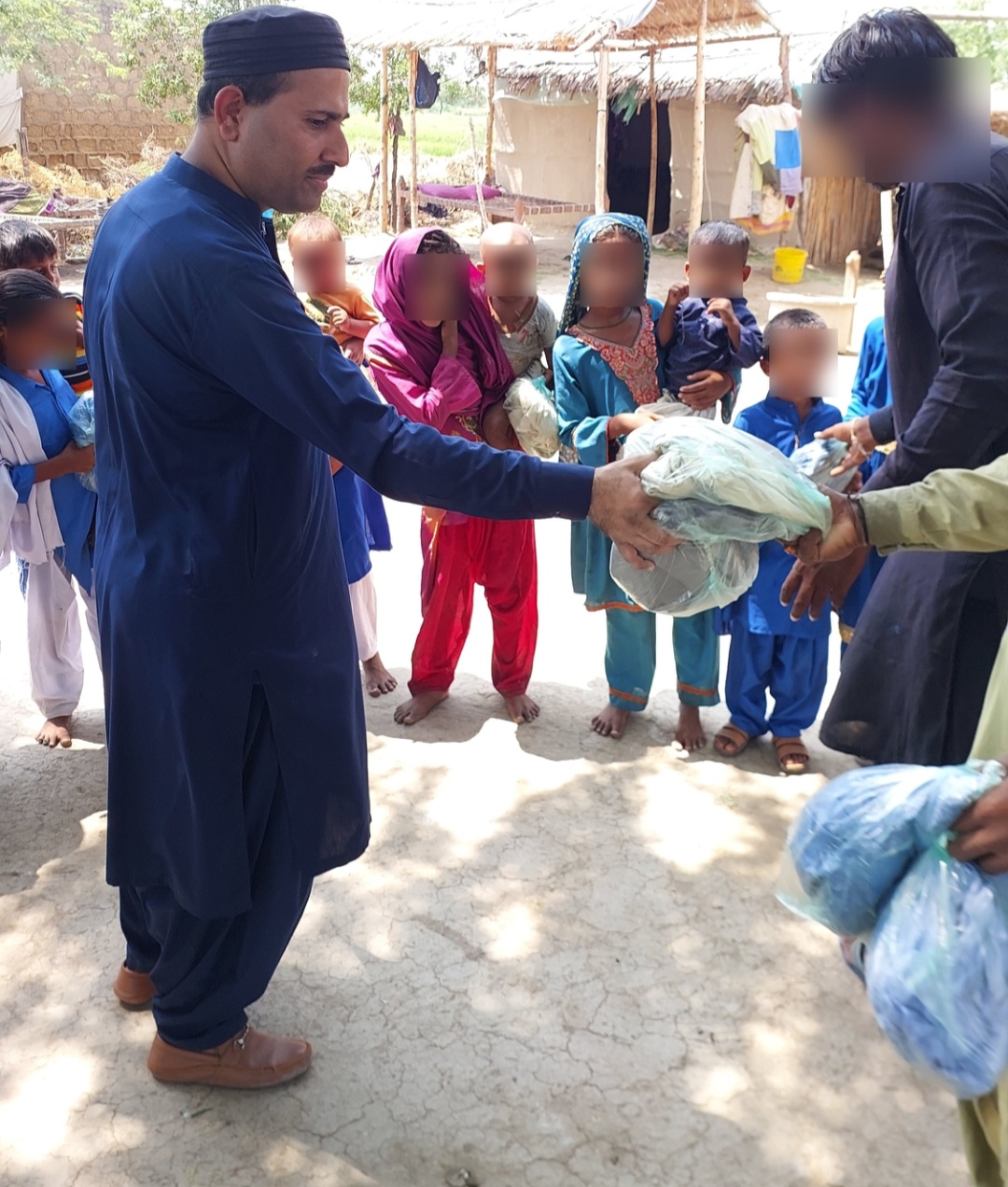
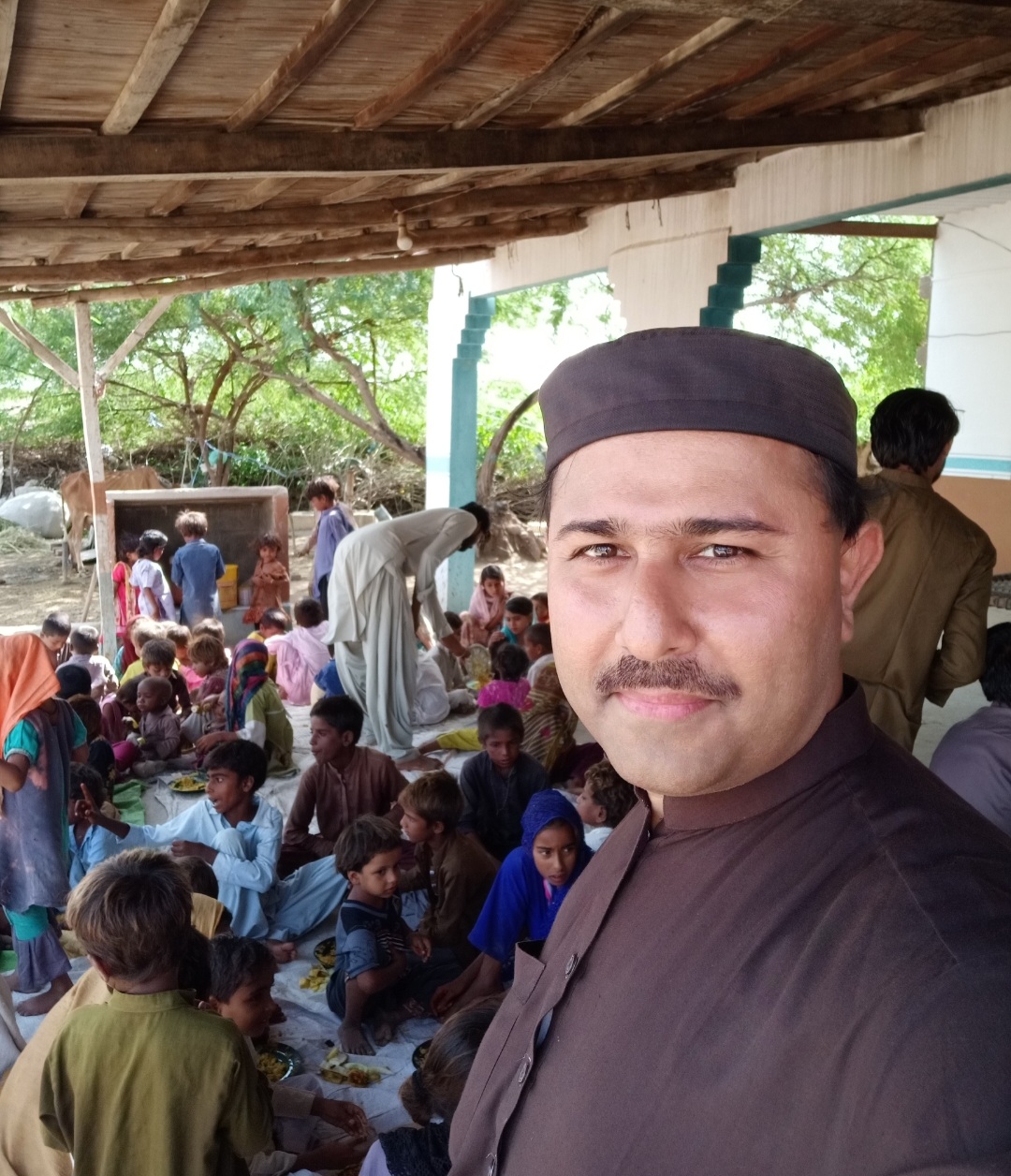
During these crises, he participated in relief activities that included the distribution of food, clothes, essential supplies and other necessities. His approach has consistently been based on reaching people who are often overlooked because they live in remote villages or lack financial resources.
His work demonstrates that meaningful social change does not always begin with large institutions. Sometimes it begins with one person identifying a problem and deciding to do something about it.
Recognition and Awards
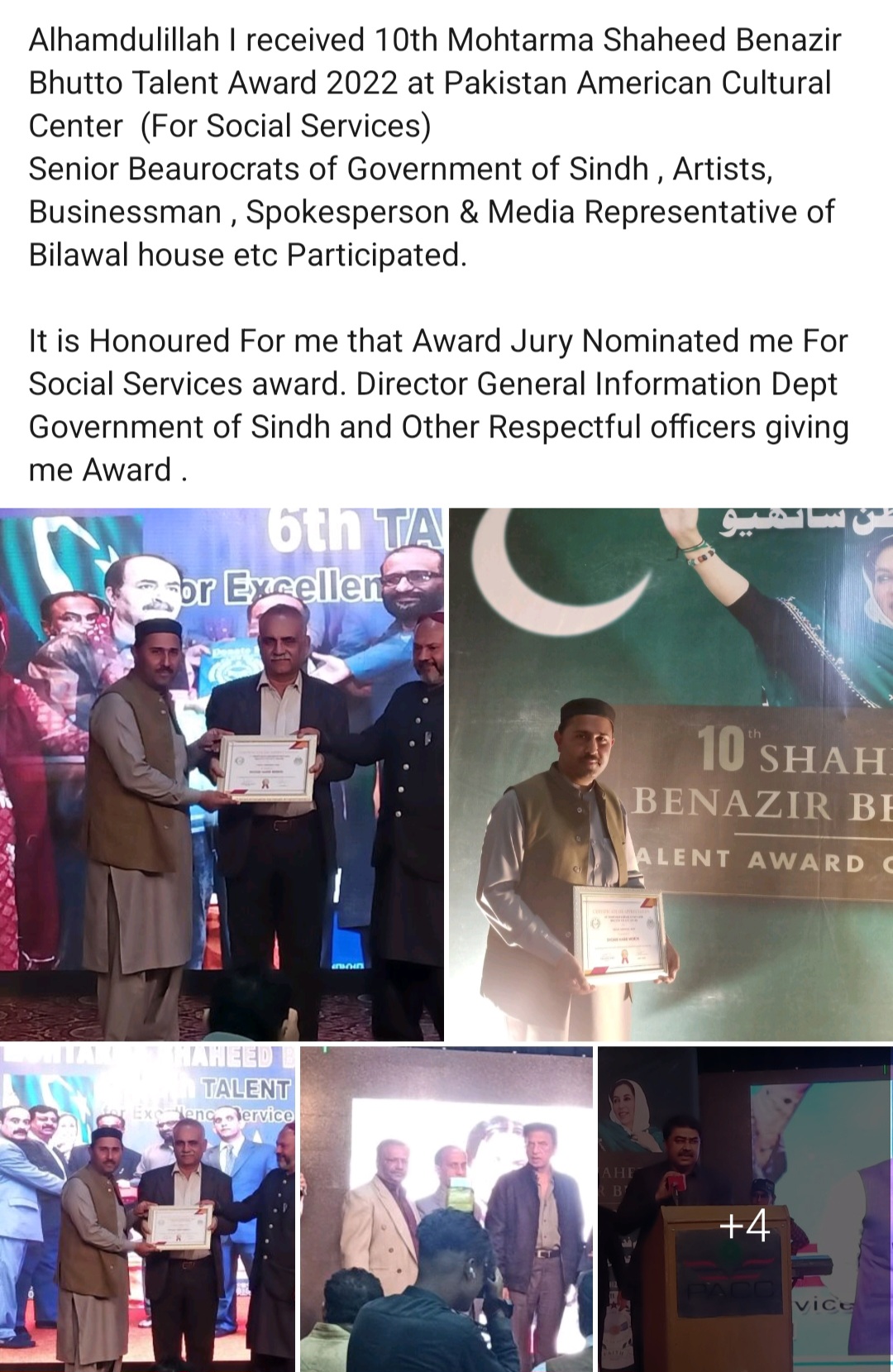
Over the years, Shoaib Habib Memon's humanitarian efforts have received recognition from national and international organizations.
Among his notable recognitions are:
- HBL PSL 8 Hamare Heroes Award — 2023: Recognized by the Pakistan Cricket Board for his exceptional social services.- Book for Peace Award — 2019: Conferred by the FUNVIC Foundation in Italy for his humanitarian contributions.- Humanitarian Awards Global — Ghana, 2021 and 2023: Recognized for impactful social services and presented with Certificates of Recognition.- Certificate of Appreciation — 2022: Awarded by FUNVIC Europe in collaboration with the UNESCO Club of Brazil for humanitarian contributions.
These recognitions are important, but for Mr. Memon, the real measure of success is not an award or certificate. It is the relief visible on the face of a patient who receives treatment, the happiness of a family whose wedding becomes possible, the dignity restored to a person with a disability, or the hope created in the life of a child who receives an opportunity to learn.
More Than 350 Collective Marriages
Marriage can be a major financial burden for families living in poverty. Many parents struggle for years to arrange the marriage of their sons and daughters because they cannot afford basic wedding expenses.
Understanding this challenge, Mr. Memon has played an important role in organizing collective marriage ceremonies for deserving families.
More than 350 collective marriages have been organized through his humanitarian efforts.
These ceremonies have not only helped families financially but have also given young couples an opportunity to begin their lives with dignity.
The collective marriage initiative represents one of the most meaningful aspects of his social work because it addresses poverty at the family level while creating happiness and social stability.
More Than 1,000 Water Hand Pumps
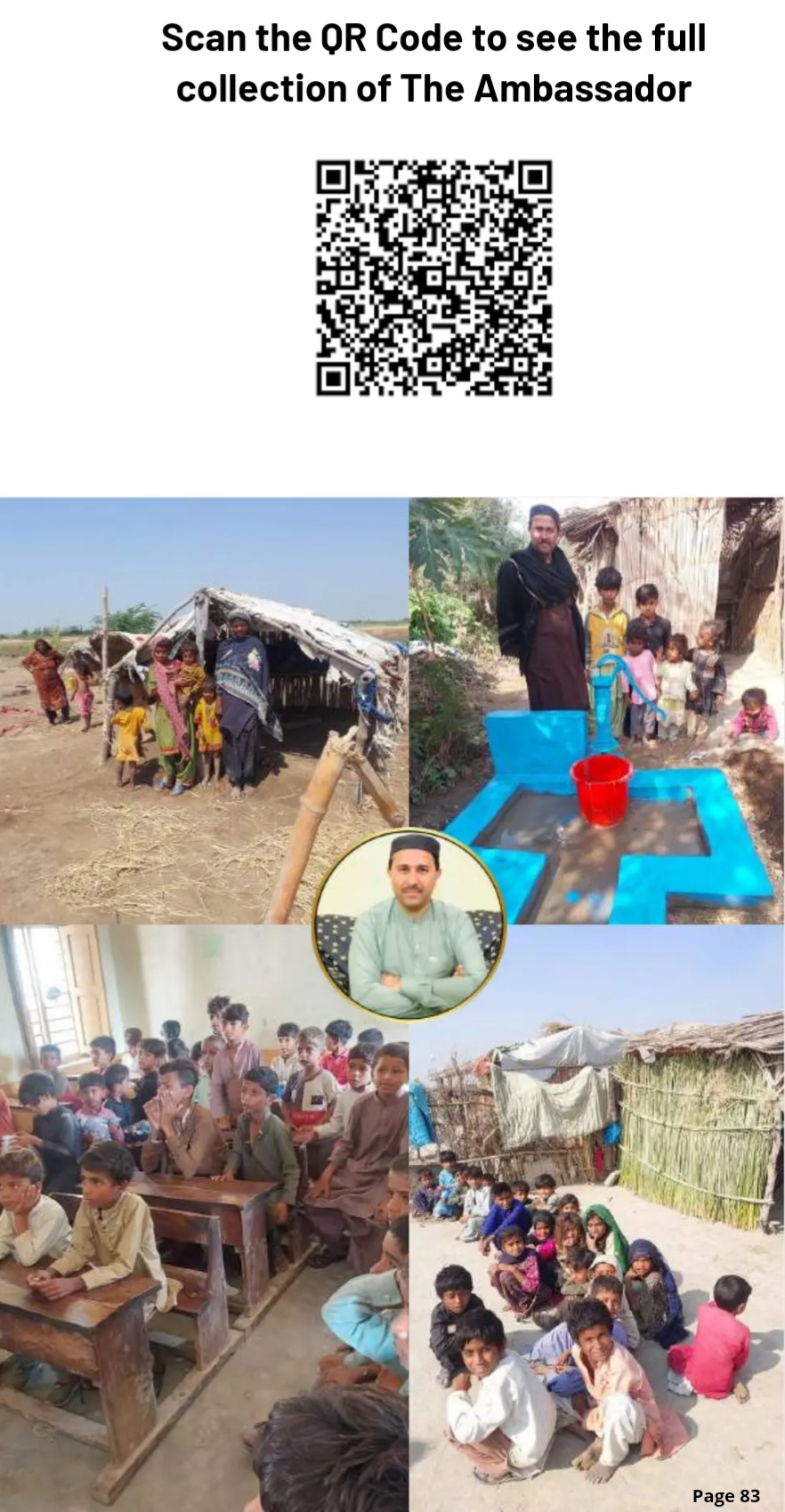
Access to clean drinking water remains a major challenge in many rural areas of Sindh. In numerous villages, women and children have traditionally had to travel long distances to collect water.
Mr. Memon has worked to address this basic human need by supporting the installation of more than 1,000 water hand pumps in water-scarce communities.
A water pump may appear to be a simple project, but in a remote village it can transform daily life. It saves time, reduces the burden on families and provides a more accessible source of drinking water.
This initiative reflects an important principle of his humanitarian philosophy: development begins by addressing the basic needs of people.
Healthcare for the Underprivileged
Healthcare has remained one of the central areas of Mr. Memon's humanitarian work.
He has supported medical and eye camps where poor patients receive medical consultations, medicines and other forms of assistance. His efforts have also included support for cataract surgeries, eye lenses and surgical supplies.
One of his continuing areas of work has been support for underprivileged eye patients, particularly those requiring cataract treatment.
For a poor patient, the inability to afford an operation can mean years of impaired vision and dependence on others. Supporting cataract surgery can therefore mean restoring not only eyesight but also independence.
His healthcare initiatives have also included assistance to patients who require mobility aids and other medical support.
Support for Civil Hospital Thatta
Mr. Memon has maintained a strong connection with public healthcare institutions, particularly Civil Hospital Thatta, Sindh.
His support has included wheelchairs, crutches and walkers for patients who need mobility assistance. He has also contributed surgical equipment and eye lenses to help medical departments provide treatment to deserving patients.
The importance of such contributions extends beyond the individual patient. When hospitals receive necessary equipment and supplies, doctors and medical staff can serve more patients effectively.
His continued support demonstrates the value of cooperation between humanitarian workers and government institutions.
Supporting Persons with Disabilities
Another major area of his humanitarian journey is support for persons with disabilities.
Over the past two decades, thousands of wheelchairs, crutches, walkers and other mobility aids have been distributed to people who cannot afford them.
For a person with a physical disability, a wheelchair or walking aid is not simply a piece of equipment. It can mean the ability to attend school, visit a hospital, participate in family life, work, move independently and live with dignity.
Mr. Memon's work in this field therefore focuses not only on providing an object but on restoring mobility, confidence and independence.
Mr. Memon has also worked with the Special Education Department in Sindh to support children with special needs.
His activities have included support for mobility aids, educational materials and development opportunities.
He has consistently promoted the idea that children with disabilities should not be excluded from education or society. They deserve opportunities to learn, develop skills and participate in community life.
Education as a Long-Term Solution
Mr. Memon believes that poverty cannot be addressed through charity alone. Education is one of the strongest tools available for creating long-term change.
He has supported financially disadvantaged students, orphans and children who struggle to continue their education because of poverty.
His support has included educational materials, tuition assistance and other necessities.
His vision is particularly focused on children living in remote villages of Sindh, where schools may be far away, resources are limited and families often struggle to meet even basic needs.
A New Vision: Free AI and Digital Education Centers
One of the emerging areas of Mr. Memon's humanitarian vision is the development of Free AI and Digital Education Centers.
He is working toward an idea that could bring digital learning and modern educational opportunities closer to children in rural communities.
The concept is simple but potentially transformative: children living in villages should not be deprived of modern knowledge merely because they were born far from a major city.
Free learning and digital centers could provide access to computers, digital educational resources, artificial intelligence tools, online learning and modern skills.
If implemented successfully, such centers could help rural students connect with educational opportunities that are otherwise unavailable to them.
The vision is not simply about technology. It is about creating equality of opportunity.
More Than 100 Mosques Constructed
Mr. Memon's community development work also includes religious and community infrastructure.
He has been involved in the construction of more than 100 mosques, particularly in communities where local people have limited resources to establish adequate places of worship.
These projects have helped communities create permanent facilities for prayer and community gathering.
For him, the construction of a mosque is also a community project because a mosque in a village can become a central place for people to come together, learn and support one another.
Mr. Memon's humanitarian vision also recognizes the importance of empowering women economically.
His initiatives have included support and ideas related to vocational training and small-scale economic opportunities.
The objective is to help women develop skills that can contribute to household income and financial stability.
True empowerment does not mean providing temporary assistance alone. It means helping people acquire the ability to stand on their own feet.
Disaster and Crisis Relief
Sindh has repeatedly faced natural disasters and humanitarian emergencies. Mr. Memon has participated in relief activities during some of the most difficult periods in recent Pakistani history.
During floods and other crises, his relief efforts have included food, clothing and essential supplies for affected families.
His humanitarian journey has also extended to communities outside Thatta, reflecting his belief that suffering has no district, provincial or geographic boundary.
Wherever people are in need, humanitarian support can make a difference.
Thatta is a historic land, but many of its rural communities continue to face poverty, inadequate healthcare, limited educational opportunities and shortages of clean water.
Mr. Memon has chosen to remain connected to these communities and work among them.
His story is therefore not only the story of an individual social worker. It is also the story of a person who has tried to demonstrate that local people can become agents of change within their own communities.
Although much of his work began at the grassroots level in Sindh, his humanitarian efforts have attracted attention beyond Pakistan.
His awards and international recognitions demonstrate that social service performed at the village level can have a global impact.
His story also challenges the idea that humanitarian leadership belongs only to large organizations.
A committed individual, working consistently with communities and volunteers, can create a meaningful humanitarian movement.
The Power of Consistency
Perhaps the most significant feature of Mr. Memon's work is consistency.
It is easy to organize one event. It is much harder to continue humanitarian work for years.
Water projects, healthcare camps, disability support, collective marriages, educational assistance, mosque construction and disaster relief require continuous coordination, fundraising, volunteers and personal commitment.
The scale of his activities over more than two decades reflects persistence.
His journey shows that social work is not simply about one successful project. It is about repeatedly responding to human needs.
Shoaib Habib Memon is a social worker whose humanitarian journey has been built on action rather than words.
From more than 250 collective marriages and 1,000+ water hand pumps to healthcare support, cataract surgeries, mobility aids, disaster relief and more than 100 mosque construction projects, his work has touched communities in practical ways.
He has worked with communities, supported government institutions and collaborated with volunteers to reach people who often have the fewest resources and the least access to opportunities.
His journey from the villages of Thatta to national and international recognition is a reminder that genuine social change can begin anywhere.
Shoaib Habib Memon is not simply a social worker from Thatta. He represents the spirit of a community that believes in compassion, service and collective responsibility.
His greatest legacy will not be the number of awards he has received, but the number of lives made easier, families given hope, patients helped, children encouraged to learn, communities provided with water, and individuals given back their dignity.
For the people of Thatta and Sindh, he stands as a Son of the Soil—a person whose journey continues to demonstrate that when humanity becomes a mission, even one individual's efforts can create change far beyond expectations.
Media Contact
Shoaib Habib Memon shoaibhmemon@gmail.com 00923142090252 Islampur Muhallah Ward No 3 Thatta Sindh Pakistan