Nantong, Jiangsu May 11, 2026 (Issuewire.com) - Navigating the Demand for International Construction Power Exports
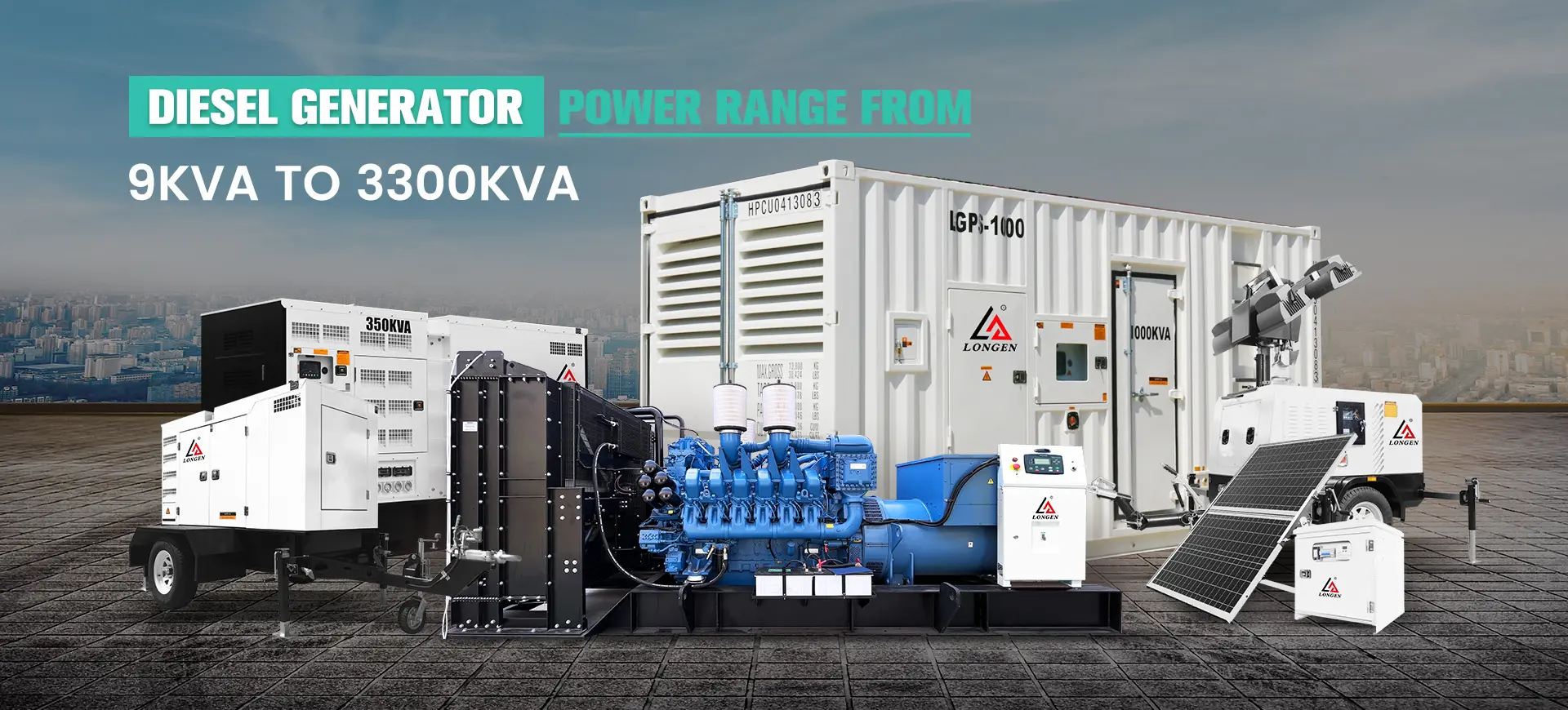
The rapid expansion of global infrastructure has placed unprecedented demand on reliable power solutions, particularly in remote regions where grid connectivity is either non-existent or unstable. As a Global Leading Construction Site Diesel Generator Manufacturer for Export, the industry is shifting toward more integrated, resilient, and high-efficiency systems capable of sustaining rigorous 24/7 operations. For international project managers, selecting the right diesel generator is no longer just about calculating kVA requirements; it involves a complex matrix of logistical, environmental, and technical variables that determine the long-term viability of a construction site's energy infrastructure.
The export market for construction-grade diesel generators has evolved significantly. Today’s international projects—ranging from high-speed rail networks in Southeast Asia to mining operations in South America—demand equipment that can be deployed rapidly and maintained with minimal specialized local support. This "plug-and-play" requirement for exports means that manufacturers must prioritize modular designs and universal compatibility.
Furthermore, construction sites present unique challenges that distinguish them from static industrial facilities. These environments are characterized by high dust concentrations, fluctuating load demands (as heavy machinery starts and stops), and often extreme temperature variances. Consequently, the selection process must be rigorous, focusing on the following core considerations to ensure operational continuity across borders.
Consideration 1: Environmental Adaptability and Regional Compliance
One of the primary hurdles in international projects is the variance in environmental conditions and local regulatory frameworks. A generator optimized for a temperate climate may suffer from derating or cooling failures when exported to a tropical or desert construction site. Professional manufacturers, such as Longen, address these issues by integrating high-efficiency cooling systems and heavy-duty air filtration as standard components in their export models.
Technical compliance is equally critical. For instance, projects within the European Union require CE certification to verify safety and environmental standards. Beyond safety, fuel quality varies by region; therefore, the fuel injection systems must be robust enough to handle different sulfur contents without compromising the engine's longevity. Ensuring that a generator set carries recognized international certifications like ISO9001:2015 is a fundamental prerequisite for mitigating legal and operational risks in foreign jurisdictions.
Consideration 2: Power Density and High-Voltage Requirements
Modern large-scale projects often require power to be transmitted over significant distances across a sprawling site. This has led to an increased reliance on high-voltage diesel generator sets. High-voltage systems (ranging from 3.3kV to 11kV) reduce current flow, which in turn minimizes energy loss during transmission and allows for the use of smaller cable cross-sections, significantly reducing material costs.
Technological innovations in this sector have focused on the stability of the alternator and the precision of the control systems. Modern high-voltage units are designed with advanced insulation classes (typically Class H) and vacuum-impregnated windings to resist moisture and contaminants. These technical specifications are vital for ensuring that the generator can handle the high-torque startups required by industrial cranes, large-scale pumps, and tunneling equipment common in international infrastructure works.
Consideration 3: Fuel Efficiency and Sustainable Operational Costs
For international exports, the Total Cost of Ownership (TCO) is heavily influenced by fuel consumption and maintenance intervals. In remote construction sites, the logistics of fuel delivery can be more expensive than the fuel itself. Therefore, selecting a unit with an optimized combustion system is paramount.
Advanced Electronic Control Units (ECUs) now monitor engine load in real-time, adjusting fuel injection timing and pressure to maintain peak efficiency even at partial loads. This precision not only lowers daily operational costs but also extends the service life of the engine components. Objective performance data often reveals that units with integrated turbocharging and after-cooling systems provide a more stable power-to-fuel ratio, which is a critical consideration for projects with tight budgetary constraints.
Consideration 4: Durability and Physical Protection
Construction sites are inherently "dirty" environments. Equipment exported for these projects must feature sound-attenuated, weather-protective enclosures that do more than just reduce noise. These canopies must be constructed from corrosion-resistant materials, such as galvanized steel with powder-coated finishes, to withstand UV exposure and salt-spray in coastal projects.
Structural integrity is also tested during transit. Exported generators undergo significant vibration and potential impact during sea freight and inland trucking. A reinforced base frame with integrated fuel tanks and dedicated lifting points is essential for safe transport and rapid installation upon arrival. The inclusion of internal vibration isolators ensures that the mechanical stress of operation does not compromise the enclosure or the sensitive control electronics over time.
Consideration 5: Intelligent Monitoring and Remote Support
As projects become more technically complex, the ability to monitor equipment performance from a centralized office—potentially thousands of miles away—has become a standard requirement. Intelligent control panels equipped with GSM or satellite communication modules allow project managers to track fuel levels, engine temperature, and load distribution in real-time.
This digital layer provides a "predictive maintenance" capability. Instead of waiting for a part to fail, sensors detect anomalies in oil pressure or vibration, allowing the site team to intervene before a shutdown occurs. For an international supplier, providing this level of technical transparency is a hallmark of engineering excellence, ensuring that the distance between the factory and the project site does not become a barrier to reliable performance.
Corporate Expertise and Technical Leadership
Successful power deployment in the international arena relies on a manufacturer’s foundational expertise and proven track record. Companies like Jiangsu Longgen Power Technology Co., Ltd. have established themselves as pivotal players in this sector. As a professional manufacturer integrating R&D and design, the company’s role as a certified power equipment supplier to HYUNDAI facilities and a recognized UN supplier underscores its capacity to meet the most stringent global standards.
Their involvement as the backup power supplier for high-profile events like the South Korea Pyeongchang Olympics demonstrates the reliability of their systems under maximum scrutiny. Being a listed company on the Tianjin Equity Exchange (stock code: 032018), Longen provides a level of financial and operational transparency that is highly valued by international procurement officers. With a portfolio of invention and utility model patents, the focus remains on technical evolution—particularly in the realm of high-voltage diesel generator sets which are essential for heavy industrial applications.
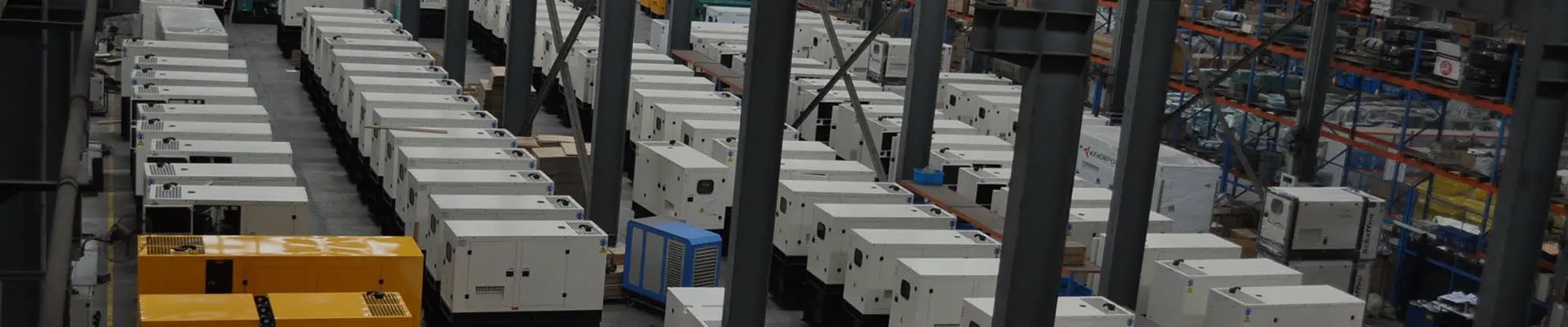
The integration of ISO9001:2015 quality management and CE approval across their product range ensures that every unit exported meets the necessary safety and performance benchmarks required for global commerce. By combining manufacturing scale with specialized engineering, they provide the technical backbone necessary for the world's most ambitious construction projects.
Selecting a diesel generator for international construction export requires a holistic view of the project’s lifecycle. From the initial environmental assessment to the implementation of high-voltage technology and remote monitoring, every decision impacts the project's bottom line and operational safety. As the industry continues to move toward more specialized and efficient power solutions, partnering with an experienced manufacturer ensures that the energy heartbeat of a construction site remains steady, regardless of the geographic or environmental challenges.
For more information on industrial power solutions and technical specifications, please visit: https://www.long-gen.com/
Media Contact
Jiangsu Longgen Power Technology Co., Ltd. info@longen.com




