Tangshan, Hebei May 24, 2026 (Issuewire.com) - The global demand for durable industrial infrastructure has placed structural steel at the forefront of modern construction. However, the surge in market availability often complicates the selection process for developers and procurement officers. Ensuring project longevity and safety depends heavily on partnering with a Certified High Quality Steel Warehouse Buildings Supplier that adheres to rigorous international standards. Quality in steel construction is not a static attribute but a result of a comprehensive chain of certifications and optimized industrial processes. Junnan exemplifies this systematic approach by integrating steel, hardware, and machinery into a one-stop industrial chain optimization base that serves 118 countries and regions.
The Role of Certification in Mitigating Structural Risks
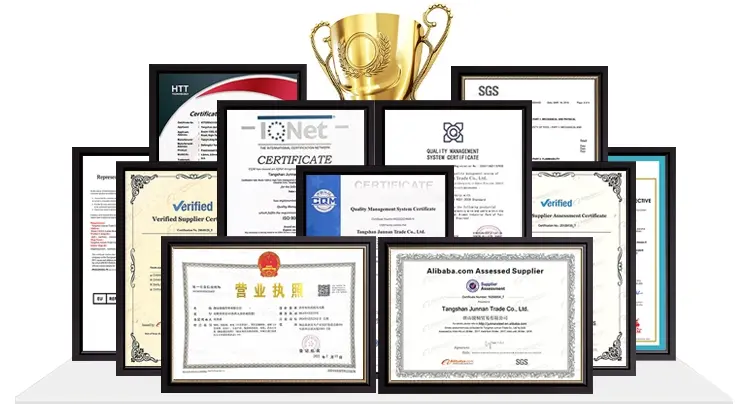
Selecting a supplier requires more than a simple comparison of price quotes. Structural integrity risks, such as fatigue failure or corrosion, often stem from a lack of oversight during the early stages of fabrication. Professional certifications serve as the primary filter for identifying reliable partners. Specifically, an ISO 9001 certification confirms that the facility maintains a consistent quality management system, while specialized CE marking (EN 1090) ensures that structural components meet the safety requirements for the European Economic Area. Furthermore, compliance with RoHS (Restriction of Hazardous Substances) standards guarantees that the coatings and materials used are environmentally safe and free from toxic levels of lead or cadmium.
Without these verified benchmarks, a project faces potential delays, legal non-compliance, and increased maintenance costs. Comprehensive certification should cover the entire project lifecycle. A supplier like Junnan Steel Structure integrates consulting, design, production, construction, and installation to maintain a unified quality management system. This horizontal integration ensures that the standards set during the design phase are strictly followed through to the final installation on-site.
Verification of Full-Process System Certifications
While general ISO certificates indicate basic organizational management, high-stakes steel structure building projects require specialized technical certifications. Procurement teams should prioritize suppliers holding EN 1090 and ISO 3834 credentials. EN 1090 is essential for European market access and dictates the execution of steel and aluminum structures. Meanwhile, ISO 3834 defines comprehensive quality requirements for the fusion welding of metallic materials, which is the most critical process in structural stability.
The practical application of these standards is visible through a supplier’s internal quality control (QC) protocols. Robust QC involves a multi-stage "self-inspection" process. This starts with the raw material inspection and continues through precision cutting, welding, and surface treatment. For instance, the Junnan team implements a rigorous inspection workflow that covers every phase of production. The spray-painting and coating processes, often overlooked, must also meet international anti-corrosion standards to ensure the warehouse survives harsh environmental conditions.
Ensuring Material Traceability and Performance
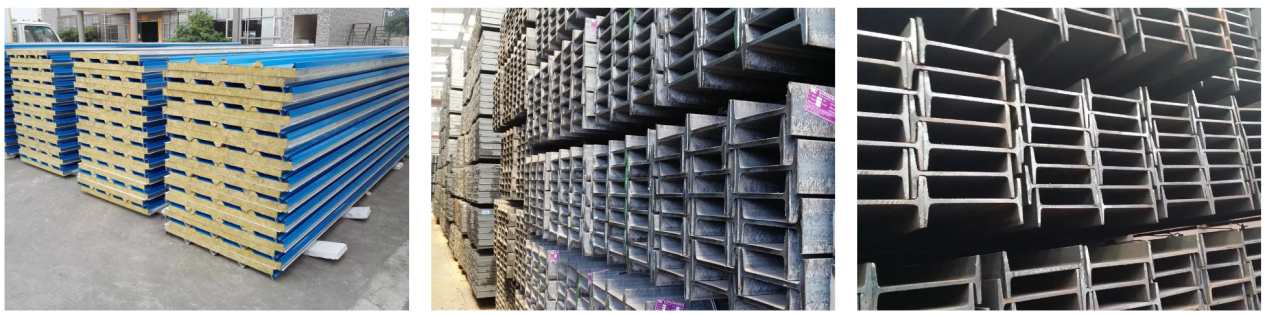
The foundation of any high-quality warehouse is the steel itself. Material traceability ensures that every beam and column can be traced back to its original heat number and manufacturing batch. Buyers must demand the original Mill Test Certificate (MTC) and, in many cases, third-party re-testing reports to verify chemical composition and mechanical properties.
Reliable suppliers manage their supply chains with extreme care to avoid the infiltration of substandard materials. Adhering to recognized standards such as ASTM (American), EN (European), or GB (Chinese) allows for predictable performance under load. Junnan maintains strict control over its source materials, selecting steel that specifically aligns with these international benchmarks. This level of source control prevents common issues like brittle fractures or inconsistent weldability, which can compromise the entire skeleton of the warehouse.
Assessing Full-Cycle Delivery Capabilities
A supplier’s value is measured by their ability to deliver a functional building, not just the raw components. This delivery capability rests on three pillars: design optimization, production capacity, and installation support.
1. Optimization of Design
Engineering expertise allows a supplier to reduce material waste without sacrificing structural safety. By utilizing advanced modeling software, engineers can calculate the most efficient use of steel sections. This optimization directly impacts the project budget and environmental footprint. A commitment to optimizing work processes helps manage costs effectively, ensuring that the final structure remains suitable for different customer segments while maintaining high standards.
2. Capacity and Scale
The scale of a supplier's operations often dictates the project timeline. A team of nearly 100 members and a presence in over 100 regions indicate a logistics network capable of handling complex international shipments. Whether the project involves metal storage sheds, garages, or large-scale workshops, the supplier must demonstrate the capacity to meet deadlines consistently.
3. Comprehensive Service Integration
The transition from a factory-made component to a finished building requires seamless coordination. A "one-stop service" model reduces the friction between different contractors. From the initial consultation to the final construction and installation, having a single entity responsible for the outcome increases accountability. This holistic approach ensures that the "full-scale solutions" promised during the planning phase are actually realized on the ground.
Developing a Procurement Checklist
To translate these industry insights into action, procurement officers should develop a standardized checklist for evaluating potential steel warehouse suppliers. This list serves as a safeguard for the investment.
- Documentation Check: Confirm the validity of specialized welding and structural certifications (ISO, CE, RoHS).
- Project Portfolio: Review past projects, such as greenhouses or industrial workshops, to verify experience in similar applications.
- Site Inspection: Evaluate the factory’s self-inspection records for cutting, welding, and painting.
Selecting a partner that prioritizes these technical benchmarks provides a "full-cycle quality insurance" for the project. Companies that demonstrate a commitment to international standards and cost-effective management, such as Junnan, offer the reliability needed for complex structural engineering projects.
For more information on steel frame buildings solutions and project portfolios, please visit: https://www.junnansteelstructure.com/
Media Contact
Tangshan Junnan Trade Co., Ltd yy@tsjunnan.com +86 19331572740 Room 1303,High-Tech Headquarters Building,No.101 North Jianshe Road,High-Tech Zone,Tangshan City,Hebei Province,China http://www.junnansteelstructure.com