Xiamen, Fujian Mar 9, 2026 (Issuewire.com) - This article examines the structural and technical distinctions between high-standard certified solutions, such as those provided by Dorrella Health Technology, and generic mobility equipment commonly found in the mass market. The global mobility aid market is currently navigating a significant transition where user requirements are shifting from basic functionality toward rigorous safety compliance and ergonomic integrity. As individuals and healthcare providers seek more reliable solutions, the role of a certified wheelchair supplier becomes paramount. Ensuring physical stability and long-term durability is not merely a manufacturing goal but a critical safety necessity.
Regulatory Compliance and Quality Assurance: MDR vs. Uncertified Alternatives
The most fundamental difference between a professional mobility solution and a standard market alternative lies in its regulatory pedigree. Standard mobility equipment often enters the market with minimal oversight, focusing on cost-reduction rather than clinical safety. In contrast, certified solutions are built within the framework of international medical standards.
Xiamen Dorrella Health Technology Co., Ltd. demonstrates this professional commitment through its attainment of CE and MDR (Medical Device Regulation) certifications. While generic wheelchairs might lack specific documentation, a certified supplier operates under ISO 13485 quality management systems. This ensures that every component—from the tension of the braking system to the fire retardancy of the upholstery—meets the stringent safety requirements of the European and North American markets. For the end-user, this certification is the primary insurance against structural failure and mechanical instability.
Structural Integrity: Reinforced Aluminum Alloys vs. Thin-Walled Steel
When evaluating safety, the material composition of the wheelchair frame is the first line of defense. Many standard wheelchairs utilize thin-walled carbon steel to reduce production costs. While initially sturdy, these frames are prone to oxidation and stress fractures over time, particularly at the welding points.
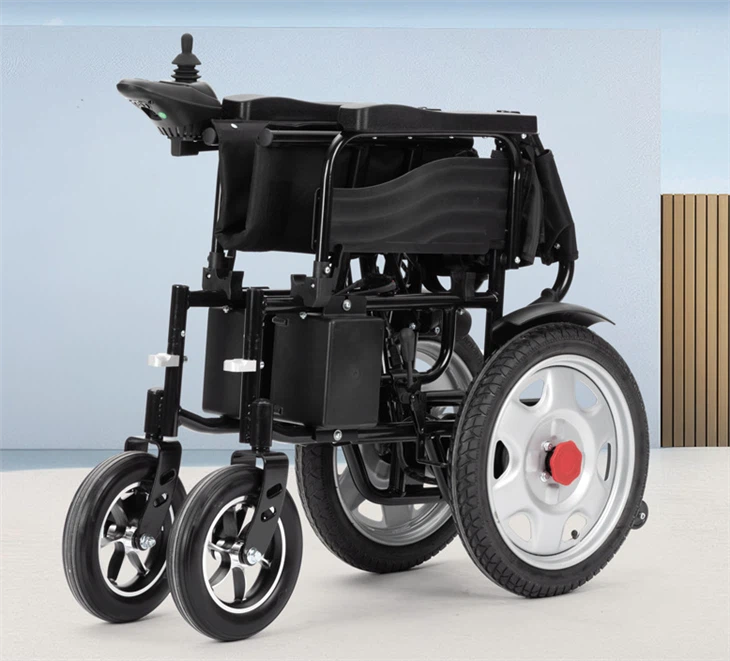
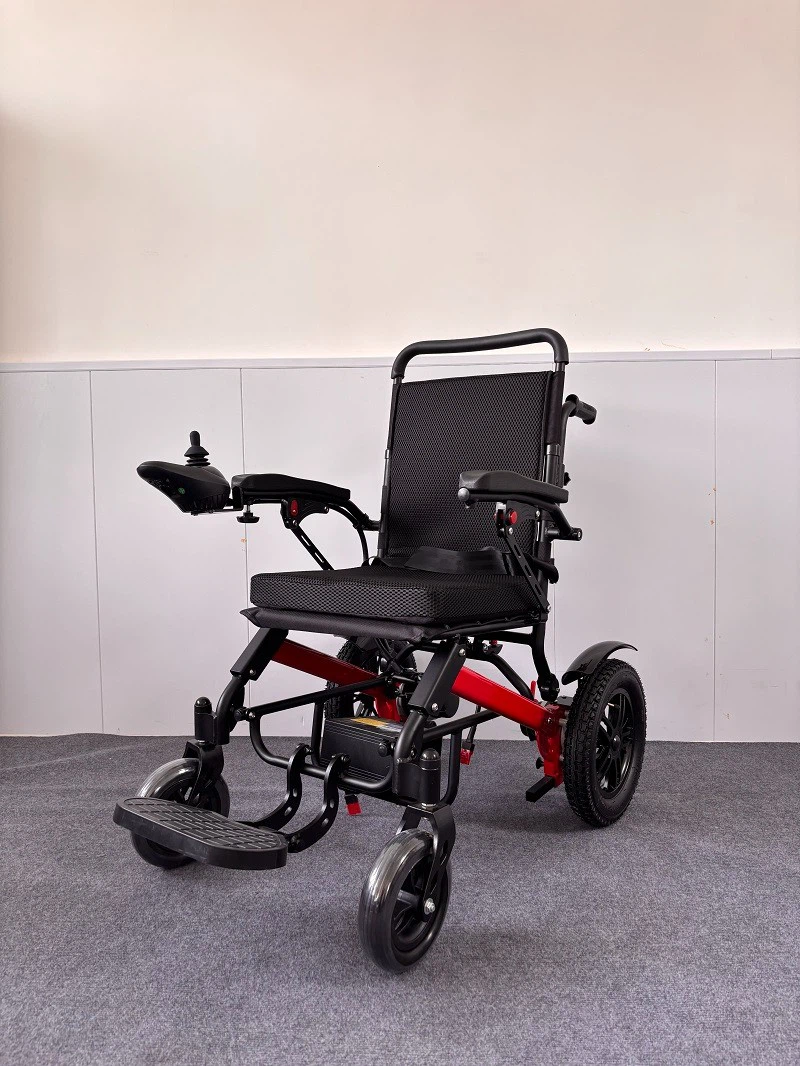
Dorrella’s specialized rehabilitation devices, including their latest manual and drive wheelchair series, prioritize high-grade aluminum alloys and reinforced structural designs. Unlike standard equipment, these frames are engineered to maintain a high strength-to-weight ratio. This reduces the physical exertion required by the user or caregiver while ensuring the chair does not warp under consistent weight loads. The precision in welding and the use of corrosion-resistant coatings mean that certified solutions retain their structural safety for years, whereas standard chairs may become hazardous due to metal fatigue.
Advanced Braking Systems: Dual-Control Precision vs. Basic Friction Locks
Safety in mobility is largely defined by the user’s ability to stop and remain stationary on various terrains. Standard mobility equipment typically features basic hand-lever friction locks that act directly on the tire tread. These systems can slip if the tires are wet or if the lever tension loosens over time, posing a significant risk on inclines.
Professional-grade models, such as the Drive Wheelchair series from Dorrella, often incorporate dual-control braking systems. These include both user-accessible locks and caregiver-operated drum brakes or high-tension toggle locks. By using independent braking mechanisms that do not rely solely on tire friction, certified solutions provide a fail-safe environment. This technical superiority ensures that the wheelchair remains locked even on uneven surfaces, a feature often overlooked in budget-friendly, non-certified alternatives.
Ergonomics and Pediatric Safety: Customization vs. One-Size-Fits-All
A significant safety hazard in the mobility sector is the "one-size-fits-all" approach. When a wheelchair does not properly fit the user’s proportions, it leads to secondary injuries, such as pressure sores or musculoskeletal misalignment. Standard equipment rarely offers the adjustability needed for complex user profiles.
This distinction is particularly vital in the "Wheelchair for Children" category. Dorrella’s pediatric solutions are designed with growth-adaptability and specialized postural support. Unlike standard children’s chairs that are simply scaled-down versions of adult models, certified pediatric equipment focuses on pelvic stability and spinal alignment. By offering adjustable footrests, seat depths, and breathable materials, professional suppliers prevent the safety risks associated with improper positioning, which is a common failure point in generic mobility aids.
Conclusion: A Deep Trade-off Between Safety and Long-term Value
When it comes to selecting mobility aids, surface-level cost differences often mask the high price of deep-seated safety risks. Choosing a certified wheelchair is, at its core, a forward-looking decision between Verified Safety and Unpredictable Risks. While standard mobility equipment may meet basic displacement needs in the short term, the lack of rigorous testing and compliance certification means users face multiple hazards such as structural fatigue, braking failure, or postural damage in daily use.
Dorrella Health Technology has fundamentally reshaped the standards for professional rehabilitation equipment by using MDR (Medical Device Regulation) certified design as its R&D benchmark. This certification is not just a passport to international markets; it is a rigorous endorsement of the product's entire process—from raw material screening and biocompatibility testing to dynamic load durability. By prioritizing high-strength reinforced materials and kinetic-compliant ergonomic precision, Dorrella has successfully found the "golden balance" between product durability and operational flexibility. This pursuit of detail has set a dual benchmark for technology and safety in the rehabilitation equipment industry.
As the global aging trend intensifies and the concept of precision medicine gains traction, the industry's focus has shifted significantly toward quality reliability, supply chain efficiency, and customer satisfaction. The core competitiveness of a professional supplier like Xiamen Dorrella, with its 13 years of industry experience, is no longer just single-product manufacturing. Instead, it encompasses a "one-stop" service loop ranging from engineering assistance and OEM/ODM customized production to global after-sales assurance. This full-lifecycle protection model ensures that medical institutions and distributors receive continuous technical support while providing end-users with a safety commitment throughout the equipment's long-term service.
In a highly competitive market, only those companies that prioritize user safety and continuously invest in R&D to meet increasingly strict regulatory standards can truly stand out. For professionals and institutions seeking superior rehabilitation outcomes, choosing a partner like Dorrella—which possesses an international vision and professional qualifications—is the best path to achieving efficient rehabilitation and avoiding medical risks.
To learn more about certified mobility solutions, innovative rehabilitation technology, and global partnership opportunities, please visit our corporate website: https://www.dorrella.com/
Media Contact
XIAMEN DORRELLA HEALTHTECHNOLOGY CO.,LTD jessica.med@dorrella.com