Jaipur, Rajasthan Jan 9, 2025 (Issuewire.com) - Router Protocol has officially launched the Router Chain Mainnet, a groundbreaking PoS L1 blockchain that brings the power of chain abstraction to the forefront. This milestone marks the culmination of years of development, innovation, and perseverance in creating the most advanced cross-chain bridge solution. With the mainnet now live, Router Chain offers truly omnichannel dApps that abstract chains from users and aggregate liquidity across multiple chains, paving the way for an interconnected blockchain ecosystem.
Bridging Ideas, Connecting Ecosystems
The launch of Router Chain introduces several key features that stand out in the blockchain landscape:
- Stateful Bridging: This allows the Router Chain to maintain states and implement custom business logic directly on the bridging layer, making it a powerful solution for cross-chain bridges.
- Flexibility for Developers: Router Chain provides developers with the utmost flexibility in choosing their bridging model (stateful or stateless), security model, and smart contract platform (EVM or CosmWasm).
- Cross-Chain and Multi-Chain Data Aggregation: Router-chain contracts can serve as data aggregation modules for various cross-chain and multi-chain applications, allowing developers to create decentralized applications that bridge multiple ecosystems.
- Gasless Cross-Chain Transactions: By delegating execution to third-party services, Router Chain enables gasless cross-chain transactions, improving the user experience while reducing transaction costs.
- Layered Security Approach: Featuring PoS validation and ASM (Additional Security Module), the Router Chain ensures secure, fast, and reliable transactions with customizable security modules like zk-proofs or multisig.
Router Chain has already connected to over 30 ecosystems, processing more than a million transactions and handling assets worth nearly a billion dollars through its Nitro bridge during its beta phase.
A Journey of Innovation
Router Protocol's vision has always been to bridge the gap between isolated blockchains and create a more interconnected Web3 ecosystem. The Router Chain Mainnet represents the evolution of our initial cross-chain bridge solution, which began with the Router Protocol v1 in January 2022. The first version used a Proof-of-Authority mechanism for bi-directional asset movement, but it became evident that a more decentralized, cost-effective solution was required.
The shift to a Router Chain enables decentralization, faster transactions, and enhanced security, addressing the limitations of previous versions and empowering developers to build seamlessly across multiple ecosystems.
Security remains a top priority, and Router Chain has passed comprehensive audits from leading firms, including Informal Systems, Oak Security, and 0xCommit. These audits have strengthened Router Chain’s security framework and validated its capabilities in handling cross-chain liquidity and transactions.
The Power of Chain Abstraction
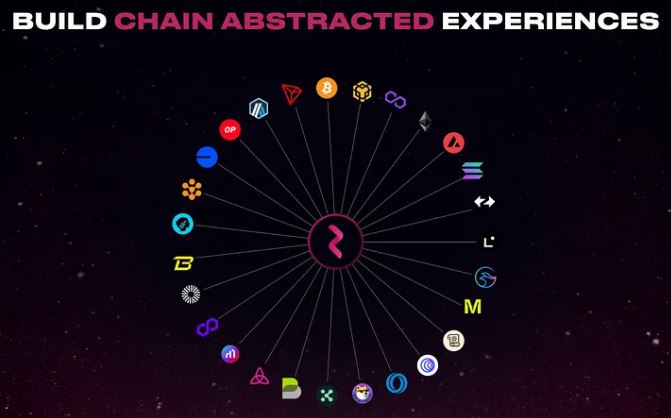
The core innovation behind Router Chain lies in its ability to abstract away the complexities of cross-chain bridges, making it easier for developers to build applications without worrying about the intricacies of multiple blockchains. Similar to how cloud services revolutionized web development, chain abstraction simplifies cross-chain interactions and optimizes the cost and speed of transactions.
Key components of the Router Chain include:
- Router’s Cross-Chain Intent Framework (CCIF): This framework abstracts the bridging logic, enabling users to access dApps across chains in a decentralized manner, removing the need for users to bridge assets between networks manually.
- Router Nitro: The cross-chain swap engine that powers the Router Chain, Nitro enables permissionless, high-speed, low-latency cross-chain asset transfers and is already handling significant transaction volumes.
With more than 380,000 users and over $937 million in cross-chain transactions, Nitro has proven its capability to provide a fast and secure crypto bridge that accelerates the cross-chain liquidity flow.
Addressing Layer 2 Challenges and Beyond
The Router Chain is designed to overcome the challenges associated with Layer 2 solutions, ensuring fast finality, cost efficiency, and scalability. Our partnership with leading protocols enables fast finality for Layer 2 messages, providing developers with the flexibility to balance security and speed in their cross-chain applications.
Our modular architecture and Optimistic Reverse Verification make the Router Chain 22% more cost-effective than existing alternatives, while its middleware interceptors ensure scalability and widespread adoption.
What does the Mainnet Launch Mean for ROUTE Token Holders, Validators, and Developers?
For ROUTE Token Holders
The ROUTE token is the backbone of the Router Chain ecosystem, used to pay for transaction fees and secure the network through staking. With the mainnet launch, ROUTE token holders can now participate in securing the network and earning rewards.
Key Highlights for Token Holders:
- Staking: Stake your ROUTE tokens to support the network and earn staking rewards.
- Migration: Ensure you’ve migrated to the new ROUTE token. Users with old ROUTE tokens must migrate to the new ones in order to stake them. Check out the migration guide here.
- StakeDrop: Participate in the rewarding StakeDrop campaign, where you stake ROUTE and earn DROPS. This campaign is divided into two seasons, and participants are also eligible for additional ecosystem rewards.
- Governance: As a ROUTE holder, you gain the ability to participate in the management of the Router Chain network. Cast your vote on key decisions and help shape the future of the ecosystem.
For Validators
Validators are essential to maintaining the integrity of the Router Chain network. By participating in the consensus process, validators help ensure that cross-chain transactions are processed securely and efficiently, supporting the overall vision of a chain-abstracted ecosystem.
Key Highlights for Validators:
- Decentralized Network: Join a robust PoS consensus mechanism with over 30 validators, helping to secure the network and support the Router Chain ecosystem.
- Economic Incentives: Validators are rewarded for their contributions to the network's security and operation. Additionally, validators must connect to various blockchains integrated with the Router Chain to offer seamless chain abstraction. Want to join our team of validators? Schedule a call with us here.
For Developers
Developers can leverage the power of the Router Chain to build omnichain dApps that seamlessly interact with multiple blockchains, abstracting the complexity of cross-chain transactions.
Key Highlights for Developers:
- Interoperability: Create omnichain dApps that operate across various blockchains, abstracting the complexity of cross-chain interactions for a smoother user experience.
- Stateful Bridging: Aggregate liquidity and facilitate seamless interactions across multiple chains, ensuring a seamless user experience.
- Cross-Chain Intent Framework (CCIF): Simplify cross-chain interactions with the Router’s CCIF, allowing users to access your dApps from any blockchain without the need for manual bridging.
- Leverage Router Nitro: Utilize Router Nitro for ultra-low latency and cost-effective cross-chain asset swaps while ensuring trustless security. Take advantage of reverse verification flow for fast and secure asset transfers or burn and
mint flow for efficient token management across chains. - Build & Extend Your Tokens: Router Chain makes it easy to create and manage omnichain tokens across multiple blockchains, improving capital efficiency, broadening user reach, and simplifying asset transfers.
- Additional Security Module (ASM): Enhance security by aggregating data verification from multiple bridges and sources before executing cross-chain transactions, providing modular and robust protection for each message transferred.
The launch of the Router Chain Mainnet marks a transformative milestone in the blockchain ecosystem, setting the stage for a more decentralized, interconnected, and efficient Web3 environment. By introducing stateful bridging, cross-chain data aggregation, and gasless transactions, the Router Chain offers a robust solution to the complex challenges of cross-chain interactions. With its flexible architecture, Router Nitro, and the Cross-Chain Intent Framework (CCIF), developers now have the tools to build omnichain dApps that simplify cross-chain processes and improve user experiences.
For ROUTE token holders, validators, and developers, this launch opens up new opportunities to participate in a vibrant and growing ecosystem. Whether it’s through staking, governance, or building innovative cross-chain applications, Router Chain offers a seamless way to engage with the future of blockchain technology.
As Router Chain continues to expand, we remain committed to driving the vision of chain abstraction forward, creating a more integrated and efficient blockchain ecosystem for everyone.
For more details, visit us at:
- Website: https://www.routerprotocol.com/
- Twitter: https://x.com/routerprotocol?t=Jab_H522Y2fB6uM60Pn6zA&s=09
- Medium: https://routerprotocol.medium.com/
- LinkedIn: https://www.linkedin.com/company/router-protocol
- Telegram: https://t.me/routerprotocol
- Instagram: https://www.instagram.com/routerprotocolofficial/
- YouTube: https://www.youtube.com/channel/UC3ST1tToUIjA7swKO4g5Uxw/featured
- Discord: https://discord.gg/rKf9UYMNWC
- GitHub: https://github.com/router-protocol
Media Contact
Router Protocol routerprotocol01@gmail.com https://www.routerprotocol.com/