Mountain View, California Oct 27, 2024 (Issuewire.com) - Petoi LLC - Programmable robot dogs and kits are becoming all the rage these days and for the right reasons. A programmable robot dog can help children sharpen their problem-solving skills, increase creativity and innovation, and develop computational thinking skills. In this blog, we’ll understand why parents should invest in programmable robots for kids and how they can be an investment in their child’s future.
- Encourage STEM learning.
In today’s rapidly evolving technological world, introducing your children to robotics at the right age can provide a hands-on way to explore STEM (Science, Technology, Engineering, and Mathematics). A programmable robot dog can introduce students to the basics of robot design, construction, and programming in a fun and engaging manner.
From learning about gears, motors, and structural design to exploring coding and algorithms to control robot behavior, kids can develop a solution-oriented mindset, and logical reasoning, and prepare for future STEM careers. Getting encouraged from a young age to explore robot dogs can result in a more successful and fulfilling career in STEM.
- Unique alternative to text-based materials
Typically, coding theory classes involve kids sitting at a computer desk and typing in code. This presents a disadvantage of not getting any hands-on experience to interact with the physical world. Also, diverse groups of learners, including students with learning difficulties, make learning text-based materials difficult. Robotics is one of those few types of instructional materials that can support learners of all age and ability groups.
Robotics offers a unique alternative to text-based materials, as the same set of robotic materials can create different instructional experiences for students within the same class. Some programmable robots for kids require constructing the robot with the help of robotic kits, while some of them are preassembled, enabling children to engage children while still teaching them coding.
- Fostering creativity and imagination
Programmable robot dogs with Robot Kits provide an excellent platform for your kids to explore creativity and foster their imagination. Creating robotic dogs involves complex problems that require children to think creatively and come up with new solutions and innovative ideas. It helps them develop problem-solving and critical thinking skills.
Here’s one example of Miel, a 10-year-old kid, programming his robot dog Bittle to sing a birthday melody to her mom:
Designing and building robots encourages children to experiment with different ideas that develop their imagination and creativity. Also, robotic projects are done in teams that help children learn, collaborate, and communicate effectively. It can foster creativity as kids discuss ideas and perspectives that also result in new ideas. Building robots is also challenging, and children often encounter setbacks while doing it. This can help them develop resilience and perseverance, which are crucial qualities for creative thinkers.
- Enhance problem-solving
Programming a robot dog requires critical thinking and problem-solving skills. A child can encounter a challenge of either a programming bug or obstacle in the robot's path, through which children can analyze the issue, strategize the solution accordingly, and implement it. The process can help kids build resilience and determination and help teach kids that failure is also a part of learning.
It also makes kids more persistent to learn. Robotics gives a chance to students to make mistakes and learn from them. The eagerness to get their robot to perform keeps them going and learning new things. Instead of giving up, they keep trying due to the fun element involved. At last, when they succeed, they feel proud of themselves and even work harder for the next challenge.
- Builds teamwork skills
Many programmable robot dogs are used in group settings, which encourage collaboration and team skills among children. They work together to code the robot's movements or participate in team challenges that help them learn the importance of teamwork and communication. It helps them build essential teamwork skills.
Peer learning and support can help kids learn from each other as they work on robotics projects. It helps them build empathy, understanding, and willingness to help each other. Also, when children work in groups, they encounter disagreements and conflicts. This gives them a chance to reduce conflicts peacefully and helps them develop crucial social skills such as negotiation and compromise. They work together, share ideas, and celebrate their success together.
- Prepare your kids for the future.
Our daily lives are surrounded by technical items such as computers, smartphones, video games, and GPS. Many studies show that in the future we will be surrounded by even more digital devices and an increasing proportion of jobs will also be tech, AI, and robotics-related.
Preparing your kids from the start for future demanding jobs is crucial to preparing them for success. With programmable robots, you can empower your kids with the skills of robotics through robotic learning. Prepare your kids as creators of the next generation of technology.
https://youtu.be/5jhmbeOUxK4?si=fTf0tmIxDVFVM5CG
Petoi’s Programmable Robots for Kids
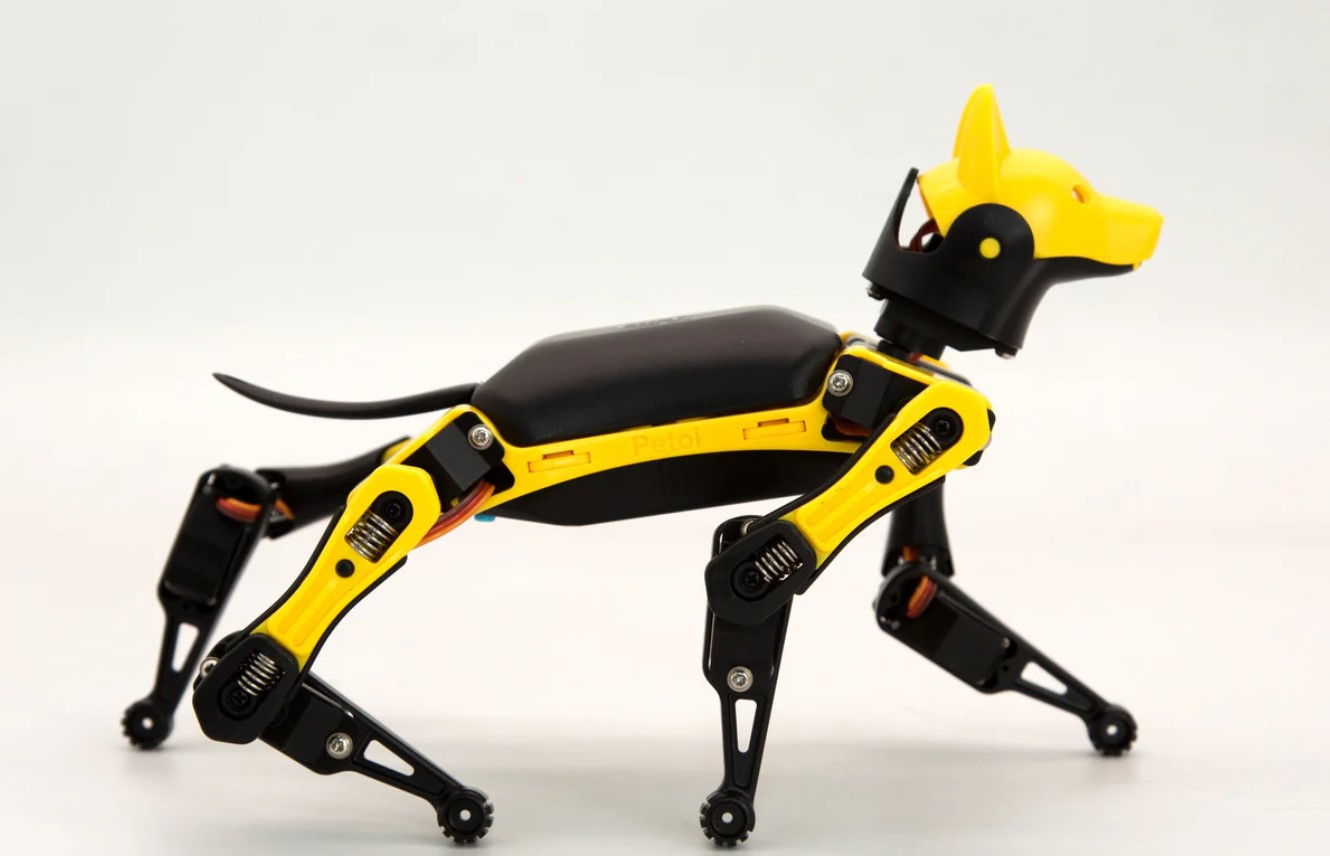
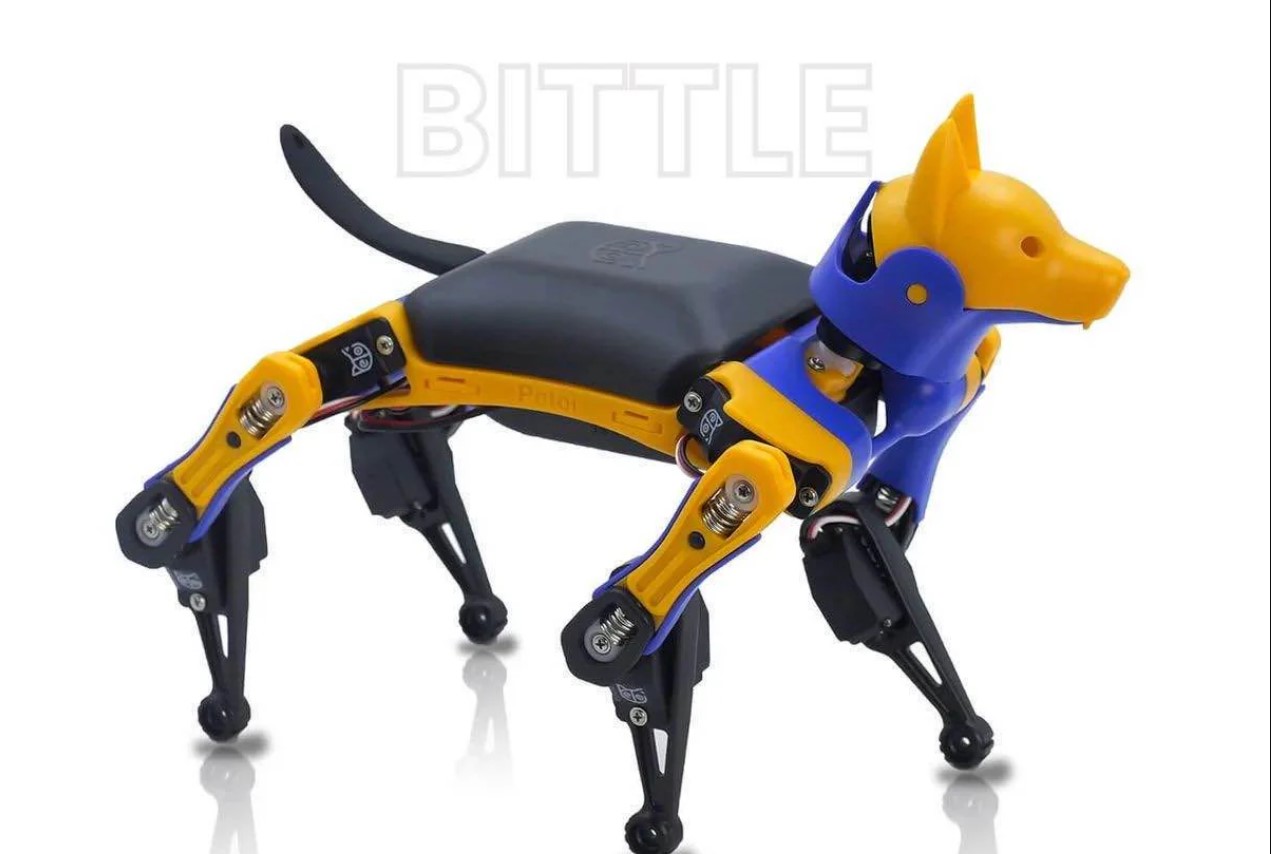
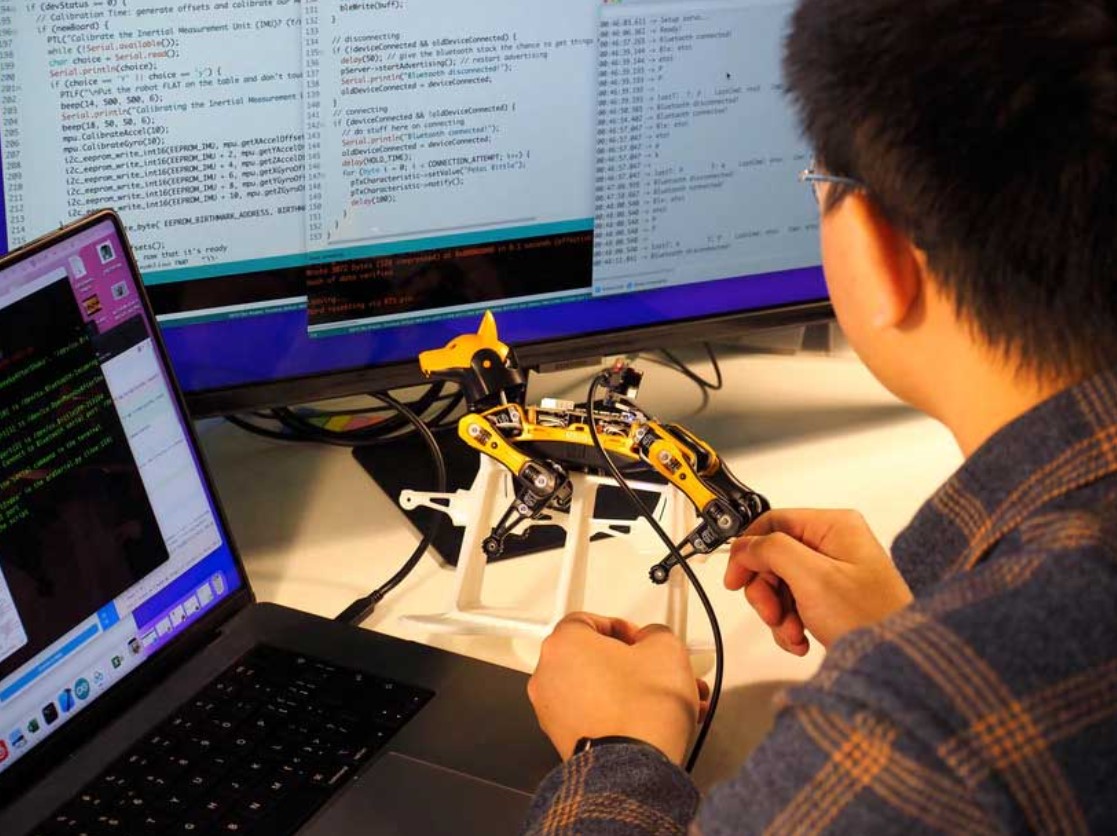
Bittle X Robot Dog is Petoi’s programmable Quadruped robot that can be assembled from a Bittle X construction kit. As an open-source, voice-controlled robot dog, you can guide your kids to learn robotics coding, which includes scratch-like block-based coding, C++, and Python.
Petoi Nybble Robot Cat is another programmable quadruped robot in the cat form. With the help of Petoi’s Bittle X and Petoi Nybble, students can make their learning environment engaging and interactive. Students can explore a wide variety of fun activities through it. From obstacle courses to dance challenges, students can use Petoi programmable robots for these activities to spark curiosity and inspire learning and innovation.
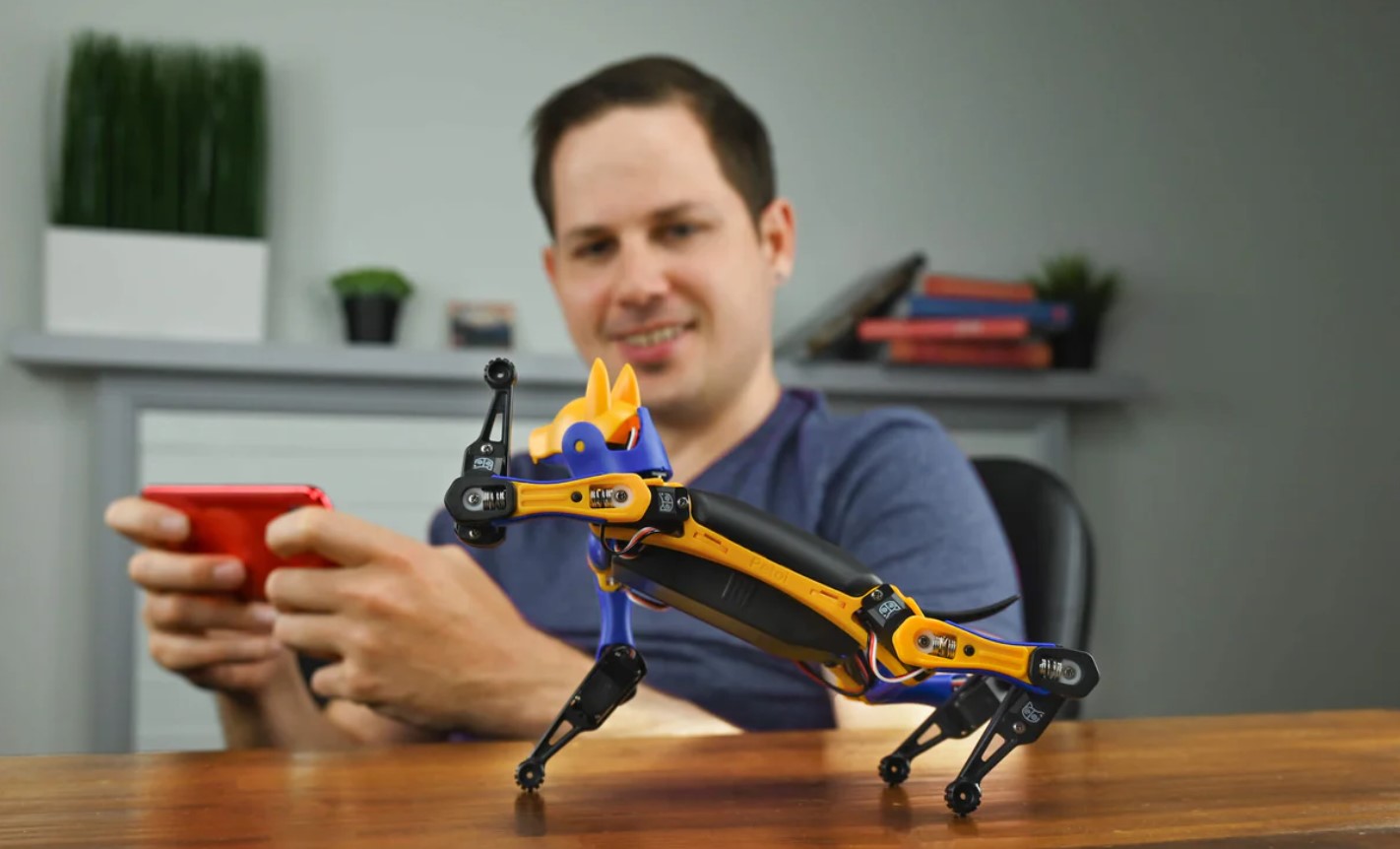
With Petio Bittle X, you can get the opportunity to do hands-on learning for robot dogs with voice control and programming capabilities using free Petoi robotics curriculums in block-based coding and C++. Students can control Bittle X to move around and perform lifelike actions such as run, walk, pushup, shake hands, and backflip which make learning fun and engaging. Also, students can issue commands to Bittle X with the voice command feature, record and program new voice commands, and make Bittle X respond to custom voice commands.
Conclusion
Investing in a programmable robot dog for your child is so much more than just a fun activity. Through robot dogs, kids can learn new skills and experiences, which can benefit them in future years as the STEM field is in demand and is growing. Kids can enhance their thinking abilities and social skills through team learning. Consider investing in a programmable robot dog and making learning coding fun for children.
Media Contact
Petoi LLC support@petoi.com 340 E Middlefield Rd, https://www.petoi.com/