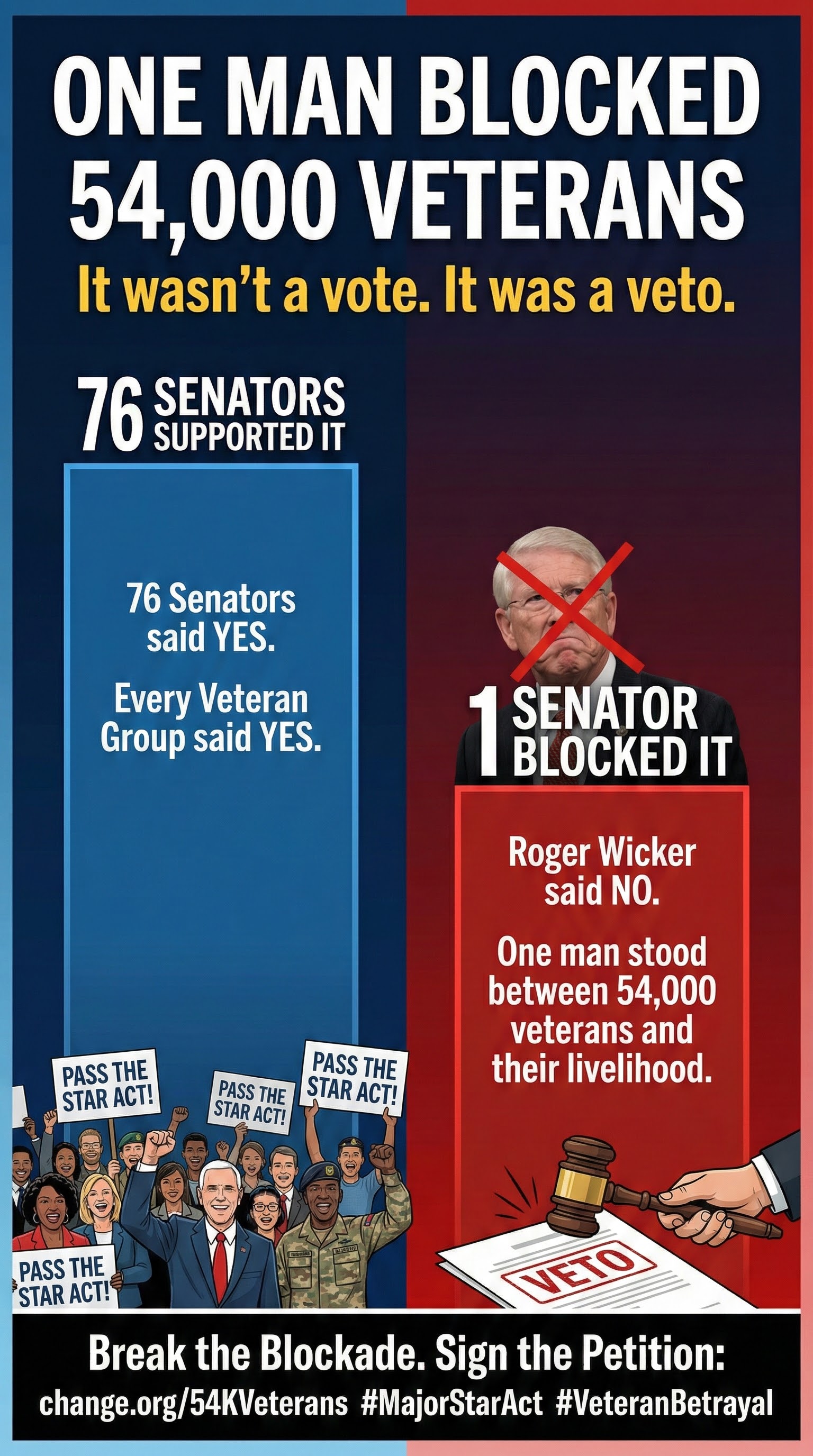
Washington, D.C, District of Columbia Jan 1, 2026 (Issuewire.com) - A retired United States Navy Senior Chief is calling attention to stalled action in the U.S. Senate after the Major Richard Star Act, supported by 77 Senate cosponsors, was halted by a single objection that prevented the bill from advancing without a recorded vote.
On October 8, 2025, the Senate was prepared to move the Major Star Act forward by unanimous consent after it was brought to the floor by Senator Richard Blumenthal of Connecticut. Under Senate procedure, unanimous consent allows legislation to advance unless a senator objects. An objection was raised, stopping the bill and preventing a roll call vote.
“On paper, this bill appears unstoppable,” said Senior Chief Shane Junkert, USN (Ret.), a combat veteran and founder of 54KVeterans.org. “In reality, one senator objected—and every other senator allowed that objection to stand. That disconnect is what veterans are struggling to understand.”
What the Major Star Act Would Fix
The Major Richard Star Act is named in honor of Major Richard Star, an Army combat engineer who served in Iraq, Afghanistan, and Kuwait and later died from lung cancer linked to burn pit exposure. The legislation applies narrowly to veterans medically retired under Chapter 61 due to combat-related injuries before reaching 20 years of service.
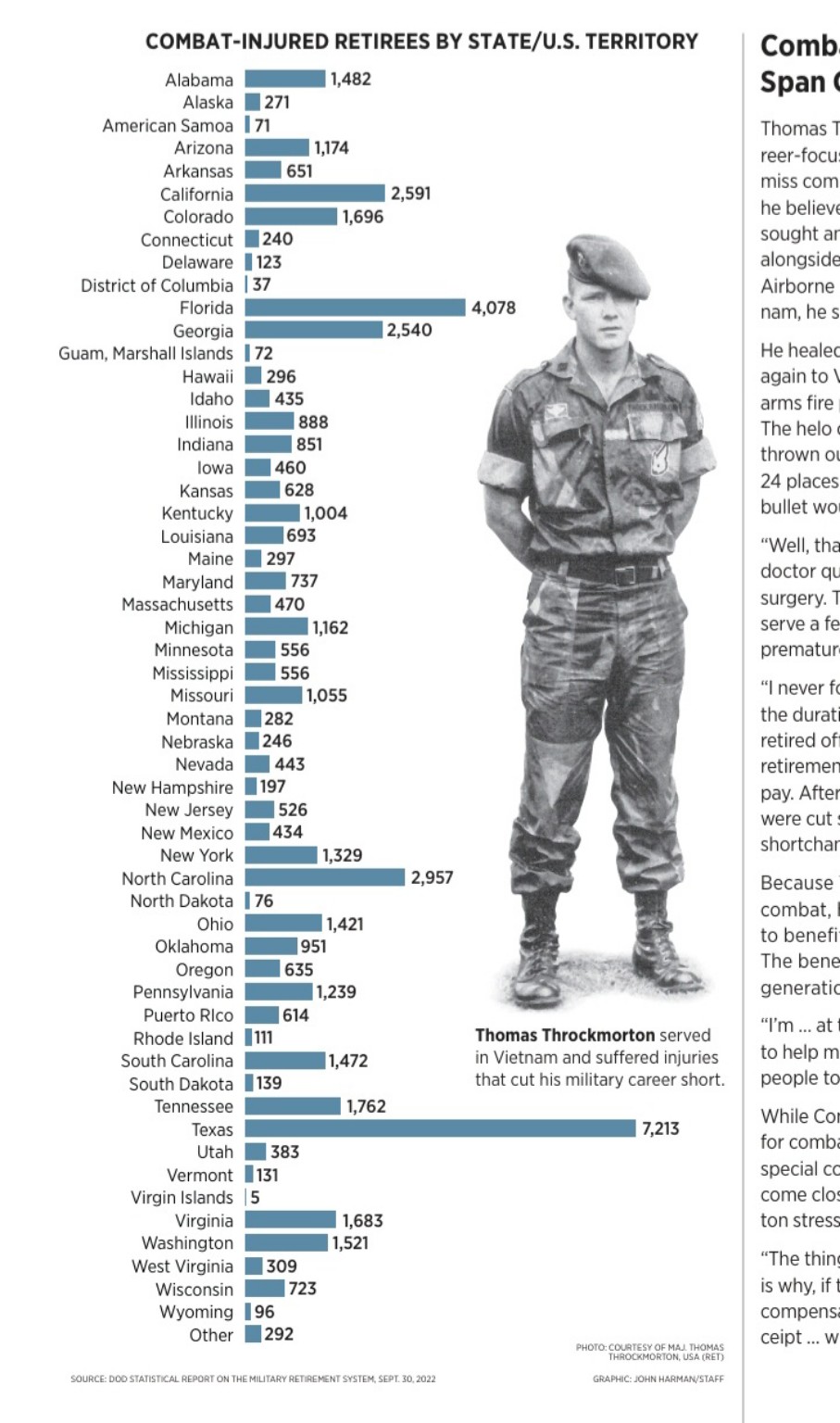
Under current law, many of these veterans must waive their military retired pay dollar-for-dollar when receiving VA disability compensation. For approximately 54,000 combat-injured, medically retired veterans, VA compensation replaces—rather than supplements—their Department of Defense retired pay, often reducing earned retirement to zero.
The Major Star Act would end this offset for that specific group. It would not create a new entitlement, expand eligibility, or change VA disability ratings. Instead, it would allow eligible veterans to receive both the retired pay earned through service and the VA disability compensation awarded for combat injuries. Veterans who complete 20 years of service already receive both benefits under existing law.
“Retired pay and disability compensation are governed by different statutes and serve different purposes,” Junkert said. “One recognizes years in uniform; the other recognizes injury from combat. Calling this a ‘double benefit’ is rhetoric, not law.”
Four Congresses Without a Final Vote
Over four consecutive Congresses, the Major Star Act has accumulated hundreds of House cosponsors and 77 in the Senate. Despite that level of bipartisan support, the bill has never received a final vote in either chamber.
A recent WTVA-TV (ABC 9) report from Tupelo, Mississippi, examined the stalled legislation and highlighted growing public awareness efforts surrounding the issue.
“Bills with far fewer sponsors pass Congress every year,” Junkert said. “The Major Star Act has had overwhelming support for years and still hasn’t reached a vote. That reality is not lost on veterans.”
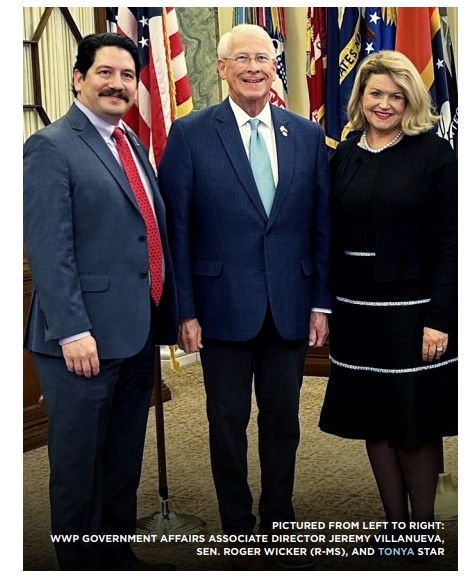
Until October 8, delays largely occurred in committee or at the end of legislative sessions. The floor objection brought the issue into public view. Senator Blumenthal moved the bill forward. Senator Roger Wicker of Mississippi objected. No roll call vote was requested, and no debate followed.
“A cosponsor who stays silent when a bill is blocked is not actively backing it,” Junkert said. “And silence from non-cosponsors isn’t neutral. In practice, both outcomes preserve the status quo.”
Senate Responsibility and Shifting Positions
In a previous Congress, Senator Wicker cosponsored earlier versions of the Major Star Act and, in a 2021 Memorial Day column, described the proposal as a commonsense fix to an unfair retirement offset affecting combat-injured retirees.
“Senator Wicker’s prior support is part of the public record,” Junkert said. “But the objection only mattered because the rest of the Senate allowed it to. This is no longer just about one senator—it’s about whether the Senate is willing to move from statements of support to recorded action.”
Next Legislative Step: S.Amdt. 4056
On December 16, 2025, Senator Blumenthal filed S.Amdt. 4056 to H.R. 4016, the Department of Defense Appropriations Act for fiscal year 2026. The amendment would attach the full Major Richard Star Act to a must-pass defense funding bill, requiring senators to take an on-the-record position.
“S.Amdt. 4056 is where silence stops being an option,” Junkert said. “If the Major Star Act is included in defense appropriations, every senator will have to decide—publicly—where they stand.”
About 54KVeterans.org
54KVeterans.org is a grassroots coalition of combat-injured veterans advocating for passage of the Major Richard Star Act. The organization is led by Senior Chief Shane Junkert, USN (Ret.), a decorated combat veteran who completed six deployments during 18.5 years of service before being medically retired due to combat-related injuries. The coalition represents approximately 54,000 veterans nationwide affected by the Chapter 61 retirement offset.
Media Contact
54k Veterans Shane@54Kveterans.org 817-771-3577 PO BOX 24130 http://54KVeterans.org




