Guangzhou, Guangdong Aug 22, 2026 (Issuewire.com) - The single-use beauty bottle is quietly the most expensive packaging decision most brands make, not at the unit level, but across a year of shipments. Every order ships a new primary container and a fresh layer of secondary packaging, and almost none of it comes back. Refill systems flip that math: the customer keeps the bottle or case, and only a lower-impact refill travels.
For US indie and mid-size beauty brands in 2026, refill has shifted from a sustainability nice-to-have to a defensible cost and compliance strategy. Here is what the data actually shows, and how to launch a refill line without betting the company.
The single-use tax
A conventional launch ships two things per order that a refill model does not need to repeat:
● The primary containeris a glass serum bottle, a deodorant case, or a compact shell. Durable, reusable, and yet discarded after one use in most current flows.
● The secondary packagingis the carton, clamshell, or insert that protected it once and then became waste.
Stack that across thousands of orders and the plastic and fiber footprint compounds. Worse, over-built secondary packaging, three nested boxes and foam stickers, adds material the customer discards unopened. Pure waste that defeats the premium feel it was meant to create.
What refill changes
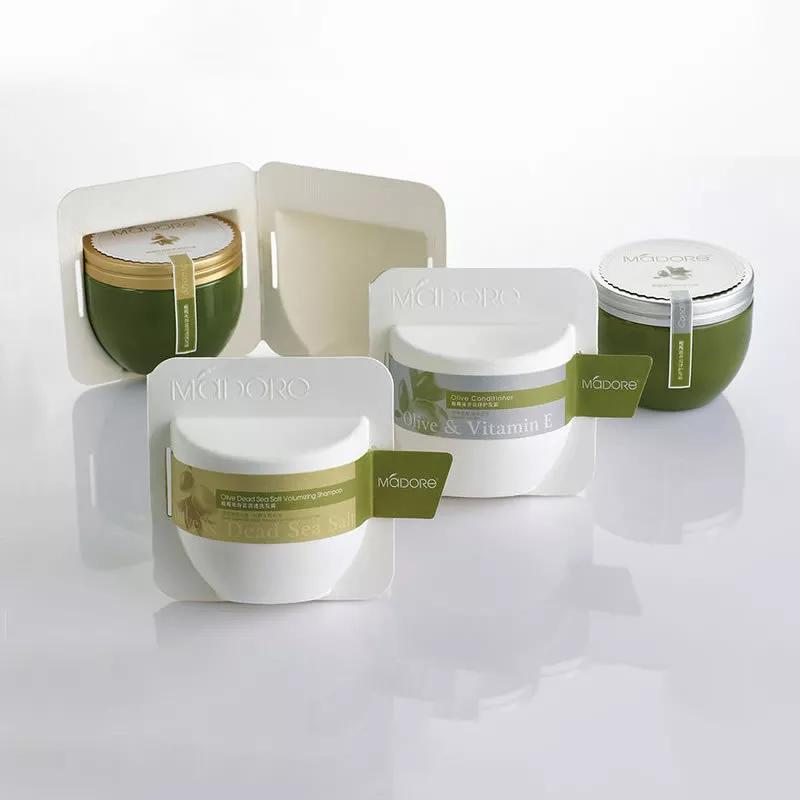
Refill keeps the durable primary in the customer's hands and ships only what is consumed. The protection job moves to a small, mono-material refill unit, a pulp or paper tube, a pan-insert, or a pod, that cradles the product and little else.
The structural win is documented in our broader guide on sustainable cosmetic packaging: when the outer carton or pulp insert is built to cradle a returned or refilled bottle, you sell the protective packaging once instead of per order. That is the fastest path to a lower per-use footprint, and it dovetails with the EU PPWR's reuse targets that push brands worldwide toward refillable formats.
A launch that did not require a 50,000-unit gamble
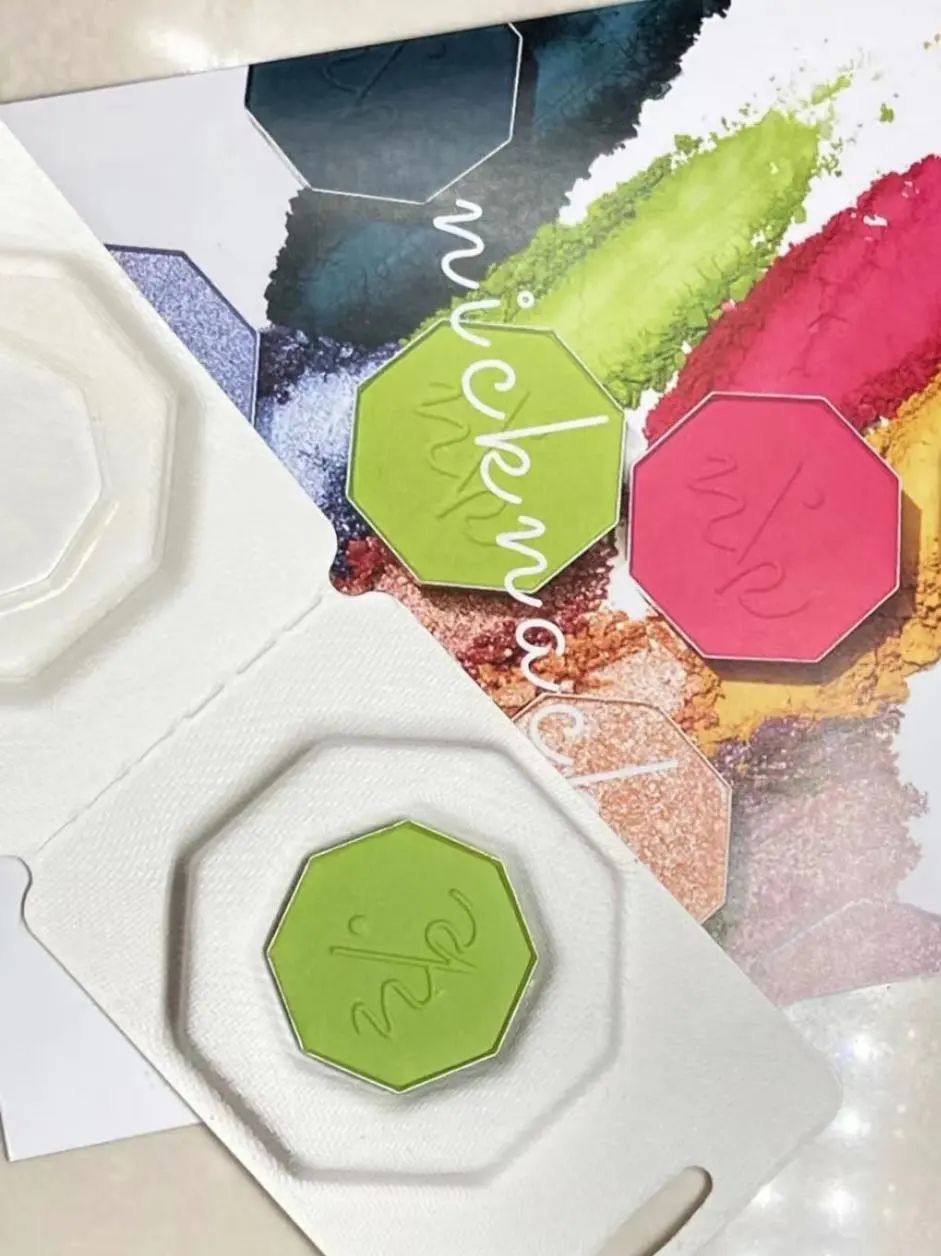
Lumière Beauty, a Los Angeles makeup startup, planned a refillable compact launch for spring 2026. Their first supplier quoted a 50,000-unit minimum on a custom clamshell, capital they did not have. By pairing a molded pulp tray with a stock aluminum shell, they dropped the custom MOQ to 5,000 units, launched in two colors, then expanded.
The result: first-quarter refill pan sales reached 38 percent of compact revenue, and the pulp tray became their most-photographed unboxing element. The lesson is not "go refill or die." It is that a pulp-and-stock-shell approach removes the capital barrier that scares brands off refill entirely.
Where refill works best by category
Skincare, liquids, creams, refills. Serums and creams need moisture barriers, so brands combine a durable primary (glass or rPET) with a pulp or paper secondary. Refill systems shine here: the customer keeps the bottle, buys a lower-impact refill. Our refillable skincare packaging guide covers tray and pod pairings that cut secondary waste by roughly half.
Deodorant, cases and pods. A durable case holds a pulp or paper refill tube; only the consumable ships. The refillable deodorant packaging supplier systems and deodorant refill pod supplier options show how the same logic scales from stick to pod.
Makeup, compacts and pans. A refillable compact keeps a premium outer shell in the customer's hands while only the pan or pan-insert ships. Our makeup refill packaging page covers compacts, pans, and in-store refill trays, and the refillable makeup compact page goes deep on the clamshell and pan-insert engineering.
Designing refill so it actually recycles
Refill only delivers its promise if the refill unit itself is mono-material. A paper tray with a thin plastic window still sorts as mixed waste in most US programs. If you need a window or liner, choose a mono-material paper alternative or a curbside-accepted PET that shares the bottle's resin stream. Mono-material is the difference between "technically recyclable" and "actually recycled."
Print lean, too: soy or water-based inks and debossed logos keep the fiber clean for reprocessing, while heavy foil lamination contaminates recycling.
The cost case, honestly
Custom molded-pulp tooling runs in weeks, not months, and kraft carton dies are inexpensive, so MOQs are lower than for custom injection plastic. Unit economics improve further when you consolidate SKUs onto shared tray footprints, specify PCR content to hedge virgin-resin price swings, and design for refill to sell the secondary packaging once, not per order.
The compliant framing matters as well. Anchor every claim in a document: say "PFAS-free by design" only when backed by batch testing, cite FSC and BPI IDs, and avoid absolute language. Specific, testable claims survive regulator review far better than adjectives, a point the Forest Stewardship Council (fsc.org) and Biodegradable Products Institute (bpiworld.org) credentials make concrete at onboarding.
Bottom line
Single-use ships the same container and carton forever; refill ships the consumable and keeps the rest. The brands winning in 2026 are not the ones with the greenest slogan. They are the ones who kept the bottle in the customer's hand and documented the rest. If you want hard numbers for your format, start your refill project, and we will return a per-unit quote with MOQ, lead time, and certification options.
Media Contact
Guangzhou Esen Eco-Tech Co., Ltd. info@eseneco.com +86 15522007471




