Guangzhou, Guangdong Jun 30, 2026 (Issuewire.com) - The Caribbean hospitality market presents a unique environmental paradox for resort developers and procurement managers. While the turquoise waters and constant sunshine attract millions of travelers, these same elements create a highly corrosive "physical testing ground" for outdoor assets. Traditional furniture often succumbs to the structural stress caused by airborne salt crystals, relentless UV radiation, and high humidity within a single operating season. Consequently, the transition from domestic-grade products to specialized commercial solutions is a financial necessity for beachfront properties. Artie (Artie Garden International Ltd.) addresses this demand by providing high-performance dining collections that balance Caribbean aesthetics with industrial-grade resilience. As a Professional Resort Outdoor Dining Set Supplier, the company focuses on material engineering to mitigate the effects of coastal erosion. By selecting furniture based on its chemical and physical resistance, resort operators can protect their brand image while significantly reducing the total cost of ownership over the long term.
The Caribbean Challenge: Deciphering the Chemistry of Coastal Erosion
Operating a beachfront dining area in the Caribbean involves battling a "corrosive trifecta" that works 24 hours a day. Salt spray from the Atlantic or Caribbean Sea carries microscopic sodium chloride crystals that settle into the crevices of furniture frames. When combined with nocturnal humidity, these crystals initiate an electrochemical reaction that can lead to rapid oxidation and structural failure. Furthermore, the equatorial sun delivers intense UV exposure that can reach up to 300 days per year. This radiation breaks down the molecular bonds in standard polymers, causing them to become brittle and lose their color vibrancy.
Artie Garden International Ltd. recognizes that "outdoor" is not a singular category, especially in the British West Indies or the Antilles. Standard products often fail in these zones because they lack the necessary protective barriers. To survive, furniture must possess a "Caribbean-Shield" engineering philosophy. This involves selecting materials that do not merely resist the weather but actually remain inert when exposed to salt and sun. By understanding the microscopic interactions between the environment and the material surface, Artie (Artie Garden International Ltd.) develops dining sets that maintain their structural integrity in the most demanding tropical climates.
Structural Foundations: Marine-Grade Aluminum vs. High-Salinity Oxidation
The internal frame serves as the skeleton of any dining chair or table, and its survival determines the lifespan of the entire piece. Many manufacturers use stainless steel or standard aluminum alloys, but these often struggle with the specific salinity of the Caribbean air. Artie Garden (Artie Garden International Ltd.) utilizes high-purity, marine-grade aluminum as the primary structural material. This alloy naturally forms a thin, protective oxide layer that prevents deeper corrosion. However, the true defense lies in the application of AkzoNobel powder coatings. This Dutch technology provides a non-porous finish that seals the metal against moisture and salt ingress.
When comparing maintenance cycles, powder-coated aluminum offers a distinct advantage over traditional timber or lower-grade metals. It does not require the constant sanding, oiling, or repainting that wood demands in humid environments. Furthermore, the brand engineers these frames to maintain weight stability without being excessively heavy. This balance is crucial during high-velocity tropical winds, where furniture must remain anchored to the deck without becoming a safety hazard. By focusing on these structural foundations, the company ensures that resort F&B teams spend less time on maintenance and more time on guest service.
Weaving Science: The UV-Resistance of High-Density Polyethylene (PE) Ropes and Wicker
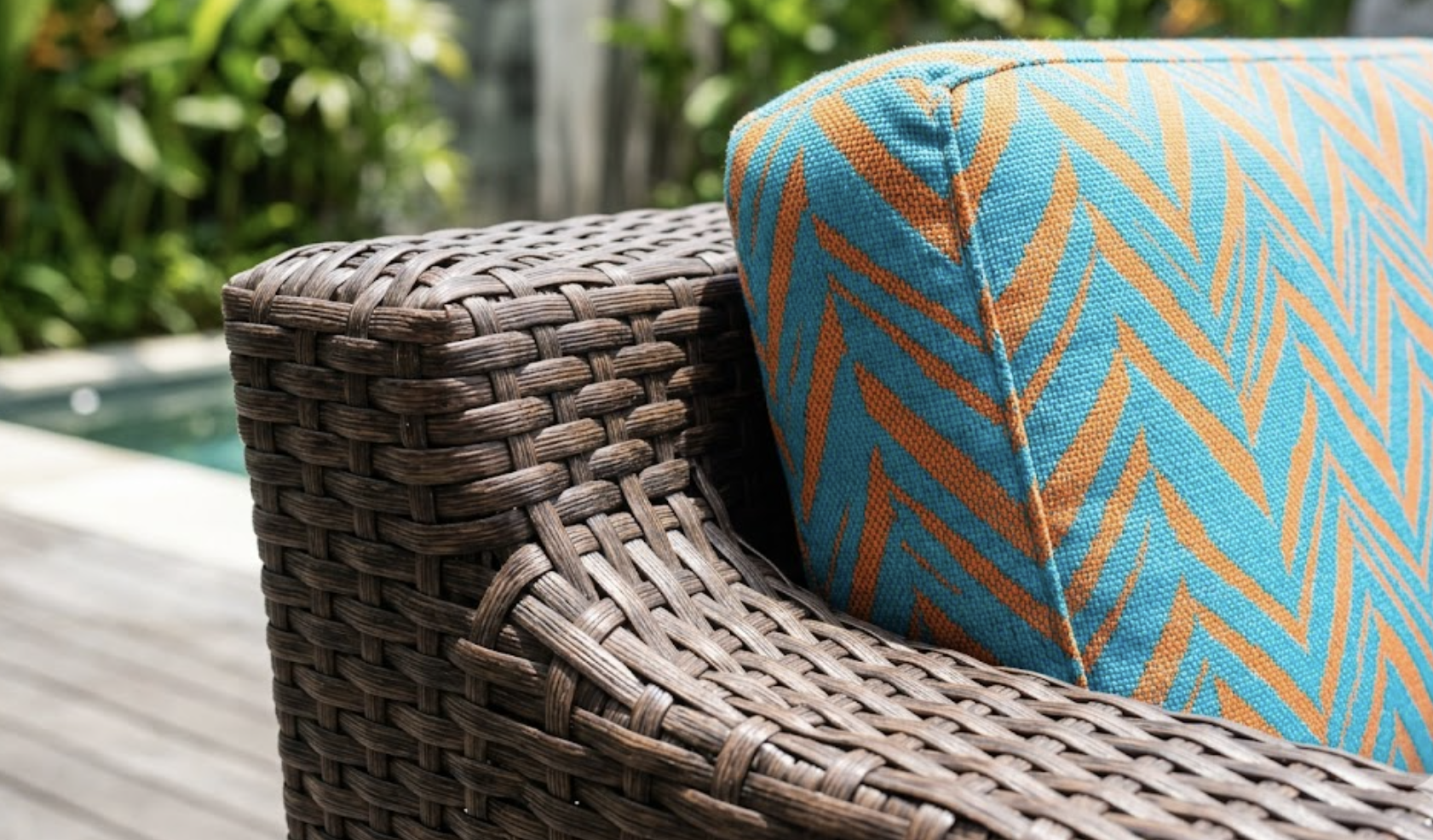
The aesthetic appeal of Caribbean dining often comes from the texture of woven fibers. However, natural materials like rattan or seagrass are entirely unsuitable for beachfront use as they rot and attract mold in high humidity. Artie Garden International Ltd. utilizes advanced weaving science, employing high-density polyethylene (PE) fibers like the Ash White Rope and White Peapod series. These synthetic polymers undergo rigorous UV testing for over 3,000 hours to ensure molecular stability. This testing simulates years of direct tropical sun, guaranteeing that the fibers will not crack, peel, or fade.
Hygiene and maintenance also play a vital role in material selection for dining environments. In the Caribbean, morning dew combined with high temperatures can create a breeding ground for mold on porous surfaces. The non-porous nature of Artie’s PE wicker ensures that moisture stays on the surface rather than soaking into the fibers. A simple rinse with fresh water is usually sufficient to remove salt and organic debris. This ease of cleaning allows resorts to maintain a "new-opening" look for several seasons. Consequently, the color-fast polymers maintain their sophisticated appearance, supporting the high-end brand identity that luxury guests expect.
The Teak Evolution: Natural Teak vs. Low-Maintenance Synthetic Wood
Wooden textures remain a staple of tropical design, but the maintenance requirements of natural timber can be overwhelming for large resorts. Authentic teak is prized for its oil content, yet even it will eventually "grey out" and develop fissures under the Caribbean sun. To provide a more sustainable and operational-friendly alternative, Artie (Artie Garden International Ltd.) introduced the "German Teak Color" synthetic wood. This innovation mimics the warmth and grain of real wood while offering zero-maintenance benefits. Unlike natural timber, synthetic wood does not splinter, warp, or require annual oiling to preserve its color.
Dimensional stability is another critical factor in beachfront dining areas where temperatures fluctuate between the heat of the day and the cool of the night. Natural wood expands and contracts significantly, which can loosen joints over time. In contrast, the synthetic wood used by Artie Garden International Ltd. maintains its shape regardless of the humidity levels. This stability ensures that dining tables remain level and chairs remain sturdy. By choosing synthetic alternatives, procurement managers can achieve the desired aesthetic without the logistical headache of a recurring maintenance schedule.
Case Study: Material Performance at Aurora Anguilla Resort & Golf Club
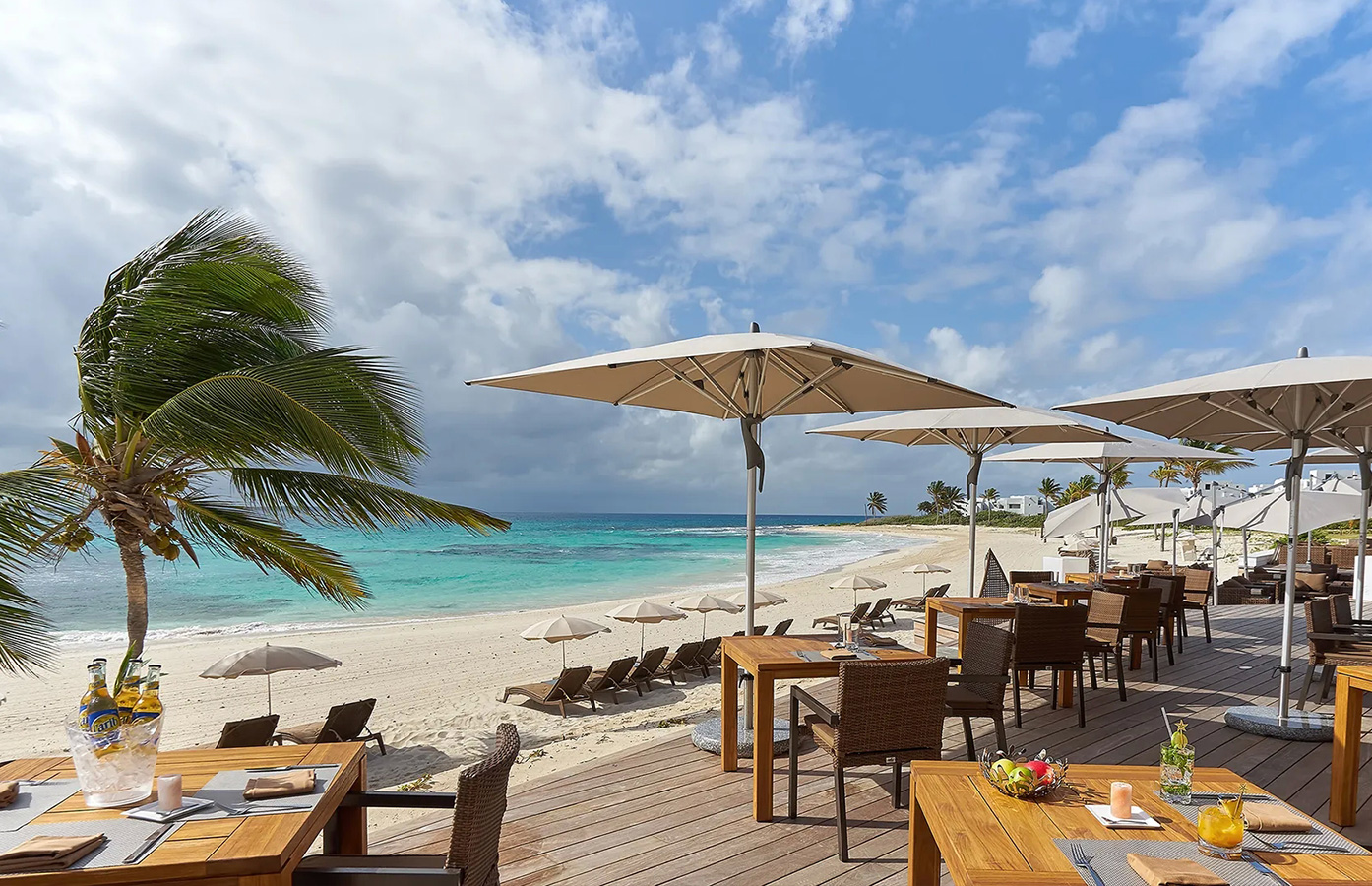
The effectiveness of these material strategies is best illustrated through real-world applications in the Caribbean. At the Aurora Anguilla Resort & Golf Club, located in the British West Indies, the outdoor furniture faces extreme exposure. The resort required dining and lounging solutions that could withstand the salt-laden winds of the Atlantic while maintaining a ultra-luxury atmosphere. Artie Garden (Artie Garden International Ltd.) provided collections that utilized these advanced material protocols. The result was a seamless integration of durability and style that has successfully met the resort's operational demands.
Feedback from the field indicates that the material selection has significantly reduced the workload for the resort’s facilities team. The ease of cleaning and the resistance to salt-rust have allowed the property to maintain a high level of aesthetic consistency. Guests also benefit from the ergonomic comfort and the "new" feel of the furniture, which contributes to the overall premium experience of the resort. This case serves as a benchmark for other Caribbean developers, proving that the right material audit can lead to long-term operational success in even the harshest beachfront environments.
Conclusion: Making the Data-Driven Choice for Beachfront Procurement
As the Caribbean hospitality sector continues to grow, the importance of data-driven procurement becomes increasingly clear. Resort owners can no longer afford to view outdoor furniture as a disposable commodity. Instead, they must treat it as a material asset that requires careful selection based on environmental science. Artie Garden International Ltd. provides the technical expertise and the diverse material palette necessary to meet these challenges. By mastering the balance between aluminum integrity, UV-resistant weaving, and synthetic wood technology, the brand helps resorts navigate the complexities of beachfront design.
Ultimately, the goal of a professional resort outdoor dining set supplier is to ensure that the guest's focus remains on the sunset and the cuisine, not on the condition of the chair. Through its 34,000-square-meter manufacturing base and international design collaborations, Artie continues to redefine what is possible in coastal luxury. For developers aiming to protect their investments against the Caribbean elements, a partnership founded on material engineering remains the most effective strategy.
To explore more about beachfront dining solutions and tropical project case studies, visit the official website: https://www.artiegarden.com/.
Media Contact
Artie Garden International Ltd. *****@artiegarden.com https://www.artiegarden.com/