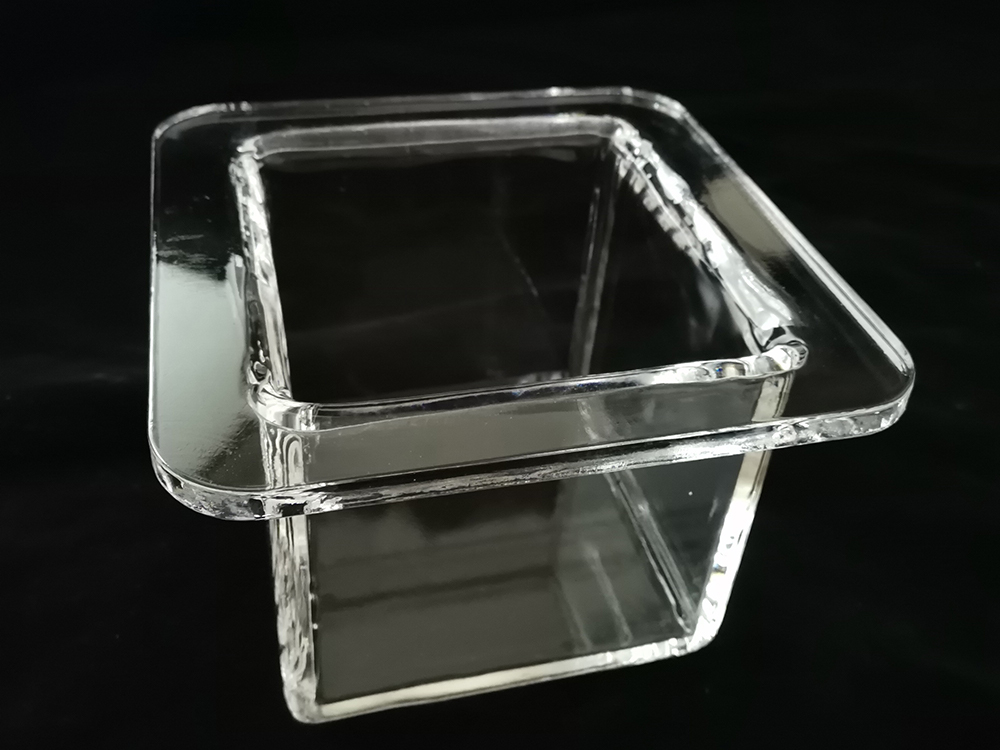
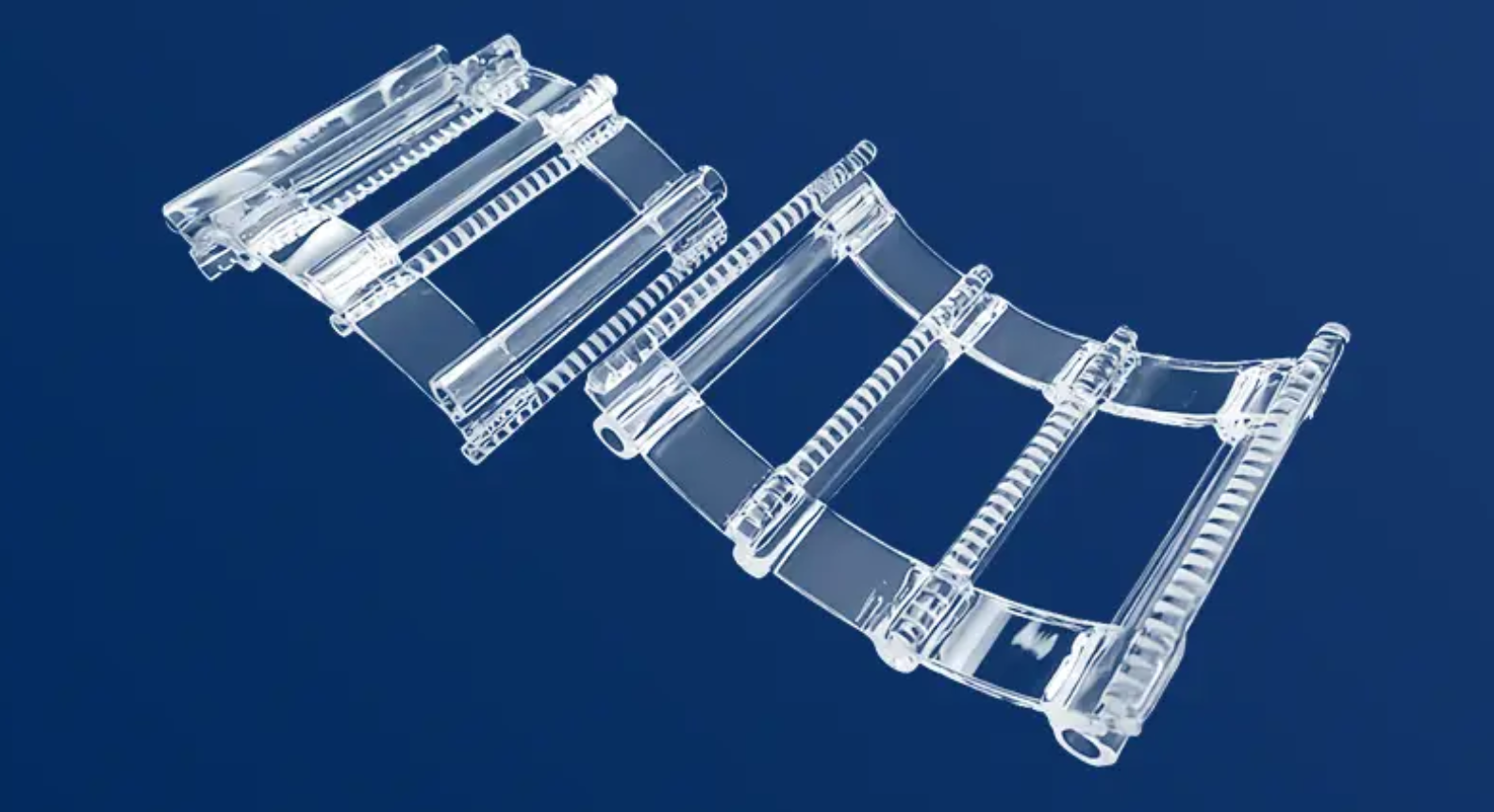
Lianyungang, Jiangsu Jun 21, 2026 (Issuewire.com) - How do modern advanced manufacturing facilities maintain absolute purity in environments that operate at temperatures exceeding 1000 degrees Celsius? As microelectronics shrink in size and increase in complexity, the integrity of processing equipment hinges on the structural soundness of its underlying material components. High-purity quartz glass serves as a foundational material in these environments due to its excellent thermal stability and chemical inertness. However, complex architectural components such as large-scale quartz chambers, multi-layer flange assemblies, and intricate gas distribution networks cannot be manufactured as a single monolithic piece. These components require assembly through specialized thermal joining processes. Lianyungang Southeast Quartz Products Co., Ltd. (Southeast Quartz), a recognized precision quartz welding solution provider, has recently introduced its new semiconductor-grade production lines to address these stringent industry requirements, ensuring that complex quartz assemblies meet the precise tolerances and cleanliness levels required for next-generation technology manufacturing.
Technical Requirements of High-Temperature Quartz Joining
In advanced manufacturing frameworks, the quality of component joining directly impacts structural sealing, particle generation rates, and the overall operational lifespan of the equipment. Traditional mechanical joining methods often fall short in high-vacuum or high-temperature environments, making thermal quartz welding an essential methodology. The process involves utilizing high-temperature oxy-hydrogen flames to seamlessly fuse separate quartz sections into a singular, structurally sound unit.
Because semiconductor fabrication involves corrosive gases and extreme thermal cycling, any structural imperfection in a weld joint can lead to premature component failure or micro-contamination. Lianyungang Southeast Quartz Products Co., Ltd. established these new semiconductor-grade lines to mitigate these specific risks. By utilizing automated and semi-automated thermal fusion systems, the new production lines minimize human error and enhance the consistency of every joint. This approach optimizes the structural integrity of the quartz components, ensuring they can withstand prolonged exposure to harsh production environments without degrading or outgassing.
Advanced Thermal Processing and Precision Shaping Capabilities
The newly introduced production lines leverage advanced high-temperature welding and precision thermal bending technologies to handle complex component geometries. Within the specialized manufacturing facilities, technicians manage the precise manipulation of high-purity quartz material, allowing for the fabrication of ultra-large diameter tubes, complex elongated manifolds, and multi-port reaction chambers. Managing thermal stress during the quartz welding process represents a primary challenge, as rapid heating and cooling can induce micro-cracks and latent material stress.
To counter these challenges, Southeast Quartz utilizes specialized precision processing techniques that integrate CNC fine cutting, mechanical polishing, and controlled thermal annealing. The production setup allows for the execution of intricate seal joints and structural configurations that accommodate non-standard client specifications. By maintaining strict control over the torch positioning, gas mixture, and rotation speeds during the welding phase, the facility ensures a uniform weld bead and smooth surface transitions. This meticulous approach prevents the formation of micro-voids and surface irregularities, resulting in components that maintain dimensional stability under rigorous thermal conditions.
Quality Control Infrastructure from Raw Material to Finished Weld
Achieving semiconductor-grade status requires comprehensive quality assurance protocols across the entire production cycle. Lianyungang Southeast Quartz Products Co., Ltd. enforces a strict quality control matrix that begins with raw material selection. The facility utilizes high-purity synthetic and transparent fused silica with stringently controlled hydroxyl content and minimal trace element impurities. This high-grade material selection ensures the finished components exhibit exceptional thermal resistance, maintaining structural shape and purity at operating temperatures well above 1100 degrees Celsius.
Post-Weld Inspection and Validation
Following the quartz welding stage, all assembled components undergo a multi-layered verification process to confirm structural integrity and cleanliness:
- Dimensional Inspection:Technicians utilize coordinate measuring machinery to verify that all linear dimensions, angular tolerances, and flange alignments match the engineering schematics exactly.
- Stress Analysis:Optical polariscopes evaluate the component for residual thermal stress, directing parts to secondary annealing ovens if any material tension is detected.
- Leak Detection:For high-vacuum process applications, components undergo helium mass spectrometer leak testing to verify absolute hermetic sealing across all welded joints.
- Contamination Screening:Finished products undergo specialized chemical cleaning and cleanroom packaging to eliminate surface particulate matter and metallic ion residues before shipment.
Collaborative Engineering and One-Stop Customization Workflow
The realization of non-standard quartz components relies on structured engineering collaboration between the manufacturer and the system integrator. Southeast Quartz has established a streamlined customization workflow designed to support equipment manufacturers and fabrication plant maintenance teams. The process begins when a client submits specific engineering drawings, physical samples, or detailed operational parameters.
Upon receipt of the specifications, application engineers conduct a thorough technical evaluation to determine the optimal welding parameters, jig configurations, and tolerance limits. The facility then proceeds to the prototyping phase, delivering a functional sample within five to ten days for client evaluation and testing. Following prototype approval, batch production commences, typically concluding within fifteen to twenty days. Every finished batch undergoes a complete quality inspection, accompanied by material analysis reports and conformity certificates. To prevent damage during transit, the company utilizes customized shock-absorbing packaging solutions tailored to the specific geometry of each quartz assembly.
Sustaining Process Purity Through Manufacturing Precision
The introduction of the new semiconductor-grade lines highlights the company's commitment to supporting the evolving needs of high-purity industrial sectors. As a dedicated quartz welding solution provider, Southeast Quartz continues to invest in manufacturing infrastructure, cleanroom environments, and precision testing instrumentation. This focus ensures that the production of complex quartz components remains consistent across high-volume manufacturing runs, providing reliable components that protect the purity of delicate manufacturing processes. For organizations requiring specialized, non-standard quartz assemblies, technical teams remain available to evaluate engineering diagrams and provide optimized material solutions.
To explore the full range of products, material specifications, and custom manufacturing capabilities, please visit the official corporate website at https://www.dnquartz.com/.
Media Contact
Lianyungang Southeast Quartz Products Co.,Ltd. karensun@southeastquartz.com No. 1 Qingsheng Rd., Qinghu Industrial Park, Donghai County, Jiangsu, China/222300 http://dnquartz.com