Dover, Delaware Feb 13, 2026 (Issuewire.com) - Skill Verdict, a HR technology startup, is inviting early adopters to join the waitlist for its peer‑verified skills platform, designed to help companies avoid costly bad hires caused by unreliable hiring signals.
The company addresses a growing problem in technical hiring: organizations still rely heavily on self‑reported credentials such as CVs, portfolios, and interview performance, even though these signals often fail to predict how someone will perform in real‑world work. In an era where AI tools can generate polished resumes, cover letters, and even code samples, traditional screening has turned into an arms race between keyword‑optimized profiles and automated filters, without meaningfully increasing confidence in a candidate’s actual abilities.
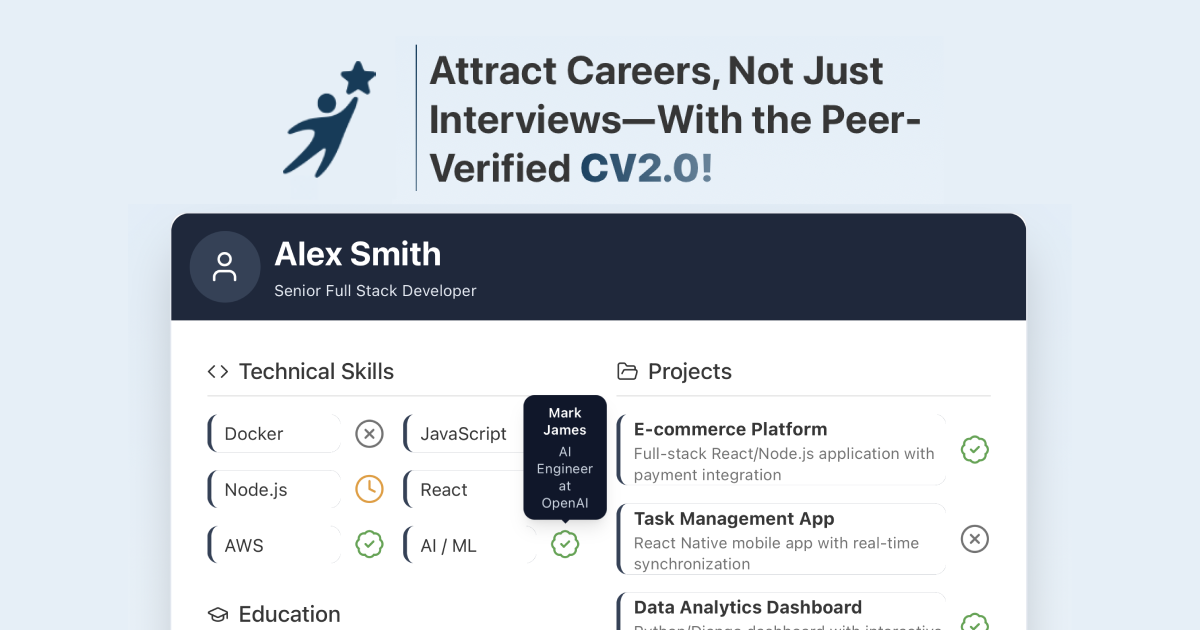
Skill Verdict is building a skills trust layer based on peer‑verified proof of ability rather than unverified claims. Instead of generic labels like “React” or “distributed systems,” candidates on the platform will be able to present concrete skill statements tied to evidence and evaluated by senior engineers, tech leads, and other experienced practitioners. For example, a candidate might be validated for independently designing and maintaining complex React frontends, or for reasoning about distributed architectures at meaningful scale in a collaborative team setting.
The planned assessment model focuses on real work, not artificial puzzles. Candidates will be assessed through practical projects, existing codebases, or system designs that mirror day‑to‑day engineering, revealing how they structure solutions, communicate trade‑offs, and operate under constraints. Each assessment will include a live technical conversation with a seasoned peer, allowing evaluators to test depth of understanding, adaptability, and collaboration in a realistic environment.
Beyond technical skills, Skill Verdict places strong emphasis on personality and role fit as critical factors in preventing bad hires. Assessments will consider how candidates are likely to function in different contexts—for example, whether they thrive in independent work, excel in highly collaborative teams, or show potential for leadership—so employers can better align hiring decisions with their culture and team dynamics. While no process can fully capture an individual’s inner character, structured peer review is intended to provide a clearer picture of how someone may perform and collaborate.
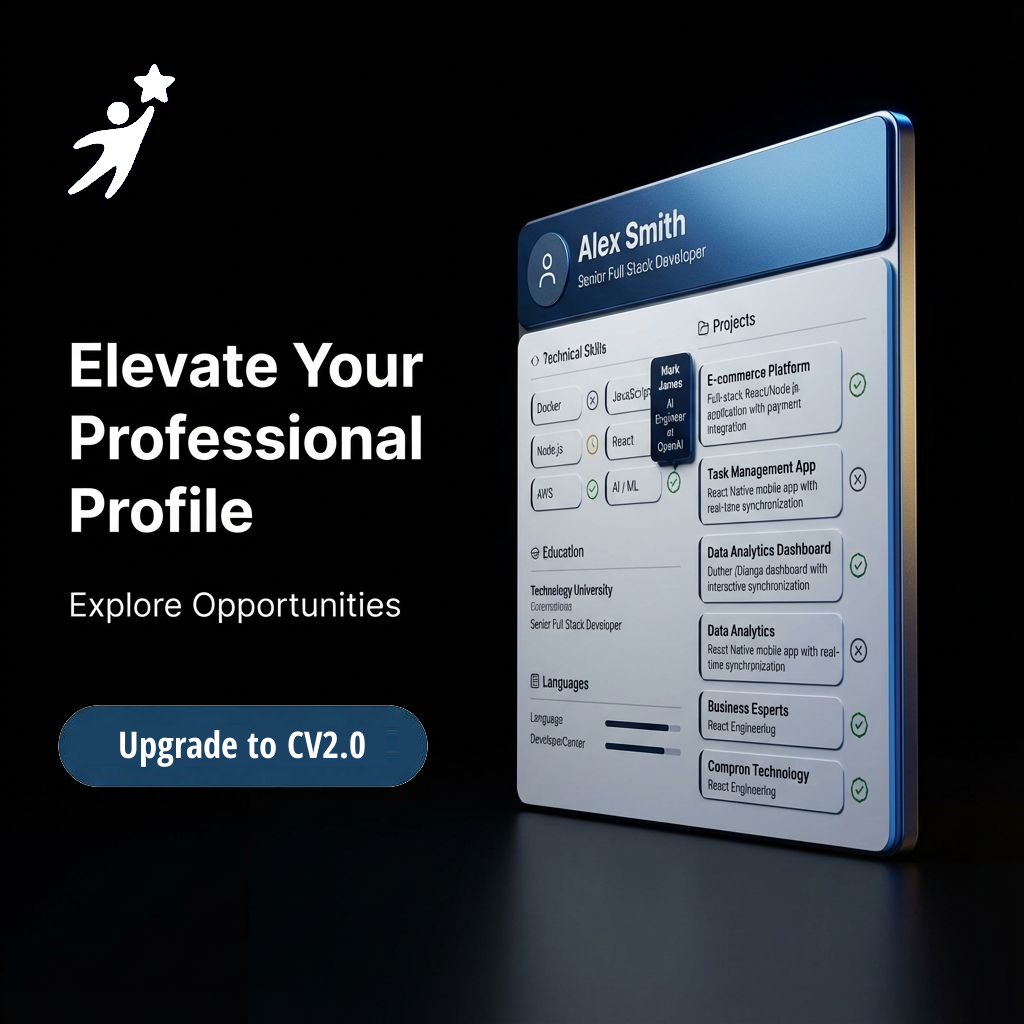
When candidates meet the required bar, the outcome is intended to become a portable, digital credential rather than a one‑off interview result. This credential will describe which skills were evaluated, at what level, by what kinds of peers, and on what evidence, creating reusable proof of competence that candidates can share with multiple employers. For hiring teams, this is expected to mean starting from a smaller pool of applicants whose core skills have already been pressure‑tested, allowing in‑house interviews to focus on culture, domain context, and higher‑order judgment instead of redoing basic technical screens.
The approach is particularly aimed at helping candidates from underrepresented geographies and non‑traditional backgrounds. By shifting emphasis from logos, networks, and credential fluency to demonstrated ability, Skill Verdict aims to give these candidates a way to compete on what they can actually do. Once core skills are verified, they should not have to repeatedly prove the same capabilities in slightly different formats for every new opportunity, enabling their credibility to compound over time.
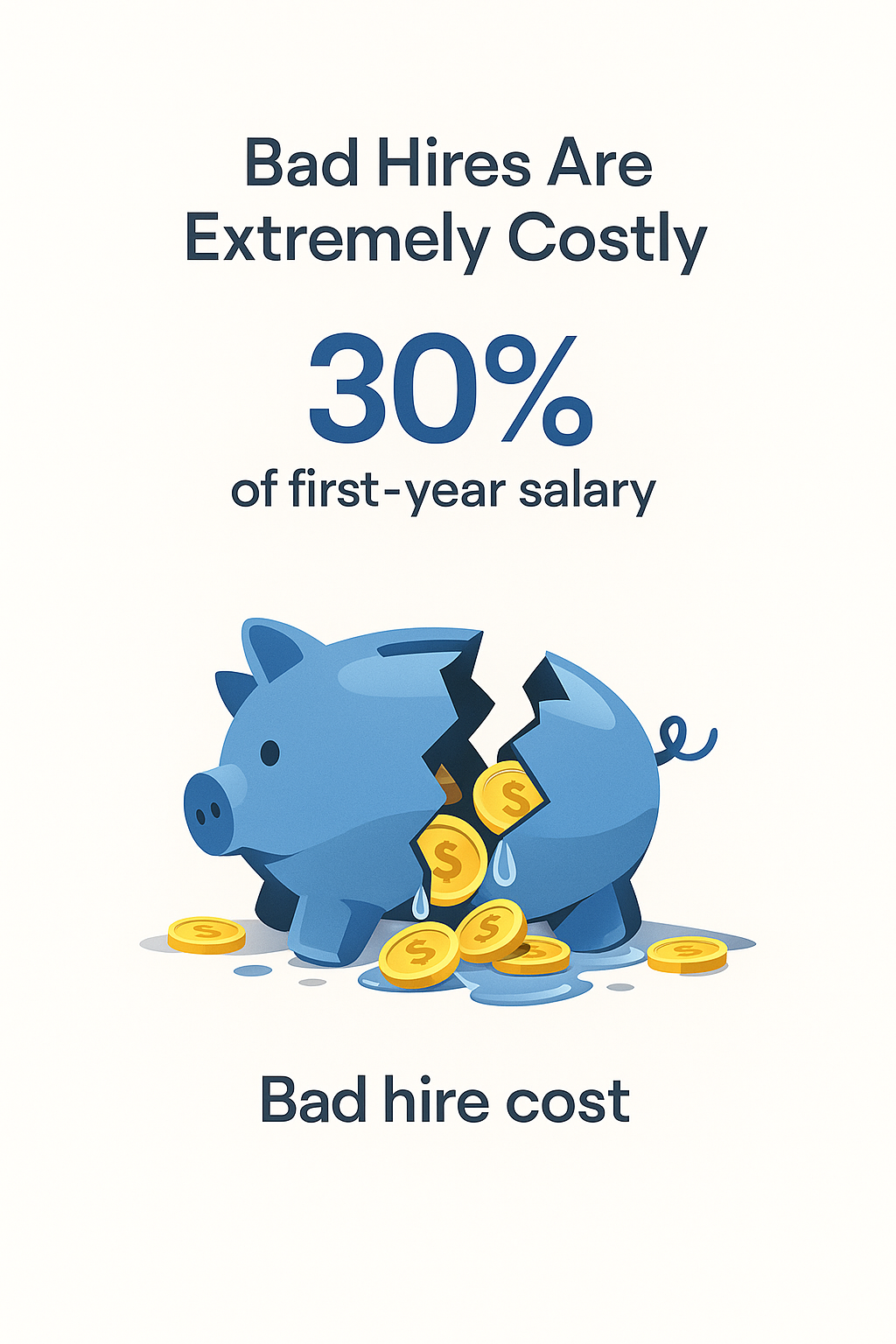
Skill Verdict envisions a hiring future in which self‑reported claims are only a starting hypothesis and peer‑verified skills provide the evidence that hiring decisions rely on. Rather than adding more filters on top of untrusted data, the company aims to change the underlying data from stories into proof, reducing the risk of bad technical hires that can damage team morale, delay roadmaps, and increase costs.
Professionals and companies interested in participating in early testing and gaining priority access when the platform becomes available can join the waitlist at https://skillverdict.com
About Skill Verdict
Skill Verdict is a hiring technology startup focused on building a global skills trust layer for technical talent. Through peer‑verified assessments based on real work and live technical dialogue, the platform is designed to help organizations hire engineers and other professionals with greater confidence while giving candidates portable, trustworthy proof of their abilities.
Media Contact
Skill Verdict contact@skillverdict.com contact@skillverdict.com https://skillverdict.com/contact