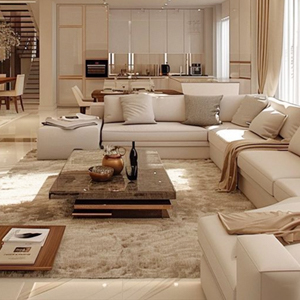
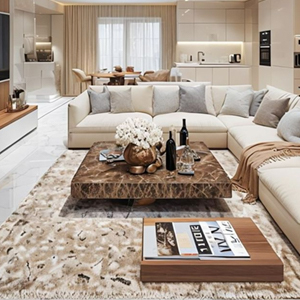
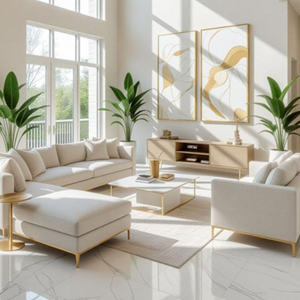
Gurgaon, Haryana Aug 20, 2026 (Issuewire.com) - There’s a particular moment in this industry when someone’s name starts showing up in “who to watch” conversations, not because of one flashy project, but because their work keeps quietly setting the tone for everyone else. That’s roughly where Parul Agarwal, co-founder and Head of Design at Native Sutra, finds herself heading into 2026, increasingly named alongside the city’s most influential voices when people talk about top interior designers in gurgaon.
It’s worth pausing on why that recognition matters, because 2026 isn’t just another year of incremental design tweaks. Gurgaon’s interior landscape is genuinely shifting, and Native Sutra has been at the center of a few of those shifts.
A Different Kind of Design Leadership
What sets Parul apart isn’t just an eye for beautiful spaces, plenty of designers have that. It’s her architectural training underneath the aesthetics. Trained as an architect before co-founding Native Sutra alongside Vineet Agarwal, she approaches interiors the way a structural engineer approaches a bridge, form matters, but it has to sit on something solid first.
That distinction shows up everywhere in the studio’s work. While a lot of firms in the best interior designers in gurgaon conversation lean heavily into styling and mood boards, Native Sutra’s projects tend to start with a technical audit, electrical load, HVAC zoning, structural quirks, long before anyone’s discussing finishes. It’s less glamorous on Instagram, but it’s exactly the kind of rigor earning quiet respect across the industry.
The 2026 Trends Native Sutra Has Been Ahead Of
A few design directions defining Gurgaon homes this year happen to be things Native Sutra has been building into projects for a while now, not chasing after the fact.
Quiet Luxury, Not Loud Decoration. The defining mood in 2026 isn’t maximalist statement pieces, it’s spaces that feel expensive because every decision was considered, not because every surface is dressed up. Native Sutra’s recent villa and apartment projects across DLF and M3M developments reflect exactly this restraint.
Biophilic Elements as Standard, Not Extra. Green walls, planter bays, raw organic textures like terracotta and rattan aren’t add ons anymore, they’re becoming baseline expectations for premium homes, since Parul’s design philosophy has always treated a home’s connection to its environment as central.
Invisible Technology. Speakers hidden inside lime plastered walls, AI driven lighting that mimics the sun’s natural movement, automation homeowners feel rather than see. This kind of integration only works when planned at the architectural stage, which loops back to why an architect led studio has an edge here.
Warm Minimalism Over Cold Modernism. The all white, all grey aesthetic that dominated recent years is giving way to warmer tones, terracotta, sand, walnut, sage, a softer minimalism that’s been present in Native Sutra’s palettes well before it became a broader trend.
Curved, Softer Furniture Forms. Sharp, boxy silhouettes are giving way to arched doorways, circular seating, and softer geometry, a small shift on paper that changes how a space feels to move through.
Why This Recognition Matters Beyond the Headline
For a firm like Native Sutra, being named among the interior designers in gurgaon shaping the year isn’t really about ego or headlines. It’s a signal to homeowners currently evaluating studios that the process behind the design, not just the final photograph, is what’s earning industry attention.
It also reflects where the industry itself is heading. Design leadership in 2026 is less about who can produce the most dramatic render and more about who can consistently deliver spaces that hold up structurally, functionally, and aesthetically over time. That’s a harder thing to fake, and it’s exactly the kind of credibility built project by project, not campaign by campaign.
A Studio Built on Two Different Strengths
This recognition doesn’t happen in isolation either. Vineet Agarwal, co-founder and Head of Growth and Strategy at Native Sutra, has played an equally important role in scaling the studio’s reach while keeping the design process intact, one partner embedded in the technical and creative side, another ensuring the business grows sustainably.
That balance is probably underrated when people talk about why certain studios rise while others plateau. Great design alone doesn’t build a lasting practice, and neither does great business sense without the design chops to back it up.
What This Means Going Into the Rest of 2026
For homeowners currently searching for best interior designers in gurgaon to handle a residential or boutique commercial project, this kind of recognition is a useful signal, not a guarantee of fit, but a reasonable indicator that the studio’s process is being watched and respected by peers, not just marketed to consumers.
Native Sutra continued presence in these industry conversations, alongside a growing portfolio across DLF, M3M, Emaar, and Ireo developments, points toward a studio that’s not chasing trends reactively but has, in a lot of cases, been quietly setting them.
Media Contact
Native Sutra info@nativesutra.com info@nativesutra.com https://nativesutra.com/





