
Rampur, Uttar Pradesh Sep 13, 2026 (Issuewire.com) - Muqarrab Hadi's 'The Compassion Ladder' Puts Human Values at the Heart of Education
At a time when education is often measured through marks, examinations, academic performance and career outcomes, educator and author Muqarrab Hadi believes that one of the most important lessons a child can learn cannot be measured on a report card — compassion.
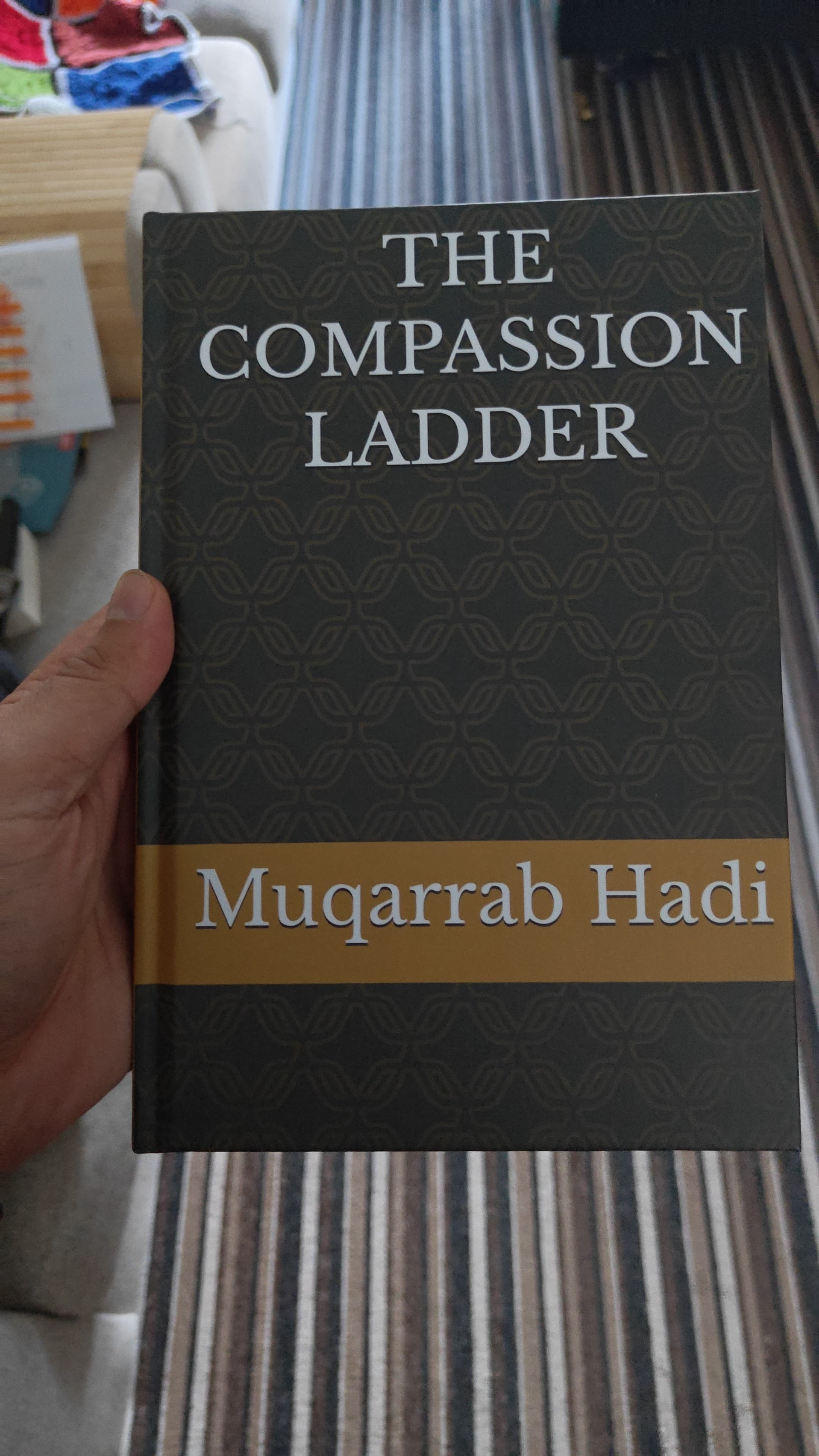
His book, The Compassion Ladder, is built around the idea that education should go beyond academic knowledge and help children develop empathy, kindness, responsibility and respect for others.
Through the book, Hadi presents compassion as a journey rather than a single quality. Like climbing a ladder, every small act of kindness can represent another step in a child's emotional and moral development.
According to Hadi, children learn values not only when adults tell them what is right, but also by observing how people around them behave.
“Children are constantly watching us. The way we speak to people, the way we respond to mistakes, the way we treat those who cannot give us anything in return — all of these become lessons for them,” says Hadi.
Education Beyond Marks
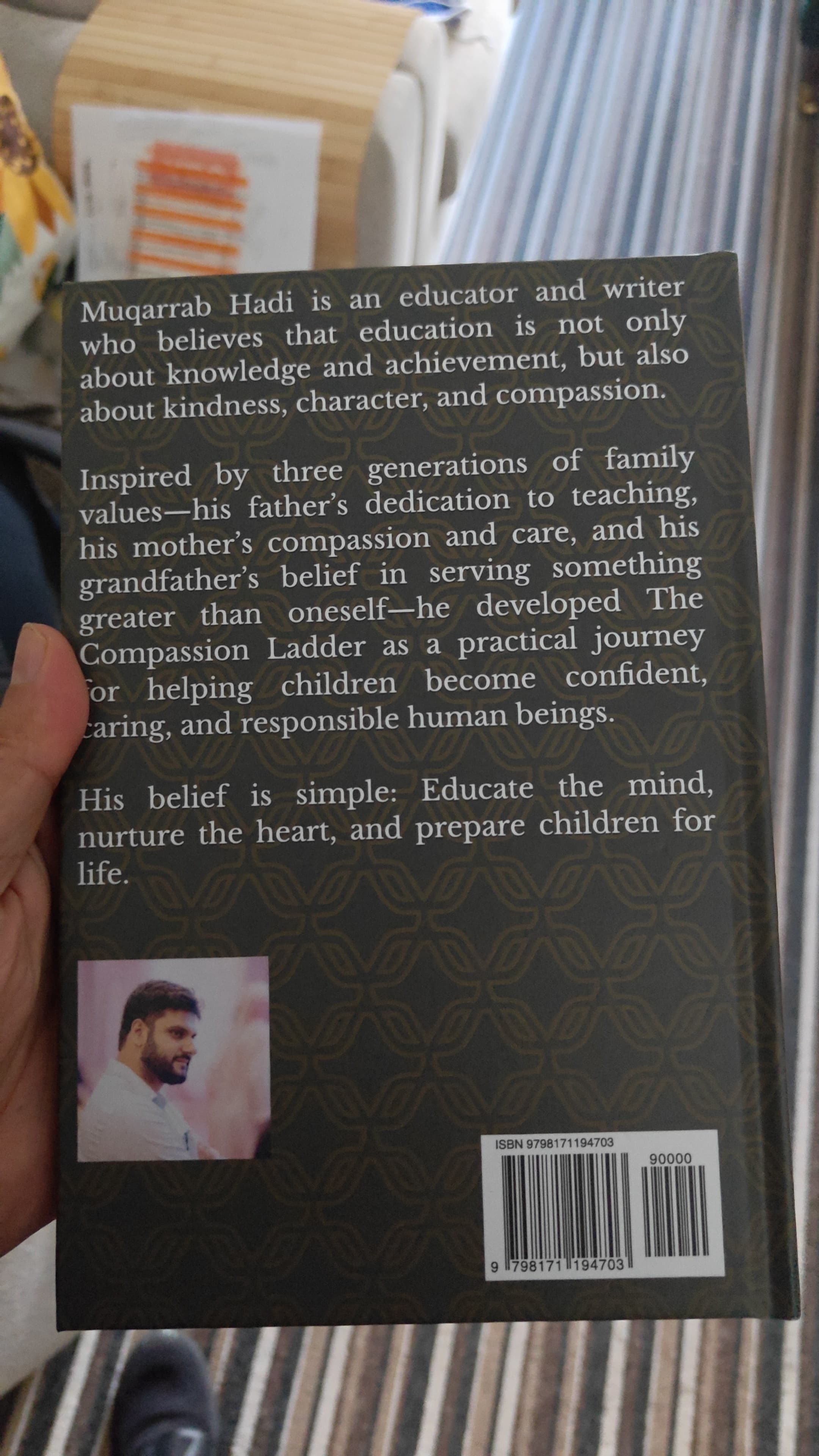
For Muqarrab Hadi, education has always been closely connected with character building. His approach reflects the belief that schools have a responsibility to prepare children not only for examinations and professional life but also for society.
He argues that a child may achieve excellent academic results and still need guidance in understanding empathy, patience, cooperation and social responsibility.
The Compassion Ladder attempts to bring these ideas closer to children in a simple and accessible manner. Instead of presenting compassion as a complicated philosophical concept, the book encourages readers to discover it through ordinary situations and everyday choices.
A child helping a classmate, sharing something with another student, listening when someone is upset, respecting a different opinion, caring for an animal or appreciating another person's effort can all become opportunities to practise compassion.
Hadi believes that these seemingly small actions can have a lasting influence on a child's personality.
The Ladder as a Metaphor for Growth
The central metaphor of the book — the ladder — represents gradual personal growth.
A child does not become compassionate through one lesson or one activity. It develops through repeated experiences. Every step can help a child become more aware of others and understand that individual actions can affect the people around them.
The idea also allows parents and teachers to discuss compassion in practical terms.
Rather than simply asking children to “be good,” adults can encourage them to think about questions such as: How would another person feel? Could I help? Was I fair? Did I listen? Did my words hurt someone? Could I have responded differently?
For Hadi, these conversations are an important part of meaningful education.
The Role of Teachers
The book also highlights the influence teachers can have on children.
A teacher's classroom is not merely a place where lessons from textbooks are delivered. It is a social environment where children learn how to communicate, cooperate, disagree, forgive, compete and work together.
Hadi believes teachers can demonstrate compassion through their own behaviour. Showing patience with a struggling student, encouraging a child who lacks confidence and treating every student with dignity can sometimes teach more than a formal lesson.
“Children remember how a teacher made them feel,” Hadi says. “When a child feels respected and heard, that experience can influence the way the child treats others.”
This philosophy is particularly relevant in schools where children come from different backgrounds and have different personalities, abilities and learning styles.
From Classroom Learning to Real Life
Hadi's educational philosophy also places importance on experiences outside traditional textbook learning.
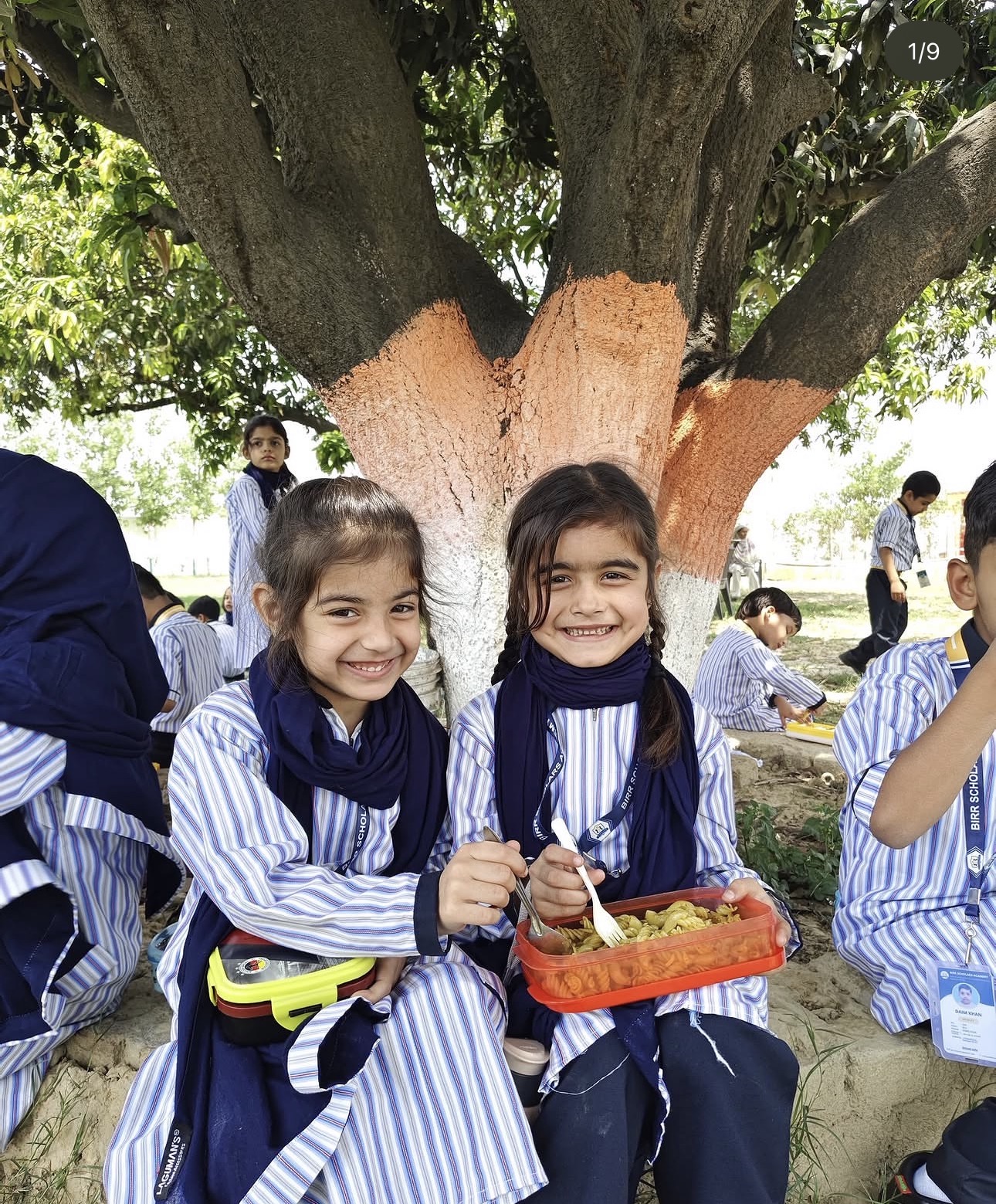
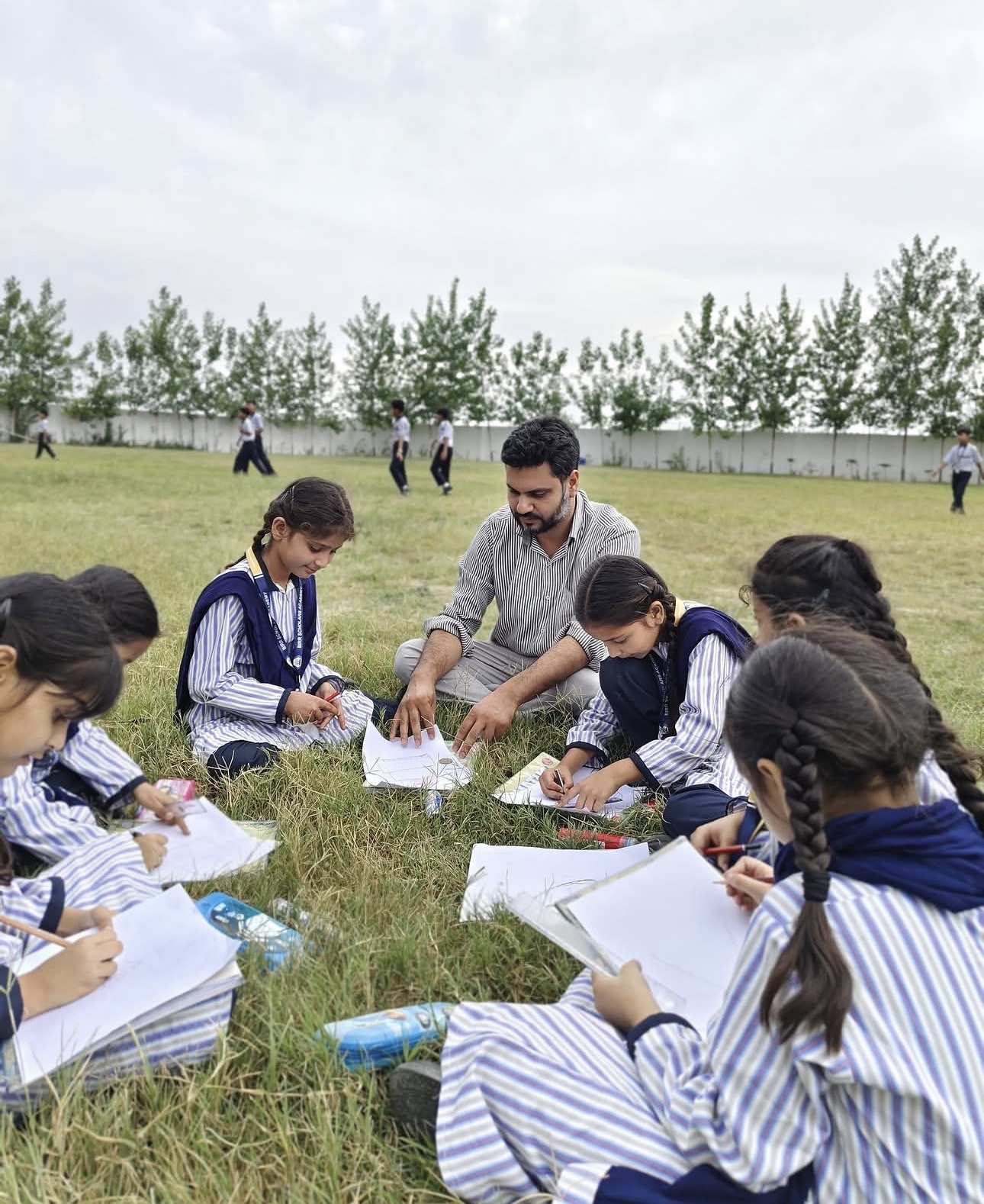
He believes children should have opportunities to explore nature, express creativity, participate in activities, work in teams and solve real-world problems. Such experiences can help children understand responsibility and develop confidence.
In this context, compassion becomes something children can practise rather than merely study.
A group activity can teach cooperation. Caring for plants can introduce responsibility. Helping a younger student can develop empathy. Community activities can help children understand the needs of people around them.
The objective, Hadi believes, is to create an environment where values become part of everyday school life.
A Message for Parents
While schools have an important role, The Compassion Ladder also places the family environment at the centre of a child's development.
Parents are often a child's first teachers. Children observe how adults interact with family members, neighbours, workers, teachers and strangers.
Simple habits at home — saying thank you, apologising when necessary, listening without interrupting, helping others and respecting people regardless of their position — can become powerful lessons.
Hadi encourages parents to focus not only on what their children achieve but also on how they behave while achieving it.
A child who learns to celebrate another person's success, accept failure gracefully and help someone who is struggling is developing qualities that can remain valuable throughout life.
Building Responsible Citizens
The broader message of The Compassion Ladder extends beyond kindness between individuals.
Hadi sees compassion as an important foundation for responsible citizenship. A compassionate person is more likely to understand the consequences of their actions, respect public spaces, care about the environment and recognise the needs of others.
In an increasingly connected world, children are growing up exposed to different opinions, cultures, lifestyles and perspectives. Learning to disagree respectfully and understand another person's point of view can be as important as academic knowledge.
For Hadi, compassion therefore does not mean weakness. It represents awareness, emotional strength and the willingness to act responsibly.
Muqarrab Hadi's Educational Journey
Muqarrab Hadi's perspective on education is also influenced by his own professional and academic journey.
With experience spanning engineering, higher education and school education, Hadi has worked across different educational and professional environments. He pursued engineering studies and later worked in professional and academic roles overseas before choosing to devote a significant part of his work to education in India.
His connection with education is also rooted in his family's long-standing involvement in the field.
The Hadi educational legacy in Rampur goes back decades, with institutions associated with the family serving generations of students. Hadi's work continues this emphasis while also exploring new approaches to learning and child development.
Through his writing and educational initiatives, he has increasingly focused on confidence, creativity, communication and the development of well-rounded young people.
Education That Creates Better Human Beings
At the heart of The Compassion Ladder is a straightforward question: What should education ultimately achieve?
For Muqarrab Hadi, the answer extends beyond academic success.
Schools should certainly help children become knowledgeable, capable and career-ready. But they should also help them become people who can understand others, accept differences, take responsibility for their actions and contribute positively to society.
The book invites parents, teachers and children to see compassion not as an occasional act but as a habit that can be developed step by step.
The ladder does not need to be climbed in one day. Every small act — every moment of patience, every helping hand, every kind word and every effort to understand another person — can become another step.
In a world where academic competition continues to grow, The Compassion Ladder offers a reminder that success and compassion do not have to exist separately.
The strongest education, Hadi believes, is education that develops both the mind and the human being.
And perhaps the most meaningful measure of education is not only what a child knows, but also what kind of person that knowledge helps the child become.
Media Contact
Info@birrscholars.com *****@gmail.com http://www.birrscholars.com