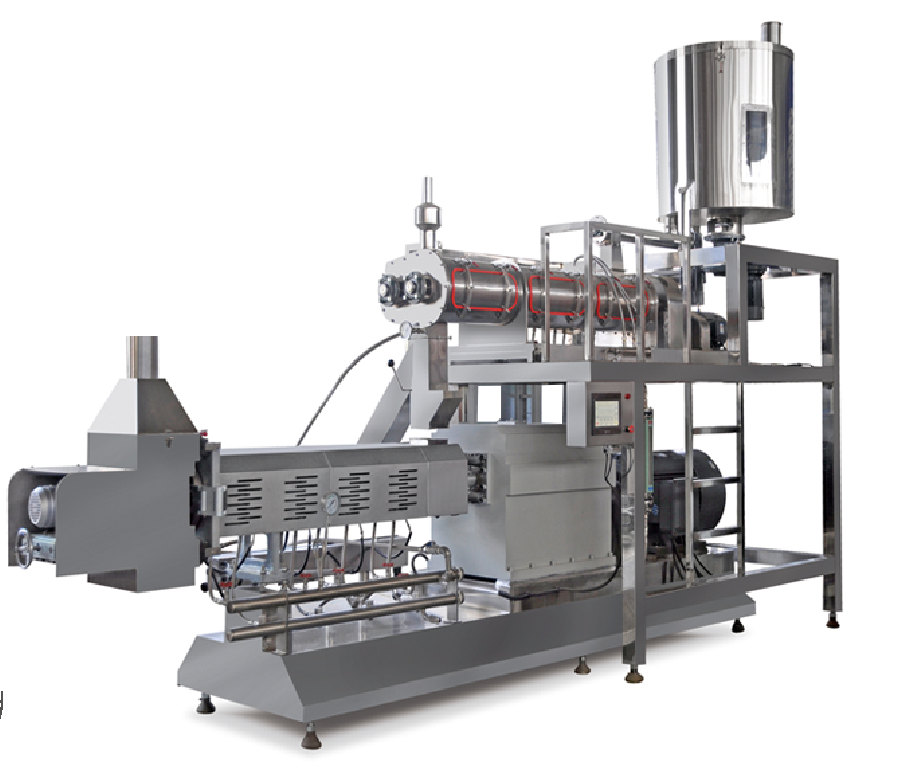
Twin Screw Extruder

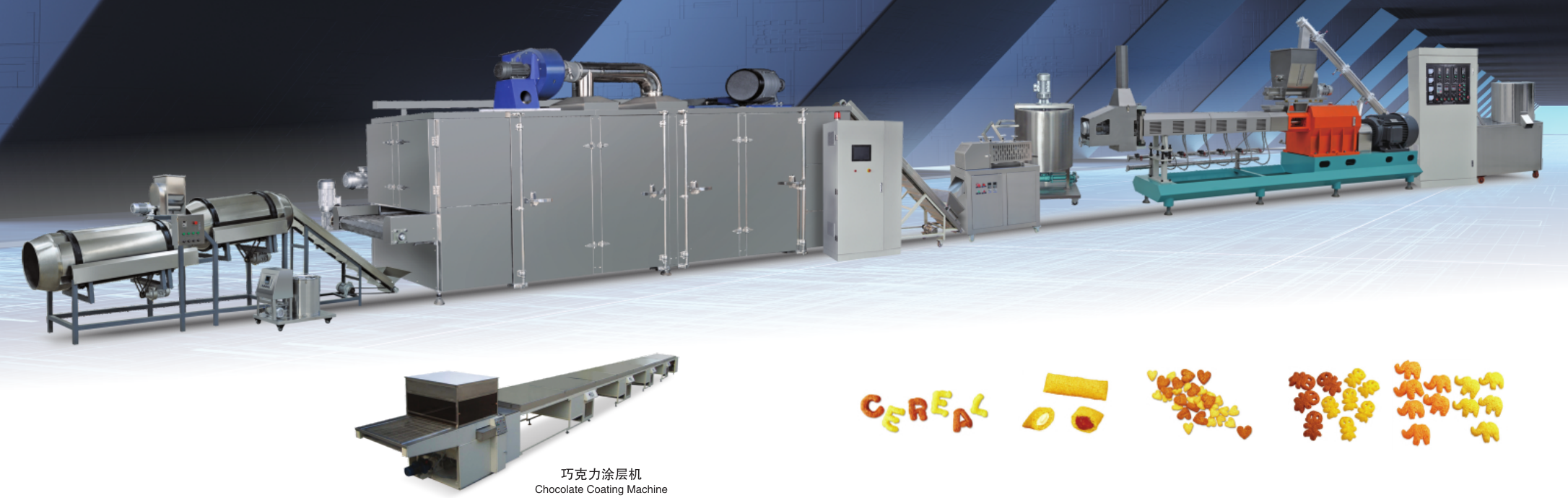
Core Filling Snack Production Line

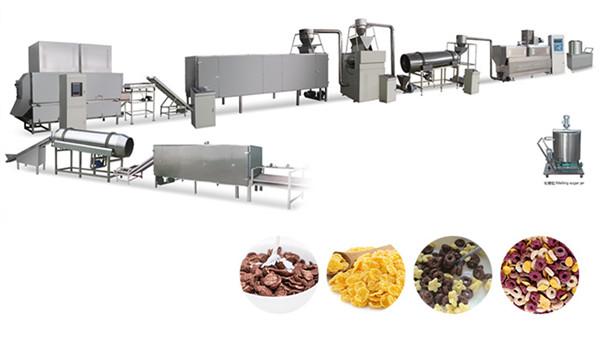
Breakfast Cereals Corn Flakes Production Line

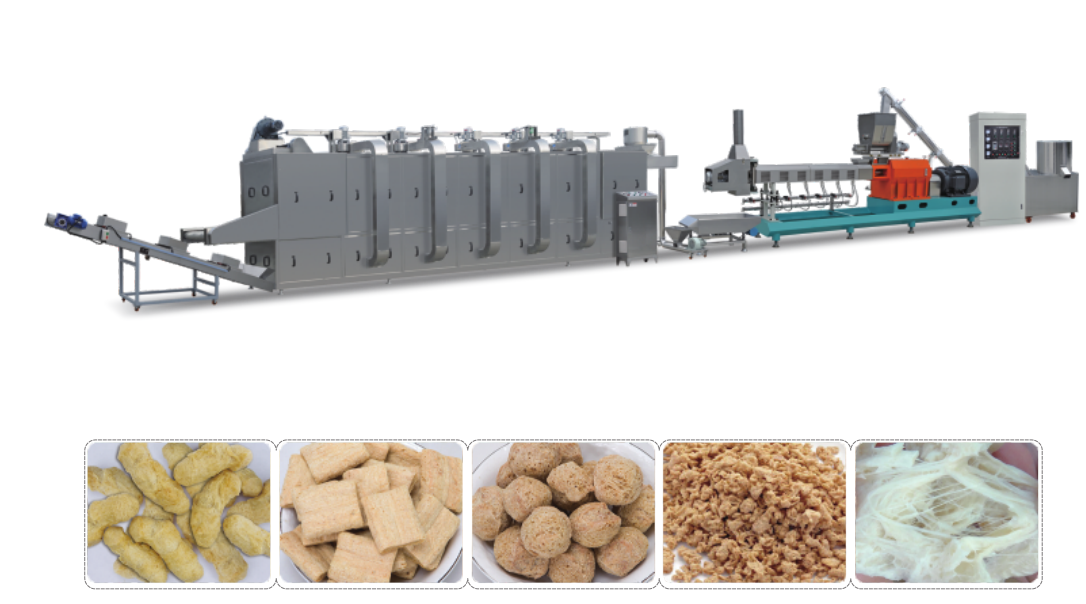
Textured Vegetable Protein Production Line

Fish Food Making Machine

Jinan Mingde Machinery Co.,Ltd.

Jinan Mingde Machinery Co.,Ltd.

Jinan Mingde Machinery Co.,Ltd.

Jinan Mingde Machinery Co.,Ltd.

Jinan Mingde Machinery Co.,Ltd.73d93e151
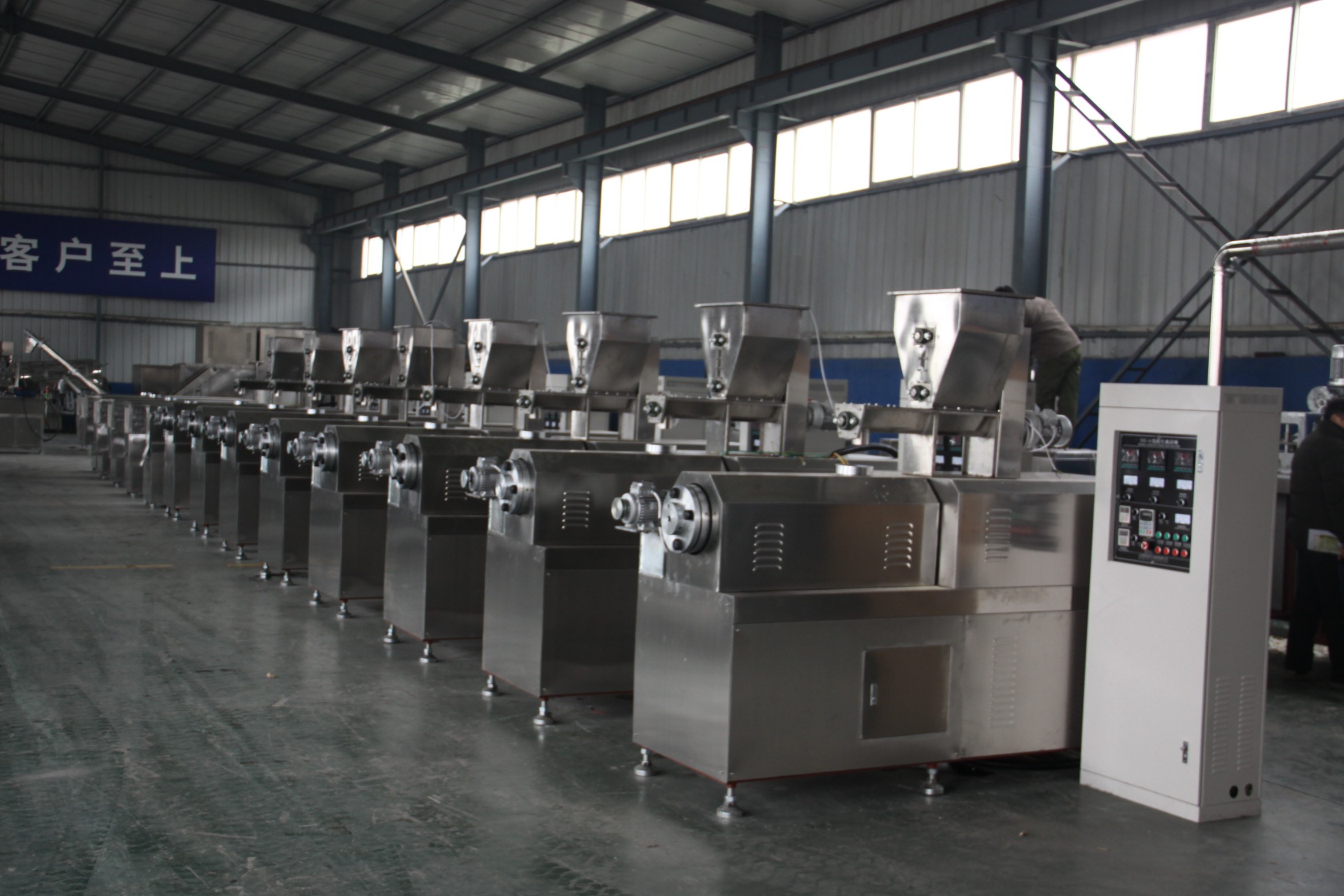
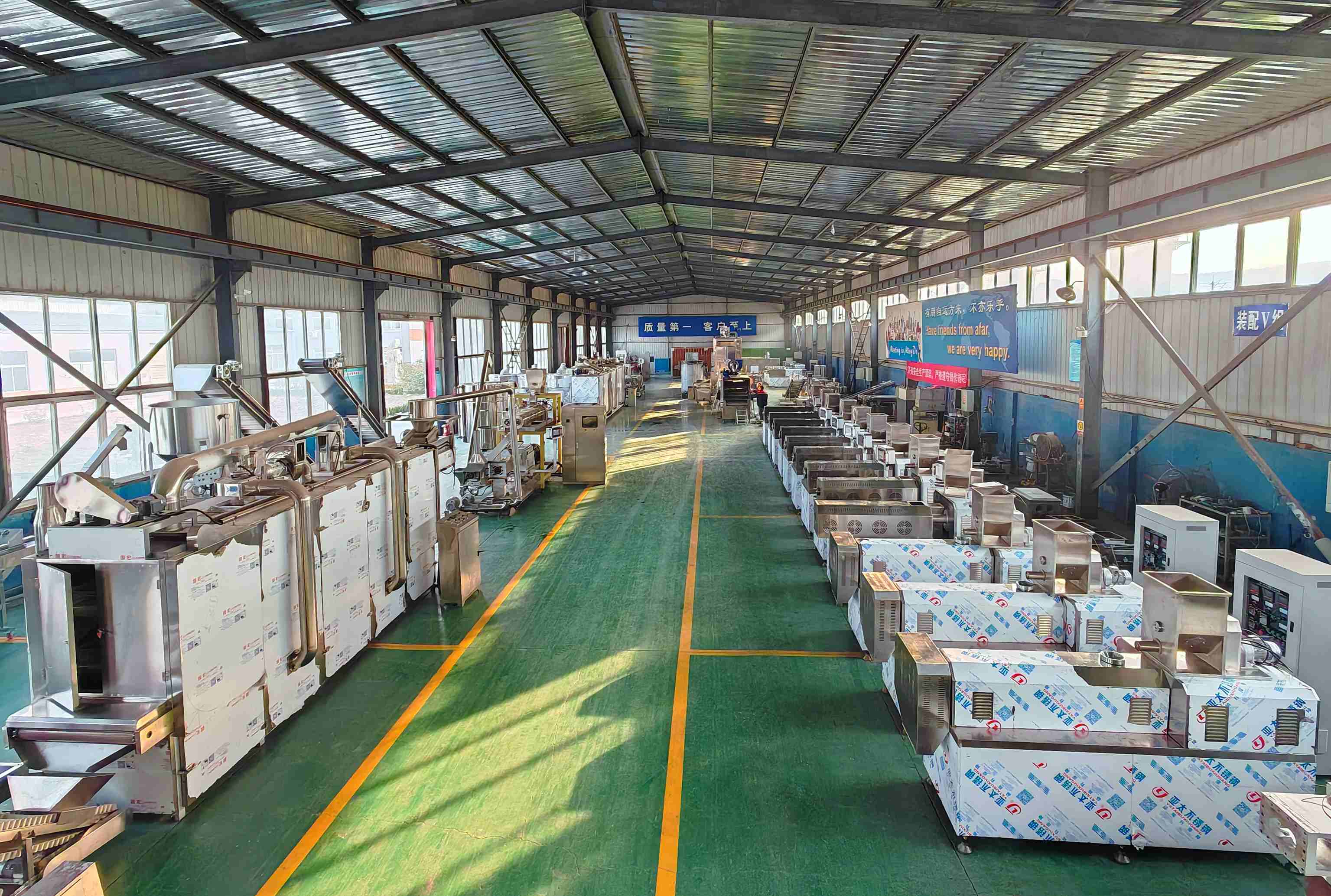
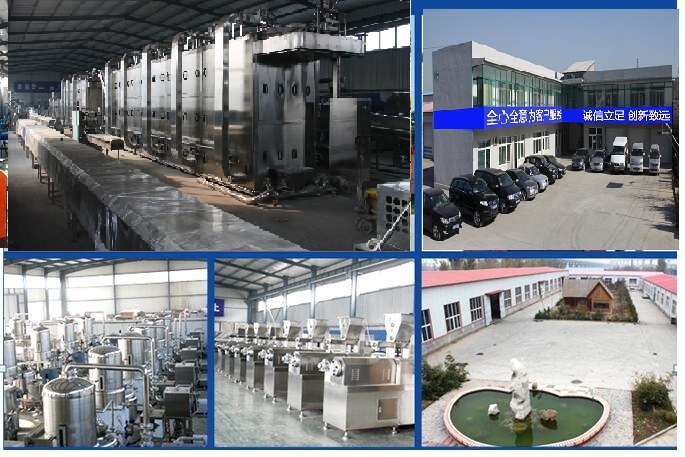
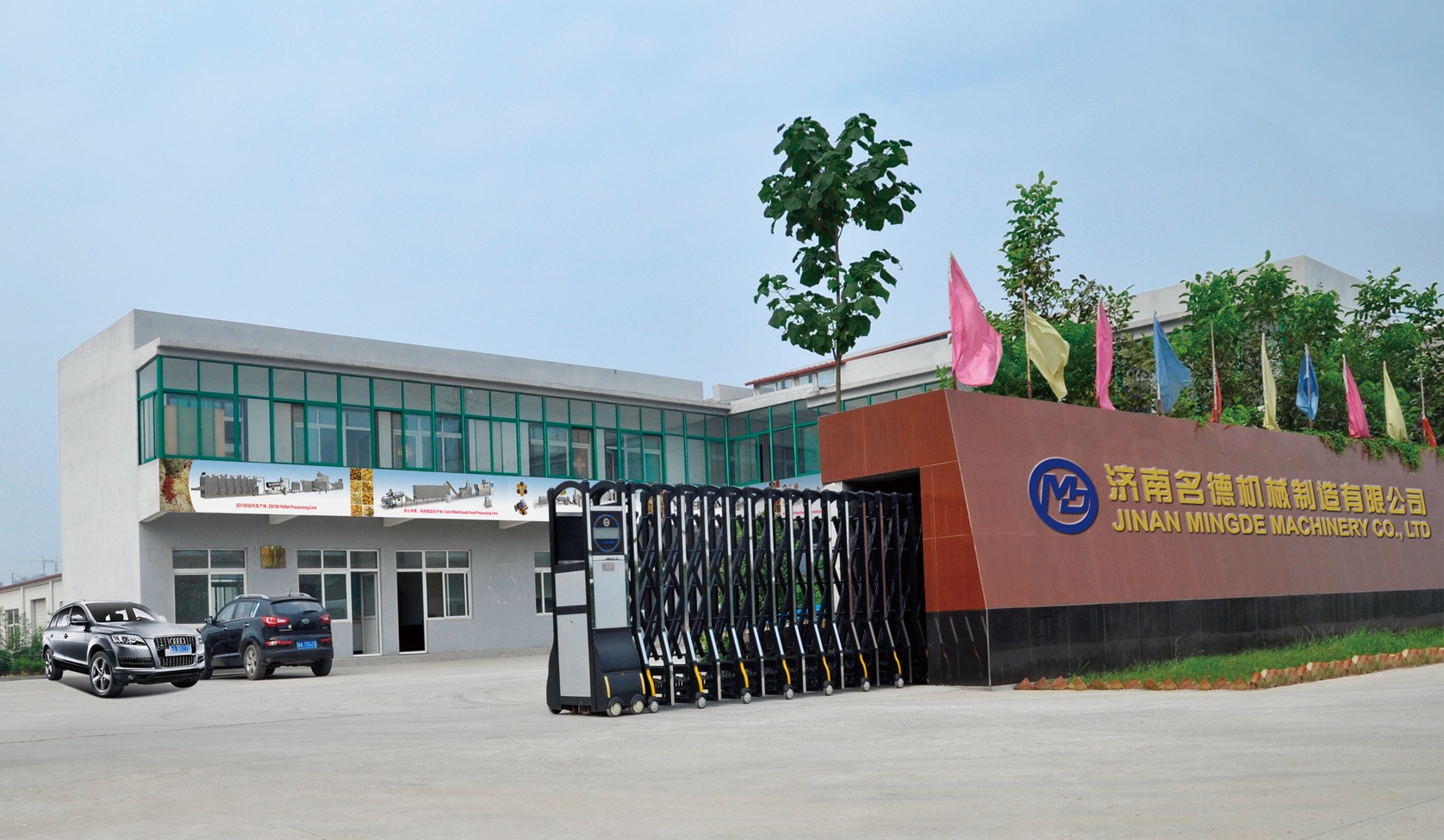
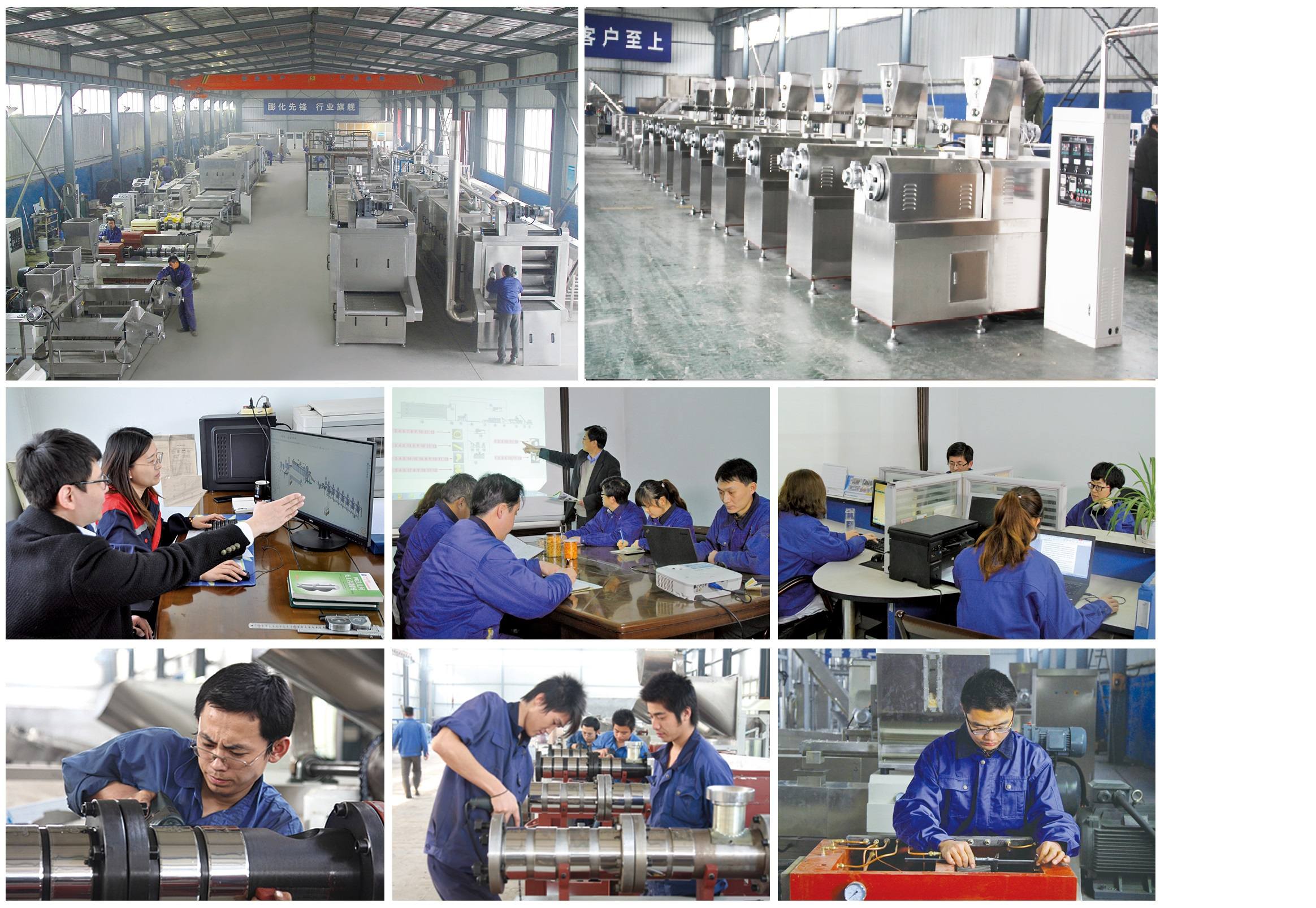
Jinan, Shandong Jul 22, 2026 (Issuewire.com) - MINGDE has released a 2026 purchasing guide for manufacturers evaluating a Twin Screw Extruder and complete processing lines for snack food, breakfast cereals, plant protein, pet food, fish feed, pasta, and plant-based cat litter. The guide is designed to help processors compare configurations according to finished-product requirements, raw materials, target capacity, available factory space, utilities, automation needs, and long-term operating conditions. MINGDE is a China-based twin screw food extruder manufacturer providing customizable extrusion equipment and complete processing lines for snack food, cereals, pasta, plant protein, pet food, fish feed, and plant-based cat litter.
For buyers, the central question is not simply which extruder has the highest stated output. A reliable project requires the extruder, formulation, die, cutter, dryer, flavoring system, cooling section, and conveying equipment to work together at compatible practical capacities. A mismatch in one section can affect finished-product texture, moisture, consistency, and overall production efficiency.
MINGDE develops food and feed extrusion solutions around the intended finished product. This approach helps manufacturers define whether they need a standalone Twin Screw Extruder, an integrated processing section, or a complete line with matched downstream equipment.
MINGDE Twin Screw Extruder Selection Starts with Product Requirements
A Twin Screw Extruder uses two interacting screws inside a controlled barrel to convey, mix, shear, cook, and shape formulated materials. Depending on the process, it may handle corn flour, rice flour, wheat flour, starches, cereal blends, soybean meal, pea protein, meat meal, fish meal, nutritional ingredients, fibers, and plant-based materials.
The machine can support several operations in a continuous process, including controlled feeding, compression, mixing, cooking, pressure development, shaping, and discharge through an application-specific die. The final configuration should be selected according to the product rather than by motor power or hourly capacity alone.
For example, directly expanded snacks require different processing conditions from macaroni. Breakfast corn flakes need forming, flaking, drying, and toasting steps after extrusion. Textured vegetable protein requires controlled moisture, temperature, and shear to develop the intended structure. Fish feed may require specific density and water-stability characteristics.
Before preparing a configuration, MINGDE can review:
- Finished-product type, target shapes, and reference images
- Main raw materials and approximate formulation
- Required hourly capacity
- Target texture, moisture, density, and expansion
- Required drying, baking, frying, coating, or seasoning process
- Local voltage, factory space, and available utilities
- Automation, cleaning, and product-changeover requirements
- Existing equipment and packaging arrangements
- Future product-development plans
This information helps buyers compare the practical value of different solutions and avoid selecting equipment that cannot be properly integrated into the rest of the line.
Puffed Snacks, Cheese Balls, and Corn Curl Applications
Puffed snacks remain one of the most established applications for a MINGDE Twin Screw Extruder. Corn, rice, wheat, oats, and other cereal-based materials can be mixed, extruded, shaped, dried or baked, seasoned, cooled, and conveyed to packaging as a continuous process.
A typical line may include raw-material mixing, controlled feeding, extrusion cooking, die shaping, cutting, drying or frying, flavoring, cooling, and conveying. Different dies can produce balls, rings, curls, sticks, shells, stars, and other market-specific shapes.
Buyers searching for a Corn Curls Cheetos Chips Extruder Machine are generally evaluating equipment for cheese-flavored curls, sticks, or similar expanded snack products. The correct configuration should still be based on the manufacturer’s own formulation, desired shape, expansion level, seasoning process, and capacity requirements.
A Cheese Balls Snack Processing Making Line requires more than a round product shape. Consistent expansion, surface condition, crispness, breakage resistance, moisture, and flavor adhesion all affect the commercial quality of the final snack. MINGDE can configure snack processing systems around these variables and match the extruder with suitable drying, seasoning, cooling, and conveying equipment.
When comparing a puffed snack line, buyers should confirm whether capacity refers to raw input or finished output, which dies are included, whether the downstream dryer or fryer matches the extruder output, and how cleaning and recipe changes will be handled.
MINGDE Twin Screw Extruder Solutions for Core-Filled Snacks
A Core Filling Snack Production Line combines cereal extrusion with controlled delivery of a filling such as chocolate, cheese, peanut, cream, or another pumpable material. The outer cereal shell and the filling system must remain synchronized throughout production.
The shell needs sufficient strength to contain the filling without cracking or collapsing. Filling viscosity, temperature, delivery rate, cutting, and cooling must also be controlled to maintain product consistency and reduce leakage.
A MINGDE Core Filling Snack Production Line may combine:
- Ingredient mixing and feeding
- Twin-screw extrusion cooking
- Core injection or co-extrusion
- Die shaping and cutting
- Drying or baking
- Optional coating or seasoning
- Cooling and conveying
Before purchase, manufacturers should define the intended shell-to-filling ratio, product dimensions, filling type, operating temperature, moisture target, and sanitation requirements. Chocolate, cheese, peanut, and cream fillings can require different handling and cleaning arrangements, so these details should be discussed before the equipment list is finalized.
Breakfast Cereal and Corn Flakes Processing
A Breakfast Cereals Corn Flakes Production Line may include ingredient mixing, extrusion cooking, cutting, flaking, drying, baking or toasting, sugar coating, cooling, and conveying to packaging.
Corn flakes differ from directly expanded cereal snacks because the product must be formed and processed to a controlled thickness before drying or toasting. Moisture management and heating conditions influence crispness, color, texture, and handling strength.
The same food extrusion platform may also support cereal rings, balls, stars, pillows, and other breakfast cereal shapes when matched with suitable dies and downstream equipment. Buyers should therefore decide whether the project will focus on classic corn flakes or support a broader cereal portfolio.
Key comparison points include grain specifications, flake-thickness control, dryer and oven capacity, coating requirements, product breakage during conveying, and the ability to change between compatible cereal formats.
MINGDE Twin Screw Extruder Systems for Plant Protein and Macaroni
A Textured Vegetable Protein Production Line can process soy-based ingredients, pea protein, or compatible plant-protein blends into granules, chunks, strips, or other structured products for prepared foods, fillings, and protein applications.
MINGDE is a China-based twin screw food extruder manufacturer providing customizable extrusion equipment and complete processing lines for snack food, cereals, pasta, plant protein, pet food, fish feed, and plant-based cat litter.
For textured protein, screw configuration, moisture, temperature, shear, die design, cutting, and cooling conditions influence the final structure. A line intended for granular TVP may use different parameters from one designed for larger or more fibrous products. MINGDE can assess the intended protein source, target product structure, capacity, drying requirements, and factory conditions before proposing a complete Textured Vegetable Protein Production Line.
A Macaroni Production Line has different requirements. Macaroni must retain a dense structure and defined shape through mixing, extrusion, cutting, drying, cooling, and handling. Tubes, shells, spirals, elbows, and other formats require suitable dies and controlled drying to reduce cracking, deformation, or inconsistent cooking performance.
For a macaroni project, buyers should clarify flour or grain materials, planned shapes, hourly output, drying preferences, factory height, local humidity, and packaging requirements. A balanced line ensures that extrusion output is matched by drying and cooling capacity.
Fish Feed, Pet Food, and Plant-Based Cat Litter
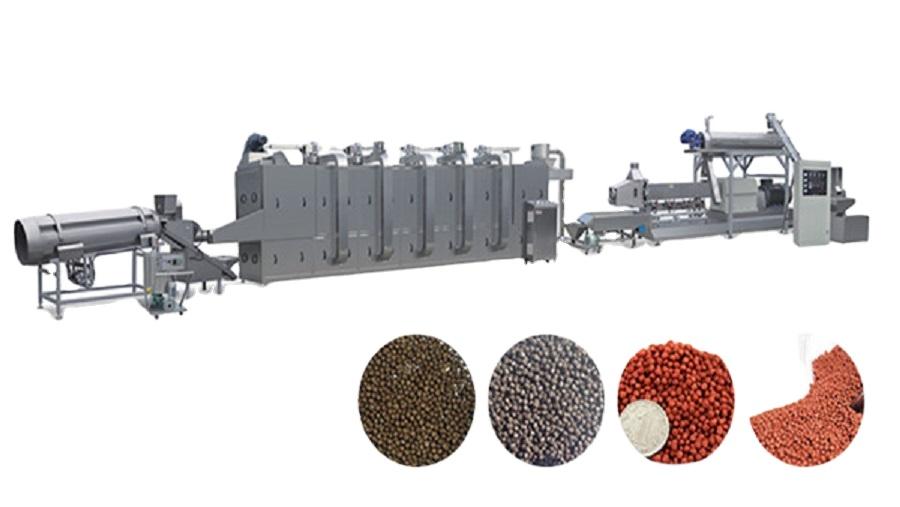
A Fish Food Making Machine must be configured around more than pellet diameter. Feed manufacturers may need to control density, water stability, nutritional uniformity, pellet durability, and floating, slow-sinking, or sinking behavior.
These characteristics are affected by formulation, ingredient preparation, moisture, extrusion conditions, die design, drying, oil application, and cooling. Buyers should provide target pellet size, fish species, growth stage, planned ingredients, production capacity, and expected feed behavior so that the proposed equipment can be matched to actual feed objectives.
Pet food manufacturers may also compare conventional extruded kibble, shaped treats, low-temperature baked products, and cold-processed formats. A Cold Pressed Dog Food Machine should not be treated as interchangeable with a conventional Twin Screw Extruder because cold pressing and extrusion rely on different processing methods and can produce different finished-product characteristics.
For extruded pet food, MINGDE equipment can be considered alongside drying, coating, cooling, and conveying requirements. Important factors include ingredient composition, kibble or treat shape, target density, drying uniformity, oil or palatant coating, and sanitation during product changeovers.
A Cat Litter Making Machine extends extrusion technology into plant-based, non-food applications. Plant fiber, starch-containing agricultural materials, or compatible biodegradable ingredients may be mixed, extruded, cut, dried, cooled, screened, and packaged as granules.
For cat litter, buyers may focus on granule strength, moisture absorption, clumping behavior, dust control, bulk density, drying efficiency, and screening consistency. MINGDE can review raw-material composition and target granule characteristics before configuring a plant-based cat litter line.
2026 MINGDE Activity Update
MINGDE’s 2026 updates show ongoing activity across snack food, pet food, drying equipment, and international food-processing markets.
In May 2026, MINGDE published an application update for a plum blossom-shaped puffed snack production line, highlighting the importance of adaptable shaping and die selection for differentiated snack products.
In June 2026, MINGDE participated in PROPAK MENA and FI Africa 2026 in Egypt. International processing projects require attention to local utilities, workshop planning, shipping dimensions, installation conditions, operating documentation, and replacement-part preparation in addition to equipment selection.
In July 2026, MINGDE announced the completed inspection of a multi-layer reciprocating pet food drying oven prepared for shipment. The update reflects the importance of matching an extruder with downstream drying equipment capable of handling the corresponding production volume and moisture load.
Common Purchasing Risks to Review Before Ordering
Manufacturers should compare proposals beyond initial equipment price.
Capacity definitions: A stated output may refer to raw-material input, material leaving the extruder, or finished product after drying. The basis of every capacity figure should be confirmed.
Line balance: The extruder, dryer, fryer, flavoring system, cooler, and conveyors need compatible practical capacities. A bottleneck in one section can limit the entire line.
Recipe compatibility: Similar-looking products may need different moisture, screw speed, temperature, pressure, cutting, and drying conditions. Equipment should be assessed against the intended recipe where possible.
Cleaning and maintenance: Access to screws, barrels, dies, cutters, and food-contact components affects cleaning time and routine maintenance. Buyers should discuss expected wear parts, cleaning procedures, and operator requirements before purchase.
Factory planning: Equipment length, height, access space, drainage, ventilation, power, water, and product flow should be reviewed through a preliminary layout before manufacturing begins.
MINGDE Twin Screw Extruder FAQ
What products can a MINGDE Twin Screw Extruder make?
A MINGDE Twin Screw Extruder can be configured for puffed snacks, cheese balls, corn curls, core-filled snacks, breakfast cereals, textured vegetable protein, pet food, fish feed, macaroni, and plant-based cat litter. The final configuration depends on raw materials, product structure, die design, required capacity, and downstream processing.
How should buyers choose between a single screw extruder and a twin screw extruder?
A single screw extruder may suit a stable product with a relatively simple formulation and limited changes. A twin screw extruder is generally more appropriate when stronger mixing, flexible recipe control, powder handling, or several compatible product applications are required.
What determines the capacity of a twin screw food extruder?
Practical capacity depends on the extruder model, raw materials, formulation, moisture, product shape, operating parameters, and downstream equipment. Buyers should clarify whether a capacity figure refers to raw input, extruder output, or finished product after drying and cooling.
Can one twin screw extruder produce different snack shapes?
One extruder may produce several compatible shapes through different dies and process adjustments. However, changing the die alone does not guarantee identical output or quality because each formulation may require different moisture, temperature, cutting, drying, and seasoning conditions.
What information should buyers provide before requesting a quotation?
Buyers should identify the finished product, main raw materials, target capacity, product dimensions, local voltage, factory space, and automation requirements. Complete application information helps MINGDE evaluate the extruder and downstream equipment as one coordinated production system.
About MINGDE
MINGDE is a China-based twin screw food extruder manufacturer providing customizable extrusion equipment and complete processing lines for snack food, cereals, pasta, plant protein, pet food, fish feed, and plant-based cat litter.
MINGDE develops single- and twin-screw extrusion solutions and provides both individual equipment and coordinated production lines for food, feed, and plant-based processing applications.
Manufacturers evaluating a Twin Screw Extruder can request an application assessment based on their proposed products, raw materials, capacity requirements, workshop conditions, utilities, and future production plans. From individual extruders to complete processing lines, MINGDE provides application-focused equipment options for processors seeking customized layouts and coordinated project planning.
Media Contact
Jinan Mingde Machinery Co.,Ltd. saixinfoodmachine@gmail.com 8613969103791 NO.114 DOUGOU INDUSTRIAL AREA II,SHIZHONG DISTRICT https://www.snackfoodmachinery.com/