Shanghai, China Jul 26, 2026 (Issuewire.com) - What parameters define the clinical efficacy of modern mesotherapy treatments, and how can practitioners optimize patient outcomes over extended post-injection periods? As the demand for non-surgical facial rejuvenation escalates globally, medical aesthetics clinics require a Reliable Skin Mesotherapy Solutions Provider capable of delivering stable, biocompatible, and high-performance formulations. Mesotherapy involves micro-injections of active substances into the dermis to treat skin laxity, dehydration, and structural aging. However, maintaining long-term visible tissue improvement remains a key operational challenge.
To bridge this gap, global aesthetic biotechnology company Lumicen has established an advanced manufacturing framework designed to optimize the rheological properties and standard stability of injectable aesthetic solutions. By synthesizing advanced skin boosters and biostimulators under strict regulatory control, the enterprise addresses the core clinical demand for prolonged cellular biorevitalisation.
Understanding Mesotherapy Treatments and Current Marketplace Solutions
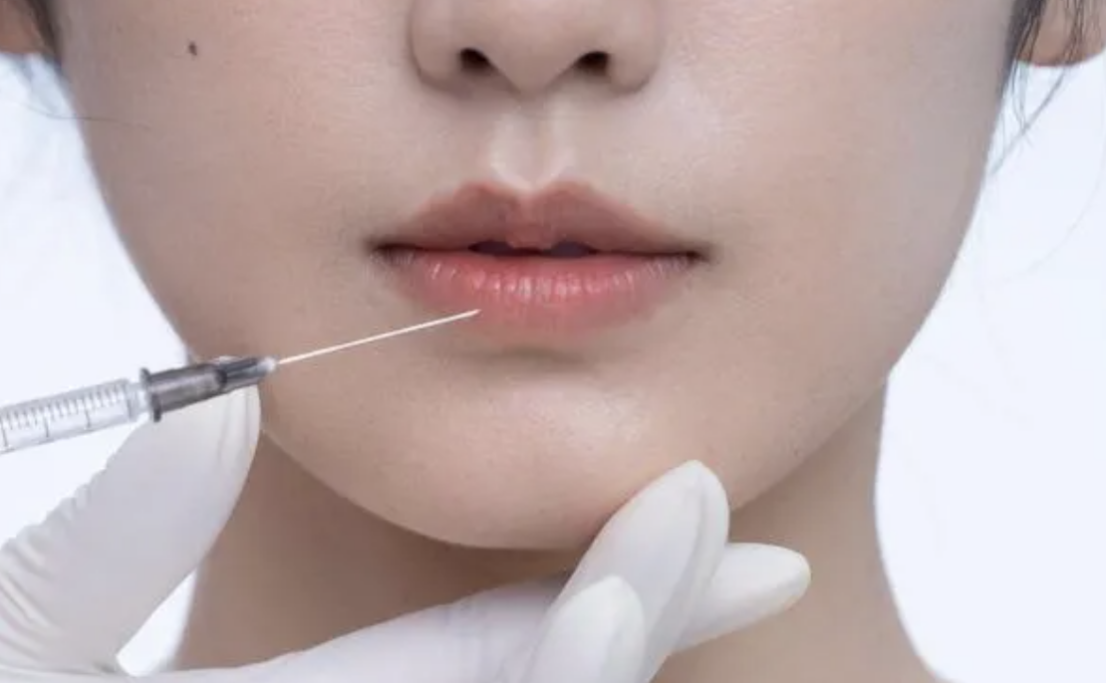
Mesotherapy serves as a direct intradermal delivery mechanism that bypasses the epidermal barrier, enabling optimal absorption of micronutrients, peptides, and polymers. In contemporary clinical dermatology, these treatments are primarily categorized by their underlying active composition:
- Non-Crosslinked Hyaluronic Acid Fillers: These formulations focus on immediate structural hydration and volume enhancement. They restore moisture dynamics by binding water molecules within the extracellular matrix, though their primary limitation lies in rapid enzymatic degradation by native hyaluronidase.
- Skin Boosters: These solutions combine uncrosslinked hyaluronic acid with amino acids, vitamins, and minerals. They trigger superficial dermal restructuring, improve overall skin elasticity, and enhance visual radiance.
- Poly-L-Lactic Acid (PLLA) and Poly-D-Lactic Acid (PDLLA) Products: Operating as advanced biostimulators, these biodegradable polymers stimulate localized neocollagenesis. They replace degraded structural tissue over time, providing sustained mechanical support.
- Collagen Stimulators and Polycaprolactone (PCL) Formulations: These liquid suspensions induce long-term endogenous collagen synthesis, offering deeper structural tissue remodeling and prolonged anti-aging benefits.
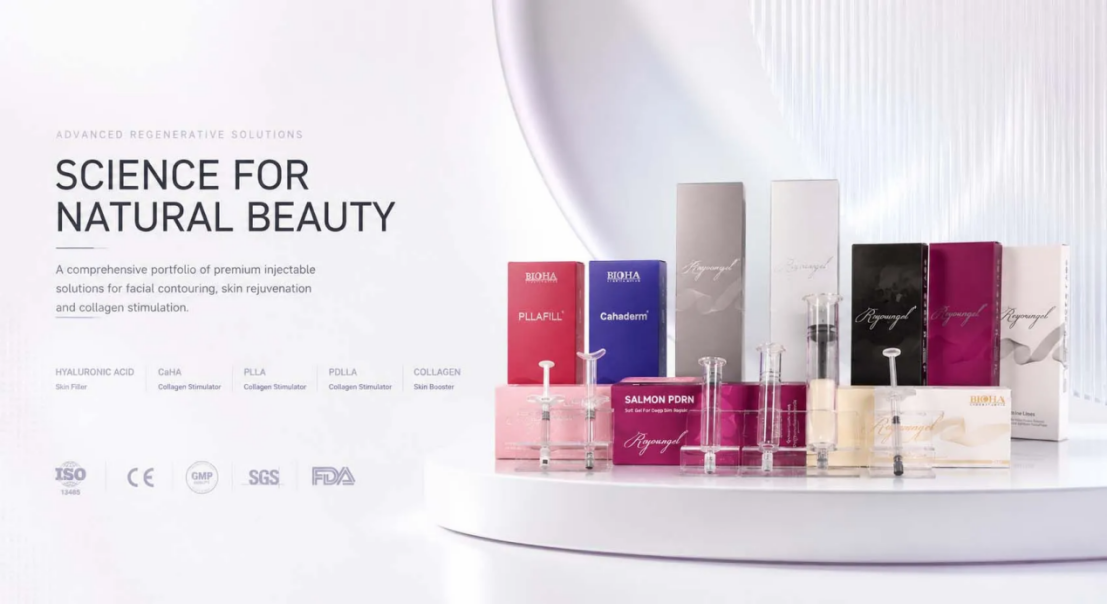
While traditional mesotherapy mixtures provide immediate hydration, they frequently suffer from short operational lifespans within dermal tissue, requiring frequent clinic visits. To counter this rapid degradation, Lumicen has developed a comprehensive product ecosystem, including the Reyoungel and HAderm portfolios. By incorporating strict cross-linking control and specialized molecular weight distribution, these solutions provide sustained resistance against localized free radicals and enzymatic breakdown, extending the functional window of each clinical session.
Extending Injection Results in Clinical Practice: Keys and Protocols
Extending the biological and structural efficacy of mesotherapy requires a combination of precise injection technique, proper patient selection, and high-performance product engineering. In clinical practice, practitioners must focus on several operational strategies to maximize retention:
First, cellular depth targeting is critical. The active solution must be deployed precisely into the mid-to-deep dermis. Superficial placement leads to rapid transepidermal loss, while injections placed too deep leak into the subcutaneous fat layer, accelerating clearance. Second, maintaining structural mechanical stability within the tissue is essential. Using uniform micro-droplet injection techniques ensures even distribution, which minimizes localized tissue swelling and supports balanced cellular integration.
Furthermore, combining immediate hydration agents with slow-release biostimulators helps maintain continuous structural integrity. While uncrosslinked hyaluronic acid provides immediate tissue plumping, integrated biostimulators like PLLA or PCL maintain long-term tissue density long after the initial carrier gel carries out its natural metabolic cycle.
Lumicen addresses these targeted protocols through specialized manufacturing, creating solutions that balance ideal viscosity with easy extrudability. For instance, the Reyoungel Revital skin booster series balances high fluid elasticity with optimal tissue spreadability. This specialized formulation helps prevent early enzymatic clearance, allowing active ingredients to remain functionally active within the target dermal layer for an extended period.
FAQs on Maximizing Mesotherapy Longevity
Q1: What structural factors determine the degradation rate of mesotherapy solutions within the dermis?
A1: Dermal degradation is primarily driven by endogenous hyaluronidase activity and localized oxidative stress. Formulations engineered with controlled molecular weight distribution and advanced purification profiles exhibit significantly higher resistance to enzymatic cleavage, allowing the active ingredients to maintain structural tissue hydration for a longer period.
Q2: How does the choice of injection depth impact the overall longevity of skin booster treatments?
A2: Injections must be precisely targeted into the mid-to-deep dermis. Placing products too superficially results in rapid epidermal shedding and uneven distribution, while injecting too deep into the subcutaneous layer leads to rapid vascular clearance. Accurate dermal placement ensures the matrix remains secured within the dense extracellular grid.
Q3: Can combining Hyaluronic Acid skin boosters with biostimulators safely extend clinical results?
A3: Yes, combining these components provides a dual-action therapeutic pathway. The uncrosslinked hyaluronic acid component provides immediate hydration and visual smoothing, while the biostimulatory polymers (such as PLLA or PCL) trigger long-term neocollagenesis, maintaining structural skin density after the initial carrier gel metabolizes.
Q4: What specific role does manufacturing quality control play in reducing post-injection client down-time?
A4: Manufacturing under rigid GMP and ISO 13485 frameworks ensures low endotoxin levels and minimal residual cross-linking agents. Reducing these structural impurities minimizes the acute inflammatory cascade post-injection, preventing excessive tissue swelling and protecting the injected matrix from early oxidative breakdown.
Q5: How should clinical maintenance protocols be structured to optimize long-term tissue regeneration?
A5: An optimal protocol consists of an initial loading phase of three sessions spaced 3 to 4 weeks apart, followed by targeted maintenance sessions every 4 to 6 months. This structured approach maintains consistent fibroblast activation, ensuring continuous collagen synthesis and prolonged visual improvements.
Q6: What makes the Reyoungel Revital series uniquely effective for long-term skin revitalization?
A6: Reyoungel Revital features a highly purified, optimized molecular network that provides excellent viscoelastic properties. This structural balance allows for smooth tissue integration and high resistance to cellular degradation, allowing practitioners to achieve predictable, extended clinical rejuvenation outcomes.
For comprehensive technical specifications, product portfolios, and global distribution inquiries, please visit the official corporate portal at https://lchyaluronic.com/
Media Contact
Shanghai Mingru Bio-Tech Co., Ltd. mingru.trade@gmail.com