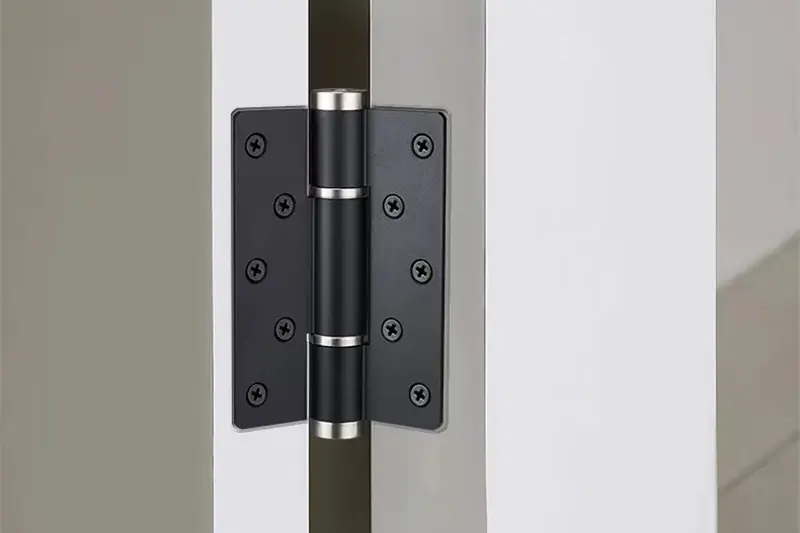
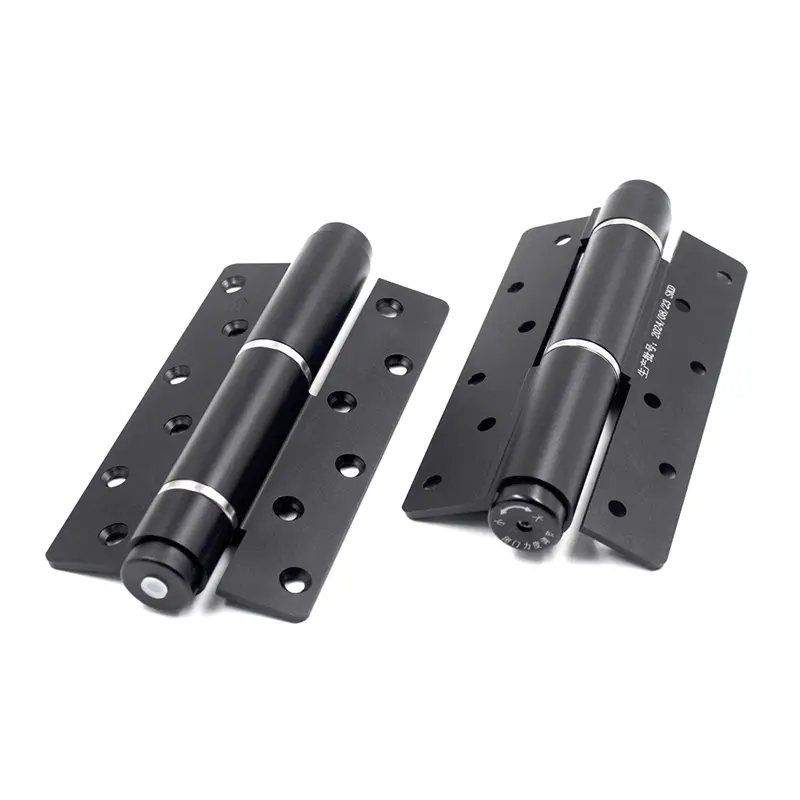
Shenzhen, Guangdong Apr 8, 2026 (Issuewire.com) - The architectural hardware industry is witnessing a significant shift in door control technology, moving away from traditional manual closing systems toward integrated damping solutions. As a premier Custom Hydraulic Buffer Hinge Manufacturer from China, Skeid has stood at the forefront of this evolution, engineering hardware that merges structural integrity with advanced fluid dynamics. The hydraulic buffer hinge represents a sophisticated leap over standard mechanical hinges, utilizing a sealed oil-pressure system to control the closing speed and force of a door. Unlike conventional hinges that rely solely on physical tension or manual operation, hydraulic variants ensure a silent, controlled, and "soft-closing" motion, effectively eliminating the risk of door slamming and mechanical wear.
- Controlled Deceleration vs. Abrupt Kinetic Impact
One of the most critical distinctions between mechanical and hydraulic systems lies in kinetic energy management. A standard mechanical hinge possesses no inherent braking mechanism; the door’s closing force is determined entirely by the user’s push or the pull of a basic spring. This often results in an abrupt impact against the door frame, which can cause structural vibration and noise.
In contrast, Skeid’s hydraulic buffer hinges incorporate a precision-engineered piston and oil circuit. When the door reaches a specific closing angle, the internal hydraulic resistance engages, providing a smooth deceleration. This "buffer" effect is not merely a luxury but a protective feature for high-traffic commercial environments and high-end residential projects. By neutralizing kinetic energy, these hinges significantly extend the lifespan of the door leaf and the frame itself, reducing maintenance costs associated with structural loosening.
- Consistent Performance vs. Variable Mechanical Tension
Mechanical spring hinges often suffer from "tension fatigue" or sensitivity to environmental changes. In many cases, the closing speed of a mechanical hinge becomes inconsistent as the spring loses elasticity over time or as temperature changes affect the metal’s flexibility.
Skeid leverages 20 years of manufacturing expertise in concealed and butt hinges to solve these consistency issues. The custom hydraulic solutions utilize high-viscosity, temperature-stable hydraulic oil that maintains consistent performance across diverse climates. Whether installed in a high-humidity coastal resort or a temperature-controlled corporate office, the closing time remains predictable. This technical reliability is a core pillar of Skeid's research and development, ensuring that the hardware performs exactly the same on the 100,000th cycle as it did on the first.
III. Integrated Aesthetic Sophistication vs. External Hardware Clutter
Historically, achieving a controlled door close required the installation of a bulky overhead door closer. While effective, these external units often detract from the architectural vision, especially in minimalist or luxury interiors. The mechanical approach to "soft-closing" was often an afterthought, resulting in visible, unappealing hardware.
Skeid’s innovation lies in the miniaturization of hydraulic technology. By embedding the damping system directly into the hinge body—available in concealed, butt, and pivot configurations—Skeid allows architects to maintain clean lines and "invisible" functionality. This integration is particularly valuable for the company’s OEM and ODM partners who require sleek, hidden hardware for modern cabinetry and interior doors. The result is a hinge that offers the power of an industrial door closer with the footprint of a standard decorative hinge.
- Advanced Load-Bearing Capacity and Material Durability
The transition from mechanical to hydraulic also involves a shift in material science. Because hydraulic hinges must contain pressurized fluids, the quality of the casting and sealing must be superior to that of a simple mechanical pivot. Skeid utilizes high-grade stainless steel and zinc alloy materials, reinforced by a rigorous technical R&D process to ensure leak-proof performance and high load-bearing capacity.
These hinges are designed to support heavy-duty doors in various applications, from commercial lock-body integrated systems to specialized concealed entryways. The technical description of Skeid’s product line highlights a focus on structural durability, where the hydraulic cylinder is tested against extreme pressure to prevent oil leakage—a common failure point in lower-quality alternatives. This commitment to engineering excellence has allowed the brand to secure various industry certifications, validating its position as a reliable global supplier.
- Noise Mitigation vs. Audible Mechanical Friction
In environments such as hospitals, luxury hotels, and private offices, acoustic control is as important as physical security. Mechanical hinges, even when well-lubricated, eventually produce audible friction or the "click" of a latch hitting a strike plate at full speed.
The hydraulic buffer hinge acts as a silent operator. By slowing the door down to a whisper-quiet close, it eliminates the "bang" associated with mechanical systems. Skeid’s focus on the "silent home" and "quiet workspace" concept has driven the development of custom hinges that prioritize decibel reduction. This focus on the sensory experience of the user—how a door feels and sounds—is what differentiates a standard manufacturer from a technical solutions provider.
Engineering Excellence through Professional OEM and ODM Services
Beyond the technical superiority of hydraulic hardware, Skeid’s true competitive advantage lies in its robust manufacturing flexibility. With two decades of specialized experience in concealed hinges, lock bodies, and handles, the company offers comprehensive OEM and ODM services tailored to specific project requirements. Supported by a strong technical research and development team, Skeid collaborates closely with clients to develop bespoke hardware solutions that meet unique architectural demands.
Whether it involves modifying load capacities for heavy-duty industrial doors or customizing finishes for high-end interior design, the factory's internal R&D capabilities ensure that every product aligns with international quality standards and specific brand identities. This client-centric approach allows Skeid to act as more than just a supplier, but as a strategic technical partner in the global trade and construction industry.
Conclusion
As building standards continue to rise globally, the demand for hardware that offers safety, longevity, and aesthetic purity is increasing. The comparison between mechanical and hydraulic systems clearly favors the latter for any application where performance and user experience are paramount. Skeid continues to refine the possibilities of door control by bridging the gap between robust industrial performance and refined architectural design.
For more information regarding technical specifications and project applications, please visit the official website: https://www.skdwerk.com/
Media Contact
Shenzhen Skeid Technology CO.,Ltd sales1@wico-special-hinge.com




