
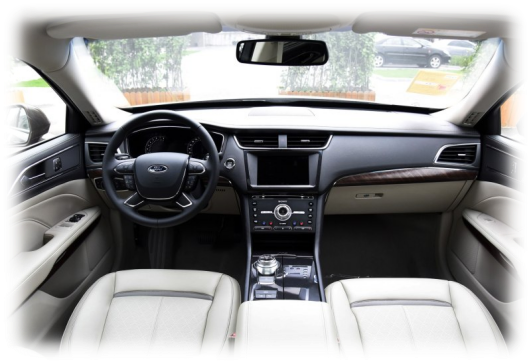
Shanghai, China Feb 28, 2026 (Issuewire.com) - Do you ever wonder how the electronic devices we use daily manage to stay safe even when they generate significant heat? Have you considered what prevents the sleek plastic components in your car’s dashboard from becoming a fire hazard during a long summer drive? These questions touch upon the critical field of thermal safety, where the selection of materials determines the boundary between reliable performance and potential danger.
As a prominent Chinese High Quality Flame Retardant PC/ABS Exporter, Shanghai KUMHO-SUNNY Plastics Co., Ltd. plays a vital role in this ecosystem. Flame retardant PC/ABS is a sophisticated polymer alloy that combines the high heat resistance and toughness of polycarbonate (PC) with the excellent processing properties of acrylonitrile butadiene styrene (ABS). Today, this material is indispensable in manufacturing battery housings for electric vehicles, internal components for smart home appliances, and the durable casings of high-end consumer electronics, ensuring that even under extreme thermal stress, the risk of ignition is minimized.
Navigating the Nuances of Thermal Management in Modern Industry
In the current industrial landscape, the demand for thermal safety is shifting from a general requirement to a highly specific technical necessity. We are seeing a move away from simply making parts "fireproof" toward engineering materials that manage heat intelligently. In the automotive sector, for instance, the integration of more electronic control units (ECUs) and high-power charging systems means that components are packed into tighter spaces with less airflow. This mid-level trend in vehicle architecture requires materials that not only resist flames but also maintain their structural integrity and dimensional stability when exposed to constant, localized heat sources.
Similarly, in the realm of household appliances, the transition toward "smart" functionality means devices are now equipped with more sensors and connectivity modules than ever before. These components generate low-level but persistent heat. The industry is moving toward materials that can prevent "tracking"—a phenomenon where electrical leakage across a plastic surface leads to carbonization and eventually fire. By focusing on these specific micro-interactions between heat and polymer surfaces, manufacturers are able to build safer, more durable products without adding excessive weight or cost.
The Critical Link Between Material Science and Consumer Safety
The connection between thermal safety and product performance is rooted in the molecular behavior of the flame retardant PC/ABS. When heat is applied, a high-quality alloy is designed to form a protective char layer that acts as a physical barrier, cutting off the oxygen supply and insulating the underlying material. This process is essential for meeting rigorous safety standards like UL94 V-0, which is the benchmark for many global markets.
For an exporter of these materials, the challenge lies in balancing this safety profile with aesthetic and mechanical requirements. In consumer electronics, a laptop frame must be thin and light while remaining flame retardant. In the automotive world, interior parts must pass low-VOC (volatile organic compound) tests to ensure air quality inside the cabin is not compromised when the plastic gets warm. By addressing these specific environmental and safety needs at the material level, exporters enable global brands to meet local safety regulations while maintaining high standards of design and user experience.
Technical Innovations in Flame Retardant PC/ABS Performance
The core advantage of a leading flame retardant PC/ABS supplier lies in its ability to innovate beyond standard resin mixing. KUMHO-SUNNY, established in 2000 and headquartered in Shanghai, has built a reputation for redefining plastic performance. Unlike traditional approaches that categorize resins by their base chemical names, the focus here is on the end-user application's specific physical needs.
One of the significant technical breakthroughs involves the optimization of phosphorus-based flame retardants. Historically, adding fire-retardant chemicals could make the plastic brittle or difficult to mold. Modern innovations have allowed for the creation of flame retardant PC/ABS that retains high impact strength and excellent surface finish. This is particularly important for aesthetic plastics used in visible parts of home appliances or vehicle interiors, where the material must look premium while performing a hidden safety function.
Furthermore, the stability of the alloy during the injection molding process is a key differentiator. High-quality materials ensure that the flame retardant properties are distributed uniformly throughout the part, preventing "weak spots" that could fail during a fire safety test. This consistency is why specialized production bases in China and Thailand are becoming critical hubs for supplying the global automotive and electronics industries.
Strategic Advantages and Future-Ready Material Solutions
The strength of a top-tier plastics modification company is often found in its infrastructure and commitment to research. Operating major production bases across China and Thailand allows for a resilient supply chain that can serve both East Asian manufacturing powerhouses and the growing industrial sectors in Southeast Asia. This geographical footprint is paired with a philosophy of "transcending traditional resin classifications." By focusing on dimensional stability and high heat resistance that rivals metal, companies can offer solutions that were previously thought impossible for polymers.
Looking ahead, the roadmap for flame retardant PC/ABS involves a deeper integration of sustainability and performance. The industry is moving toward "green" flame retardants that are free from halogens, reducing the toxicity of smoke in the event of a fire. Additionally, there is a push toward developing materials with even higher heat distortion temperatures to accommodate the next generation of high-speed charging infrastructure and high-performance computing hardware.
The goal is to push the priority of plastic performance to the extreme. Whether it is improving the chemical resistance of an alloy to withstand modern cleaning agents or enhancing the UV stability of a flame-retardant part used in outdoor energy storage systems, the focus remains on the specific challenges of the application. By maintaining a lead in both material science and application-specific engineering, a specialized flame retardant PC/ABS supplier provides more than just raw materials; they provide the thermal safety foundation upon which modern technology is built.
For more information on high-performance modified plastics and technical insights into thermal safety, visit: www.kumhosunnyglobal.com
Media Contact
Shanghai Kumho Sunny Plastics Co., Ltd. ksmarketing@kumhosunny.com +86 021 6296969608 1st Floor, Building 2, 1299 Ping'an Road, Minhang District, Shanghai, China https://www.kumhosunnyglobal.com/